
 Hailey Watson
Having guests over can be one of life’s greatest pleasures, but certain habits can turn your home into a place people dread visiting.
Before you send out another invitation, take a moment to evaluate how you treat your guests.
Some behaviors might seem harmless to you but can make visitors uncomfortable or even embarrassed.
If any of these seven habits sound familiar, it might be time to work on them before hosting again.
1. Your Home is Always a Mess
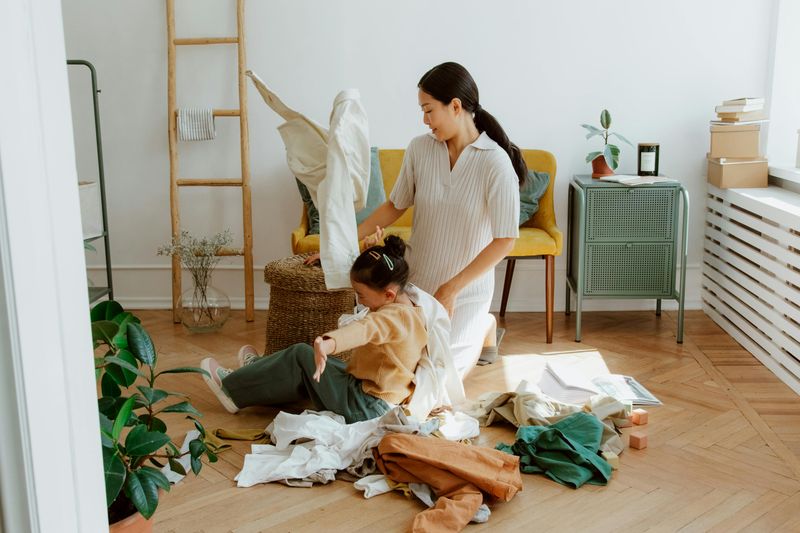
Walking into a home filled with clutter and dirt instantly makes guests uncomfortable.
Nobody expects perfection, but piles of laundry, dirty dishes stacked in the sink, and trash overflowing create an unwelcoming atmosphere.
When someone visits your space, they shouldn’t have to clear a chair just to sit down.
Basic cleanliness shows respect for your guests and makes them feel valued.
Clutter also sends a message that you didn’t care enough to prepare for their arrival.
Even a quick tidy-up before guests arrive makes a huge difference.
Your visitors will notice the effort, and they’ll feel more comfortable relaxing in your space instead of worrying about what they might touch or sit on.
2. You Never Stop Talking About Yourself
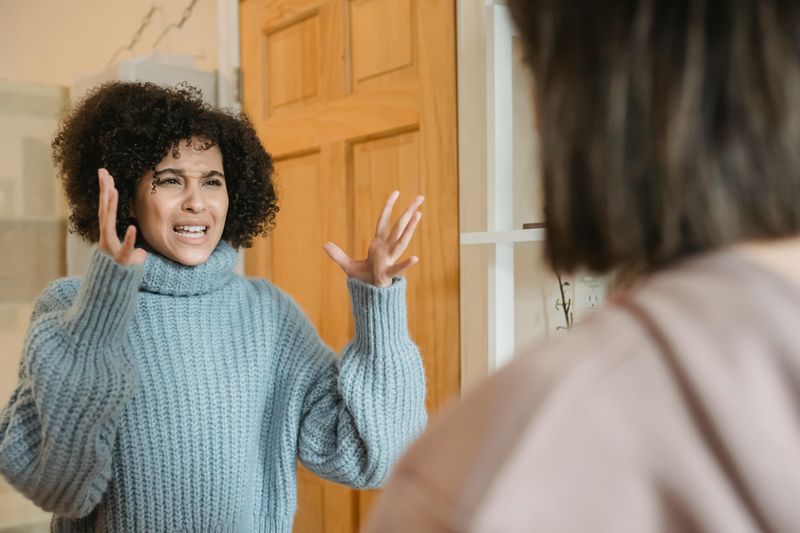
Ever notice how some people turn every conversation into a monologue about themselves?
That’s exhausting for everyone around them.
Good conversation flows back and forth like a tennis match, not a one-person show.
When guests share something important, they deserve your attention and genuine questions in return.
Constantly steering topics back to your own experiences makes people feel invisible and unimportant.
Real connection happens when both people feel heard and valued.
If you catch yourself waiting for others to stop talking so you can jump in with your story, pause and listen instead.
Ask follow-up questions and show genuine curiosity about their lives.
3. Bad Odors Linger Everywhere

Smell is powerful and memorable in all the wrong ways.
Stale cooking smells, pet odors, or musty rooms hit your guests the moment they walk through the door.
You might be used to these scents, but visitors definitely notice them.
Opening windows, taking out trash regularly, and washing fabrics can solve most odor problems.
Sometimes the simplest fixes make the biggest impact on how welcoming your home feels to others.
Personal hygiene matters too.
Body odor or bad breath during close conversation drives people away faster than almost anything else.
Keep air fresheners handy, but remember they only mask problems rather than solving them at the source.
4. You’re Glued to Your Phone

Nothing says “you’re not important” quite like someone scrolling through their phone during your visit.
Checking notifications, texting others, or browsing social media while hosting sends a clear message that something else matters more than your guest.
Your phone can wait.
Those messages and updates will still be there after your visitors leave, but the moment you’re sharing with real people won’t come back.
Put your device away and engage with the humans in front of you.
Eye contact, active listening, and being fully present create meaningful connections that screens can never replace.
Your guests deserve your full attention, not whatever fraction remains after digital distractions.
5. Your Pets Jump on Everyone

You might think your furry friend is adorable, but not everyone appreciates being jumped on, licked, or followed around constantly.
Some guests fear animals, have allergies, or simply prefer personal space without pet interference.
Training your pets to behave around visitors isn’t mean—it’s respectful to both your animals and your guests.
Basic commands like sit and stay make everyone’s experience better.
If your pet can’t handle guests, consider keeping them in another room during visits.
This protects anxious animals from stress while letting your human visitors relax without worrying about fur on their clothes or pets begging for food throughout the meal.
6. You Ignore Food Allergies and Preferences
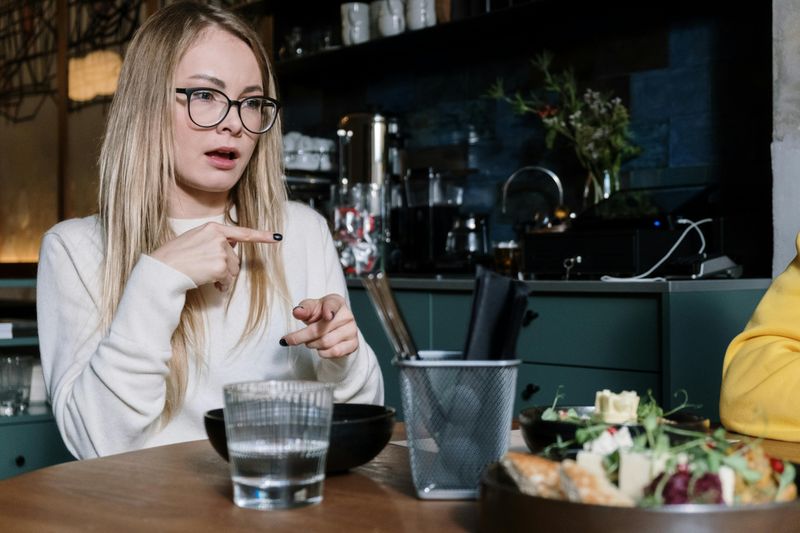
Dismissing someone’s dietary needs isn’t just rude—it can be dangerous.
Food allergies, intolerances, and restrictions matter more than your menu plans.
When guests mention they can’t eat something, believe them and adjust accordingly.
Saying things like “just try a little bit” or “are you sure you’re really allergic?” puts people in awful positions.
They either risk their health or offend their host, neither of which should happen at a friendly gathering.
Planning meals with everyone’s needs in mind shows thoughtfulness and care.
Ask about restrictions beforehand and have safe options available.
Your guests will remember your consideration long after the meal ends.
7. You Ask Invasive Personal Questions

Curiosity is natural, but there’s a line between friendly interest and inappropriate prying.
Questions about income, relationship status, family planning, or personal struggles cross boundaries that make guests squirm and regret accepting your invitation.
Just because someone is in your home doesn’t give you access to their private life.
Read social cues—if someone changes the subject or gives short answers, they’re signaling discomfort with your questions.
Build trust gradually through respectful conversation.
Let people share personal information when they feel ready, not because you’ve cornered them into answering awkward questions.
Creating a comfortable environment means respecting boundaries and letting relationships develop naturally over time.
Comments
Loading…