
 Chloe Peterson
10 Actors Whose Relationships With Paramount Reportedly Went Cold
Hollywood relationships between studios and stars can be complicated.
Sometimes disagreements over money, creative choices, or personal conflicts lead to broken partnerships that once seemed unshakeable.
Paramount Pictures has seen its share of famous actors walk away after things turned sour, and these stories reveal how even the biggest names can clash with powerful studios.
1. Tom Cruise
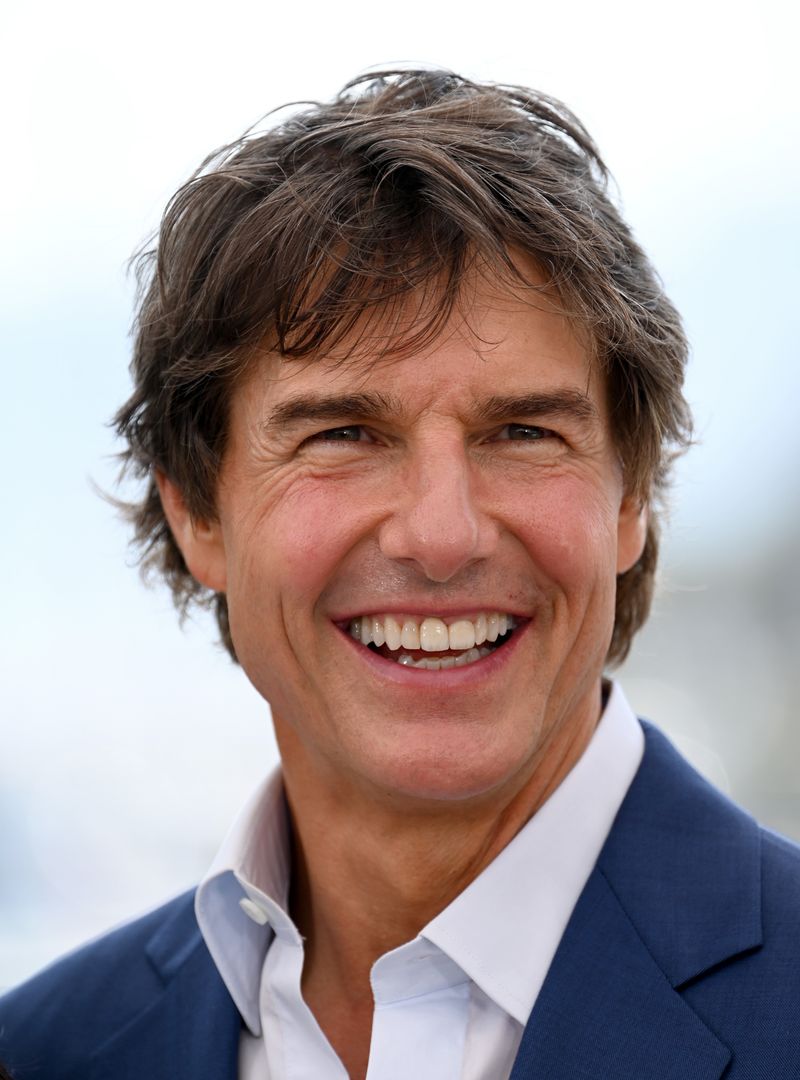
Few stars have been more synonymous with Paramount than Tom Cruise through the Mission: Impossible franchise.
Reports suggest tension emerged when the studio wanted more control over budgets and production timelines.
Cruise, known for performing death-defying stunts himself, clashed with executives who worried about insurance costs and delays.
The relationship cooled significantly when Paramount reportedly pushed back against his creative demands.
Industry insiders claim disagreements over profit-sharing and sequel direction created friction.
Though they’ve continued working together, the once warm partnership has faced serious strain over the years, with both sides seemingly more cautious about future collaborations.
2. Eddie Murphy
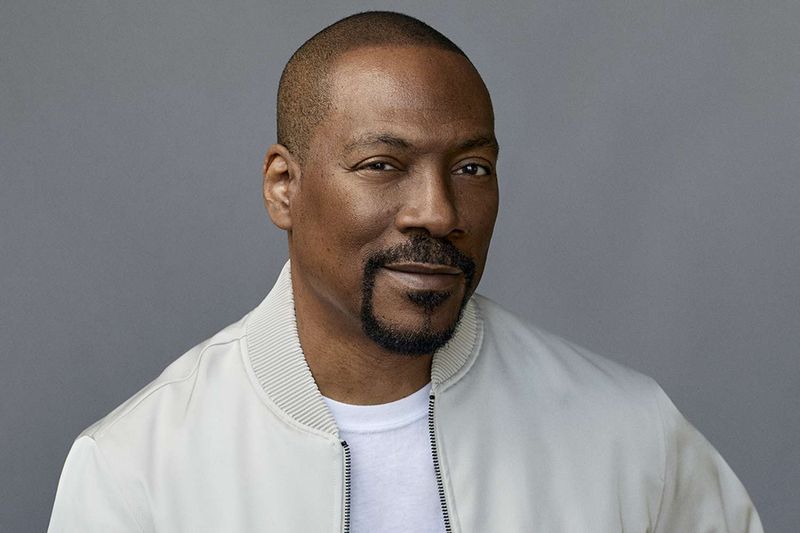
Back in the 1990s, Eddie Murphy was comedy royalty at Paramount Pictures.
He delivered massive hits that filled studio coffers for years.
But contract negotiations turned ugly when Murphy felt undervalued compared to white actors earning similar box office numbers.
Money wasn’t the only issue between them.
Murphy wanted more creative freedom for his projects, while executives preferred keeping tighter reins on content.
The comedian eventually took his talents elsewhere, signing deals with other studios that offered better terms.
Their falling-out lasted years before any reconciliation attempts.
Murphy’s departure marked a significant loss for Paramount during its comedy boom era.
3. Megan Fox
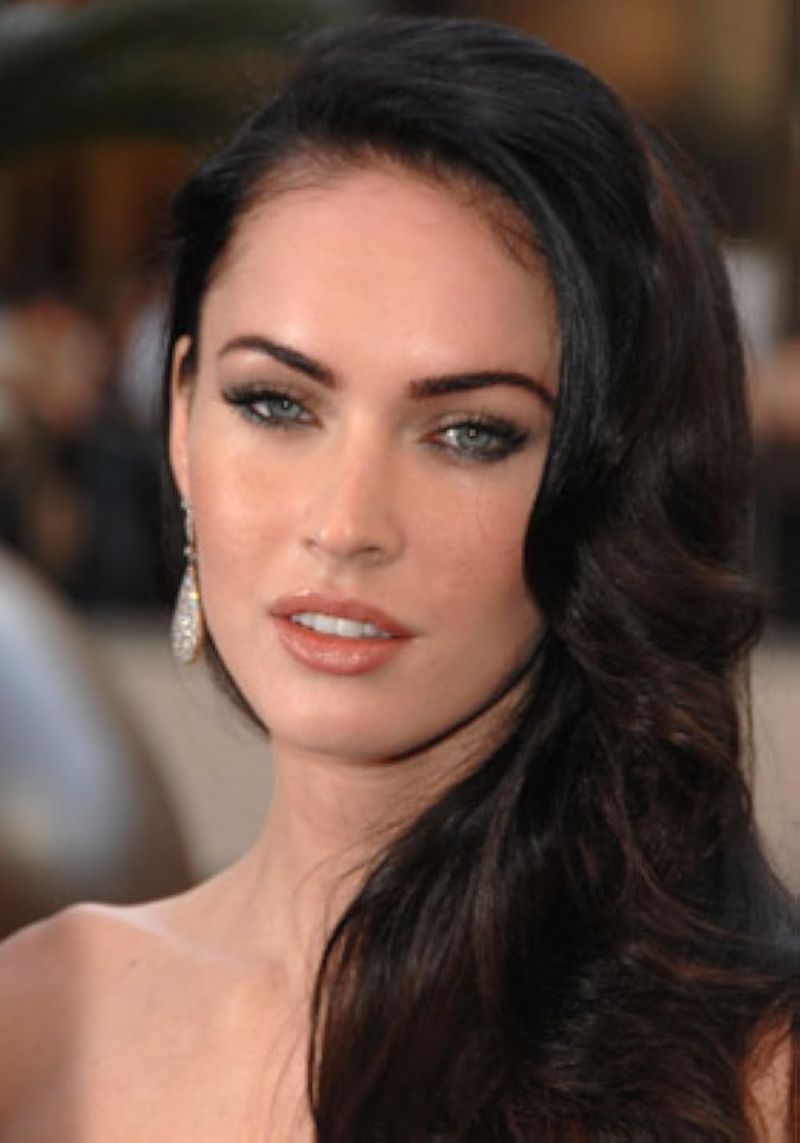
Megan Fox became a household name through Paramount’s Transformers franchise.
Her role as Mikaela Banes made her a global sensation overnight.
Everything changed when Fox compared director Michael Bay to historical dictators in an interview, creating massive controversy.
Paramount executives reportedly weren’t pleased with her comments.
The studio sided with Bay, and Fox mysteriously disappeared from the third Transformers film.
Sources suggest studio heads made it clear she wouldn’t return, effectively ending her involvement with the lucrative franchise.
Fox has since discussed feeling blacklisted after speaking her mind.
The incident became a cautionary tale about power dynamics in Hollywood and speaking against influential filmmakers.
4. Shia LaBeouf
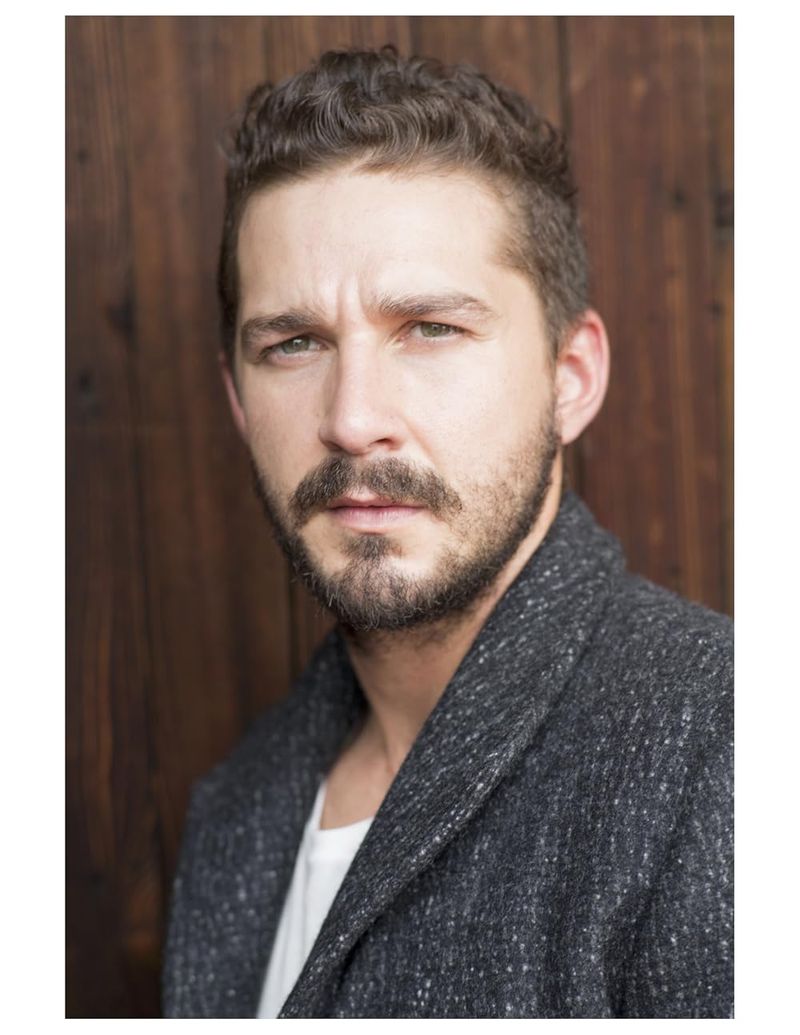
Shia LaBeouf starred in three Transformers movies for Paramount before things went sideways.
Unlike Fox’s dramatic exit, LaBeouf’s departure involved mutual frustration with the franchise’s direction.
He openly criticized the films in interviews, calling them shallow and lacking substance.
Paramount reportedly grew tired of his public complaints about their biggest moneymaker.
LaBeouf wanted meatier roles with deeper storylines, while the studio preferred sticking to the successful formula.
His increasingly erratic behavior off-screen didn’t help matters either.
The actor eventually walked away seeking indie projects with more artistic merit.
Paramount moved forward without him, recasting and continuing the franchise with new faces and fresh energy.
5. Brad Pitt

World War Z should have been a triumph for Brad Pitt and Paramount Pictures.
Instead, production became a nightmare filled with budget overruns and creative disputes.
Pitt’s production company clashed with studio executives over script rewrites and the film’s ending.
Reports indicate Paramount grew frustrated with mounting costs that ballooned well beyond original estimates.
Pitt insisted on quality over budget concerns, leading to heated arguments behind closed doors.
The entire third act got rewritten and reshot at enormous expense.
Though the movie eventually made money, the bitter experience soured their relationship.
Plans for sequels were discussed but never materialized, partly because neither side wanted to repeat that stressful collaboration.
6. Scarlett Johansson

Scarlett Johansson’s Ghost in the Shell faced immediate backlash for whitewashing concerns.
Paramount had high hopes for launching a new franchise with their A-list star.
The controversy over casting a white actress in an Asian role dominated all conversation about the film.
Behind the scenes, tension reportedly grew when Johansson felt unsupported by studio publicity efforts.
Paramount struggled to defend their casting choice while managing the public relations disaster.
The film bombed at the box office, losing millions for the studio.
Johansson has since expressed regret about accepting the role.
Her relationship with Paramount cooled considerably after this expensive flop, with no future projects materializing between them for quite some time.
7. Denzel Washington
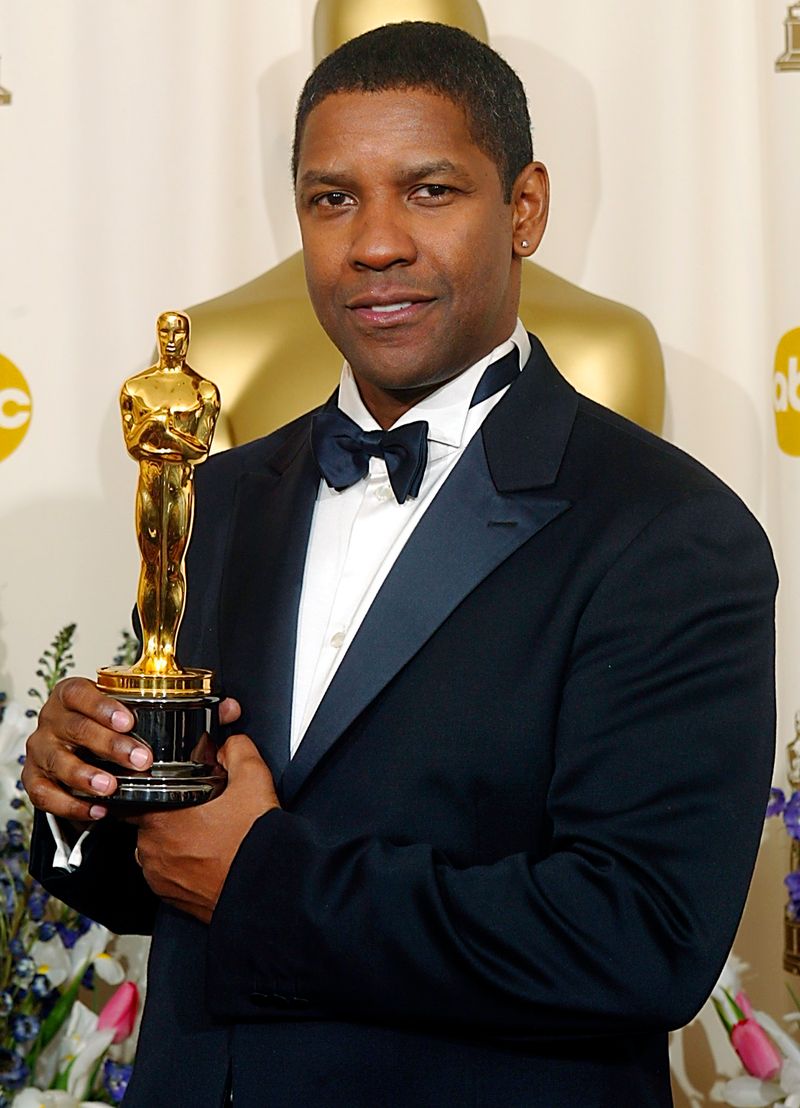
Denzel Washington has always been selective about his roles and protective of his image.
During negotiations for several Paramount projects in the 2000s, disagreements emerged over character portrayals and script approval rights.
Washington wanted final say on how his characters were depicted.
Studio executives reportedly resisted giving him that level of control.
They feared setting a precedent that could complicate future productions.
Washington chose to walk away rather than compromise his standards, taking his considerable star power to competing studios.
The standoff demonstrated Washington’s unwillingness to bend on principle.
Paramount lost opportunities to work with one of Hollywood’s most respected actors because neither side would budge on creative authority issues.
8. Jim Carrey
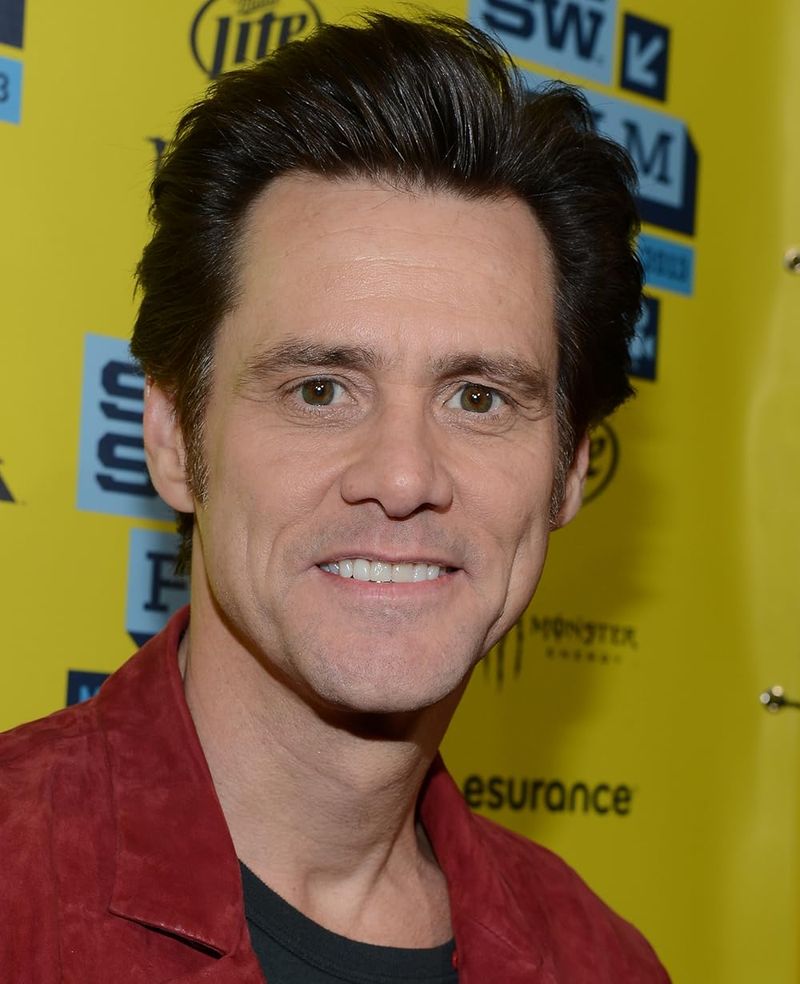
Jim Carrey commanded massive salaries during his comedy peak in the 1990s and early 2000s.
Paramount balked at his astronomical asking prices for potential projects, creating friction.
The studio felt even his box office draw couldn’t justify certain budget demands he was making.
Carrey’s career was also shifting toward more dramatic roles.
He wanted to break free from the wacky comedian typecast, but Paramount preferred bankable laughs.
This creative misalignment pushed both parties in different directions professionally.
Their relationship grew distant as Carrey explored serious acting opportunities elsewhere.
Paramount focused on finding new comedy stars who cost significantly less while still delivering ticket sales and audience enthusiasm.
9. Brendan Fraser
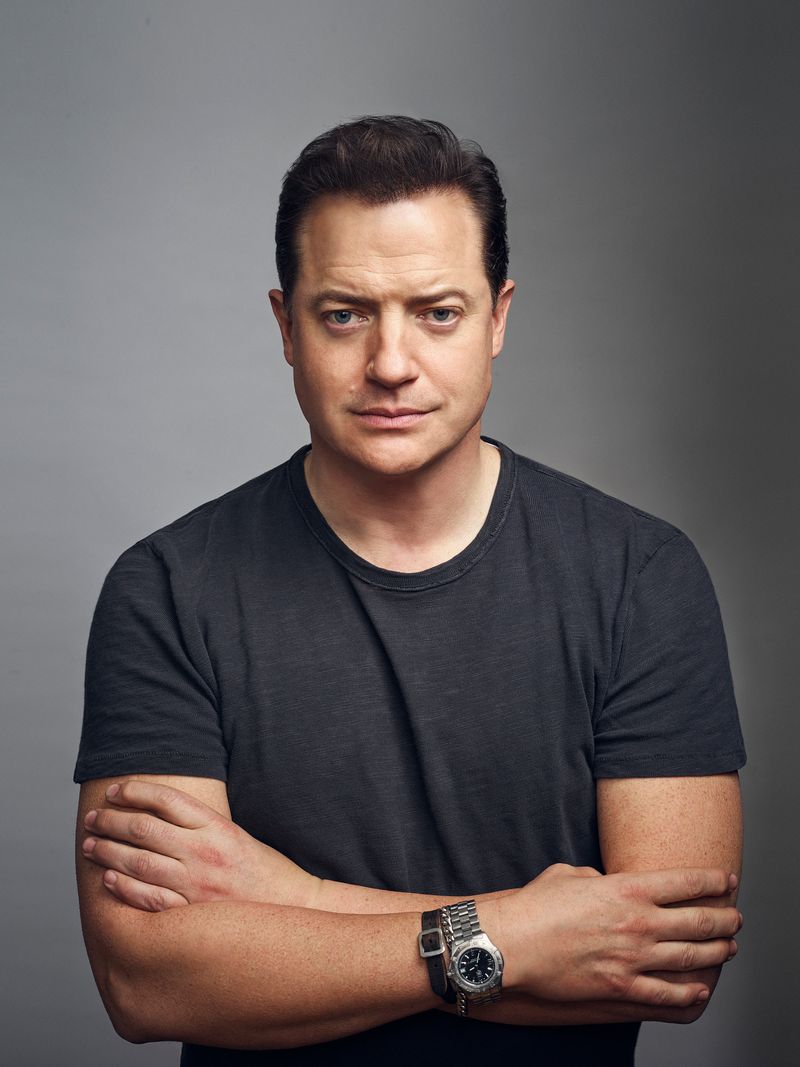
Brendan Fraser brought adventure magic to screens through The Mummy franchise for Universal, but Paramount also worked with him on several films.
When Fraser spoke publicly about being blacklisted after reporting sexual harassment, industry relationships changed dramatically.
Studios became cautious about association with his name.
Fraser’s career nosedived not from lack of talent but from speaking truth to power.
Paramount, like other studios, reportedly distanced themselves during his difficult years.
Projects that might have gone to Fraser went to other actors instead.
His recent comeback has been inspiring to watch.
Fraser’s honesty about Hollywood’s dark side may have cost him relationships with major studios, but it helped expose serious industry problems.
10. Lindsay Lohan
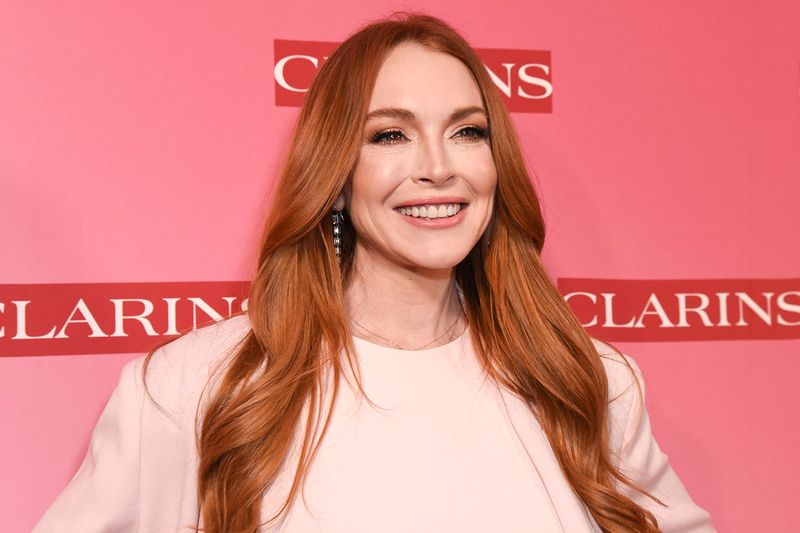
Lindsay Lohan was once Paramount’s golden girl after Mean Girls became a cultural phenomenon.
The studio hoped to build multiple franchises around her star power.
But Lohan’s personal struggles and legal troubles made her unreliable for productions.
Paramount executives grew frustrated with insurance issues and unpredictable behavior on sets.
Plans for sequels and new collaborations quietly disappeared.
The studio couldn’t risk millions on someone who might not show up or complete filming.
Mean Girls sequel discussions happened without Lohan for years.
Paramount moved on, finding other young actresses who brought less drama along with their talent and could be counted on professionally.
Comments
Loading…