
 Hailey Watson
The Surprising Differences Between Single Men and Single Women

Men and women approach single life in fascinating ways that might surprise you.
While stereotypes often paint broad pictures, real differences exist in how each gender handles dating, friendships, and daily routines.
Understanding these distinctions can help you relate better to friends, potential partners, or even yourself.
Whether you’re single or just curious, these insights reveal the unique patterns that shape how men and women experience life on their own.
1. Social Circle Maintenance

Women tend to invest heavily in maintaining their friendships when single.
They schedule regular meetups, send thoughtful texts, and plan group activities to stay connected.
This social investment creates a strong support network that helps them feel less lonely.
Men often let friendships fade without regular effort.
They might go weeks without reaching out to close friends, assuming the relationship remains strong regardless.
When they do connect, it’s usually for specific activities rather than deep conversations.
Research shows women make an average of seven social plans per month compared to men’s three.
This difference explains why single women often seem busier and more socially engaged than their male counterparts.
2. Dating App Behavior

Ever notice how differently people use dating apps?
Single women typically spend hours crafting the perfect bio and selecting photos that represent their personality.
They read entire profiles before swiping, looking for genuine compatibility and shared interests.
Men approach apps like a numbers game, swiping right on nearly everyone to maximize matches.
They often skip reading bios entirely, making snap judgments based purely on photos.
This strategy creates quantity over quality in their match lists.
The average woman swipes right on just 14% of profiles, while men approve roughly 46%.
This massive gap explains why dating app experiences feel completely different depending on your gender.
3. Living Space Priorities
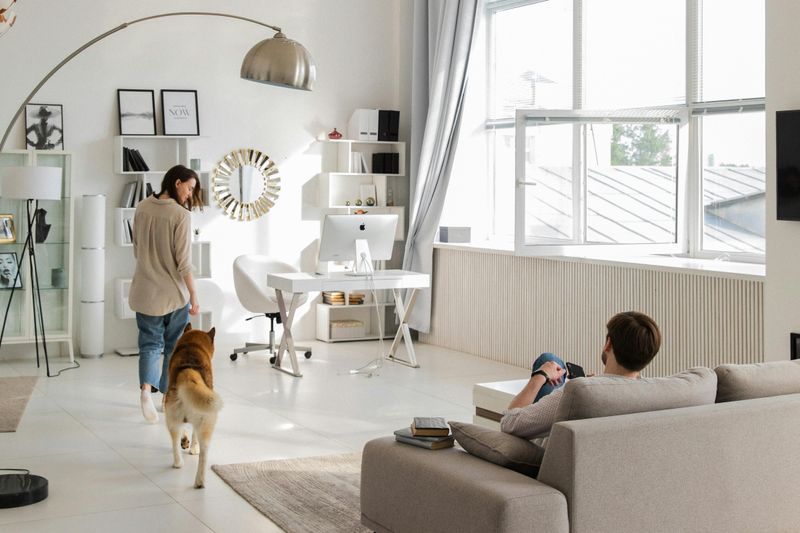
Walk into a single woman’s home and you’ll likely find decorative touches everywhere.
Throw pillows, candles, artwork, and plants transform her space into a personal sanctuary.
She views her apartment as an extension of herself worth investing in.
Most single men treat their living space as purely functional.
A couch, TV, and bed often constitute their entire furniture collection.
Walls stay bare, and decorations seem unnecessary since they’re “just going to move eventually.”
Studies reveal women spend three times more on home decor than men annually.
This difference reflects how each gender values their personal environment and comfort at home.
4. Emotional Processing Methods

When something bothers them, women immediately call their best friend.
Talking through emotions helps them process experiences and gain perspective.
They might discuss the same problem with multiple friends, each conversation helping them understand their feelings better.
Men prefer solitary activities to deal with emotions.
They hit the gym, play video games, or work on projects instead of talking.
Processing happens internally through distraction and physical activity rather than verbal expression.
Neither approach is wrong, just different.
Women average 90 minutes of emotional discussion weekly with friends, while men spend less than 20 minutes.
This gap shows fundamentally different coping mechanisms between genders.
5. Weekend Activity Choices

Saturday mornings find many single women at brunch spots, farmer’s markets, or yoga classes.
They structure weekends around social activities that combine self-improvement with friendship.
Every outing serves multiple purposes: exercise, networking, and enjoyment.
Single men often save energy for nighttime activities.
Their weekends revolve around sports events, bars, or gaming marathons with buddies.
Daytime hours might involve sleeping in, doing minimal chores, or watching TV.
Calendar analysis shows women book 60% of their weekend activities before noon, while men schedule 70% after 5 PM.
This timing difference reflects contrasting priorities about how to spend precious free time meaningfully.
6. Financial Spending Patterns

Single women allocate discretionary income toward experiences and self-care.
Hair appointments, skincare products, clothing, and dining out top their expense lists.
They view these purchases as investments in themselves that boost confidence and happiness.
Technology and entertainment dominate men’s spending habits.
Gaming systems, sports equipment, car upgrades, and gadgets receive priority funding.
They prefer buying tangible items that provide long-term utility or entertainment value.
Financial data reveals women spend 40% more on personal care annually, while men outspend women on electronics by 65%.
Both genders invest similar amounts overall, just in completely different categories that reflect their unique values and interests.
7. Communication Style Differences

Text a single woman and expect paragraphs filled with details, emojis, and follow-up questions.
She treats messaging as genuine conversation, sharing context and asking about your life.
Every exchange strengthens the connection between you.
Men send messages that could win awards for brevity. “Cool,” “Yeah,” and “K” constitute complete responses in their world.
They view texting as information transfer rather than relationship building, using minimal words to convey maximum meaning.
The average female text contains 42 words compared to 15 for males.
This three-fold difference frustrates both sides but stems from genuinely different views about communication’s purpose in relationships.
8. Friendship Dynamics

Female friendships thrive on vulnerability and sharing secrets.
Single women tell their friends everything, from dating disasters to career anxieties.
This openness creates deep emotional bonds that feel irreplaceable and provide constant support.
Men bond through shared activities rather than conversations.
Playing sports, working on cars, or gaming together builds their friendships without discussing feelings.
They know each other through actions and loyalty instead of words.
Friendship satisfaction rates stay equally high for both genders despite these differences.
Women report feeling “extremely close” to friends 20% more often, but men’s activity-based bonds prove just as meaningful and lasting over time.
9. Self-Care Routine Investment

A typical single woman’s bathroom resembles a spa with serums, masks, and specialized products for every body part.
Her morning routine might take 45 minutes, incorporating skincare steps that seem like science experiments.
She researches ingredients and follows beauty influencers religiously.
Most men own three items: soap, shampoo, and maybe deodorant.
Their entire routine finishes in under five minutes, using the same bar of soap everywhere.
They consider elaborate skincare routines unnecessary and confusing.
Beauty industry statistics confirm women purchase 85% of personal care products.
This overwhelming majority reflects genuine differences in how each gender approaches grooming and self-maintenance daily.
10. Future Planning Approaches

Single women often have detailed five-year plans covering career milestones, relationship goals, and life achievements.
They set specific timelines for when they want certain things to happen, creating pressure but also direction.
This planning helps them feel in control of their future.
Men tend to adopt a “see what happens” mentality about the future.
They have general ideas about what they want but resist strict timelines or detailed planning.
This flexibility reduces stress but sometimes leads to drifting without clear direction.
Surveys show 68% of single women have written life goals compared to 34% of men.
Both approaches have merit, balancing structure with spontaneity in their own ways.
Comments
Loading…