
 Hailey Watson
What Happens When You Have No Friends as an Adult? 10 Honest Stories

Growing up, we’re surrounded by friends at school, at parties, and in our neighborhoods.
But as adults, many people find themselves with fewer and fewer close connections until one day they realize they have no real friends at all.
This isolation affects millions of adults who struggle in silence, wondering if something is wrong with them.
Here are ten honest experiences from people who’ve faced the reality of having no friends in adulthood.
1. Your Weekends Become Painfully Quiet

Friday nights used to mean excitement and plans.
Now they just signal the start of two long days with nothing scheduled and nobody calling.
You scroll through social media seeing everyone else at brunches, barbecues, and gatherings.
Meanwhile, your calendar stays blank.
You fill the hours with chores, television marathons, and errands that could wait.
Sunday evenings bring a strange mix of relief and dread.
The lonely weekend finally ends, but you’re heading back to a work week where you’re surrounded by people yet still feel completely alone.
The cycle repeats itself every seven days without change.
2. You Start Having Full Conversations with Yourself

At first, it’s just thinking out loud while making decisions.
Should I wear the blue shirt or the gray one?
Did I remember to pay that bill?
Before long, you’re narrating your entire day to yourself.
You debate topics, tell yourself jokes, and even argue different viewpoints on issues.
Your pet becomes your most frequent conversation partner, and you genuinely wait for their response.
Sometimes you catch yourself mid-sentence and feel embarrassed, even though nobody’s around to judge.
The silence in your home feels so heavy that your own voice becomes the only way to fill it.
It’s not crazy, you tell yourself.
It’s just coping.
3. Simple Social Interactions Feel Like Mountains to Climb
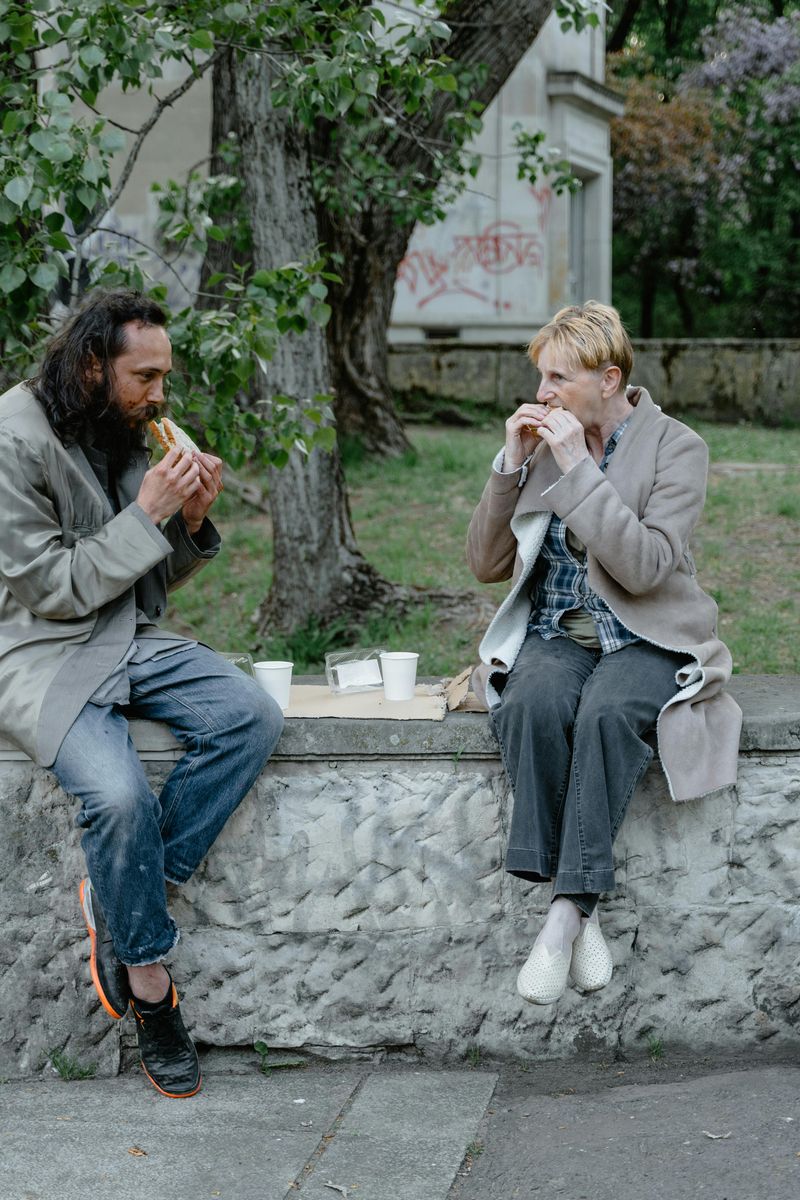
Making small talk with the cashier at the grocery store becomes your biggest social challenge of the week.
Your heart races.
Your palms sweat.
You rehearse simple sentences in your head before speaking.
You avoid events, parties, and gatherings because the thought of walking into a room full of strangers terrifies you.
Even accepting a casual lunch invitation from a coworker feels overwhelming.
What will you talk about?
What if there are awkward silences?
Your social muscles have weakened from lack of use.
Every interaction requires energy you don’t have, so you retreat further into isolation, which only makes the anxiety grow stronger and the mountain taller.
4. Your Family Bears the Weight of All Your Social Needs

Your mom becomes your best friend, your therapist, and your social calendar.
You call her multiple times a day about everything and nothing.
She listens patiently, but you can hear the worry in her voice.
Family gatherings become your only social outings, and you cling to them desperately.
You stay longer than everyone else, reluctant to return to your empty apartment.
Your siblings start to notice how much you depend on these events for human connection.
The burden on your family feels unfair, but you don’t know where else to turn.
They love you, but they can’t fill every social need.
You know this imbalance isn’t healthy for anyone involved.
5. Work Colleagues Become Your Entire Social Circle

Monday mornings stop feeling terrible because at least you’ll be around people.
You volunteer for every team project and linger by the coffee machine hoping someone will chat.
You know way too much about your coworkers’ lives because you listen intently to every story.
You laugh too hard at their jokes and jump at every happy hour invitation, even though you know these relationships stay surface-level.
When Friday arrives, you feel genuinely sad.
The worst part?
You realize most colleagues are just being polite.
They have their own friends outside work.
You’re just the person from accounting who tries too hard.
Still, it’s better than going home to silence.
6. Online Relationships Start Feeling More Real Than Face-to-Face Ones

You spend hours in online forums, Discord servers, and gaming communities.
These strangers scattered across the world know more about your daily struggles than anyone in your physical life.
Their usernames feel more familiar than the neighbors you pass without greeting.
You celebrate your online friends’ wins and comfort them through losses.
Time zones don’t matter when you’re always available.
Sure, you’ve never met them in person, but does that make the connection less valid?
Deep down, you wonder if these relationships would survive outside the digital space.
Probably not.
But for now, they’re keeping you afloat, and that’s enough to ignore the nagging feeling that something’s missing.
7. Your Confidence in Social Settings Slowly Disappears

You used to be funny, interesting, and engaging.
Now you second-guess every word before it leaves your mouth.
Did that joke land?
Was that story too boring?
Why did they look away when you were talking?
You analyze every social interaction afterward, picking apart everything you said and did wrong.
The fear of rejection becomes so strong that you stop trying altogether.
It feels safer to say nothing than risk saying the wrong thing.
Your personality feels like it’s shrinking.
The confident person you remember being seems like a different lifetime.
Now you’re just someone who stands in the corner, watching others connect effortlessly while you’ve forgotten how.
8. Holidays Highlight Your Isolation More Than Any Other Time

Thanksgiving, Christmas, New Year’s Eve—these dates mock you from the calendar.
While everyone posts photos of parties and gatherings, you’re watching movies alone, pretending the holidays are just regular days.
They’re not, though, and you feel it deeply.
You might attend family events, but you’re the only one without a plus-one or friend group to mention.
People ask about your social life with concerned faces, and you deflect with vague answers.
The pity in their eyes stings worse than the loneliness.
January arrives as a relief.
Regular days don’t carry the same expectations.
You can blend back into anonymity without the spotlight on your isolation.
Ten months until you have to face it all again.
9. You Wonder If You’re Fundamentally Unlikeable

The question keeps you awake at night: What’s wrong with me?
Everyone else seems to make friends easily.
They laugh together, text each other, make plans.
You watch it happen all around you while remaining on the outside.
You replay past friendships that faded away, searching for clues about what you did wrong.
Were you too clingy?
Too distant?
Too boring?
Too much?
Maybe you have some invisible flaw that everyone can see except you.
The cruelest thought arrives on particularly dark days—maybe you’re simply not worth befriending.
Maybe you don’t bring enough value to other people’s lives.
This belief becomes a heavy weight that makes reaching out feel pointless.
Why try when you’re convinced you’ll fail?
10. You Eventually Find Peace in Your Own Company

Something shifts after enough time alone.
Maybe it’s acceptance, maybe it’s growth, but you stop fighting the solitude so hard.
You discover hobbies that genuinely interest you, not just ways to pass time.
Reading, hiking, creating—activities that feel fulfilling without requiring anyone else.
You learn that being alone doesn’t automatically mean being lonely.
There’s freedom in making decisions without compromise, in moving at your own pace through life.
Your self-worth slowly detaches from how many people like you.
This doesn’t mean you’ve given up on connection.
You’re just no longer desperate for it.
You’ve become your own friend first, and that foundation feels surprisingly solid.
If real friendships come later, great.
If not, you’ll be okay anyway.
Comments
Loading…