
 Hailey Watson
13 Careers That Can Spark Debate in Relationships — Do You Agree?

Some jobs can create tension between couples, sparking conversations that range from excitement to worry.
Whether it’s the long hours, travel demands, or the nature of the work itself, certain careers come with unique challenges that affect relationships.
Partners may feel differently about job risks, time apart, or social situations that arise from these professions.
Let’s explore thirteen careers that often stir up strong feelings and see if you agree with the debate they create.
1. Military Service Member
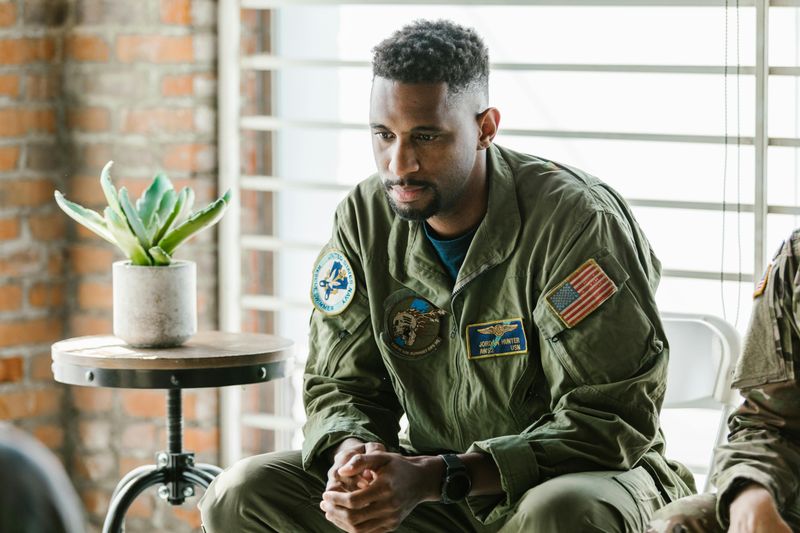
Long deployments overseas mean months apart, sometimes with limited communication.
Military families face constant moves, missed birthdays, and the anxiety of having a loved one in potentially dangerous situations.
The unpredictability makes planning a future together difficult.
Partners must be incredibly flexible and emotionally resilient.
Many couples thrive despite these challenges, but the lifestyle demands serious commitment.
Some people admire the service and sacrifice, while others worry about the toll on family life.
The debate often centers on whether the pride outweighs the hardship.
2. Police Officer

Every shift brings potential danger, leaving partners at home wondering if their loved one will return safely.
The stress of constant exposure to crime and violence can affect mental health and home dynamics.
Irregular hours, including nights, weekends, and holidays, disrupt family routines.
Officers may struggle to leave work stress at the station, bringing emotional baggage home.
Trust issues sometimes arise when working with partners of the opposite gender.
The debate splits between those who respect the noble profession and those concerned about the emotional and physical risks involved.
It’s not an easy conversation.
3. Bartender

Late-night hours mean working when most people are asleep and sleeping when others are awake.
Bartenders often work weekends and holidays, making quality time with partners tricky to coordinate.
The job involves constant interaction with people who are drinking, sometimes leading to flirtation or uncomfortable situations.
Jealousy can become an issue when one partner spends nights surrounded by party-goers.
The atmosphere itself—loud music, alcohol, and nightlife culture—isn’t everyone’s comfort zone.
While some see it as fun and social, others view it as problematic for maintaining healthy relationship boundaries and schedules.
4. Flight Attendant
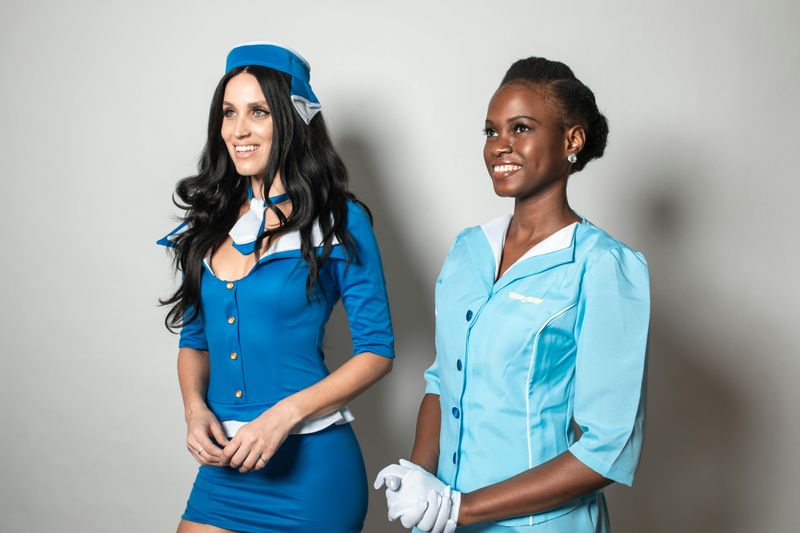
Jet-setting across time zones sounds glamorous, but it means being away from home for days at a stretch.
Flight attendants miss important events, anniversaries, and everyday moments that build intimacy in relationships.
The constantly changing schedule makes it hard to establish routines or plan trips together.
Time zone differences complicate even basic phone calls.
Physical exhaustion from flying can impact energy levels for quality time when home.
Partners must be independent and secure, as the traveling lifestyle creates natural distance.
Some embrace the adventure, while others find the separation too challenging to handle comfortably.
5. Trial Lawyer

Billable hours often exceed sixty per week, consuming time that could be spent nurturing relationships.
High-stress cases bring work anxieties home, affecting mood and availability for meaningful conversations.
The competitive nature of law can create driven personalities that prioritize career advancement over personal life.
Last-minute trial preparations mean canceled plans and unpredictable schedules.
The financial rewards are substantial, but money doesn’t replace presence.
Arguments often arise about work-life balance.
Partners debate whether the prestige and income justify the sacrifice of time together and emotional energy spent on demanding cases.
6. Politician

Public scrutiny extends beyond the politician to their entire family, putting relationships under a microscope.
Every decision, statement, or mistake becomes fodder for media and opponents, creating constant pressure.
Campaign seasons demand grueling schedules with travel, fundraising events, and public appearances.
Personal life takes a back seat to public service and political strategy.
Privacy becomes nearly impossible when cameras and reporters follow everywhere.
The ethical dilemmas and controversial positions can strain relationships, especially when partners disagree politically.
Many question whether the public service is worth the personal sacrifice and exposure that comes with it.
7. Actor or Actress

Romantic scenes with co-stars can trigger jealousy, even when both partners understand it’s just acting.
The entertainment industry involves long filming schedules, often in distant locations for months at a time.
Fame brings attention from fans and paparazzi that invades personal space and privacy.
Auditions mean constant rejection, which can affect self-esteem and mood at home.
Income fluctuates wildly between projects, creating financial uncertainty.
Partners must trust deeply and handle public attention maturely.
The lifestyle appeals to some but overwhelms others who prefer stability and anonymity in their relationships.
8. Professional Athlete

Training schedules are rigorous and non-negotiable, leaving little flexibility for spontaneous plans or romantic getaways.
Travel for games and competitions means extended time apart during seasons.
The physical demands take a toll on the body, potentially affecting long-term health and quality of life after retirement.
Fame and attention from fans, especially attractive ones, can create trust concerns.
Career longevity is short, requiring couples to plan for life after sports early.
The spotlight and pressure to perform create unique stresses.
Partners debate whether the excitement and financial rewards compensate for the demanding lifestyle and uncertain future.
9. Travel Blogger or Influencer

Constant travel to photogenic destinations sounds dreamy but means rarely being home to build stability.
Relationships require presence, and always being on the move makes that nearly impossible.
The job requires documenting personal moments for public consumption, reducing privacy and authenticity.
Income depends on brand deals and follower counts, which can be unpredictable and stressful.
Partners may feel like props in content rather than equals in the relationship.
Jealousy can arise when one person gets to explore exciting places while the other works a regular job.
The nomadic lifestyle divides opinions sharply between adventure-seekers and home-lovers.
10. Surgeon or Emergency Room Doctor

Saving lives is noble, but the job comes with brutal hours and unpredictable on-call schedules.
Emergencies don’t wait for convenient times, meaning missed dinners, vacations, and important family events regularly.
The emotional weight of losing patients or making life-or-death decisions affects mental health.
Exhaustion from long shifts can make doctors irritable or emotionally unavailable at home.
The intensity of the work creates a divide between those who understand and those who don’t.
While the career commands respect and provides financial security, partners often struggle with feeling like they’re always second priority to the hospital and patients.
11. Firefighter

Running into burning buildings while others run out takes immense courage but creates constant worry for loved ones.
Twenty-four-hour shifts mean being away overnight regularly, disrupting normal couple routines and family time.
The physical danger is real and ever-present, keeping partners on edge during every shift.
Firehouse culture involves close bonds with crew members that sometimes feel exclusive to outsiders.
Post-traumatic stress from witnessing tragic scenes can surface in unexpected ways at home.
People respect the heroism but question whether they could handle the anxiety of waiting for their partner to come home safely after each shift.
12. Night Shift Nurse

Working overnight reverses the normal sleep schedule, making synchronizing life with a day-working partner extremely challenging.
When one person is awake, the other is sleeping, limiting shared time together significantly.
The physical and mental exhaustion from caring for sick patients all night affects energy levels on days off.
Healthcare work exposes nurses to illness and disease, bringing potential health risks home.
Holidays and weekends become regular work days, meaning celebrations happen separately or not at all.
The sacrifice deserves admiration, but the lifestyle reality of opposite schedules creates frustration.
Couples debate whether they can sustain connection despite living on different clocks.
13. Traveling Sales Representative
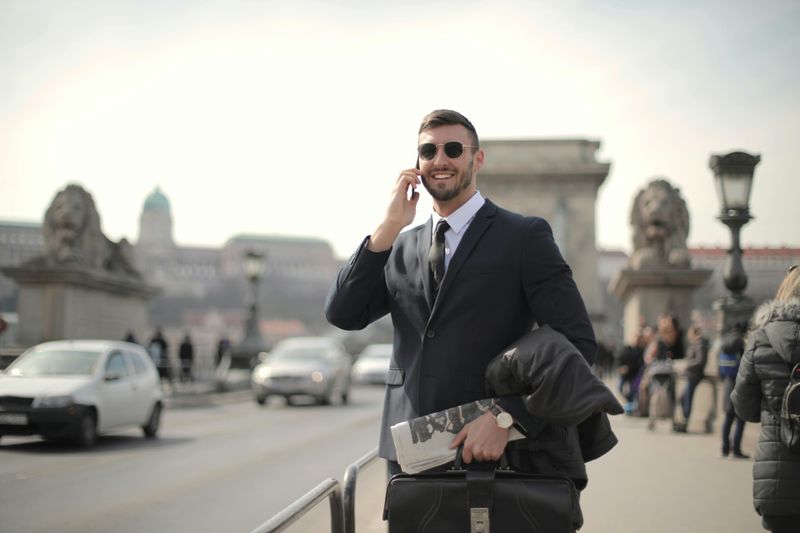
Living out of suitcases and hotel rooms for weeks each month makes maintaining a home base feel pointless.
Relationships need regular face-to-face contact to stay strong, and business travel makes that incredibly difficult.
Different cities every week mean constantly adapting to new time zones and schedules.
The distance creates opportunities for miscommunication and feelings of disconnect.
Commission-based income can fluctuate, adding financial stress on top of physical separation.
Video calls and texts can’t replace actual presence and touch.
Partners struggle with loneliness and question whether the career benefits justify the relational costs of perpetual absence and distance.
Comments
Loading…