
 Mila Ross
10 Famous Songs You Didn’t Know Were Actually Covers (The Originals Are Better)
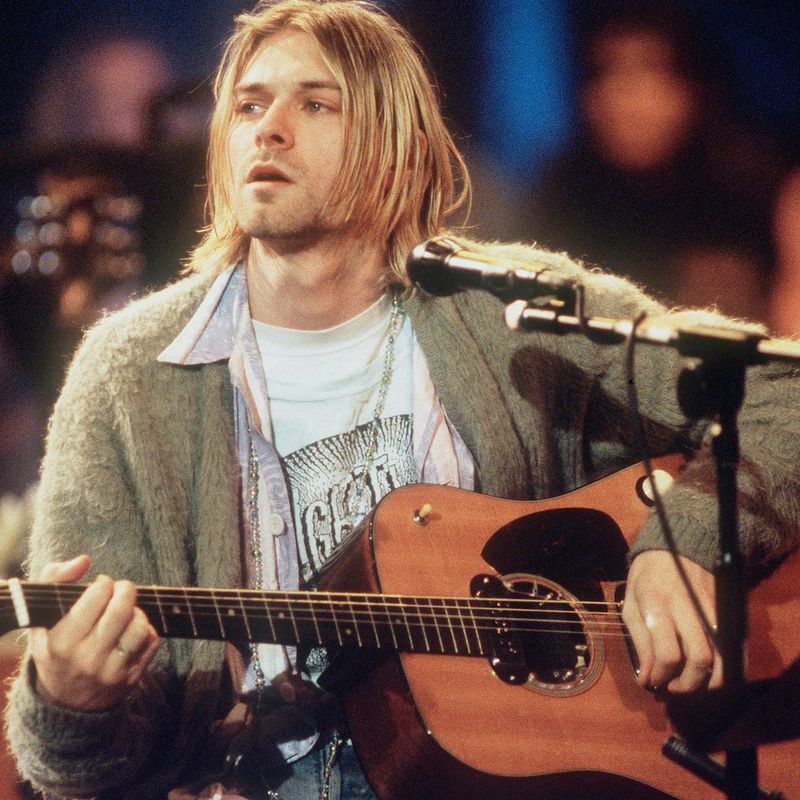
Music history is full of surprises, and one of the biggest might be learning that your favorite hit song was actually someone else’s idea first.
Many chart-topping tracks we know and love are actually cover versions of earlier recordings that often get forgotten over time.
While the famous versions grabbed all the attention and radio play, the original artists deserve credit for creating these masterpieces.
Get ready to discover the true origins of ten iconic songs and why the first recordings might just be better than what you remember.
1. I Will Always Love You – Originally by Dolly Parton (1974)

Whitney Houston’s powerhouse 1992 rendition became a global phenomenon, but Dolly Parton wrote and recorded this emotional ballad nearly two decades earlier.
Parton’s version strips away the dramatic vocals and showcases the song’s raw vulnerability.
The country legend composed it as a farewell to her former business partner Porter Wagoner.
Her gentle, heartfelt delivery allows the lyrics to shine without overwhelming orchestration.
While Houston’s interpretation dominated the charts, Parton’s original captures a bittersweet tenderness that feels more intimate and genuine.
The stripped-down arrangement lets every word breathe, creating a deeply personal listening experience that resonates differently than the movie soundtrack version most people know today.
2. Respect – Originally by Otis Redding (1965)
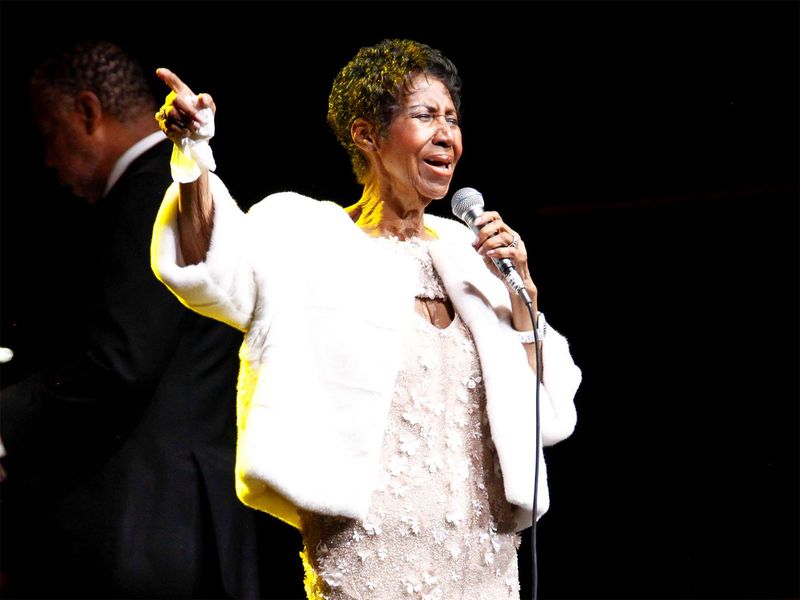
Aretha Franklin transformed this into a feminist anthem in 1967, but Otis Redding wrote and recorded it first from a completely different perspective.
His version tells the story from a working man’s viewpoint, demanding respect when he comes home.
Redding’s soulful, pleading vocals carry an earnest desperation that hits differently than Franklin’s commanding delivery.
The original arrangement feels grittier and more urgent, with horns that punch harder.
Many music historians argue that Redding’s raw emotion and the song’s original context make it superior.
His performance showcases pure soul music at its finest, before the track became primarily associated with women’s empowerment movements and lost some of its initial masculine vulnerability.
3. Girls Just Want to Have Fun – Originally by Robert Hazard (1979)
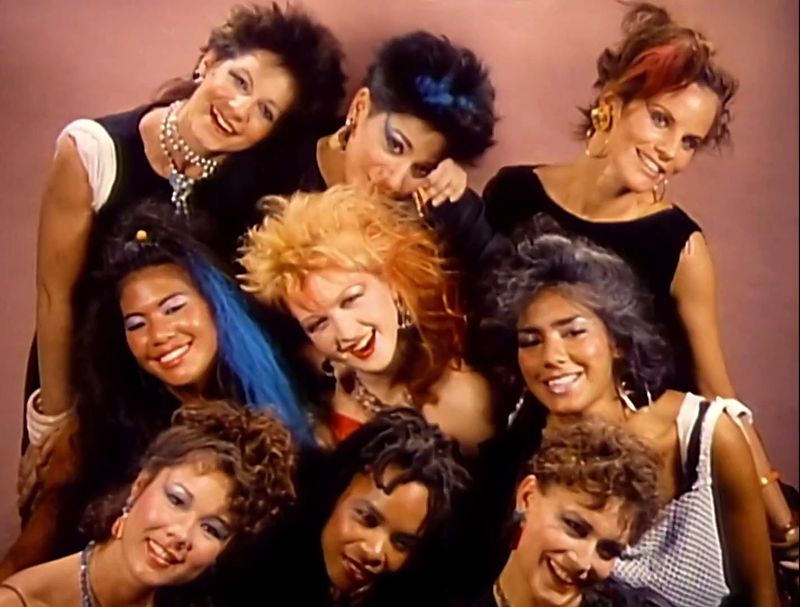
Before Cyndi Lauper turned this into a colorful 1980s pop anthem, Robert Hazard wrote it as a cynical, darker commentary on relationships.
His 1979 demo version comes from a male perspective with completely different energy.
Hazard’s recording has a rougher edge, almost punk-like quality that contrasts sharply with Lauper’s bubbly interpretation.
The lyrics take on an entirely different meaning when sung by a man critiquing shallow female behavior.
Some argue the original’s sarcastic tone and stripped-down production make it more interesting artistically.
Hazard’s version challenges listeners instead of entertaining them, offering social commentary rather than feel-good vibes.
It’s fascinating how the same words can create opposite messages depending on who performs them.
4. Hound Dog – Originally by Big Mama Thornton (1952)
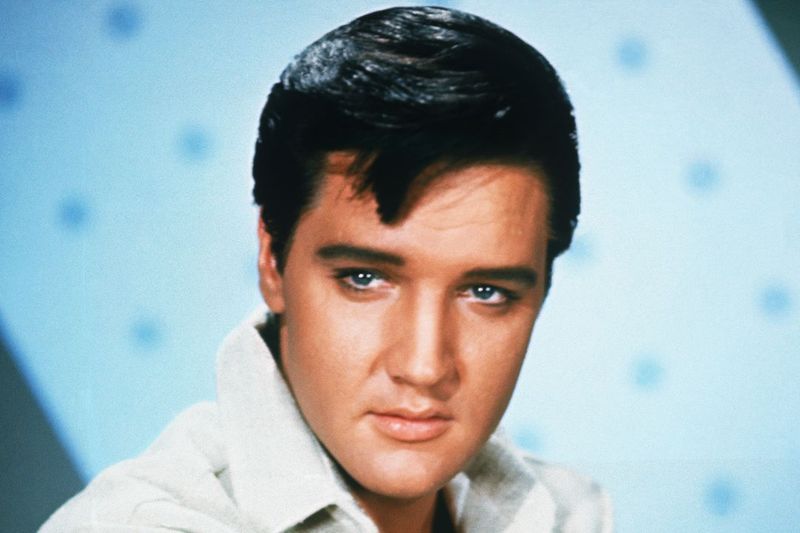
Elvis Presley’s 1956 rock and roll version became legendary, but Willie Mae “Big Mama” Thornton owned this song first with ferocious blues power.
Her recording topped the R&B charts and established the track as a blues classic.
Thornton’s growling vocals and commanding presence give the song a threatening quality that Elvis’s playful version lacks.
She sounds genuinely angry, not just performing anger for entertainment.
The original arrangement features grittier instrumentation that captures authentic blues tradition.
Thornton wrote additional lyrics and made the song her own before Presley reimagined it for mainstream audiences.
Her version packs more authentic emotion and showcases a groundbreaking female artist who deserves far more recognition than history has given her contributions to music.
5. Tainted Love – Originally by Gloria Jones (1964)
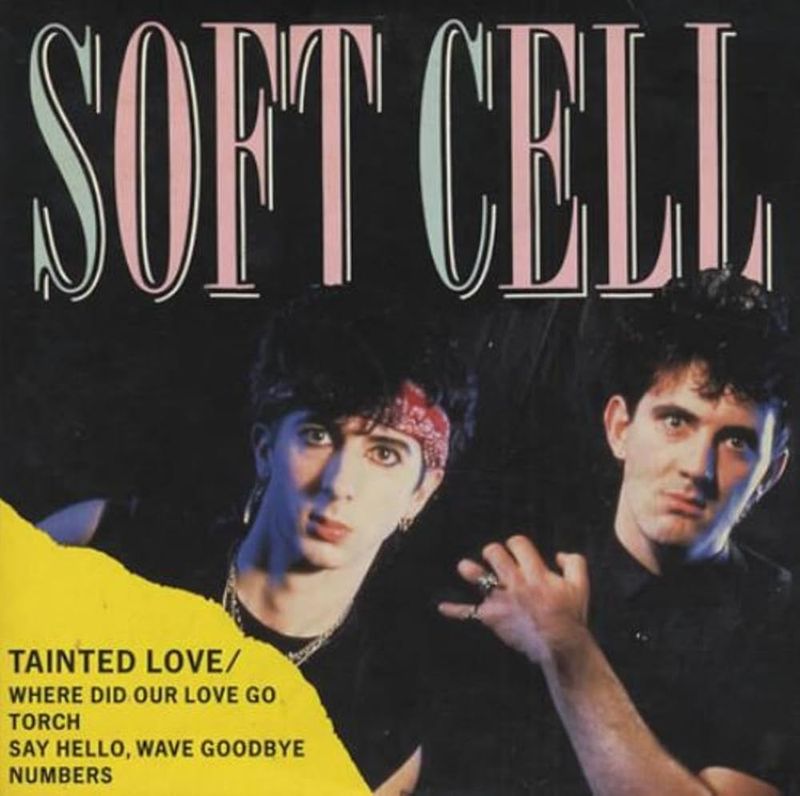
Soft Cell’s 1981 synth-pop version dominated MTV and new wave playlists, but Gloria Jones crafted this as a northern soul masterpiece seventeen years earlier.
Her version never charted in America despite becoming a UK dance floor favorite.
Jones delivers the lyrics with passionate intensity that makes the electronic cover seem cold by comparison.
Her vocal runs and emotional depth showcase real heartbreak rather than detached coolness.
The original’s horn section and driving rhythm capture the energy of 1960s soul music perfectly.
While Soft Cell created an iconic sound for the 1980s, Jones’s recording remains the superior artistic achievement for those who appreciate classic soul.
Her powerful performance demonstrates why this song deserved attention long before synthesizers made it famous worldwide.
6. All Along the Watchtower – Originally by Bob Dylan (1967)
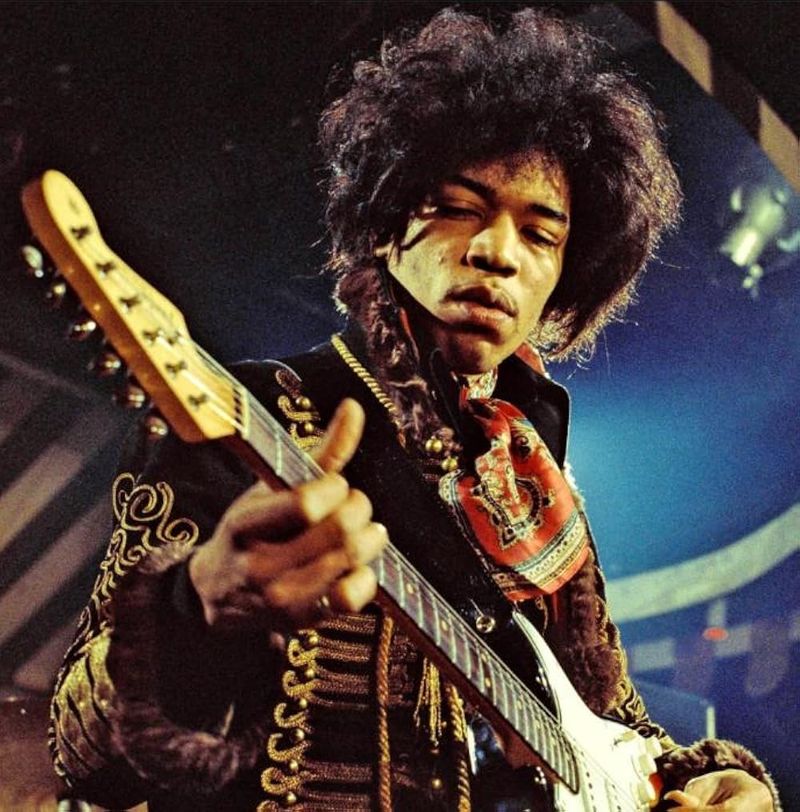
Jimi Hendrix transformed this into a psychedelic rock masterpiece in 1968, and even Dylan started performing it Hendrix’s way.
However, Dylan’s sparse original carries a mysterious quality that the electric version can’t replicate.
The acoustic arrangement on John Wesley Harding creates an eerie, apocalyptic atmosphere.
Dylan’s understated vocal delivery makes the cryptic lyrics even more haunting and ambiguous.
Some Dylan purists argue the original’s minimalist approach better serves the song’s biblical imagery and symbolic meaning.
Without distorted guitars overwhelming everything, listeners can focus on the storytelling and poetic wordplay.
Hendrix created something amazing, but Dylan’s version offers subtlety and restraint that rewards repeated listening in ways the louder interpretation simply cannot match.
7. Twist and Shout – Originally by The Isley Brothers (1962)
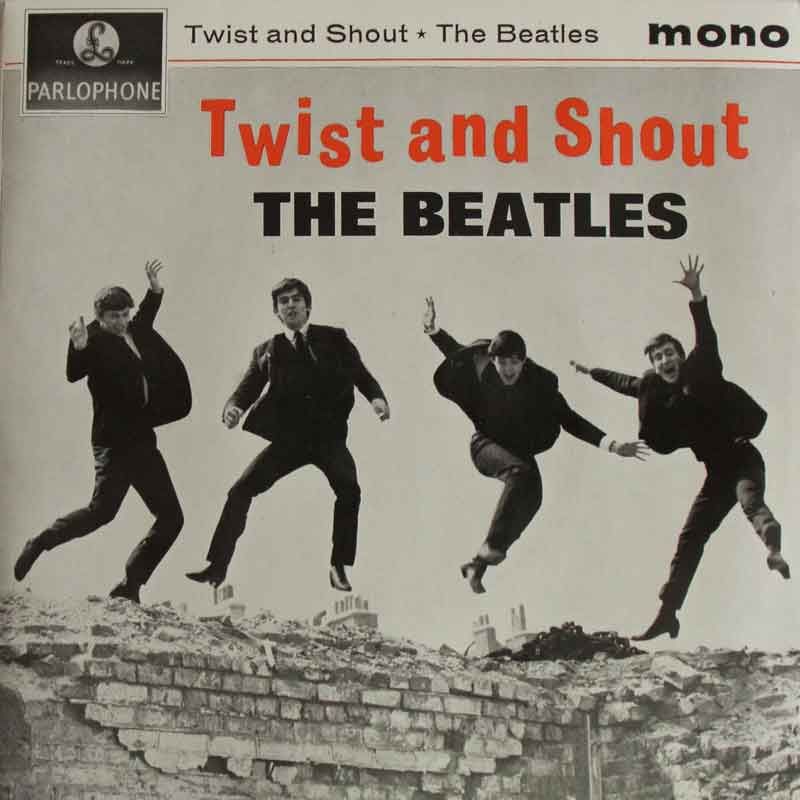
The Beatles made this a British Invasion staple in 1963, but The Isley Brothers recorded it first with incredible vocal firepower.
Their version reached number two on the R&B charts and showcased authentic soul energy.
Ronald Isley’s lead vocals demonstrate technical skill and raw passion that John Lennon’s raspy performance doesn’t quite match.
The original arrangement features tighter musicianship and more sophisticated harmonies throughout.
While The Beatles’ version became more famous globally, the Isley Brothers’ recording remains the definitive version for R&B enthusiasts.
Their interpretation captures the excitement of early 1960s soul music before British bands repackaged American sounds for worldwide audiences.
Listen closely and you’ll hear why these brothers deserved the recognition that often went elsewhere.
8. Torn – Originally by Ednaswap (1995)
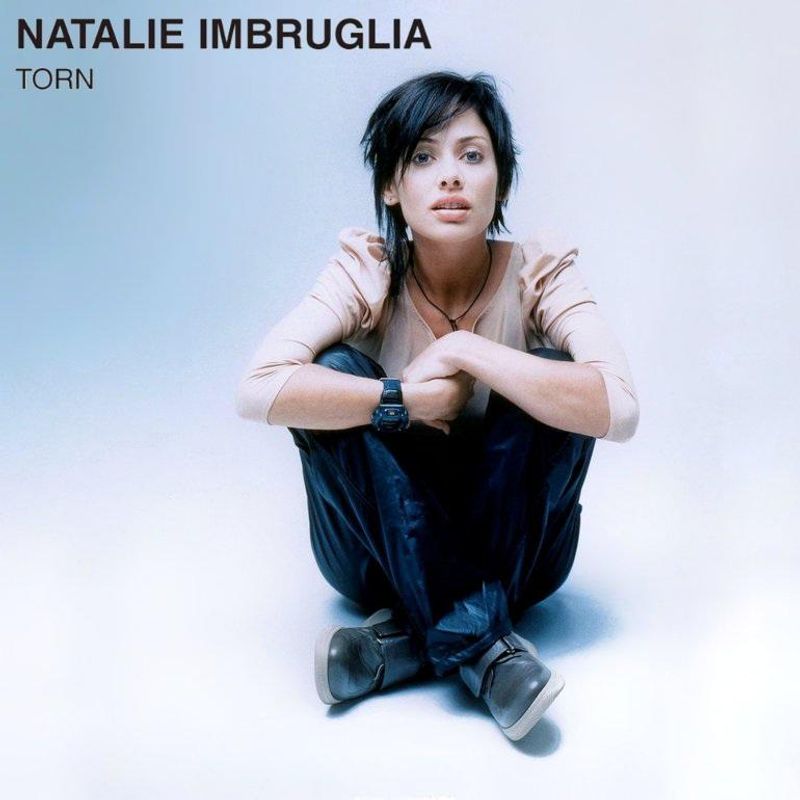
Natalie Imbruglia’s 1997 pop version launched her career and dominated radio, but the alternative rock band Ednaswap wrote and recorded it first.
Lead singer Anne Preven co-wrote the lyrics about her own relationship struggles.
Ednaswap’s grungier arrangement gives the song more edge and authenticity.
Preven’s vocal delivery sounds less polished but more emotionally genuine than Imbruglia’s slick production.
The original captures mid-1990s alternative rock aesthetics perfectly, with guitar work that the pop version sanitized.
While Imbruglia created a catchy radio hit, Ednaswap’s version feels like real people expressing actual pain rather than manufactured emotion.
It’s a shame the band never received proper credit when most listeners assumed Imbruglia wrote this deeply personal song about her own life experiences.
9. The Man Who Sold the World – Originally by David Bowie (1970)
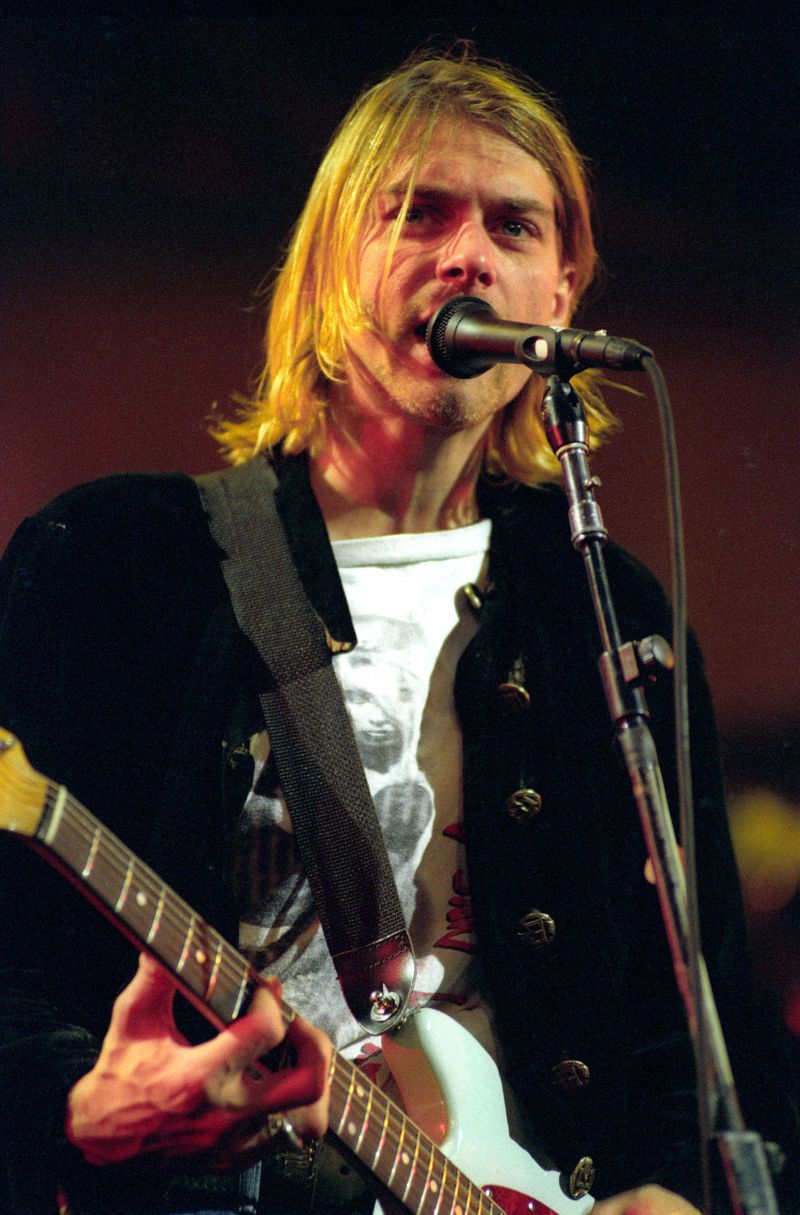
Nirvana’s haunting acoustic performance on MTV Unplugged in 1993 introduced this song to a new generation, but David Bowie created it over two decades earlier.
Bowie’s original version appeared on his third album with heavy guitar and psychedelic elements.
The 1970 recording features Mick Ronson’s blistering guitar work and a harder rock sound.
Bowie’s vocal performance carries theatrical flair that Kurt Cobain’s stripped-down approach deliberately avoided.
Many Bowie fans argue the original’s fuller arrangement and complex production make it superior artistically.
While Nirvana’s version achieved wider recognition, Bowie’s interpretation showcases his songwriting genius at full power.
The original’s mysterious atmosphere and layered instrumentation create a richer listening experience that rewards fans who explore beyond the famous acoustic cover everyone knows.
10. Killing Me Softly With His Song – Originally by Lori Lieberman (1971)
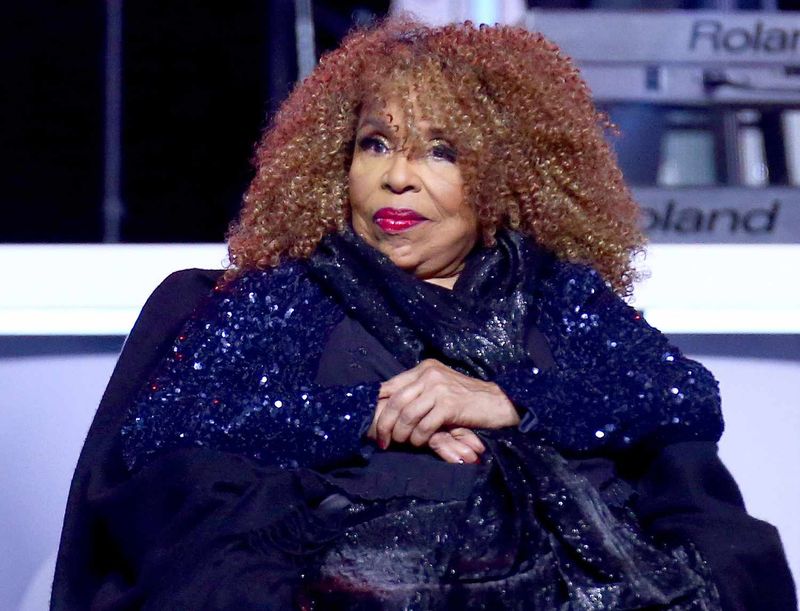
Roberta Flack’s 1973 version won Grammy awards and became a soul classic, but Lori Lieberman inspired and first recorded this deeply personal ballad.
She wrote it after watching Don McLean perform, feeling he somehow knew her innermost thoughts.
Lieberman’s delicate folk arrangement matches the song’s intimate lyrics perfectly.
Her gentle voice captures vulnerability without the dramatic flair that later versions added for commercial appeal.
The original maintains a hushed quality that feels like overhearing someone’s private confession.
While Flack created something beautiful, Lieberman’s version preserves the authentic moment that inspired the song’s creation.
Her understated performance lets the poetic lyrics speak for themselves without overwhelming production choices that sometimes distract from the core emotional message she originally conveyed so purely.
Comments
Loading…