
 Hailey Watson
12 Trends in Childhood Education and Parenting That Raise Questions

Modern parents face more choices than ever before when it comes to raising and educating their children.
From controversial discipline methods to debates about screen time, new trends emerge almost daily that promise better outcomes for kids.
Some of these approaches have strong supporters while others spark heated discussions among experts and families alike.
Understanding these trends helps parents make informed decisions that work best for their own families.
1. Screen Time as Educational Tool

Tablets and smartphones have transformed from entertainment devices into learning tools that many schools now embrace.
Parents watch as toddlers swipe through educational apps with surprising ease, mastering letters and numbers before they can tie their shoes.
Yet experts worry about developing brains getting too much digital stimulation.
Research shows mixed results about whether screen-based learning actually helps or hinders development.
Some studies suggest interactive apps boost problem-solving skills, while others link excessive screen time to attention problems and delayed language development.
Finding the right balance remains a puzzle for modern families.
Many pediatricians recommend strict time limits, but enforcing them proves difficult when homework assignments require computers and classmates connect through devices.
2. Gentle Parenting Movement

Gone are the days when “because I said so” ended every argument.
This popular approach rejects traditional punishment in favor of understanding emotions and setting boundaries through calm communication.
Supporters say it builds stronger parent-child relationships and teaches kids emotional intelligence.
Critics argue that gentle parenting creates entitled children who never learn about real-world consequences.
They point to public meltdowns where parents negotiate endlessly with screaming toddlers instead of enforcing rules.
The method requires enormous patience and energy that exhausted parents don’t always have.
Finding middle ground between authoritarianism and permissiveness challenges even the most dedicated caregivers.
Many wonder if validating every feeling actually prepares children for disappointment and failure.
3. Homeschooling Surge
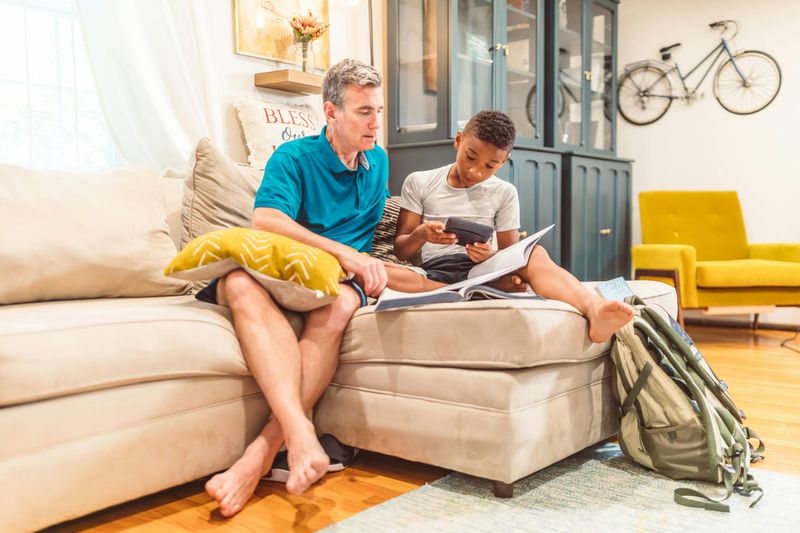
What once seemed unusual has become mainstream as families increasingly pull children from traditional classrooms.
The pandemic accelerated this trend dramatically, with parents discovering they could customize education to fit their child’s pace and interests.
Flexible schedules and personalized attention sound ideal on paper.
However, concerns about socialization persist despite homeschool co-ops and activity groups.
Can parents really provide the peer interaction that happens naturally in traditional schools?
Academic gaps worry critics who question whether most parents have the skills to teach advanced subjects like chemistry or algebra.
State regulations vary wildly, leaving some children with minimal oversight.
Success stories exist alongside warnings about educational neglect, making this choice particularly divisive.
4. Academic Pressure on Young Children

Kindergarteners now tackle worksheets that would have challenged second graders a generation ago.
Preschools advertise rigorous curricula that promise college readiness before kids lose their baby teeth.
Parents enroll three-year-olds in tutoring programs and academic enrichment classes, hoping to gain competitive advantages.
Child development experts warn that pushing academics too early can backfire spectacularly.
Young brains need play, exploration, and movement to develop properly.
When forced to sit still and memorize facts, children may develop anxiety or lose their natural curiosity about learning.
Despite research favoring play-based early education, the pressure continues mounting.
Waiting lists for prestigious preschools grow longer while childhood becomes increasingly structured and achievement-focused.
5. Participation Trophies for Everyone

Every player gets a trophy nowadays, whether their team won or finished last.
Supporters believe this builds self-esteem and keeps kids engaged in activities without the sting of defeat.
Why make children feel bad about themselves when they’re just learning?
Opponents insist this trend creates a generation unprepared for real competition and failure.
Life doesn’t hand out participation awards for showing up, they argue.
Kids need to learn that effort doesn’t always equal success and that losing teaches valuable lessons about perseverance and improvement.
The debate extends beyond sports into classrooms where grade inflation and extra credit opportunities multiply.
Parents must decide whether protecting feelings now prevents resilience later, or if encouragement matters more than harsh reality.
6. Family Co-Sleeping Arrangements

Sharing a bed with babies and toddlers sparks passionate debates among parents and pediatricians alike.
Advocates point to cultures worldwide where co-sleeping is the norm, arguing it strengthens bonding and makes nighttime nursing easier.
Babies sleep better near their parents, they claim.
Safety concerns dominate the opposition’s arguments.
Medical organizations warn about suffocation risks and sudden infant death syndrome, recommending babies sleep alone in cribs.
Some also worry that children who share their parents’ bed develop dependence issues and struggle with independent sleep later.
Families caught between following their instincts and heeding expert warnings often feel guilty regardless of their choice.
The lack of consensus leaves parents second-guessing their bedtime decisions.
7. Technology-Free Zones and Times

Baskets by the front door collect phones as family members arrive home.
Dinner happens without screens glowing in anyone’s lap.
Some families declare entire weekends device-free, reverting to board games and outdoor adventures.
This intentional disconnection aims to reclaim quality time stolen by constant connectivity.
Kids complain about missing group chats and social media updates, creating power struggles over enforcement.
Parents struggle too, checking work emails and scrolling through news feeds out of habit.
Maintaining these boundaries requires constant vigilance that feels exhausting.
Questions arise about whether complete abstinence makes sense in our digital world.
Should children learn moderation instead of avoidance?
Balance remains elusive for families trying to harness technology’s benefits while limiting its intrusion.
8. Child-Led Learning Approaches
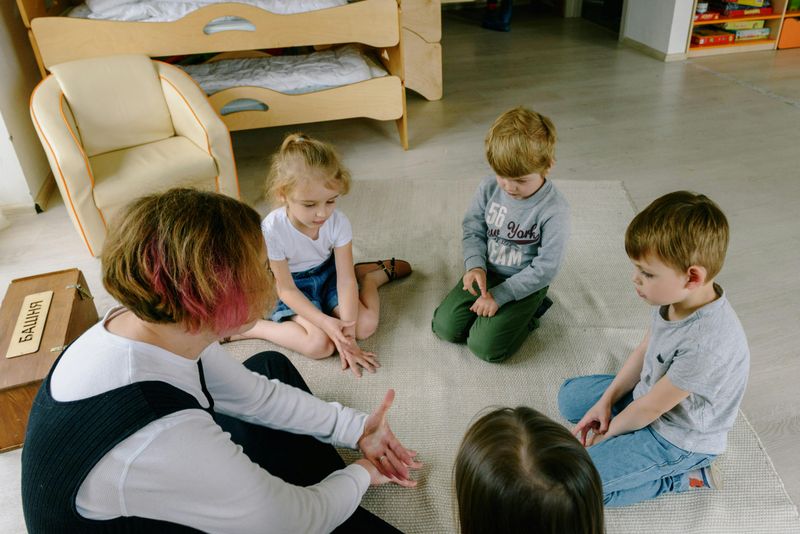
Imagine classrooms where students choose what to study based on their interests rather than following rigid lesson plans.
Child-led or unschooling methods trust that children naturally want to learn when given freedom and resources.
Curiosity drives education instead of requirements and testing.
Traditional educators express skepticism about gaps this approach might create.
What happens when a child never develops interest in multiplication or spelling?
Can following passions alone prepare students for standardized tests and college admissions?
The lack of structure worries parents who value measurable progress.
Proponents counter that forced learning creates resistance while self-directed exploration builds genuine understanding.
They share stories of children teaching themselves complex subjects through pure fascination, though critics call these examples exceptions rather than rules.
9. Helicopter Parenting Intensity
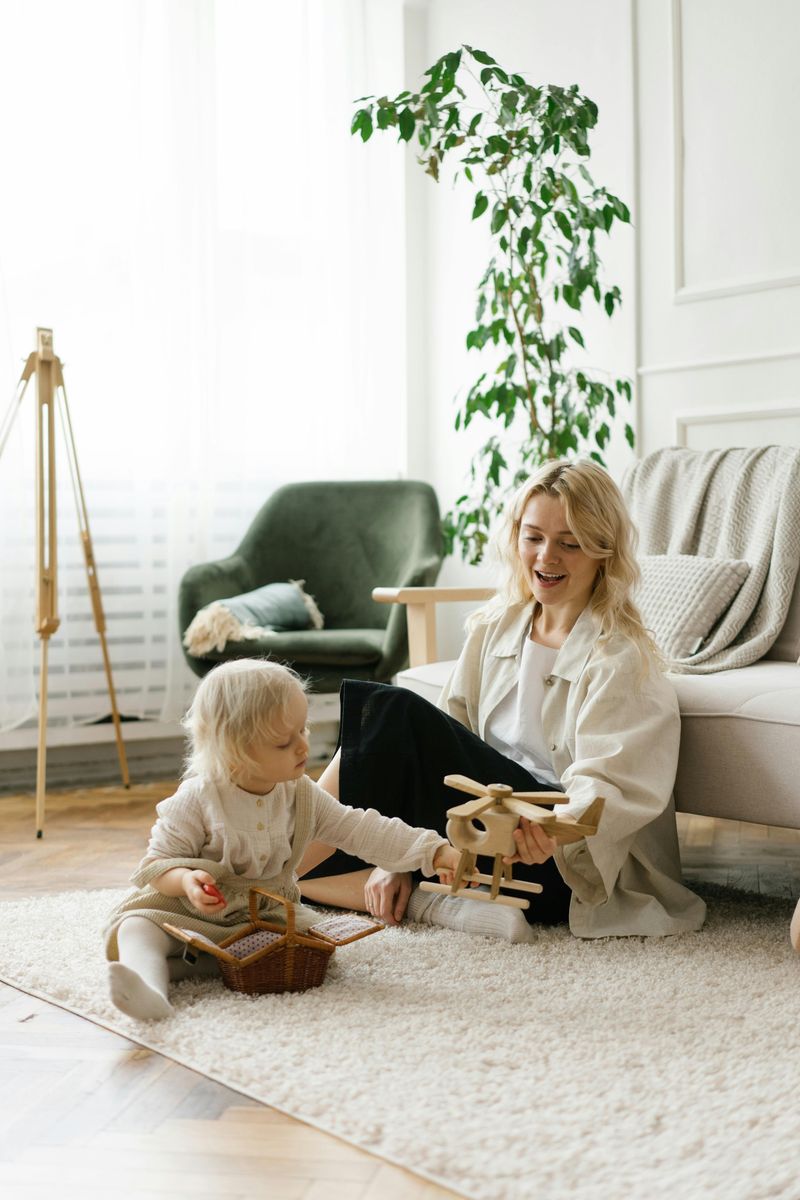
Constantly hovering, these parents monitor every moment of their children’s lives.
They intervene in playground disputes, complete homework assignments, and call college professors about grades.
Nothing happens without parental involvement and approval, from choosing friends to selecting extracurricular activities.
Mental health professionals warn that this over-involvement prevents children from developing crucial life skills.
Kids never learn problem-solving or self-advocacy when parents fight every battle for them.
Anxiety and helplessness often result when these children face independence.
Yet parents defend their actions as necessary protection in dangerous times.
They argue that staying involved shows love and prevents problems before they start.
Distinguishing healthy support from harmful interference proves challenging for well-meaning caregivers.
10. Social Media’s Influence on Children

Eight-year-olds have Instagram accounts.
Fifth graders worry about their follower counts and carefully curate their online images.
Social media has infiltrated childhood in ways previous generations never experienced, bringing both connection and comparison to impossibly young users.
Research links heavy social media use to depression, anxiety, and poor body image among children and teens.
Cyberbullying happens around the clock, following victims home from school.
Yet banning these platforms entirely can isolate kids from their peer groups and social circles.
Parents face impossible choices about when to allow access and how much to monitor.
Privacy concerns clash with safety worries, while children insist everyone else already has accounts, making refusal feel cruel.
11. Elimination Communication Practice
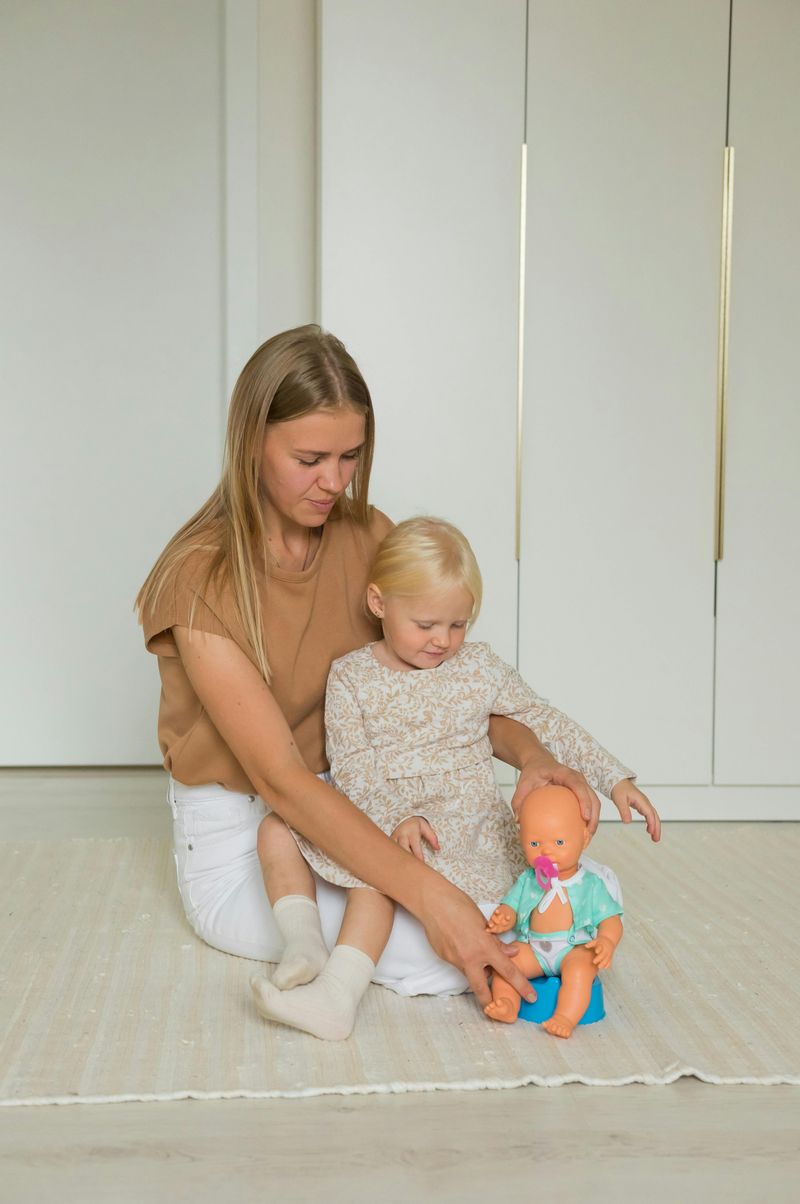
Diapers are optional in some households where parents practice this controversial method.
Also called infant potty training, elimination communication involves watching for baby’s cues and holding them over a toilet or potty from birth.
Advocates claim it’s more natural and environmentally friendly than disposable diapers.
Skeptics question the sanity of anyone attempting this time-intensive approach.
Newborns eliminate frequently and unpredictably, making constant vigilance necessary.
Critics argue that babies lack the physical development for true toilet training and that parents are simply catching accidents through timing.
The practice demands full-time attention that working parents cannot provide.
Cultural differences emerge as some communities embrace this tradition while Western society views it as extreme and impractical.
12. Delayed School Start Times
Did you know?
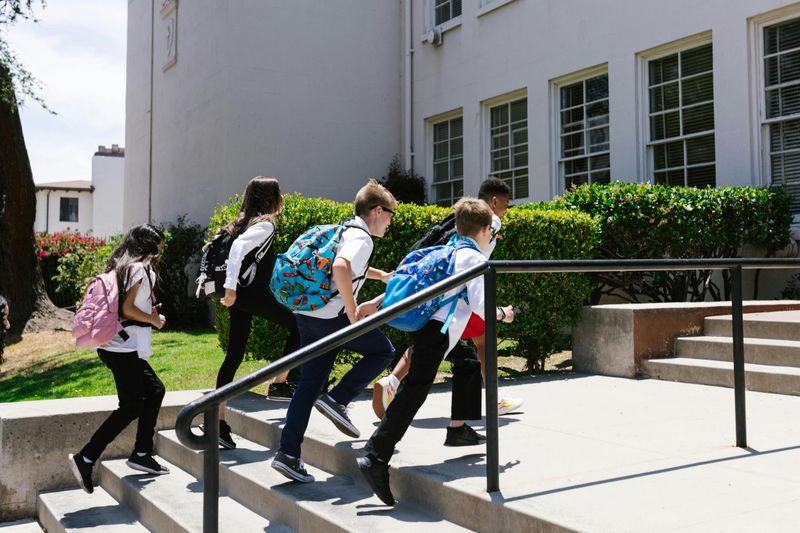
Teenagers’ biological clocks naturally shift toward later sleep and wake times during puberty.
Schools ignoring this science force adolescents to wake at dawn, resulting in chronically sleep-deprived students.
Growing movements push for later start times, particularly for middle and high schools.
Research strongly supports the change, showing improved grades, better mental health, and fewer car accidents when teens get adequate sleep.
Brain development requires rest, yet early schedules prioritize bus routes and athletic practices over adolescent biology.
Resistance comes from logistical challenges and tradition.
Parents worry about childcare, sports programs complain about practice times, and communities resist change despite evidence.
The gap between scientific knowledge and implementation frustrates health advocates.
Comments
Loading…