
 Chloe Peterson
13 Everyday Habits That Are Surprisingly Restricted Around the World

Around the globe, people go about their daily routines without thinking twice about the little things they do.
But what seems perfectly normal in one country might actually be against the law somewhere else.
From chewing gum to mowing your lawn, some surprisingly common activities can land you in hot water with local authorities depending on where you are.
1. Chewing Gum in Public

Singapore takes cleanliness seriously, and chewing gum got caught in the crossfire.
Since 1992, selling or importing gum has been illegal in this island nation.
The ban started because people kept sticking gum everywhere, causing expensive cleanup problems on trains and buildings.
You can only get therapeutic gum from pharmacies with a prescription.
Tourists caught smuggling gum in large quantities face hefty fines.
The law might seem extreme, but Singapore’s streets remain spotless because of it.
Many visitors forget about this rule and accidentally bring gum in their luggage.
While authorities usually just confiscate small amounts, it’s best to leave your favorite mint-flavored treat at home when visiting.
2. Wearing Camouflage Clothing
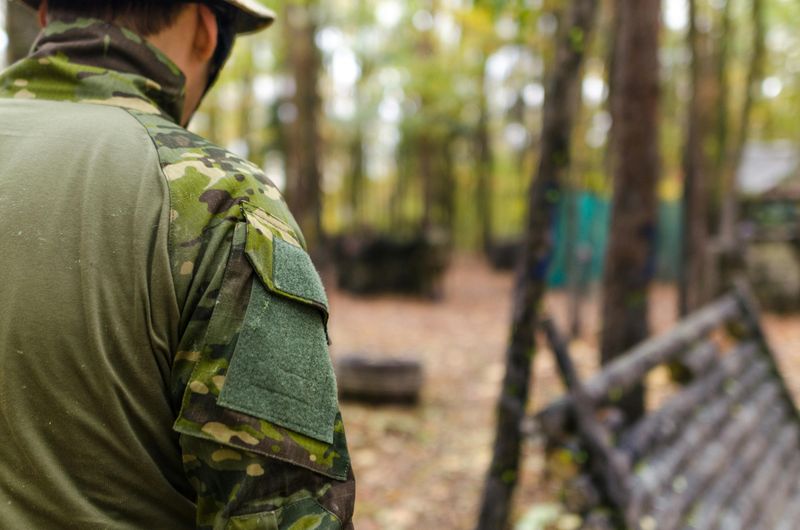
Pack your suitcase carefully before heading to the Caribbean!
Countries like Barbados, Jamaica, and Saint Lucia ban civilians from wearing anything with camouflage patterns.
Military personnel are the only ones allowed to sport these designs.
Authorities created this law to prevent confusion and stop people from impersonating soldiers.
If police spot you in camo shorts or a camo backpack, they’ll confiscate your items immediately.
Some travelers have even been denied entry at customs for having camo gear.
Fashion-forward tourists often get surprised by this restriction since camouflage prints are trendy worldwide.
Check your wardrobe before flying south and save those camo patterns for destinations where they’re welcome.
3. Mowing Your Lawn on Sundays

Sunday silence laws exist in Switzerland, Germany, and parts of Scandinavia.
Cutting grass, drilling holes, or making loud noises on Sundays can result in complaints from neighbors and possible fines.
These countries value their day of rest extremely seriously.
The rules also apply to certain weekday evenings and holiday periods.
People plan their home improvement projects around these quiet hours.
Breaking the silence can lead to hefty penalties, sometimes reaching hundreds of dollars.
Many immigrants and tourists find these laws puzzling at first.
However, locals appreciate the guaranteed peaceful time each week.
If your grass looks shaggy on Sunday afternoon, you’ll just have to wait until Monday morning.
4. Running Out of Fuel on Highways

Germany’s famous autobahn has a surprising rule that catches many drivers off guard.
Running out of gas while driving is actually illegal and considered negligent behavior.
Authorities view it as avoidable and potentially dangerous to other motorists.
Violators face fines and may get points on their driving record.
The logic makes sense when you consider how fast traffic moves on these highways.
A stalled car creates serious hazards, especially in sections without speed limits.
Smart drivers always check their fuel gauge before entering the autobahn.
Gas stations appear regularly along the route, so there’s no excuse for empty tanks.
Keep your vehicle fueled up to avoid breaking this practical German law.
5. Feeding Pigeons in Public Squares
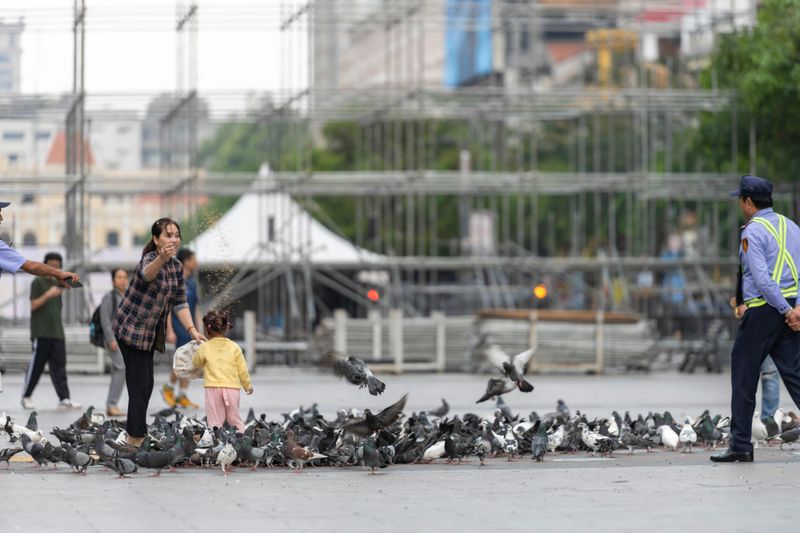
Tossing breadcrumbs to pigeons might seem harmless, but many cities worldwide prohibit it.
Venice, San Francisco, and parts of London impose fines on anyone feeding these birds.
City officials say pigeons carry diseases and their droppings damage historic buildings.
Fines can reach several hundred dollars depending on the location.
Some tourists don’t notice the posted signs and get caught by local authorities.
The bird population actually decreases when people stop feeding them, helping preserve ancient architecture.
Kids especially love feeding birds, making this a tough rule for families to follow.
Despite the temptation, keep your snacks to yourself in these cities.
Pigeons can find food naturally without human help.
6. Taking Selfies at Certain Landmarks

Selfie sticks have become public enemy number one at various global locations.
Spain banned selfies during the Running of the Bulls festival in Pamplona after dangerous incidents.
India prohibits them at certain railway stations where people died trying to get risky shots.
Museums and religious sites also enforce no-selfie zones to maintain respect and safety.
Flash photography can damage priceless artwork, and selfie sticks create tripping hazards in crowded spaces.
Guards actively monitor for rule-breakers and confiscate equipment.
Social media pressure drives people to take increasingly dangerous photos.
Authorities respond with bans to protect both people and property.
Your Instagram feed isn’t worth risking your life or facing legal trouble in foreign countries.
7. Dying in Certain Towns
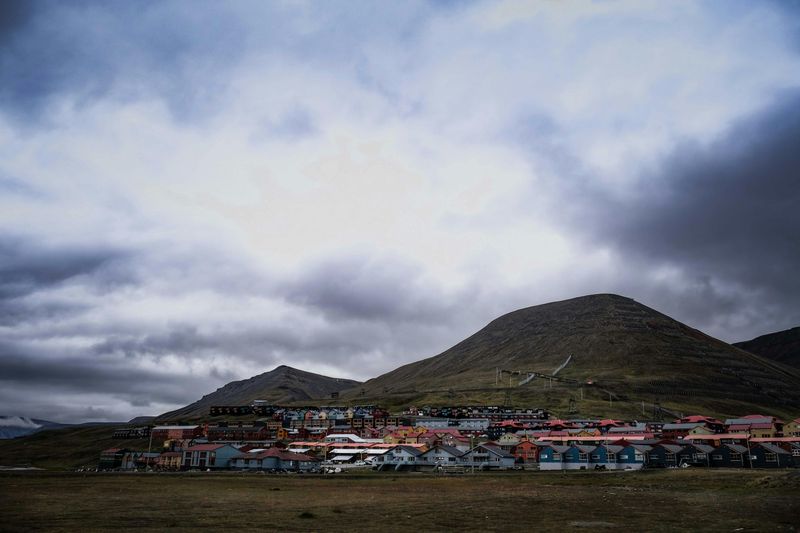
Longyearbyen, Norway has an unusual prohibition that sounds like dark comedy.
Dying there is technically illegal, though obviously not enforceable against the dead.
The permafrost prevents bodies from decomposing properly, and the cemetery stopped accepting new burials decades ago.
Seriously ill residents must travel to mainland Norway for end-of-life care.
Bodies don’t break down in the frozen ground, and polar bears can dig them up.
Scientists discovered that even decades-old remains show no decomposition.
This strange rule highlights the unique challenges of Arctic living.
The town also bans cats and requires residents to carry rifles for polar bear protection.
Mother Nature makes her own rules in the far north.
8. Wearing High Heels at Ancient Sites

Greece protects its ancient monuments by banning high heels at archaeological sites like the Acropolis.
Metal stilettos scratch and damage marble that’s survived thousands of years.
Officials noticed significant wear from modern footwear on these irreplaceable surfaces.
Guards check visitors’ shoes at entrances and suggest alternatives.
Flat shoes help preserve history while keeping tourists safer on uneven ancient stones.
Other countries with sensitive historical sites have adopted similar policies.
Women planning to visit these locations should pack comfortable walking shoes.
The ban applies to any footwear with thin, hard heels that concentrate pressure on small points.
Protecting cultural heritage matters more than fashion statements, even on vacation.
9. Using VPNs and Encryption

Virtual Private Networks help people browse the internet privately, but several countries restrict their use.
China, Russia, Iran, and North Korea either ban VPNs entirely or require government approval.
Authorities want to monitor online activity and control what citizens access.
Businesses sometimes get special permission for approved VPN services.
Regular citizens caught using unauthorized VPNs face fines and possible criminal charges.
Technology companies must provide government access to encrypted communications.
Travelers to these countries should research local internet laws carefully.
What’s normal internet security at home becomes illegal abroad.
Many people don’t realize their routine online habits could cause serious problems in certain nations.
10. Naming Your Baby Freely

Iceland, Denmark, and Germany maintain official lists of approved baby names.
Parents must choose from these lists or apply for special permission to use other names.
Governments created these rules to protect children from embarrassing or inappropriate names.
Committees review unusual name requests based on cultural standards and grammar rules.
Names must fit the country’s language structure and not cause the child future problems.
Rejected applications include brand names, titles, and names that blur gender identification.
American parents enjoy complete naming freedom and find these restrictions surprising.
However, countries with these laws believe they prevent childhood bullying and identity issues.
The debate between parental rights and child protection continues worldwide.
11. Dancing After Midnight
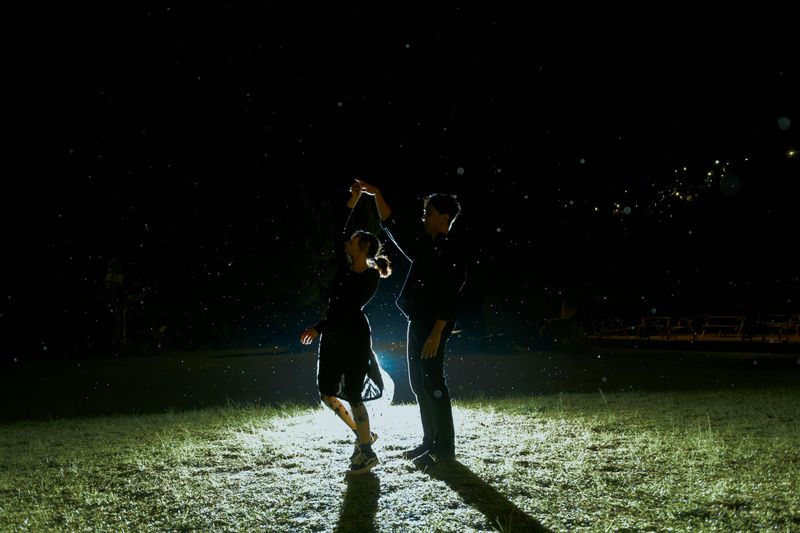
Japan’s dancing ban after midnight lasted from 1948 until 2015, when authorities finally repealed most restrictions.
The Fueiho Law originally aimed to crack down on prostitution in postwar dance halls.
Nightclubs needed special licenses, and dancing remained technically illegal at many venues.
Police occasionally raided clubs and arrested people for dancing past midnight.
The law seemed increasingly outdated as Japan’s nightlife culture grew.
Public protests and pressure from the entertainment industry eventually changed the regulations.
Some restrictions remain for clubs without proper licenses.
The long-standing ban showed how outdated laws can persist for decades.
Modern Japan’s vibrant dance scene finally operates without fear of midnight raids.
12. Reincarnating Without Permission

China passed a law in 2007 requiring government approval for reincarnation.
This bizarre regulation specifically targets Tibetan Buddhist monks and the Dalai Lama succession.
Authorities want control over who can be recognized as a reincarnated religious leader.
The law states that all reincarnations need permits from the State Religious Affairs Bureau.
Buddhist tradition says enlightened beings choose their rebirth, making government control absurd to practitioners.
Political motivations clearly drive this restriction rather than spiritual concerns.
The Dalai Lama himself joked that Chinese officials don’t believe in reincarnation but want to regulate it anyway.
This law represents how governments sometimes create rules that defy logic and religious freedom.
Controlling the afterlife seems impossible, yet China tries.
13. Jaywalking Enforcement
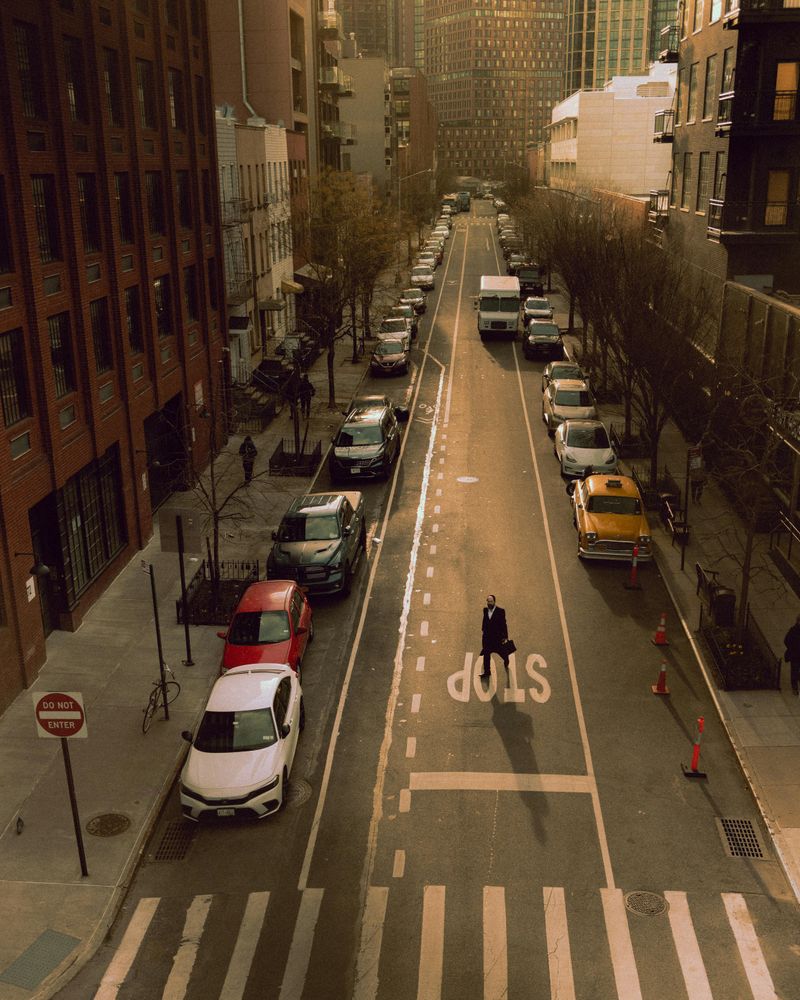
Americans often jaywalk without thinking twice, but many countries strictly enforce pedestrian laws.
Singapore, China, and parts of Europe issue immediate fines for crossing outside designated areas.
Cameras and police actively watch for violations in busy urban centers.
Fines range from minor penalties to significant amounts that ruin your vacation budget.
Some cities use facial recognition technology to identify and fine jaywalkers automatically.
The practice seems trivial to casual rule-breakers but prevents traffic accidents and keeps pedestrians safer.
Visitors from countries with relaxed jaywalking attitudes need to adjust their habits abroad.
Waiting for the walk signal might feel inconvenient, but it beats paying expensive fines.
Local pedestrians follow the rules, and tourists should too.
Comments
Loading…