
 Harper Hall
15 Famous Names Likely to Be Remembered Far Into the Future
Throughout history, certain individuals have changed the world in ways that echo across centuries.
Their discoveries, courage, creativity, and leadership shaped how we live today and will continue to inspire people for generations to come.
From scientists who unlocked the secrets of the universe to activists who fought for justice, these remarkable people left legacies that time cannot erase.
1. Mahatma Gandhi
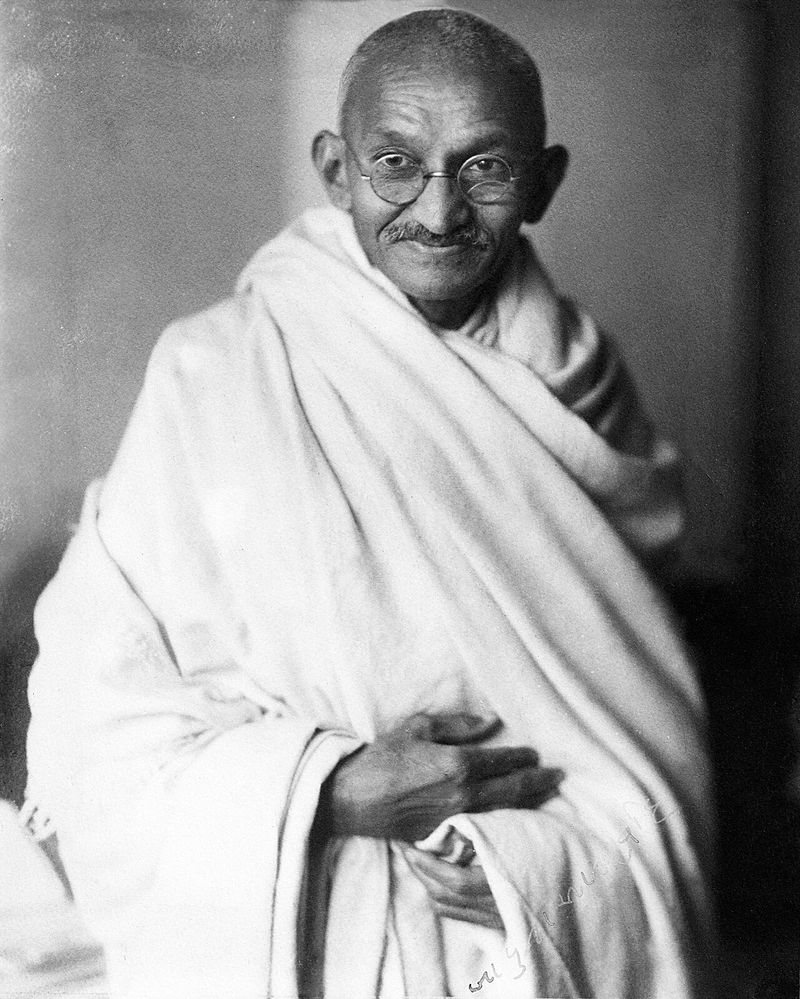
Round glasses, simple cloth, and a quiet strength that brought an empire to its knees without firing a single shot.
Gandhi proved that peace could be more powerful than any weapon.
He led India to freedom from British rule using nonviolent resistance.
His methods inspired civil rights movements worldwide, from America to South Africa.
Gandhi’s philosophy of “satyagraha” taught that truth and love could overcome hatred and oppression.
His birthday is now celebrated as the International Day of Nonviolence, showing how his peaceful message still resonates today across every continent and culture.
2. Albert Einstein
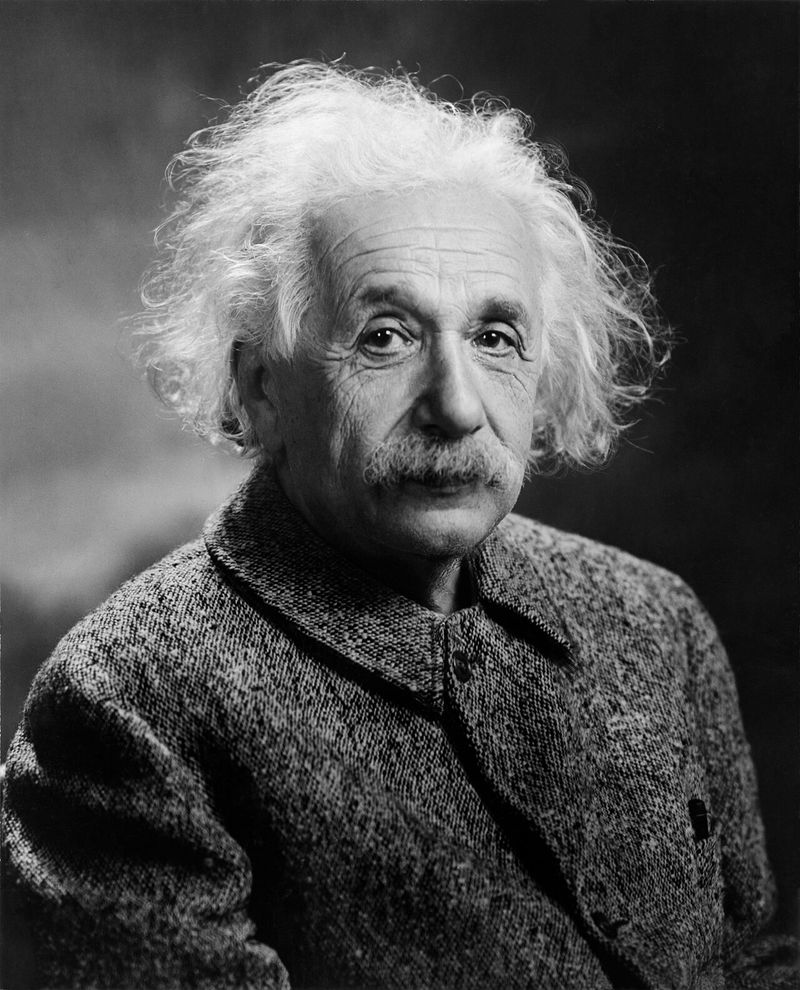
Wild hair, brilliant mind, and a theory that changed everything.
Einstein didn’t just solve math problems; he rewrote the rules of how the universe works.
His theory of relativity showed that time and space aren’t fixed like we thought.
Instead, they bend and stretch depending on how fast you’re moving and how strong gravity is around you.
Before Einstein, scientists thought they understood physics pretty well.
He proved them wrong and opened doors to understanding black holes, GPS technology, and even nuclear energy.
His famous equation E=mc² connects mass and energy in ways that still blow people’s minds today.
3. Marie Curie
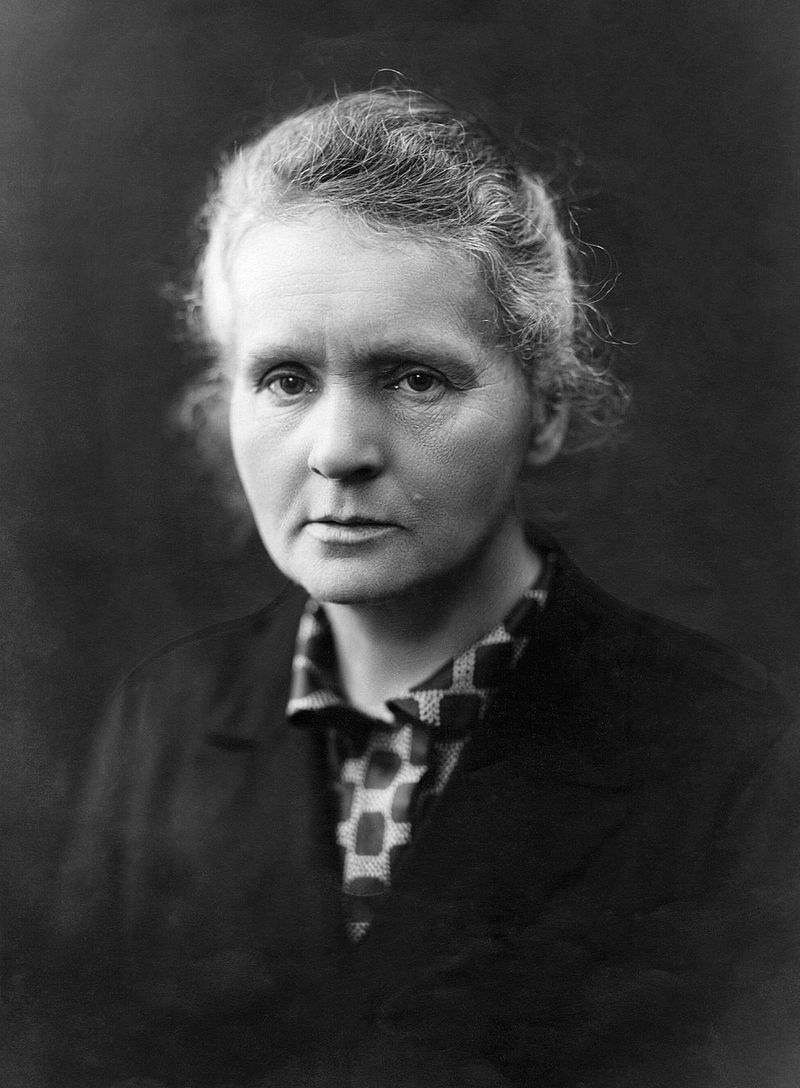
A scientist so dedicated that she literally glowed in the dark from her experiments.
Marie Curie discovered radioactivity and didn’t let anything stop her, not even being a woman in a male-dominated field.
She won two Nobel Prizes in different sciences, something nobody had done before.
Her research on radioactive elements like radium and polonium opened up entirely new areas of science and medicine.
Curie’s work helps doctors treat cancer today.
She proved that determination and curiosity matter more than what others think you can achieve.
Her notebooks are still too radioactive to touch safely!
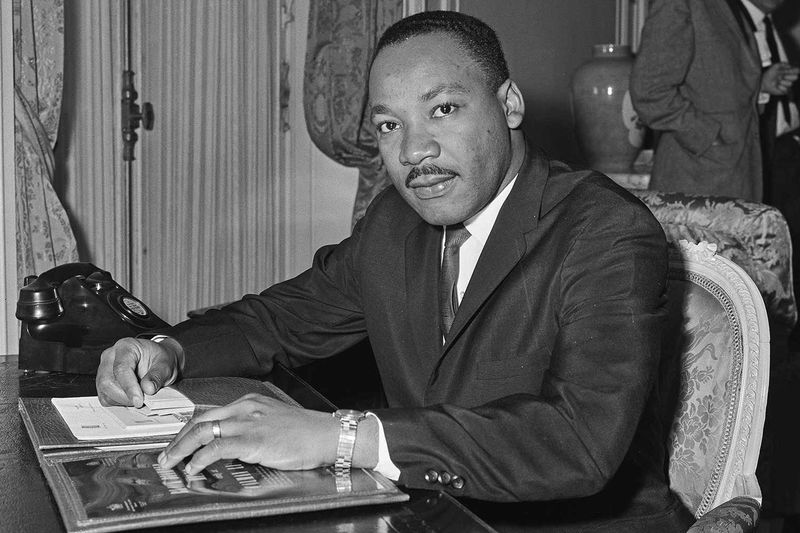
4. Martin Luther King Jr.
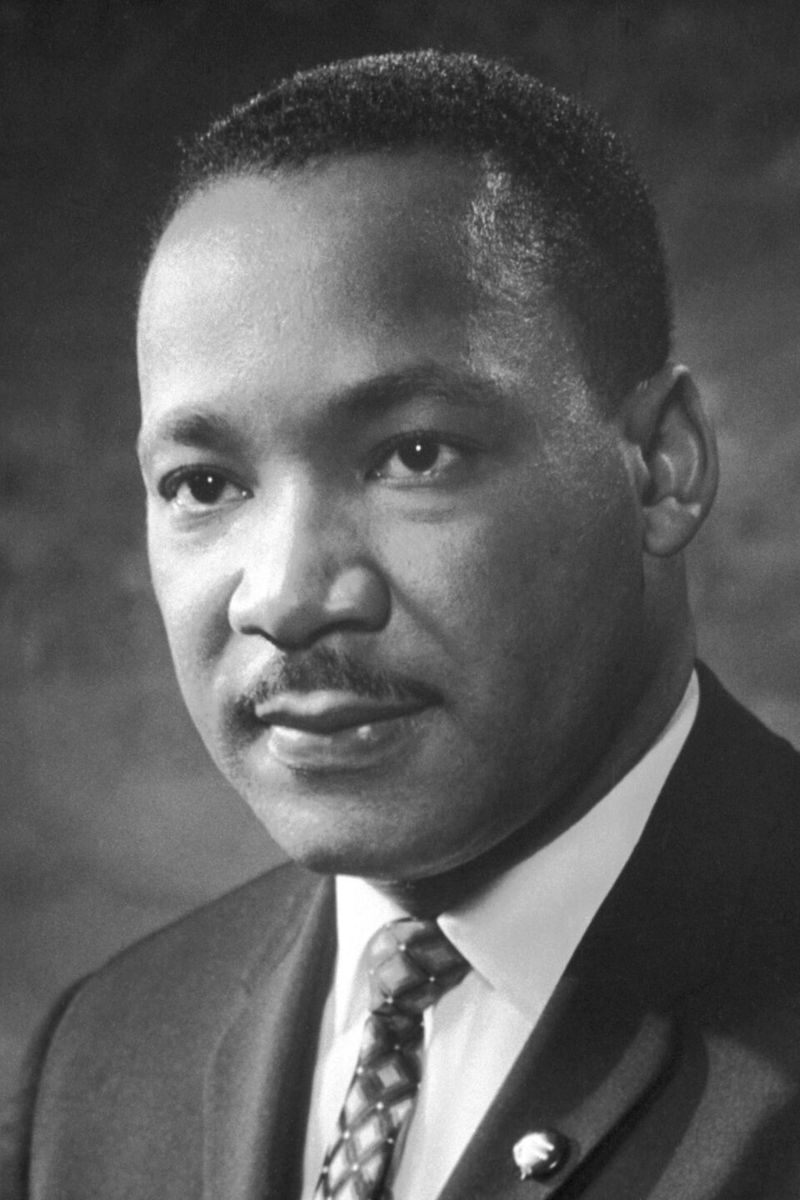
“I have a dream” became four words that changed America forever.
King believed that peaceful protest could defeat hatred and injustice, and he was right.
During the 1960s, Black Americans faced terrible discrimination and violence.
King organized marches, boycotts, and speeches that inspired millions to demand equal rights without using violence themselves.
His courage led to laws that ended segregation and protected voting rights.
King showed the world that you don’t need weapons to win a revolution; you need truth, unity, and unwavering commitment to justice.
He gave his life for this cause but won a victory that continues today.
5. Leonardo da Vinci
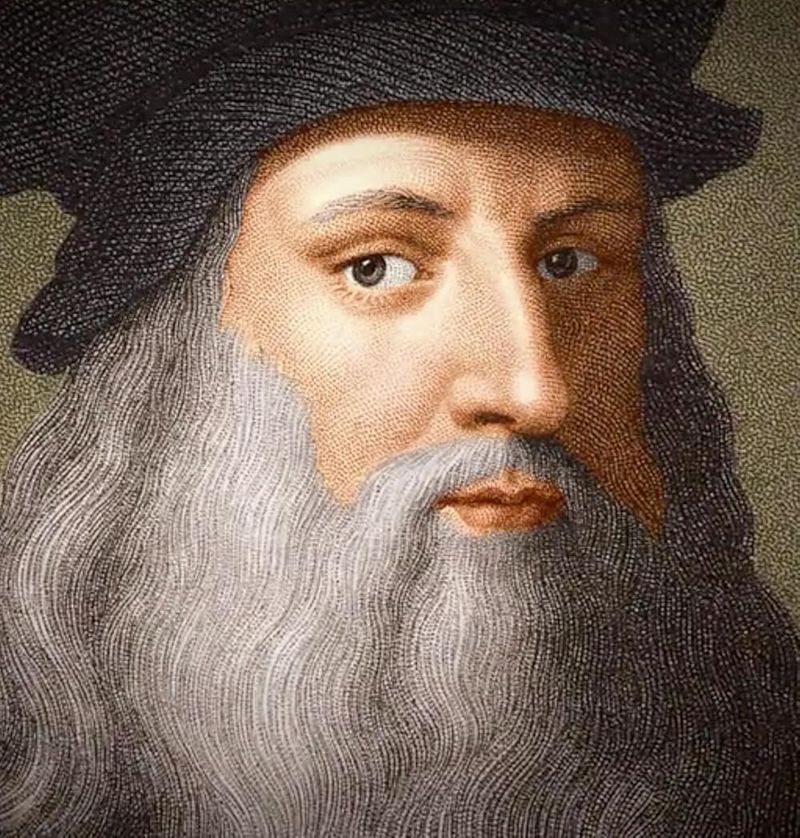
Someone who could paint masterpieces, design flying machines, and study human anatomy all before breakfast.
Leonardo da Vinci was the ultimate Renaissance man who excelled at literally everything he tried.
He painted the Mona Lisa and The Last Supper, two of the most famous artworks ever created.
But he also sketched helicopters, tanks, and parachutes centuries before technology could build them.
Da Vinci dissected bodies to understand how muscles and bones worked.
He studied water flow, designed buildings, and filled thousands of notebook pages with ideas.
His curiosity knew no limits, making him a timeless symbol of human creativity.
6. William Shakespeare
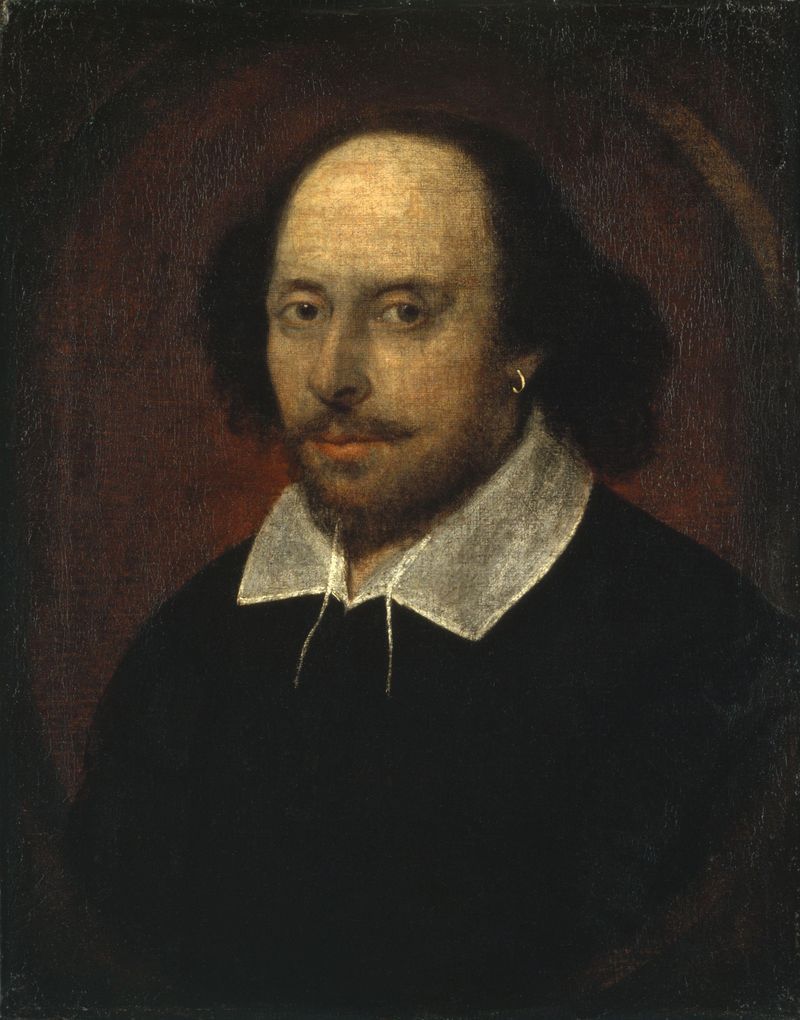
Four hundred years later, teenagers still read his plays in school.
That’s how powerful Shakespeare’s words remain.
He wrote 37 plays and 154 sonnets that explored love, jealousy, ambition, and revenge in ways nobody had before.
Romeo and Juliet, Hamlet, and Macbeth aren’t just stories; they’re windows into human nature that never get old.
Shakespeare invented over 1,700 words we still use today, like “bedroom,” “lonely,” and “eyeball.”
His phrases pop up everywhere: “break the ice,” “wild goose chase,” and “heart of gold.”
He understood people so well that his characters feel alive even now.
7. Isaac Newton
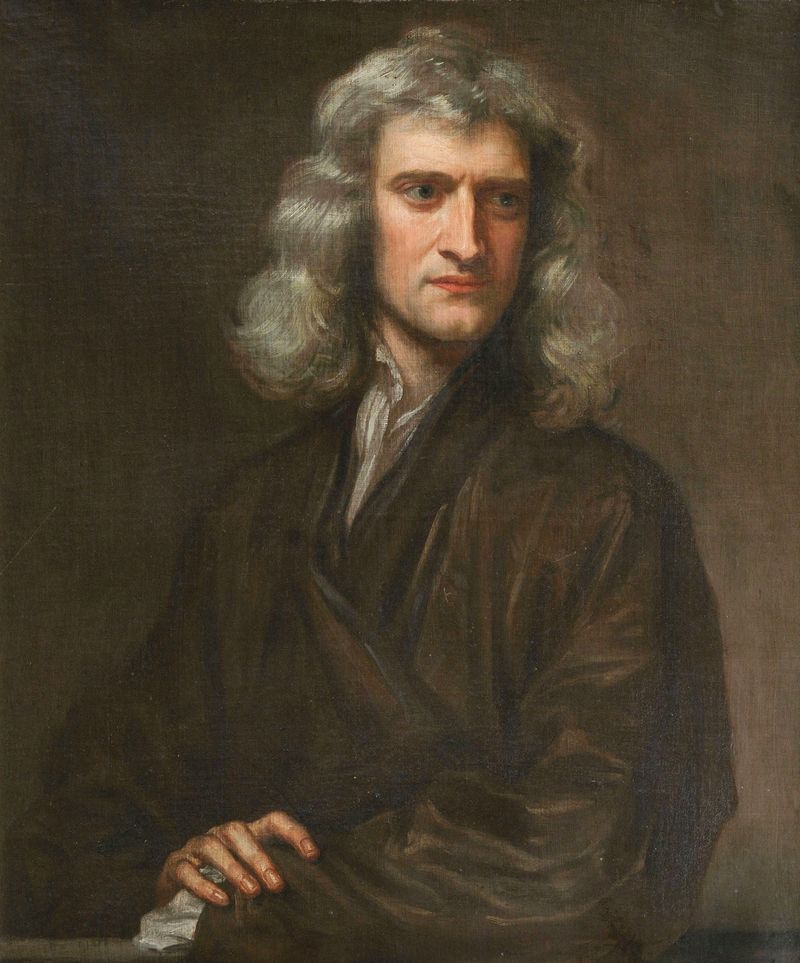
An apple supposedly fell on his head, and boom—he figured out gravity.
While that story might be exaggerated, Newton really did explain why things fall down and planets stay in orbit.
His three laws of motion describe how objects move and interact.
These laws help engineers design cars, rockets, and bridges.
Newton also invented calculus, a type of math that solves complex problems in science and engineering.
He built the first reflecting telescope and discovered that white light contains all the colors of the rainbow.
Newton’s work created the foundation for modern physics and proved that math could unlock nature’s secrets.
8. Nelson Mandela
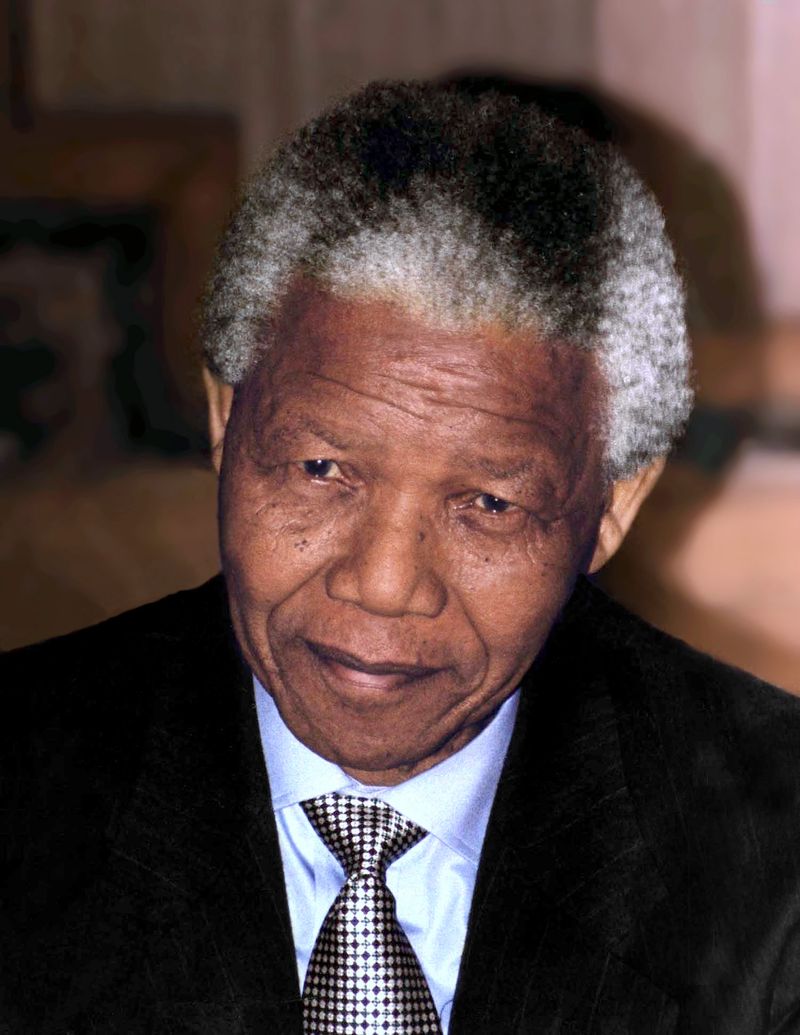
Spending 27 years in prison would break most people.
Mandela emerged ready to forgive and unite a divided nation.
In South Africa, a racist system called apartheid kept Black people oppressed for decades.
Mandela fought against it and was imprisoned for his activism.
When he finally walked free, he could have sought revenge.
Instead, he chose reconciliation.
As South Africa’s first Black president, he worked with former enemies to build a democracy.
His message of forgiveness and equality inspired the entire world.
Mandela proved that peace is stronger than hatred and that one person’s moral courage can transform a nation.
9. Ada Lovelace
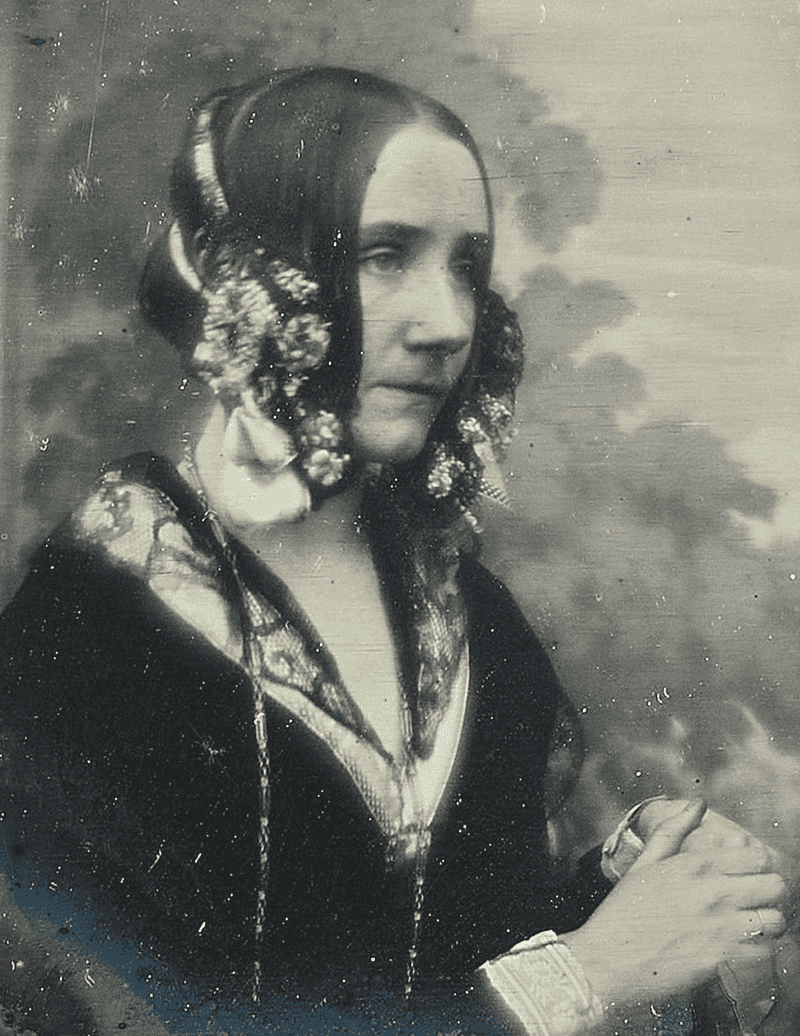
Long before smartphones existed, Ada Lovelace imagined what computers could do.
In the 1840s, she wrote the world’s first computer program for a machine that was never even built.
Working with Charles Babbage’s Analytical Engine design, Lovelace realized the machine could do more than just calculate numbers.
She envisioned it creating music, art, and solving complex problems.
Her notes included an algorithm for calculating Bernoulli numbers, making her the first computer programmer.
Lovelace saw possibilities nobody else imagined, predicting the digital age over a century early.
Today’s programmers owe her a debt they’re still paying.
10. Srinivasa Ramanujan
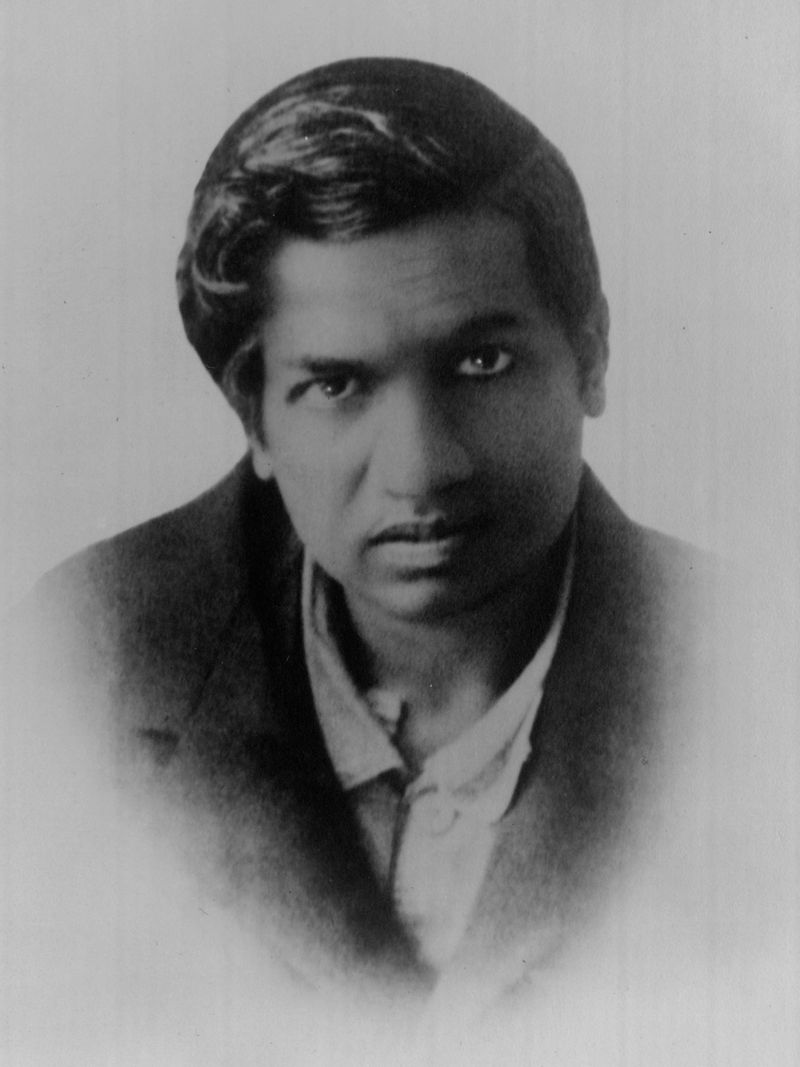
Growing up poor in India with almost no formal training, Ramanujan discovered mathematical formulas that experts couldn’t believe.
His natural genius seemed almost supernatural.
He filled notebooks with thousands of theorems and equations, many of which mathematicians are still trying to fully understand today.
His work on infinite series, number theory, and mathematical analysis was decades ahead of its time.
When he finally connected with mathematicians in England, they were stunned by his abilities.
Ramanujan died young at 32, but his contributions continue influencing physics, computer science, and mathematics.
He proved that brilliance can emerge from anywhere.
11. Hypatia of Alexandria
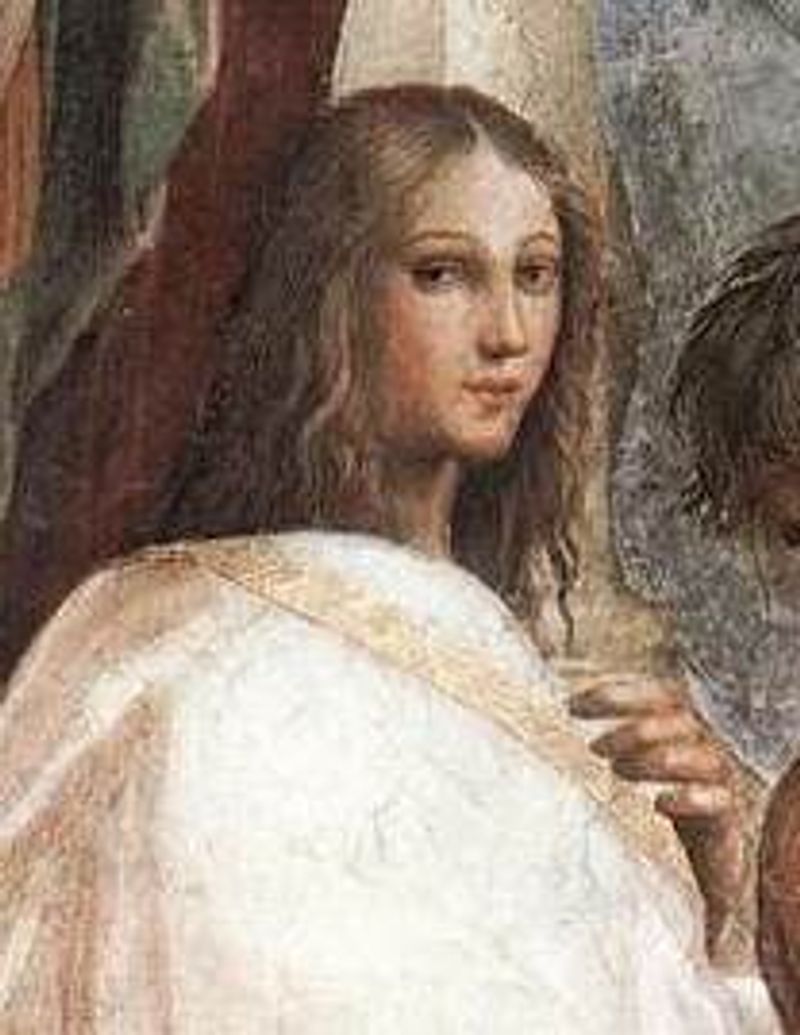
In ancient Egypt around 400 AD, when women rarely received education, Hypatia became one of the greatest mathematicians and philosophers of her time.
She taught astronomy, mathematics, and philosophy to students who traveled from across the Mediterranean to learn from her.
Hypatia wrote commentaries on important mathematical works and improved the design of scientific instruments like the astrolabe.
Her brilliance threatened people who feared educated women.
Tragically, she was murdered by a mob, but her legacy survived.
Hypatia represents the countless women throughout history whose intellectual contributions were suppressed but never truly silenced.
She paved the way for female scientists everywhere.
12. Joan of Arc
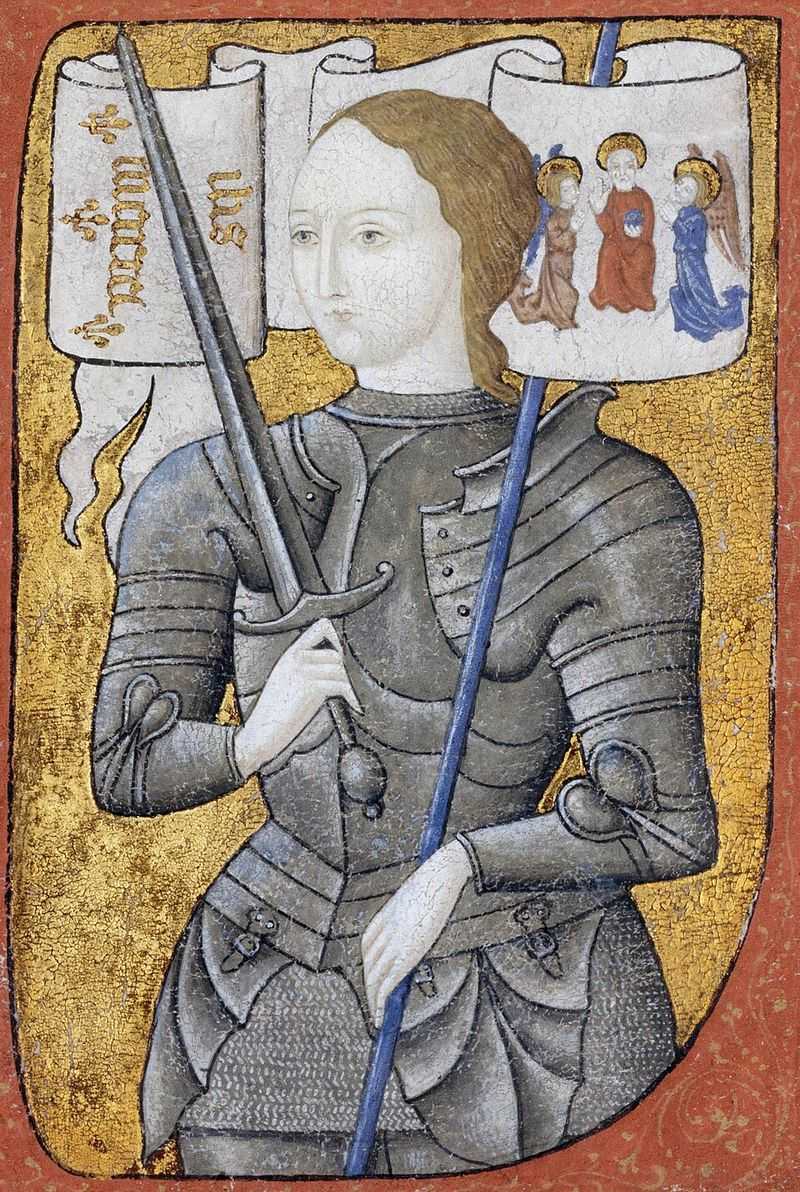
A teenage farm girl claimed she heard voices from God telling her to save France.
Incredibly, people listened, and she led armies to victory.
During the Hundred Years’ War, France was losing badly.
Joan convinced the king to let her lead soldiers into battle, and she won several important fights.
Her courage inspired French troops to believe they could win.
Eventually captured and burned at the stake at age 19, Joan became a martyr and national hero.
She proved that age and gender don’t determine leadership ability.
Her faith and bravery turned the tide of war and made her a symbol of courage forever.
13. Che Guevara
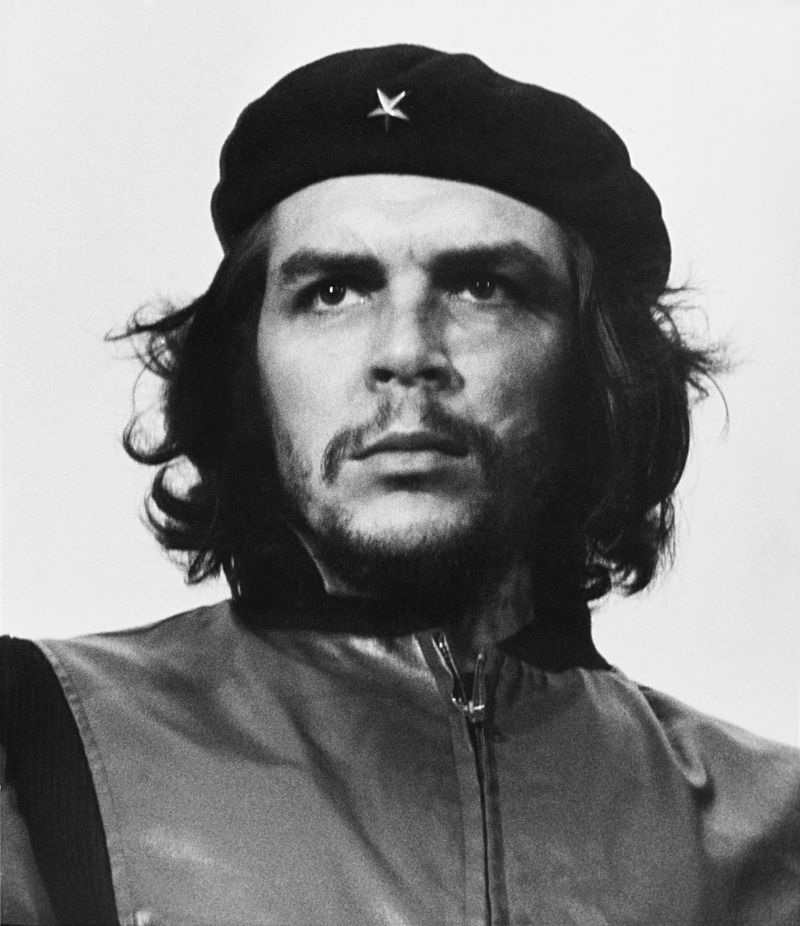
That famous image of Che in a beret became one of history’s most recognized photographs.
But behind the icon was a revolutionary who fought for what he believed was justice.
Guevara helped lead the Cuban Revolution alongside Fidel Castro, overthrowing a dictator.
He then traveled to other countries trying to spread revolution, believing poor people everywhere deserved better lives.
Whether you see him as a hero or a controversial figure, Che’s impact on Latin American politics and global revolutionary movements is undeniable.
His image symbolizes rebellion and idealism, making him a cultural icon whose face appears on posters and t-shirts worldwide.
14. Sylvia Plath
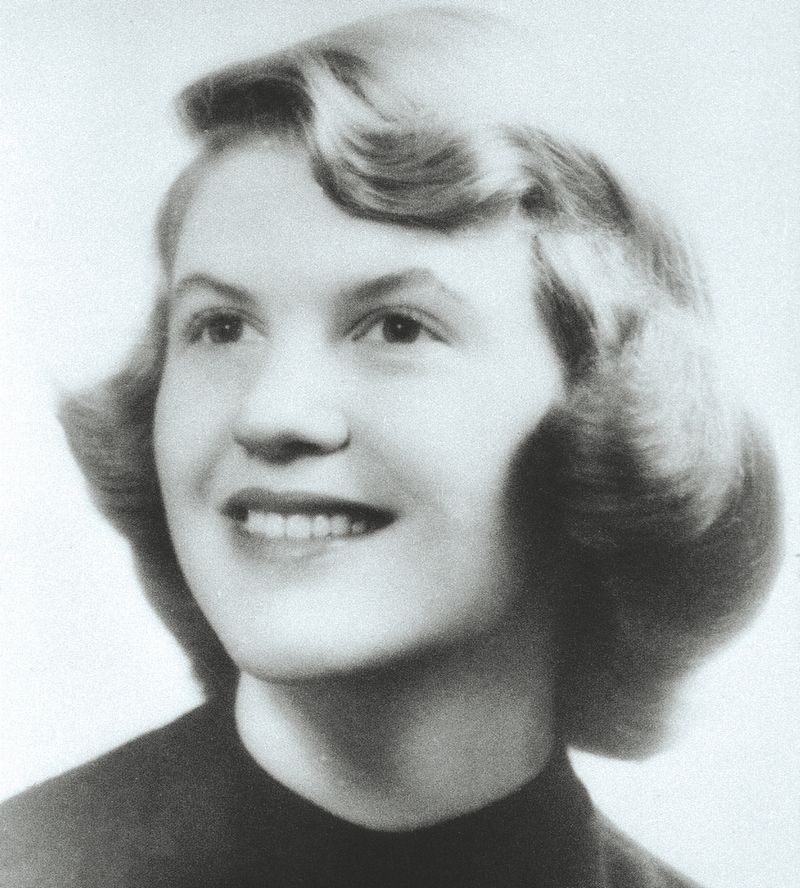
Plath’s poetry cuts deep because she wrote about depression, identity, and struggle with raw honesty that still resonates today.
Her novel “The Bell Jar” describes mental illness in a way that helps people feel less alone.
Her poems like “Daddy” and “Lady Lazarus” express anger, pain, and survival with powerful imagery.
Though she died tragically young at 30, Plath’s work continues inspiring readers and writers.
She gave voice to feelings people often hide, showing that vulnerability can be strength.
Her confessional style influenced generations of poets who followed.
Plath proved that art created from darkness can illuminate truth.
15. Chester Nimitz
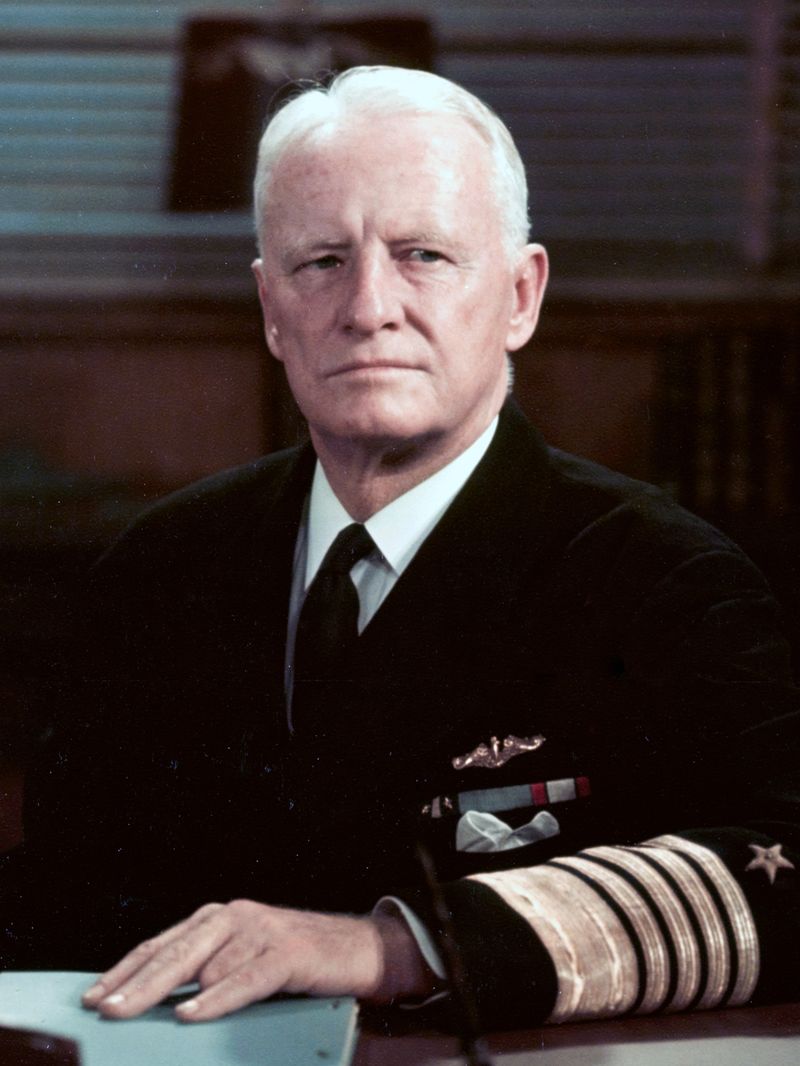
While many remember generals from World War II, Admiral Nimitz commanded the entire Pacific Ocean theater against Japan.
His strategic brilliance turned the tide of the war.
After Japan’s attack on Pearl Harbor devastated the U.S. Pacific Fleet, Nimitz took command and rebuilt it.
He planned victories at Midway, Guadalcanal, and other crucial battles using aircraft carriers in revolutionary ways.
His leadership style combined toughness with respect for his sailors.
Nimitz understood both naval tactics and the importance of morale.
By war’s end, he accepted Japan’s surrender, completing one of history’s greatest military comebacks.
His strategic genius remains studied in military academies today.
Comments
Loading…