
 Chloe Peterson
The 1990s music scene exploded with creativity, but not every groundbreaking band got the recognition they deserved.
While grunge and pop dominated the charts, dozens of innovative groups were quietly pushing boundaries and creating sounds that wouldn’t be fully appreciated until years later.
These forgotten pioneers experimented with genre-blending, unconventional instruments, and bold artistic choices that influenced countless musicians who came after them.
1. Morphine
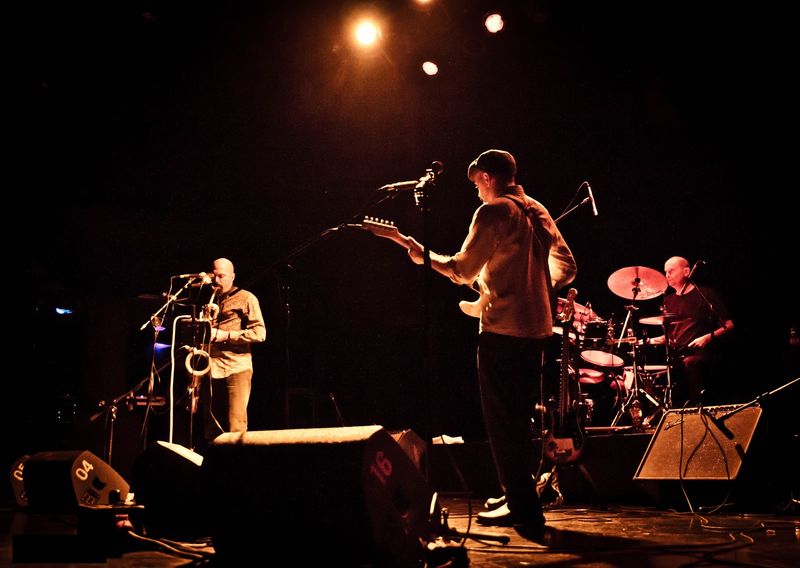
A band with no guitar—just a deep baritone saxophone, a two-string bass, and drums creating hypnotic grooves.
Morphine carved out their own “low rock” territory in the early ’90s with a sound so minimal yet powerful that it felt like a late-night jazz club colliding with alternative rock.
Led by Mark Sandman’s distinctive voice and bass playing, they crafted moody soundscapes that were simultaneously smooth and gritty.
Their albums like “Cure for Pain” showcased a restraint most rock bands couldn’t fathom.
Tragically, Sandman’s death in 1999 ended their innovative run, but their influence echoes in today’s experimental indie acts.
2. Failure
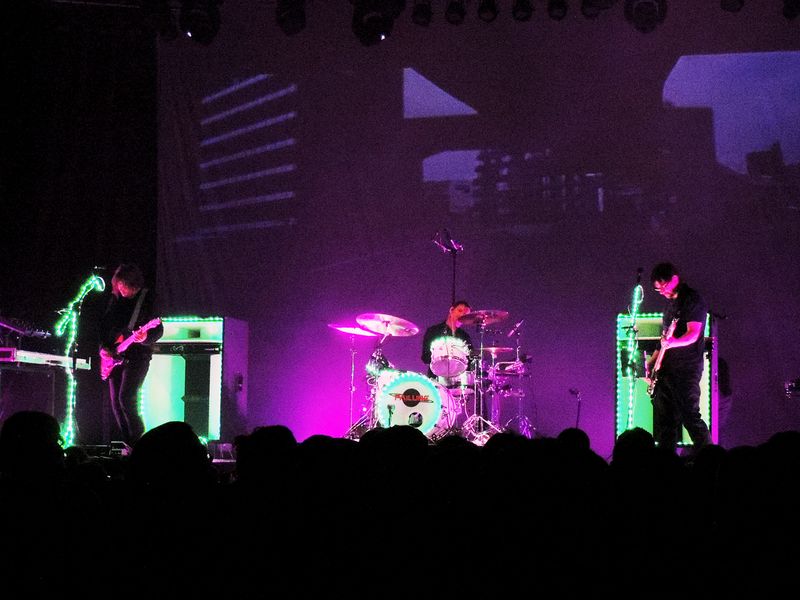
Long before space rock became trendy again, this Los Angeles trio was blending heavy grunge with cosmic soundscapes that felt completely out of step with their era.
Failure’s dense, layered approach to alternative rock featured swirling guitars and philosophical lyrics that demanded repeated listens.
Their 1996 masterpiece “Fantastic Planet” bombed commercially but became a cult classic that bands like Deftones and A Perfect Circle openly admired.
The production techniques they pioneered—stacking multiple guitar tracks to create otherworldly textures—became standard practice decades later.
After reuniting in 2014, they finally received the appreciation that eluded them the first time around.
3. Unwound
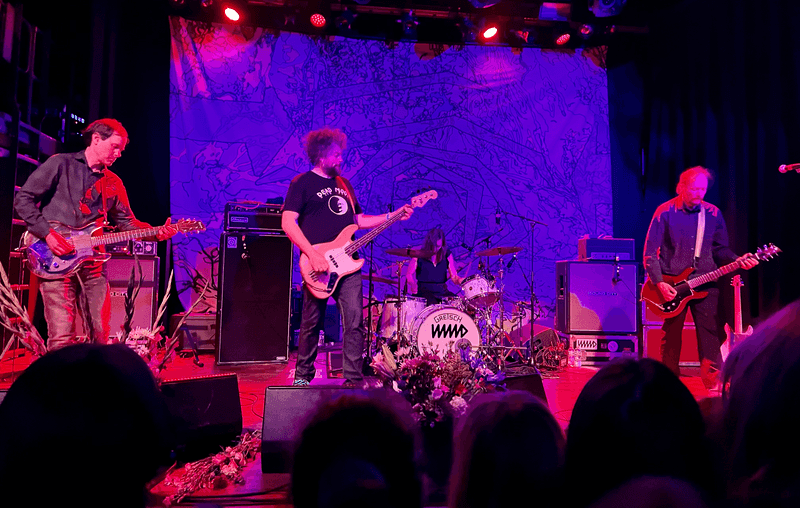
Raw intensity met experimental ambition when Unwound emerged from Olympia’s underground scene.
This post-hardcore trio rejected the polished production of mainstream ’90s rock, instead creating abrasive yet intricate compositions that challenged what punk could be.
Their use of dissonance, unconventional song structures, and mathematical precision influenced the entire post-rock movement that followed.
Albums like “Leaves Turn Inside You” stretched beyond typical punk boundaries into ambient and experimental territory.
Today’s math rock and noise rock bands owe a massive debt to Unwound’s fearless approach to songwriting and their refusal to compromise their artistic vision for commercial success.
4. Chavez
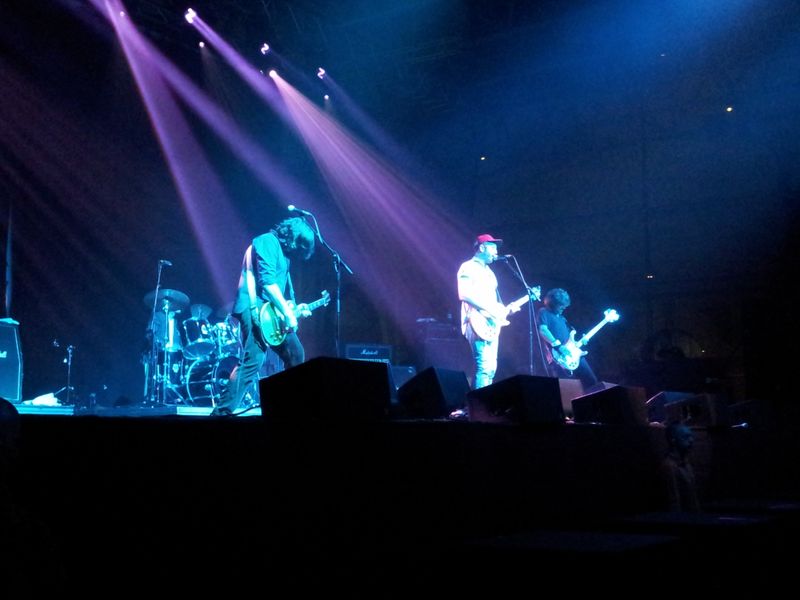
Precision and chaos danced together whenever Chavez plugged in their guitars.
This New York quartet created interlocking guitar patterns so complex that most bands wouldn’t attempt them, yet somehow made it all sound effortlessly cool.
Their two albums, “Gone Glimmering” and “Ride the Fader,” became blueprints for the math rock explosion of the 2000s.
Matt Sweeney’s angular guitar work and Clay Tarver’s rhythmic innovations created a template that bands like Battles and Don Caballero would expand upon.
Despite critical acclaim, they dissolved in 1999, leaving behind a small but monumentally influential catalog that guitar nerds still obsess over today.
5. Sunny Day Real Estate
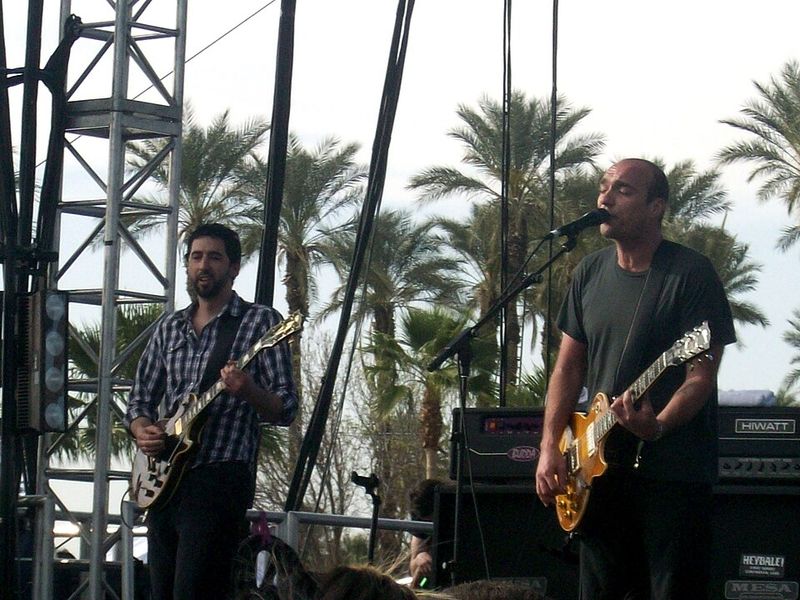
Before emo became synonymous with eyeliner and pop-punk, Sunny Day Real Estate was crafting emotionally devastating indie rock that set the template for everything that followed.
Their 1994 debut “Diary” featured Jeremy Enigk’s soaring vocals over dynamic guitar work that shifted from whisper-quiet to explosive.
The Seattle quartet proved that vulnerability could be powerful, influencing everyone from Dashboard Confessional to modern emo revivalists.
Their willingness to embrace dramatic emotional expression without irony was revolutionary in the cynical ’90s alternative scene.
Despite multiple breakups, their impact on emo, post-hardcore, and indie rock remains undeniable and continues inspiring new generations of sensitive rockers.
6. Quicksand
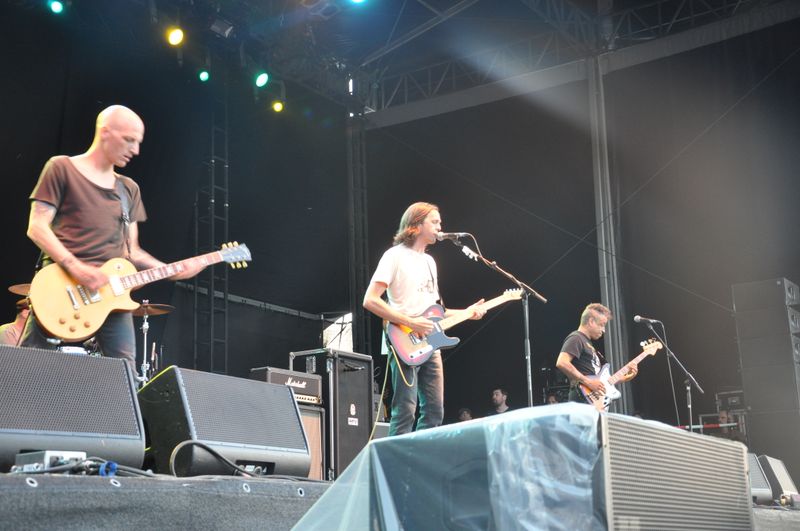
When hardcore punk needed to evolve, Quicksand showed the way forward.
This New York supergroup combined the aggression of their hardcore roots with introspective lyrics and melodic sensibilities that hardcore purists initially rejected.
Their albums “Slip” and “Manic Compression” bridged the gap between old-school hardcore and the post-hardcore movement, essentially creating a roadmap for bands like Thursday and Glassjaw.
Walter Schreifels’ intelligent songwriting elevated typical punk themes into something more philosophical and personal.
Though they split in 1995, their reunion decades later found a whole new audience of fans who grew up on the bands Quicksand influenced, finally giving them proper recognition.
7. Lungfish
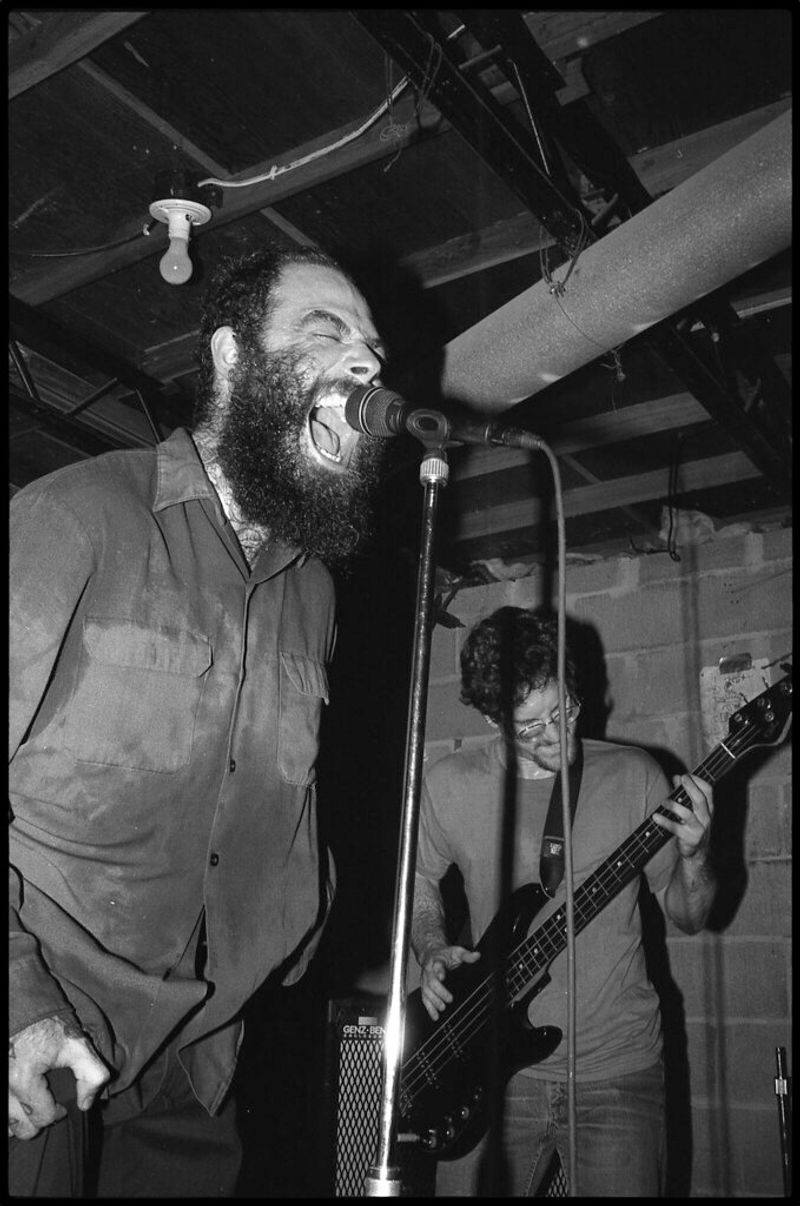
Repetition became transcendence in Lungfish’s hands.
This Baltimore band stripped punk down to its most essential elements, creating hypnotic grooves and chant-like vocals that felt more like ancient rituals than rock concerts.
Over eleven albums, they never compromised their stark, minimalist vision, influencing the entire post-punk revival without ever seeking mainstream attention.
Daniel Higgs’ enigmatic lyrics and the band’s commitment to repetitive, trance-inducing rhythms predated the krautrock revival by a decade.
Their DIY ethic and refusal to tour extensively made them legends in underground circles.
Bands like Fugazi championed them, but Lungfish remained beautifully obscure, creating art purely for art’s sake.
8. Swervedriver
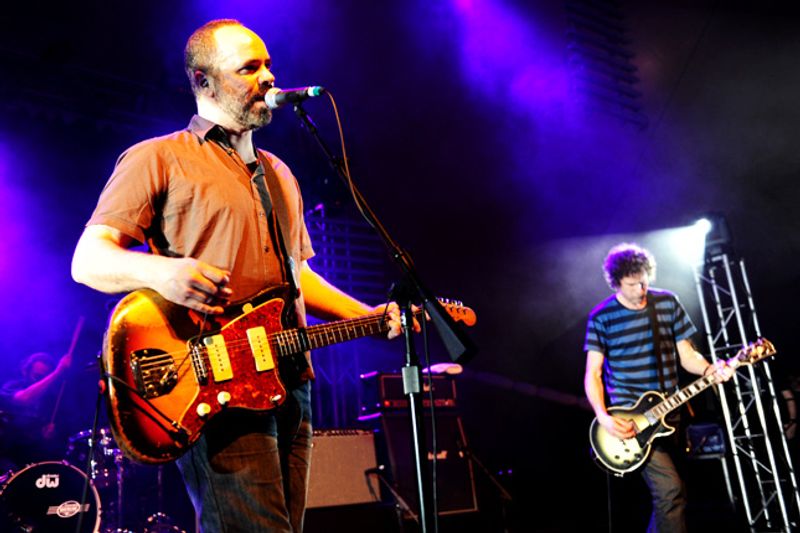
British shoegaze met American rock muscle when Swervedriver cranked their amplifiers.
While their UK peers like My Bloody Valentine got more attention, this Oxford band was secretly crafting the blueprint for stoner rock and modern heavy psych.
Their debut “Raise” combined shoegazing’s dreamy textures with driving rhythms that actually moved forward instead of floating in place.
The band’s love of muscle cars and highway imagery gave their psychedelia a masculine edge that set them apart from the ethereal shoegaze crowd.
Queens of the Stone Age and countless desert rock bands clearly studied Swervedriver’s formula of combining heavy riffs with swirling effects and melodic hooks.
9. Bedhead
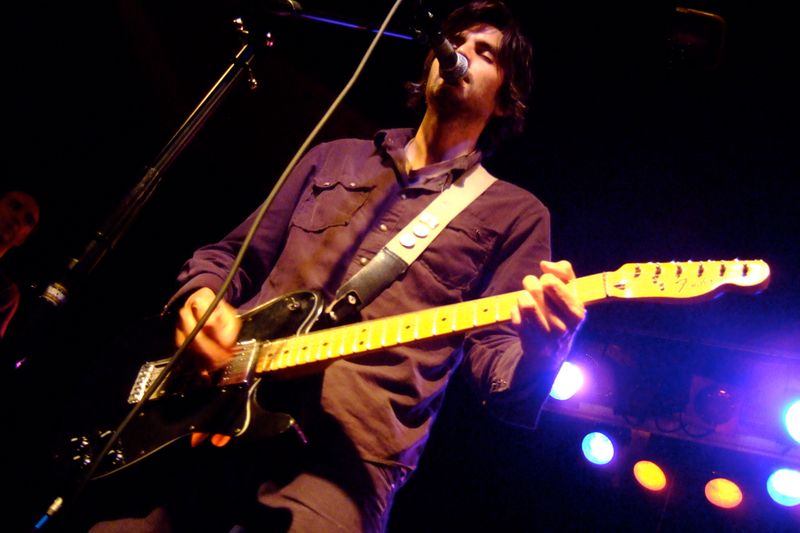
Whisper-quiet doesn’t usually describe rock music, but Bedhead made it their signature.
This Texas trio played so softly that audiences had to lean in and truly listen, creating an intimacy most loud bands could never achieve.
Their intricate guitar interplay and hushed vocals on albums like “WhatFunLifeWas” predated the entire slowcore movement and influenced indie darlings like Death Cab for Cutie.
The Kadane brothers’ delicate compositions proved that dynamics didn’t require volume—tension could build through restraint and subtle shifts.
Their anti-rock star approach and commitment to quietness was revolutionary in the loud ’90s alternative landscape.
Though they disbanded in 1998, their gentle innovations continue resonating with bedroom pop and indie folk artists today.
Comments
Loading…