
 Harper Hall
14 Movies Everyone Loves—But Their Message Is Awful
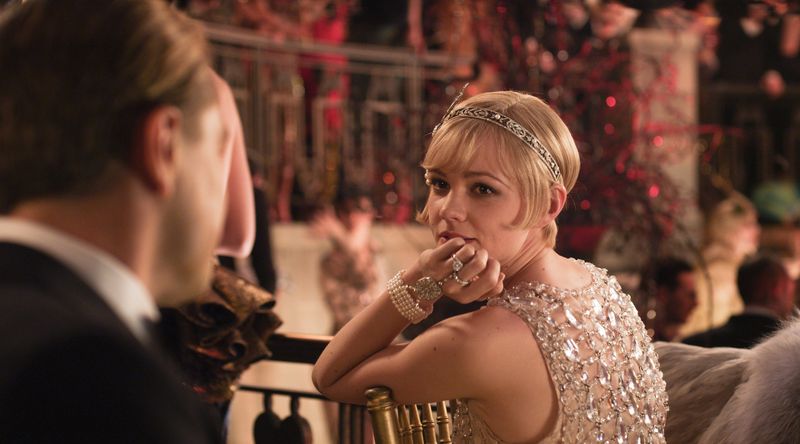
Some movies are so entertaining that it’s easy to overlook the unusual — and sometimes troubling — lessons hiding just beneath the surface. You may have watched these films countless times, humming the songs, quoting the lines, and laughing along without giving them a second thought. But when you take a closer look, the messages they send can be surprisingly problematic.
Here are 14 beloved movies that slipped some seriously questionable ideas past all of us, proving that even our favorite films aren’t always as innocent as they seem.
1. Mean Girls (2004)
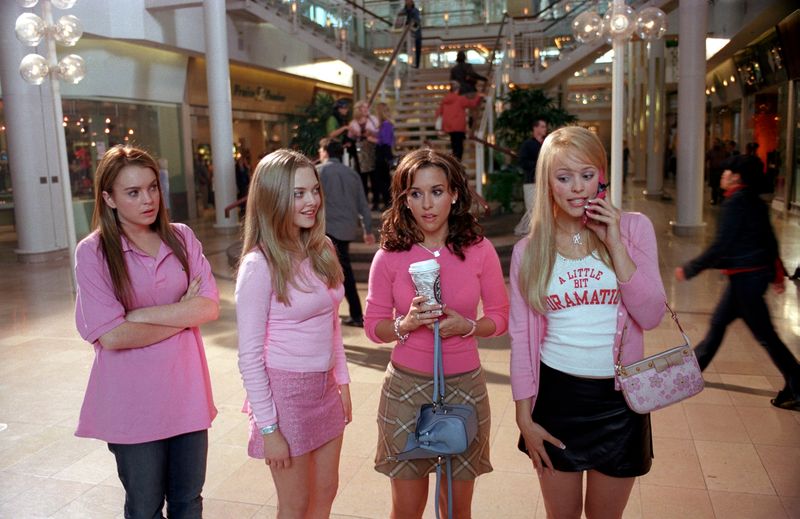
Everybody quotes this movie, but here is the awkward truth: Mean Girls kind of teaches that the best way to beat a bully is to become one yourself.
Cady spends most of the film turning into the very thing she hated.
Sure, she eventually apologizes, but the movie spends way more time making her “mean girl” era look glamorous and fun.
The real message gets buried under catchy one-liners and fabulous outfits.
Girl-on-girl bullying is basically treated as entertainment.
That is a pretty uncomfortable lesson dressed up in a really stylish package.
2. Twilight (2008)
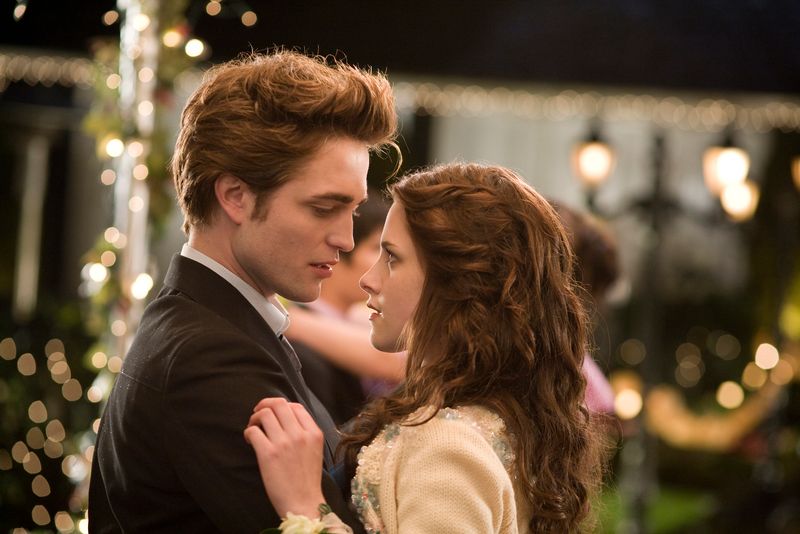
Edward Cullen watches Bella sleep without her permission, controls who she spends time with, and openly admits he has wanted to kill her.
Somehow, the movie frames all of this as deeply romantic.
Millions of fans swooned over behavior that would be considered a serious red flag in any real relationship.
Bella also gives up her entire identity, her family, and eventually her humanity just to be with a guy she has known for a few months.
Romantic devotion is one thing, but completely erasing yourself for someone else is a lesson young viewers definitely did not need.
3. The Wolf of Wall Street (2013)
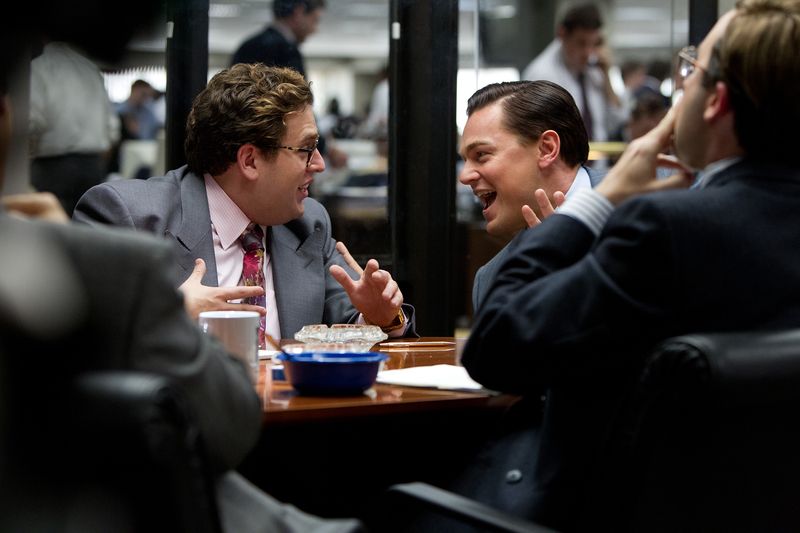
Martin Scorsese made a three-hour film about a man who cheated, stole, and destroyed lives—and somehow made it look like the most exciting party ever filmed.
Jordan Belfort gets yachts, mansions, and wild adventures before facing any real consequences.
By the time punishment arrives, many viewers have already decided he is their favorite character.
The movie never truly condemns his actions in a way that sticks.
Research has actually shown that audiences walked out inspired rather than disgusted.
When a cautionary tale accidentally becomes a how-to guide, something has gone seriously wrong with the storytelling.
4. 10 Things I Hate About You (1999)
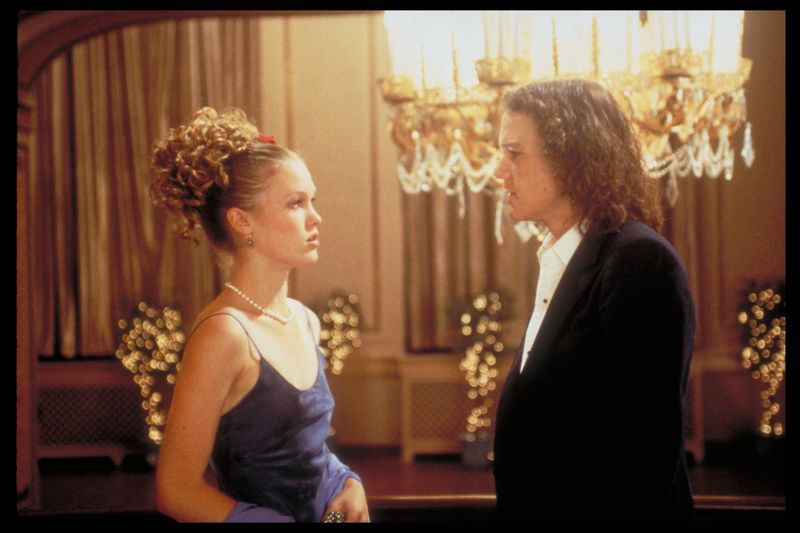
Few romantic comedies from the 90s are as beloved as this one, but the central plot is genuinely troubling.
Patrick is literally paid to date Kat.
He pursues her not because he likes her, but because another guy wants access to her sister.
That is manipulation dressed up as a love story.
Even after Kat discovers the truth and is rightfully furious, the movie rushes to Patrick’s redemption without giving her feelings nearly enough space.
She forgives him almost immediately, teaching viewers that being lied to is totally fine as long as the guy is charming enough.
Yikes.
5. Aladdin (1992)
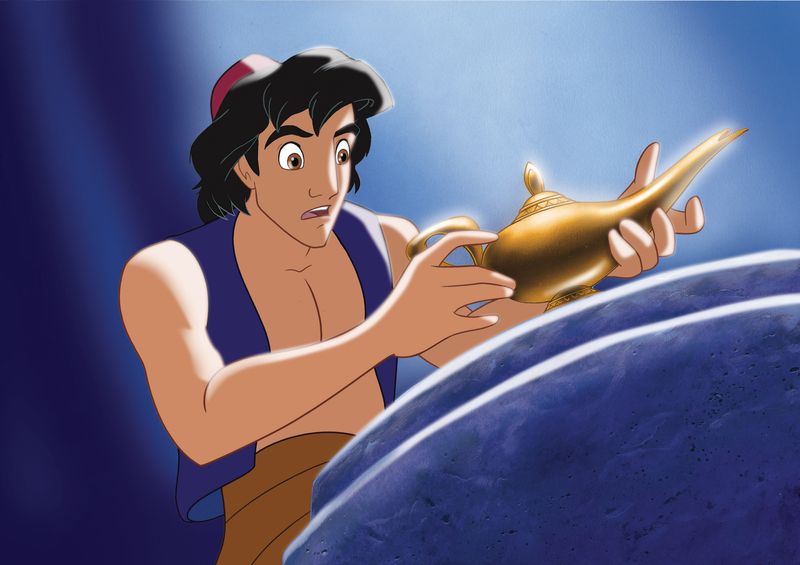
Aladdin is a Disney classic full of catchy songs and lovable characters, but the core message is quietly unsettling.
Aladdin wins Jasmine’s heart by pretending to be a prince—essentially lying about everything that makes him who he is.
The film rewards deception with love, a palace, and a happy ending.
Jasmine, meanwhile, has almost no agency.
She exists mainly to be won rather than to make real choices.
The original opening song even contained lyrics describing the kingdom as barbaric before public backlash forced a change.
A beloved film with some serious cultural baggage tucked inside its magic lamp.
6. The Hunger Games (2012)
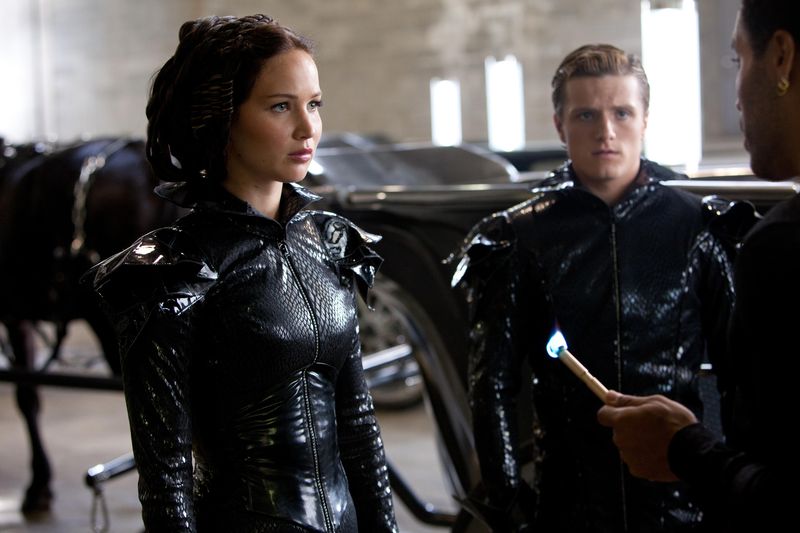
On the surface, The Hunger Games looks like a powerful story about fighting oppression.
Katniss is brave, resourceful, and genuinely inspiring.
But look at the system she ends up serving by the final film—she becomes a symbol used by yet another powerful group to wage their own war.
Revolution gets co-opted almost immediately.
The films also make spectacular violence look thrilling and visually gorgeous.
Teenagers killing each other is treated as edge-of-your-seat entertainment.
There is a conversation worth having about whether the franchise critiques that spectacle or simply recreates it for a new audience to consume with popcorn and merchandise.
7. The Devil Wears Prada (2006)
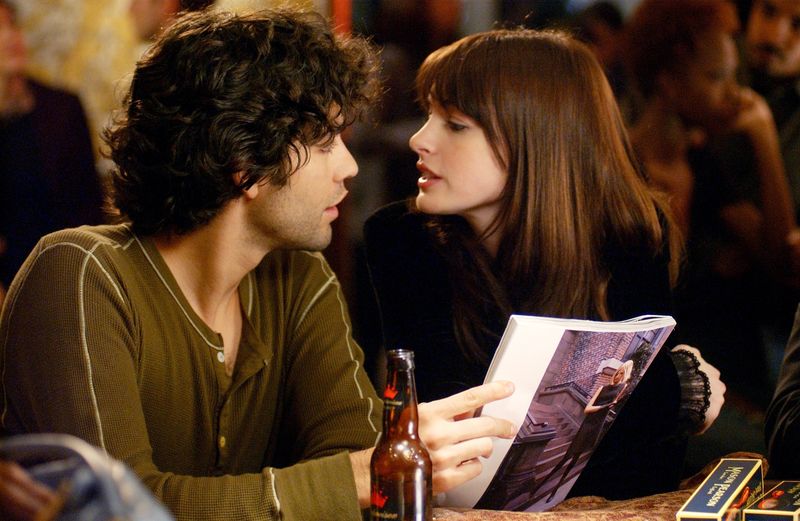
Miranda Priestly is one of cinema’s most iconic bosses, and that is exactly the problem.
The film spends considerable time making her cruelty look powerful, glamorous, and even aspirational.
Andy’s growth is framed as learning to survive Miranda’s abuse rather than recognizing it as a toxic work environment she should leave.
Workplace bullying dressed in Chanel is still bullying.
The movie ends with Andy walking away, but not before spending most of its runtime teaching audiences that enduring mistreatment from a powerful person is simply the price of success.
That is a lesson a lot of workplaces have unfortunately taken to heart.
8. The Great Gatsby (2013)
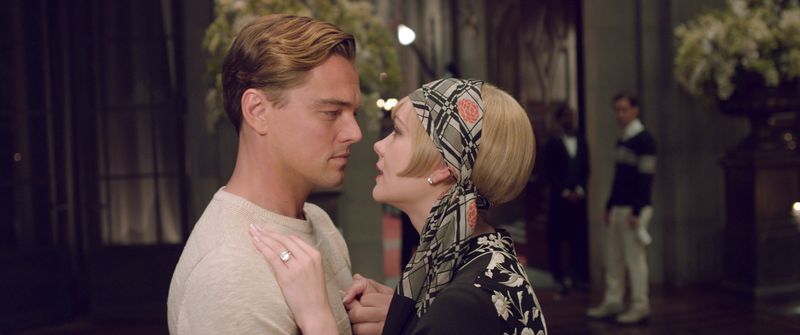
Baz Luhrmann’s version of The Great Gatsby is visually spectacular, and that is precisely where the problem hides.
The book F.
Scott Fitzgerald wrote was a sharp critique of the American Dream and the emptiness of wealth.
Luhrmann’s film turns those same parties into something you desperately want an invitation to.
The glitter, the music, and the sheer excess make Gatsby’s hollow lifestyle look genuinely enviable.
When the tragedy arrives, it almost feels like a small price for all that fun.
A story meant to warn audiences about obsession with money and status accidentally became the most beautiful advertisement for both.
9. Grease (1978)
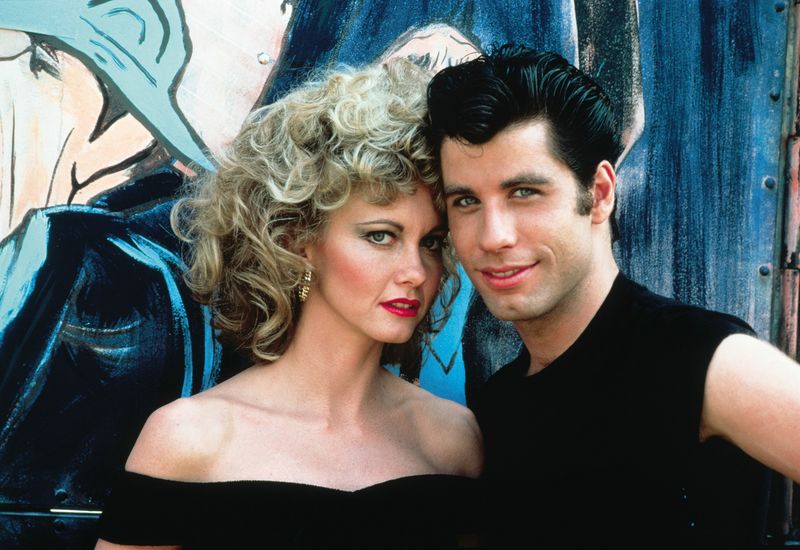
Grease has been beloved for decades, and its ending remains one of the most jaw-dropping in musical history—for all the wrong reasons.
Sandy completely changes her personality, her values, and her entire look to win Danny’s approval.
She gives up who she is to become someone he will find attractive.
That is the happy ending.
Danny does make a halfhearted attempt to join the track team for her, but the film clearly treats Sandy’s transformation as the real love story.
Teaching young people that changing everything about yourself is romantic and not heartbreaking is a lesson that has aged about as well as a poodle skirt.
10. Frozen (2013)
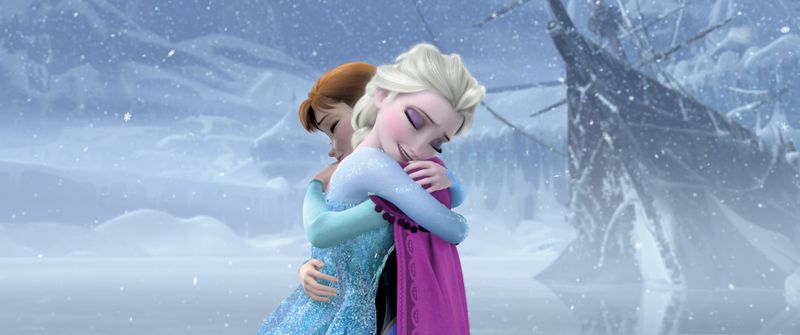
Frozen gets credit for subverting the typical prince-saves-princess formula, and that part genuinely deserves applause.
But the movie also quietly suggests that hiding your true self to protect other people is noble and necessary.
Elsa spends most of the film suppressing who she is because her emotions are dangerous—a message that hits differently for kids who already feel like they need to hide parts of themselves.
The iconic song “Let It Go” celebrates freedom, but the story punishes Elsa almost immediately after she embraces it.
Mixed messages wrapped in gorgeous animation and one very catchy song that parents still hear in their nightmares.
11. Alvin and the Chipmunks (2007)
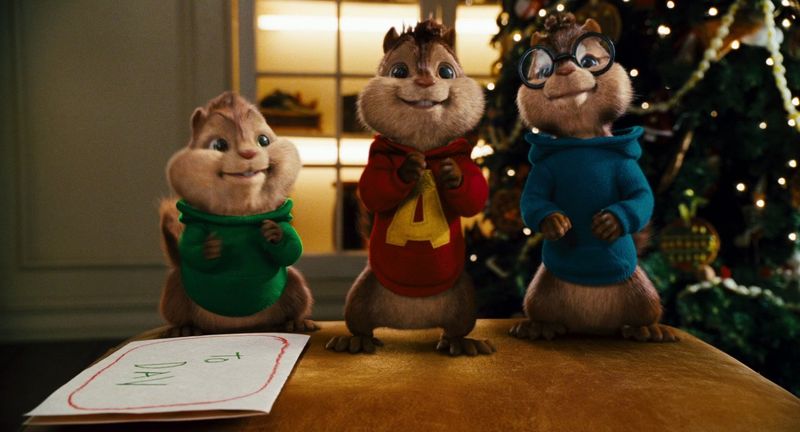
Nobody expects deep philosophy from a movie about singing chipmunks, but the message here is surprisingly grim.
Dave works himself into the ground, sacrifices his personal life, and allows the chipmunks to be completely exploited by a greedy record label—all in the name of fame and success.
The film treats this as normal and even fun.
Children watching learn that talent should be monetized as quickly as possible, and that the adults around you will prioritize profit over your wellbeing.
For a cheerful kids’ movie, that is a pretty bleak picture of the entertainment industry.
Also, the chipmunk voices are genuinely painful after thirty minutes.
12. The Karate Kid (1984)
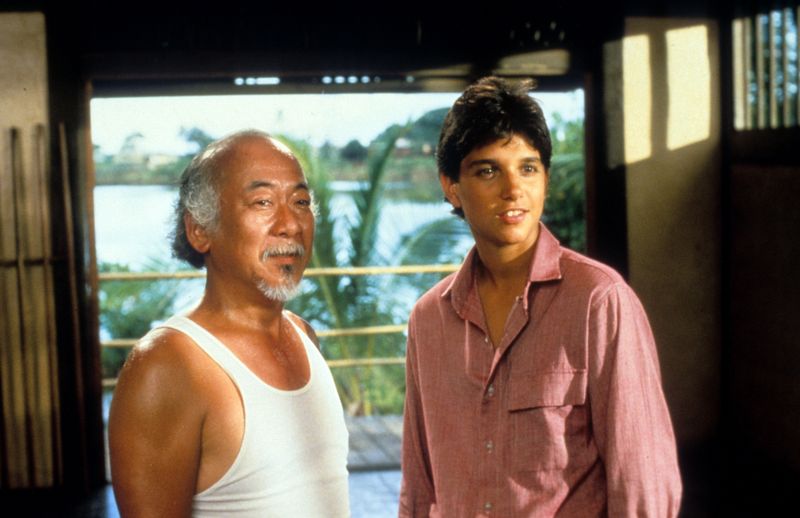
Here is a hot take: Daniel LaRusso might not be the straightforward hero the movie wants you to think he is.
He moves to a new town, picks fights, and provokes the Cobra Kai kids repeatedly before they retaliate.
Mr. Miyagi is wonderful, but the film ultimately teaches that violence is the correct solution to bullying—as long as you learn the right kicks first.
The tournament finale, where Daniel wins with an illegal kick to the face, is celebrated as triumphant.
Real anti-bullying experts would have a very different take on that particular resolution.
Still a great movie though—just a complicated one.
13. Shrek (2001)
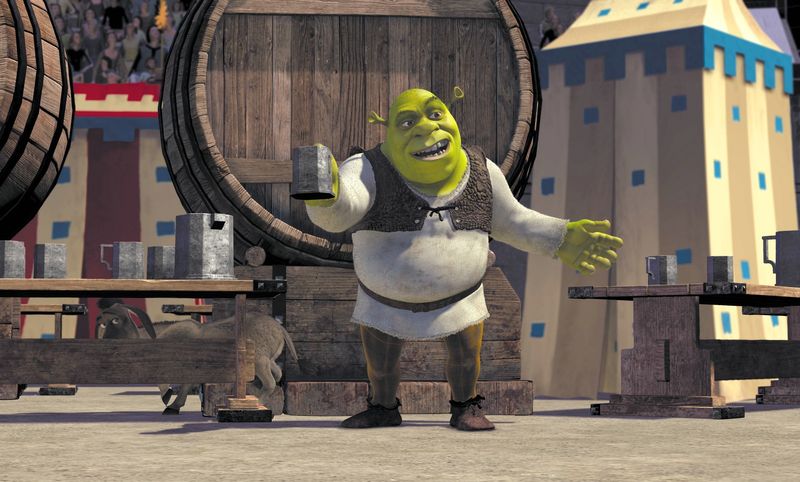
Shrek built its entire identity on mocking fairy tale clichés, which made audiences feel clever for watching it.
But look at Fiona’s arc and things get complicated fast.
She spends years locked in a tower waiting to be rescued, and when her “true form” is revealed to be an ogre, her worth is immediately tied to whether Shrek finds her attractive anyway.
The movie mocks beauty standards on the surface while still centering a woman’s value on male approval underneath.
It is a subversive fairy tale that accidentally replicates several of the same problems it was mocking.
Revolutionary packaging, surprisingly traditional contents inside.
14. Beauty and the Beast (1991)
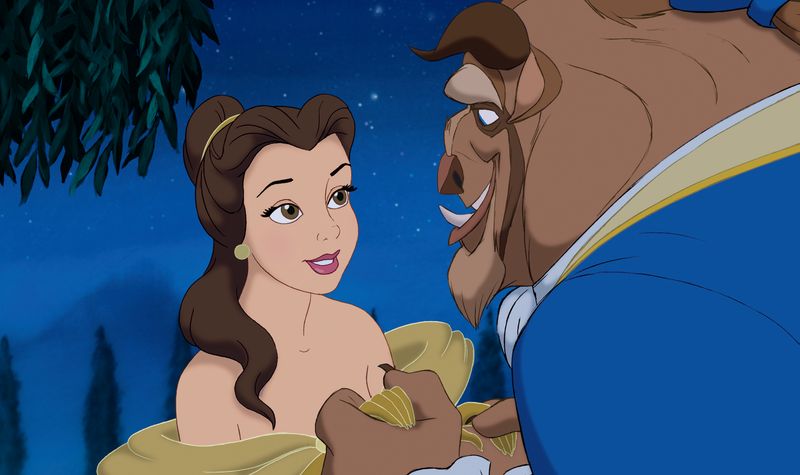
Stockholm syndrome has never looked so magical, and that is exactly the concern critics have raised for decades.
Belle is literally imprisoned by the Beast, cut off from her father and her village, and gradually develops romantic feelings for her captor.
The film frames her emotional attachment as love rather than a survival response.
The Beast also starts the relationship by screaming at Belle, destroying furniture, and terrifying her into submission.
His transformation into a kind person is treated as her reward for staying.
Teaching children that love means enduring someone’s anger until they improve is a message that relationship counselors would strongly push back on.
Comments
Loading…