
 Hailey Watson
20 Things People Grew Up Thinking Every Family Did

Growing up, most of us believed our family routines were totally normal.
We assumed everyone’s parents saved plastic bags, yelled from room to room, or had that one special chair nobody else could sit in.
It wasn’t until we got older and talked to friends that we realized some families operated completely differently.
These twenty everyday habits show just how unique each household really is.
1. Washing and Reusing Disposable Plates
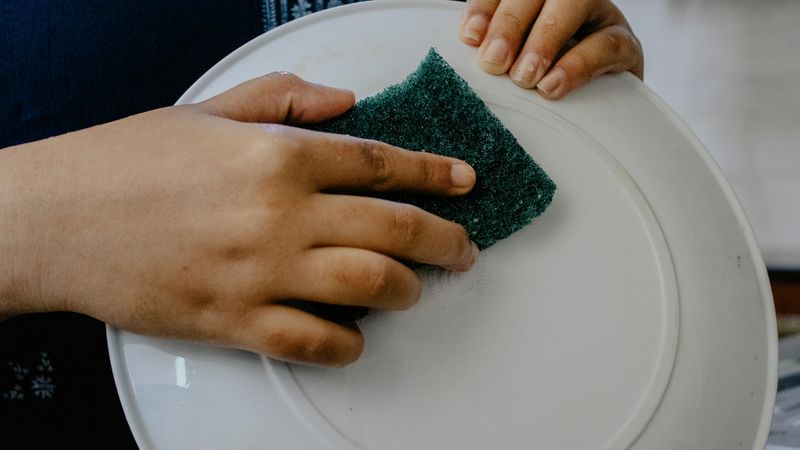
Some families treated paper plates and plastic cups like they were fine china.
After every picnic or party, these dishes got a full wash cycle in the sink.
Kids learned early that “disposable” was just a suggestion, not a rule.
Parents insisted this saved money and helped the environment.
The plates would sit drying on the counter like regular dishes.
Sometimes they’d get reused so many times they’d start falling apart.
Friends visiting for dinner would be totally confused seeing paper plates in the dish rack.
This habit shocked classmates who tossed everything after one use.
Looking back, it was creative recycling before recycling was cool.
2. The Mysterious Junk Drawer
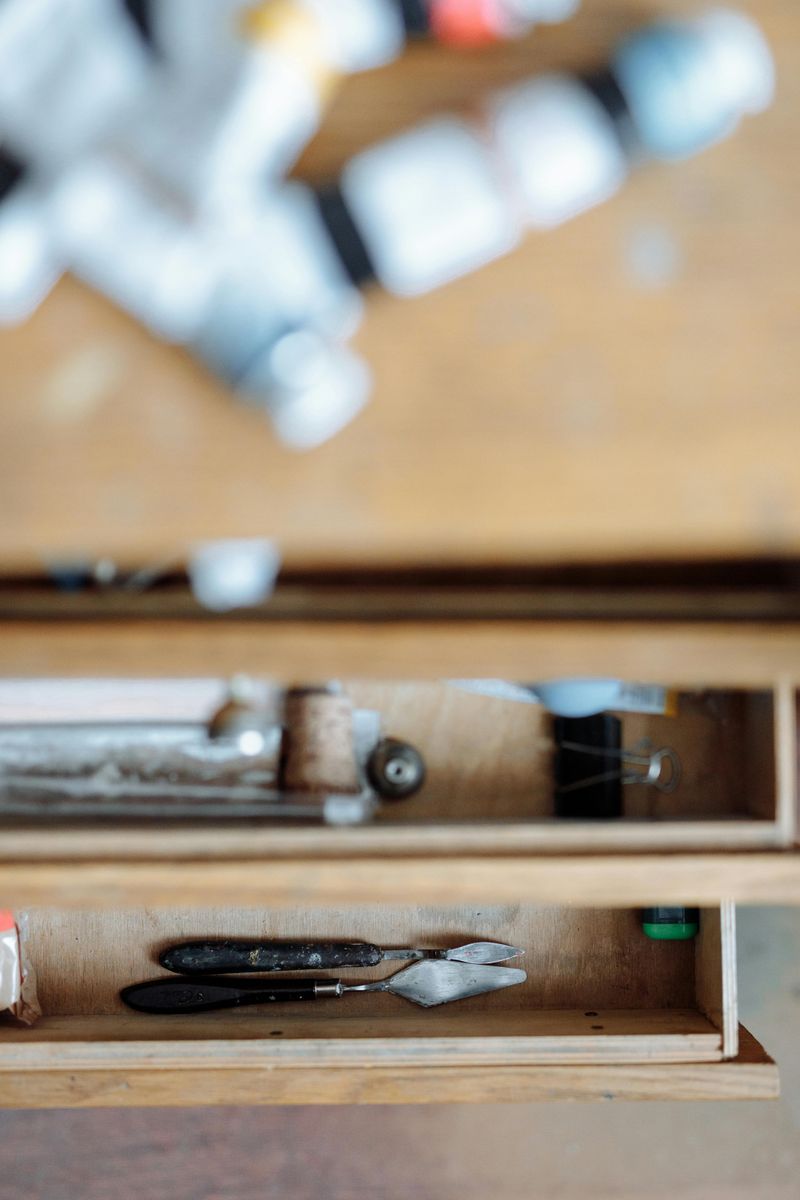
Every home had that one drawer nobody could fully close.
Inside lived batteries that might be dead, seventeen pens, rubber bands, and mysterious keys.
Opening it meant risking an avalanche of random stuff onto the floor.
Need scissors?
Check the junk drawer.
Looking for tape?
Probably buried in there somewhere.
This magical mess somehow contained exactly what you needed, eventually.
Parents never organized it, and kids weren’t allowed to throw anything away.
The drawer just kept growing year after year.
Some families even had multiple junk drawers throughout the house, each one equally chaotic and somehow essential.
3. Ice Cream Containers Full of Leftovers
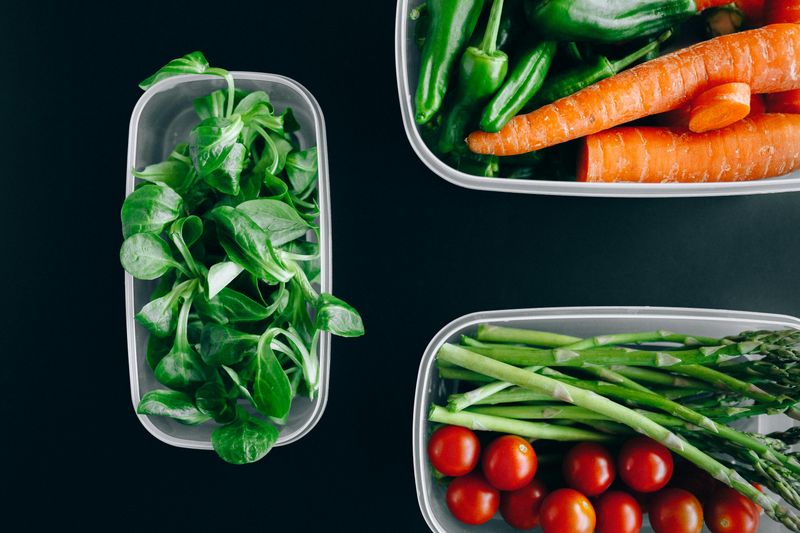
Getting excited about ice cream in the freezer only to find frozen spaghetti sauce was heartbreaking.
Parents loved reusing these containers because they stacked perfectly and had tight lids.
The disappointment became a universal childhood experience.
You’d reach for chocolate chip cookie dough and discover chicken soup instead.
Sometimes the containers held mystery food nobody could identify anymore.
Kids learned to shake the container first before getting their hopes up.
This trick confused sleepover guests who thought they were getting a midnight snack.
The betrayal felt personal every single time.
Eventually, spotting an actual ice cream container meant trust issues for life.
4. Hoarding Plastic Grocery Bags
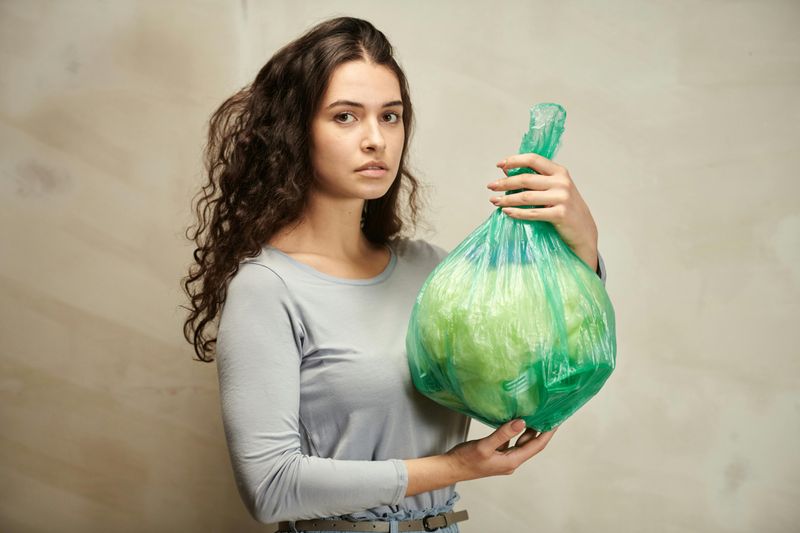
Under the sink lived a massive bag filled with other bags.
These plastic sacks multiplied faster than anyone could use them.
Families collected them like precious resources, even though new ones arrived weekly.
Mom insisted they’d be useful for lunch bags, trash can liners, or packing stuff.
The collection grew so large it could barely fit in the cabinet.
Sometimes the bag of bags would rip from being too full.
You might need one bag, but pulling it out meant five others came along.
Guests thought it was weird to save garbage.
Now everyone understands they should’ve just bought reusable bags years ago.
5. The Good China Nobody Touches
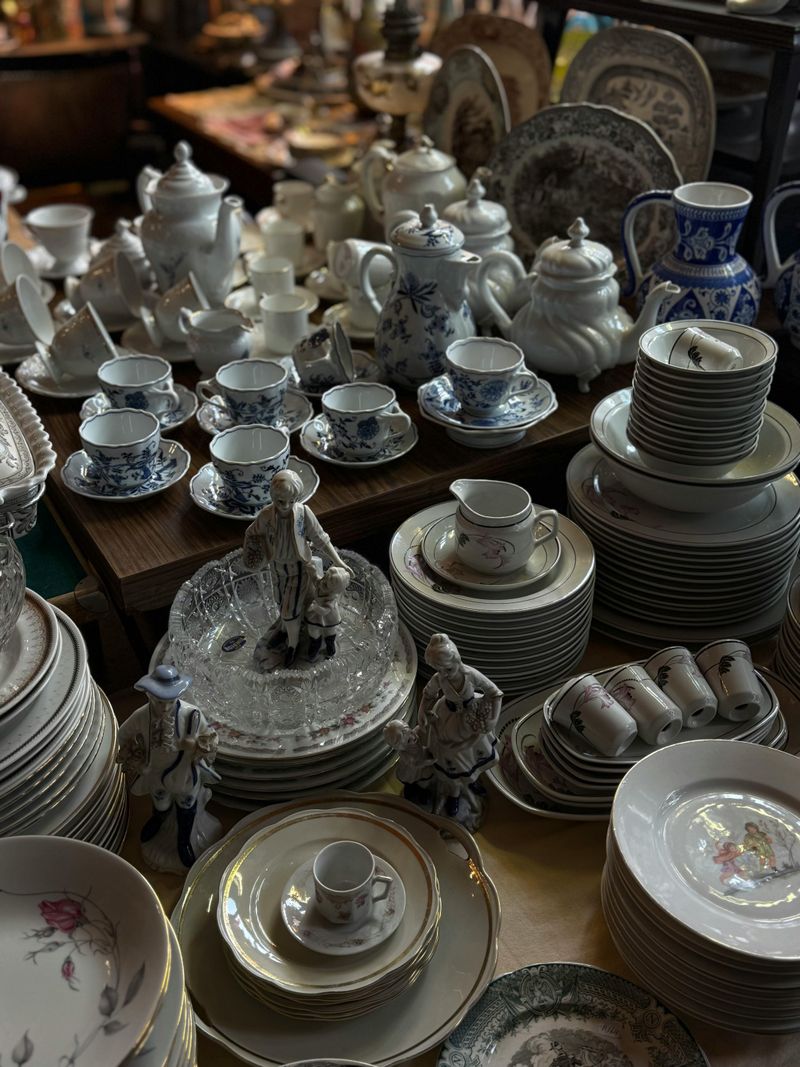
Fancy plates sat in the dining room cabinet gathering dust for decades.
These dishes only came out for Thanksgiving or super important guests.
Regular Tuesday dinners?
Absolutely not worthy of the good china.
Kids weren’t allowed within three feet of the cabinet.
Mom would mention how expensive these plates were at least twice a year.
They sparkled behind glass doors, looking brand new because nobody ever used them.
When special occasions finally arrived, everyone felt nervous eating off them.
One chip or crack would cause a family crisis.
Most of these dish sets outlived their owners, still perfectly preserved in their original glory.
6. Yelling Across the House Instead of Walking

Why walk fifteen feet when you can just scream someone’s name repeatedly?
Families developed impressive lung capacity from constant cross-house communication.
Conversations happened between floors, through walls, and from opposite ends of the building.
Parents would yell “DINNER!” so loud the neighbors probably heard it.
Kids would shout “WHAT?” back instead of just going to them.
The house functioned like one giant walkie-talkie system without the technology.
Nobody seemed to notice how ridiculous this was until friends visited.
Guests would look confused when casual conversations happened via shouting.
Phone calls were quieter than regular family communication.
The vocal workout was real and absolutely exhausting.
7. Dad’s Sacred Chair
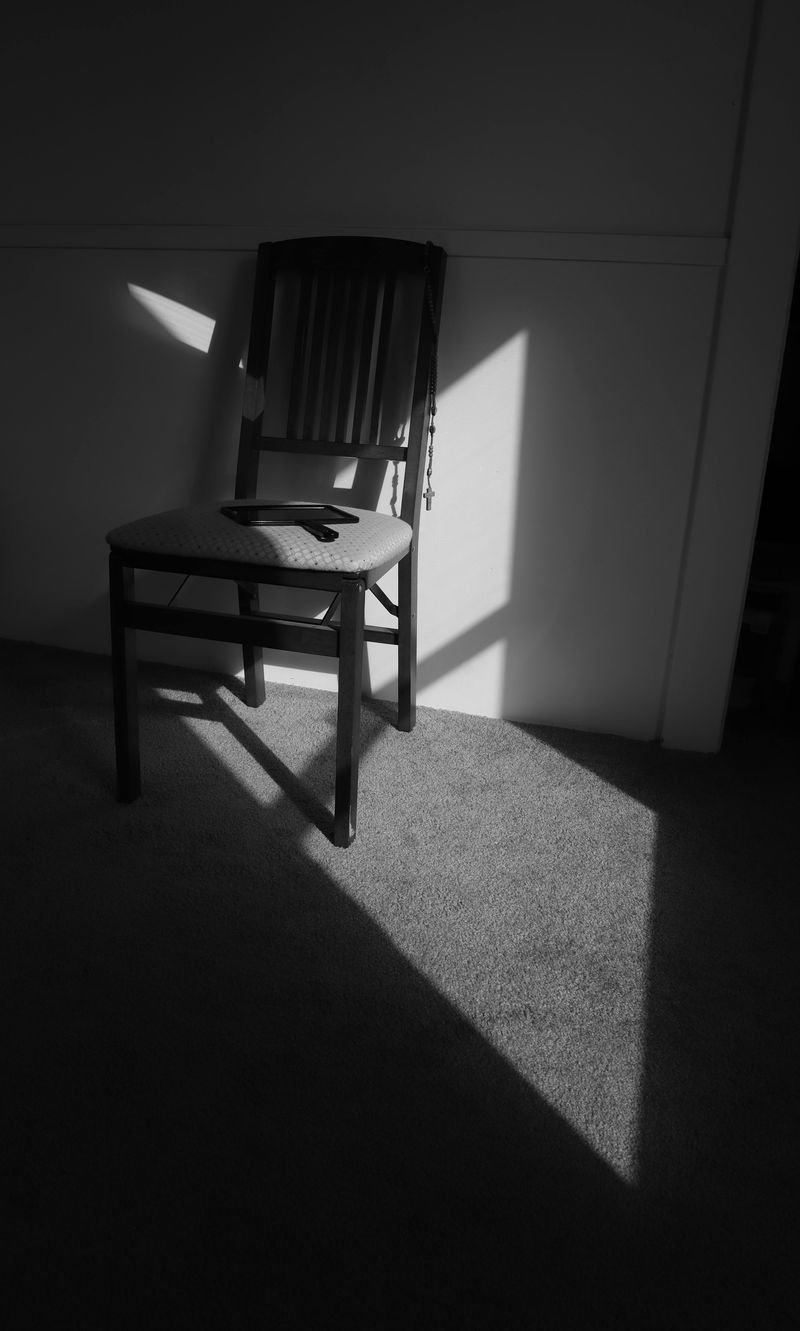
One chair in the living room belonged exclusively to Dad, and everyone knew it.
Sitting there when he was home was basically asking for trouble.
The cushions had a permanent Dad-shaped indent from years of use.
His spot came with prime TV viewing angles and arm room for the remote.
Kids would scramble out if they heard him coming home.
Even guests learned quickly not to take that seat.
Mom had her spot too, but it wasn’t as strictly enforced.
The chair represented Dad’s kingdom within the house.
Some families still maintain this tradition, passing the sacred seat from generation to generation with appropriate ceremony.
8. Furniture Wrapped in Plastic
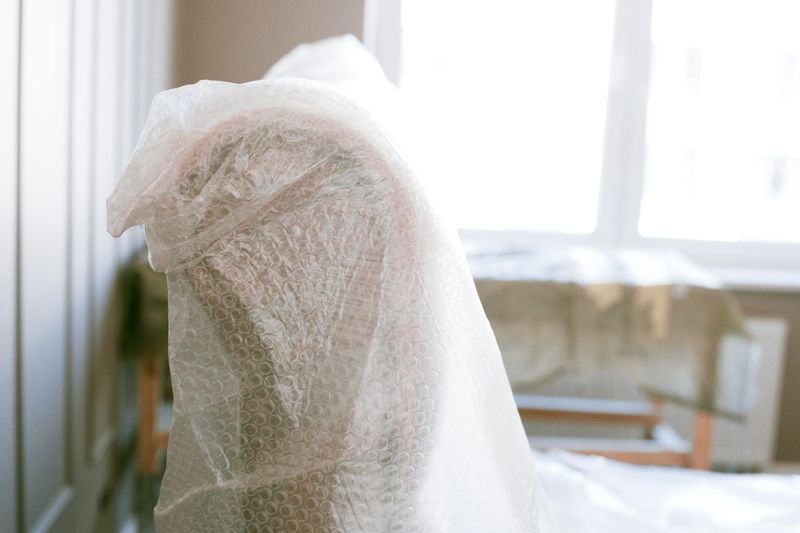
Grandma’s couch crinkled and stuck to your legs every summer.
That plastic covering was supposed to keep furniture perfect forever.
Instead, it made sitting down feel like punishment, especially in shorts.
The plastic got super hot and uncomfortable, but removing it was forbidden.
Sweat would pool underneath you during movie marathons.
Standing up created embarrassing suction sounds that echoed through the room.
Some families kept this protection on for twenty years without removing it once.
The furniture underneath stayed pristine but totally unused.
When the plastic finally came off, the couch looked brand new but felt ancient.
What a weird way to preserve something nobody enjoyed.
9. Saving Every Gift Bag and Tissue Paper

Birthday presents came with a important rule: save that bag and tissue paper!
Carefully unwrapping became an art form to preserve the materials.
A whole closet section was dedicated to this colorful collection.
The same bags circulated through families for years, getting slightly more wrinkled each time.
You might receive a gift in the exact same bag you used last Christmas.
Nobody ever bought new gift wrap when the stash existed.
Tissue paper got folded and flattened like precious fabric.
Some bags had multiple names crossed out inside from previous recipients.
This recycling system worked perfectly, though it made gifts less exciting when you recognized the packaging from three birthdays ago.
10. Butter Containers as Tupperware
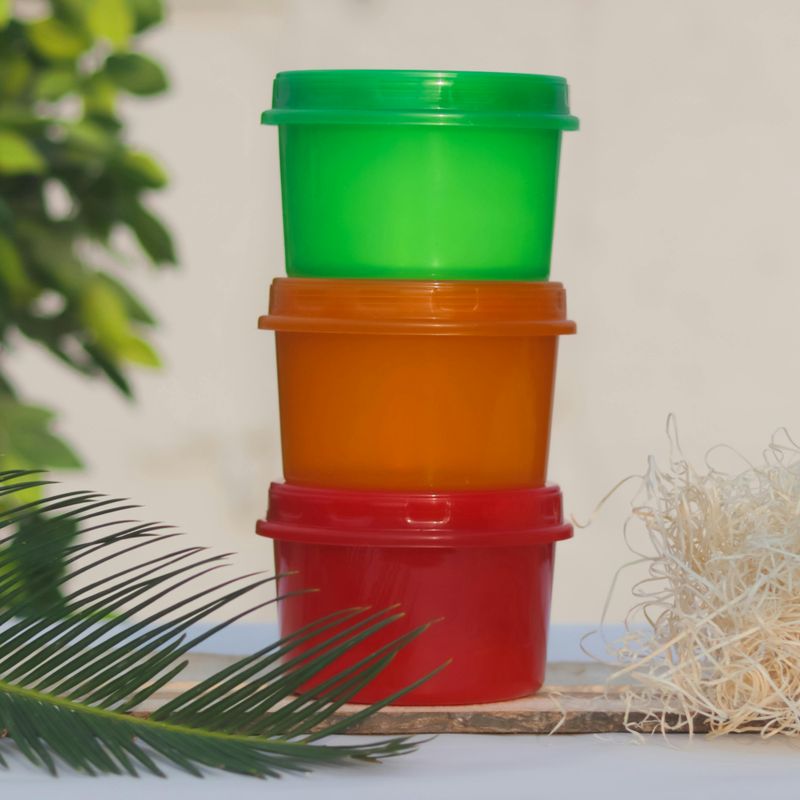
Country Crock tubs became the unofficial Tupperware of working-class America.
These containers held everything except actual butter after the first week.
The fridge looked like a butter commercial, but inside was yesterday’s meatloaf.
You never knew what you’d find when opening one.
Could be pasta, could be beans, could be something unidentifiable from last month.
The containers stacked nicely and were completely free, which made them perfect.
School lunches arrived in these tubs regularly, marking you as part of the club.
Kids with actual matching Tupperware seemed fancy by comparison.
Eventually someone would accidentally throw one away, but twelve more waited in the recycling pile to take its place.
11. The Living Room Nobody Lives In
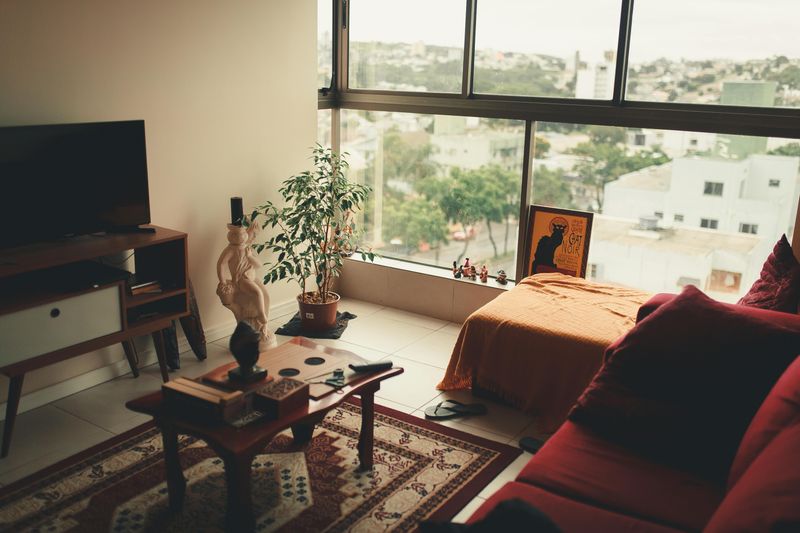
Walk past the formal living room and don’t you dare sit down.
This space existed purely for appearances and hypothetical important guests who never came.
Furniture stayed perfect because humans barely touched it.
Holidays might grant special access, but only for an hour or two.
The rest of the year, it sat empty like a museum display.
Vacuum lines in the carpet stayed visible for days because nobody walked there.
Meanwhile, everyone crammed into the family room on worn-out furniture.
The good room collected dust while real life happened elsewhere.
Some families eventually gave up and started actually using it, which felt revolutionary and slightly wrong at the same time.
12. Fighting Over the Remote Control

Before streaming services, one remote controlled the entire family’s evening entertainment.
Whoever held it wielded absolute power over sixty channels.
Wars were fought, alliances were formed, all over channel selection.
The oldest kid usually won through physical strength or intimidation.
Parents would eventually confiscate it when arguments got too loud.
Hiding the remote became a strategic move in sibling warfare.
Commercial breaks started sprint races to grab it first.
Younger siblings learned negotiation skills just to watch their favorite shows.
Some families created elaborate sign-up sheets or timer systems.
The remote represented democracy’s failure in household form, teaching kids about power struggles before they learned it in history class.
13. Saving Restaurant Condiment Packets
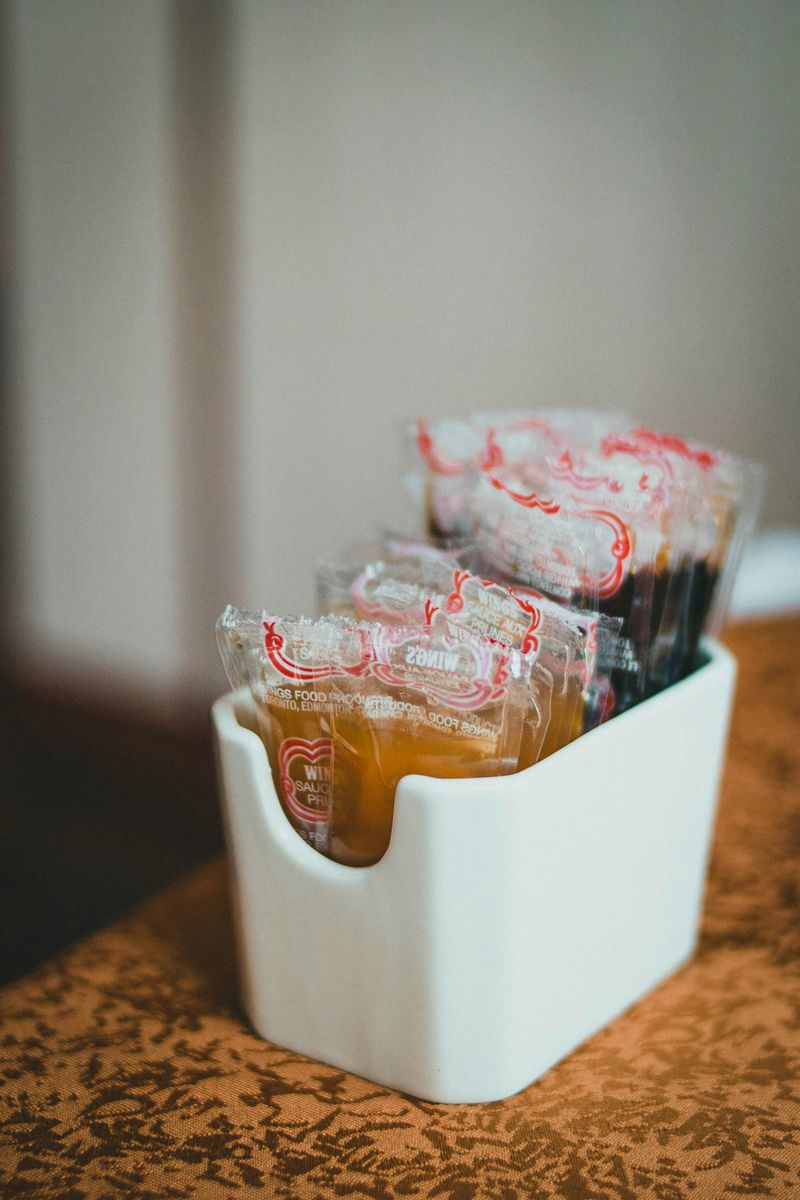
That drawer overflowing with soy sauce, ketchup, and hot sauce packets came from years of takeout hoarding.
Parents grabbed handfuls from restaurants like they were going out of style.
The collection grew faster than anyone could possibly use them.
Need ketchup?
There’s forty packets in there somewhere.
Some were so old the expiration date was barely readable.
The packets got crusty and stuck together, forming a condiment brick.
Families acted like these freebies were valuable treasures worth protecting.
Actually buying a bottle of ketchup felt like admitting defeat.
When you finally needed that one specific sauce, you’d dig through hundreds of others to find it, making a huge mess in the process.
14. Car Snacks for Every Trip
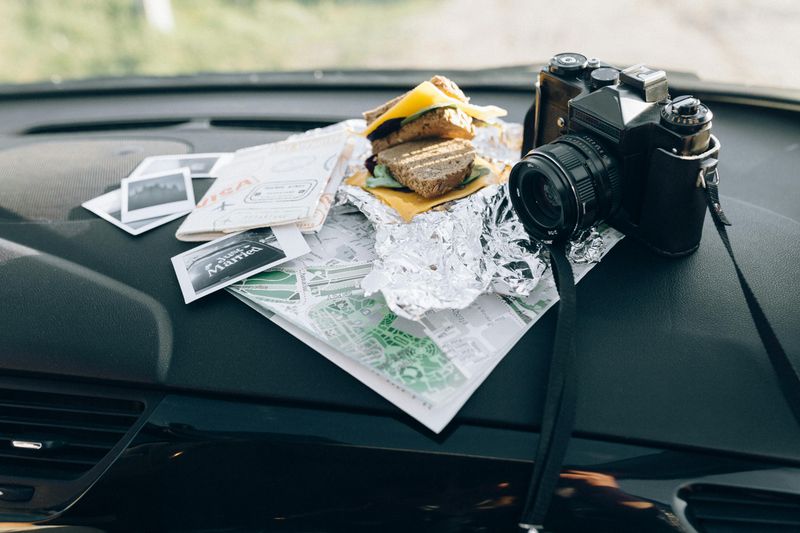
No car ride was complete without a dedicated snack bag, even for ten-minute drives.
Mom packed crackers, juice boxes, and fruit like you were crossing the desert.
The backseat transformed into a mobile pantry.
Long trips required coolers, multiple grocery bags, and strategic snack planning.
Kids learned the pecking order: healthy stuff first, treats later.
Running out of snacks meant listening to complaining for hours.
Spills were inevitable, creating permanent crumb collections in seat cracks.
The car permanently smelled like old Cheerios and apple juice.
Other families apparently just bought food when they got hungry, which seemed absolutely wild and irresponsible to snack-hoarding households.
15. We Have Food at Home

Driving past McDonald’s while your stomach growled was childhood torture.
Kids would beg for fast food, and parents would deliver the legendary line: “We have food at home.”
This phrase crushed dreams daily across America.
The food at home was never what you wanted.
It was leftovers, sandwich materials, or something requiring actual cooking.
Meanwhile, those golden arches taunted from the window.
Parents acted like stopping for a burger would bankrupt the family.
The home fridge allegedly contained better options, though evidence suggested otherwise.
Years later, adults find themselves saying this exact phrase to their own kids, finally understanding it was always about the money, not the food quality.
16. Keeping Every Twist Tie and Rubber Band
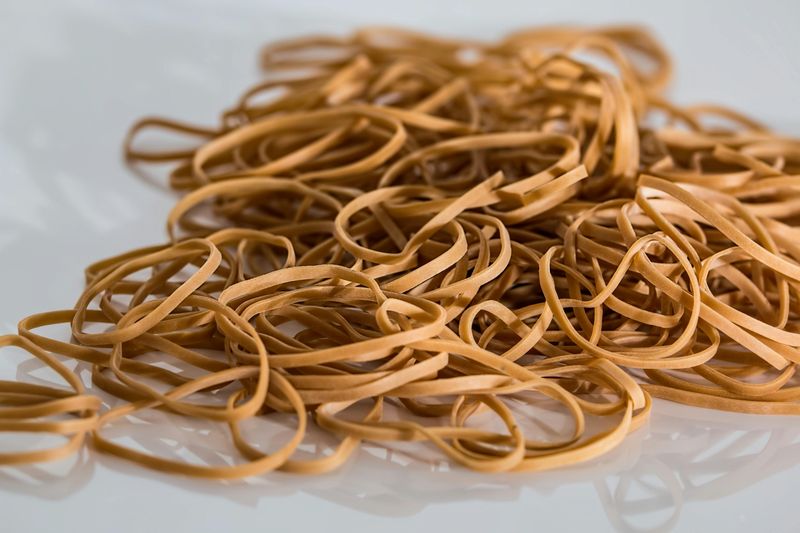
Bread bags contributed their twist ties to a growing collection in the kitchen drawer.
Rubber bands from broccoli joined the pile.
These tiny items seemed too useful to throw away, despite having hundreds already.
You could never find one when actually needed, somehow.
The collection served no real purpose except making parents feel prepared.
Twist ties tangled together into an unusable metal ball.
Rubber bands dried out and snapped before anyone used them.
Still, acquiring new ones meant adding to the stash, not replacing it.
This habit made perfect sense to parents but confused kids completely.
The collection represented preparation meeting hoarding in the most innocent way possible.
17. The Designated Phone Spot
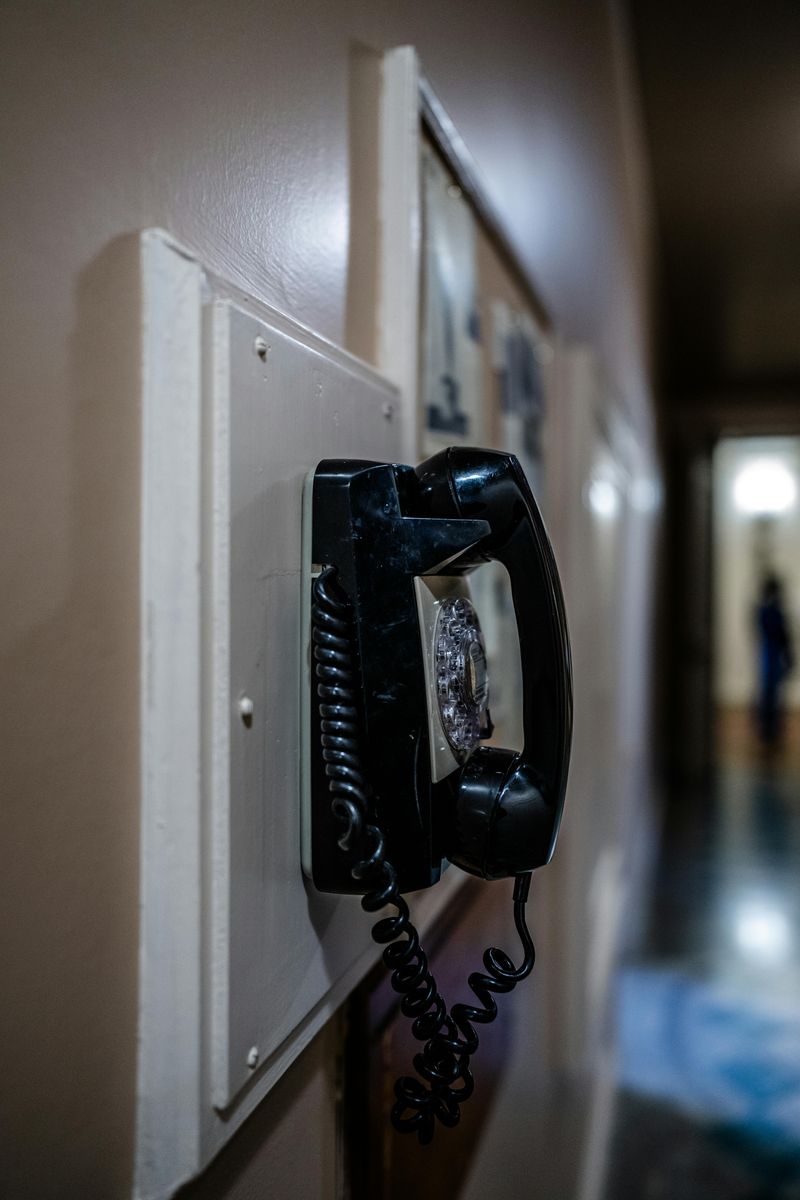
Back when phones had cords, one specific spot controlled all household communication.
Usually the kitchen wall or a small table held this important device.
Everyone gathered there for calls, stretching the spiral cord to impossible lengths.
Privacy meant pulling the phone into the hallway or closet, with the cord under the door.
Siblings would pick up other extensions to eavesdrop on conversations.
Hang-ups started arguments about who was more important.
A notepad lived next to the phone for messages, since voicemail wasn’t universal.
Call waiting created awkward interruptions mid-conversation.
Modern kids can’t imagine being tied to one location just to talk to friends.
The phone spot was command central for family social life.
18. Light Switch Police Patrol
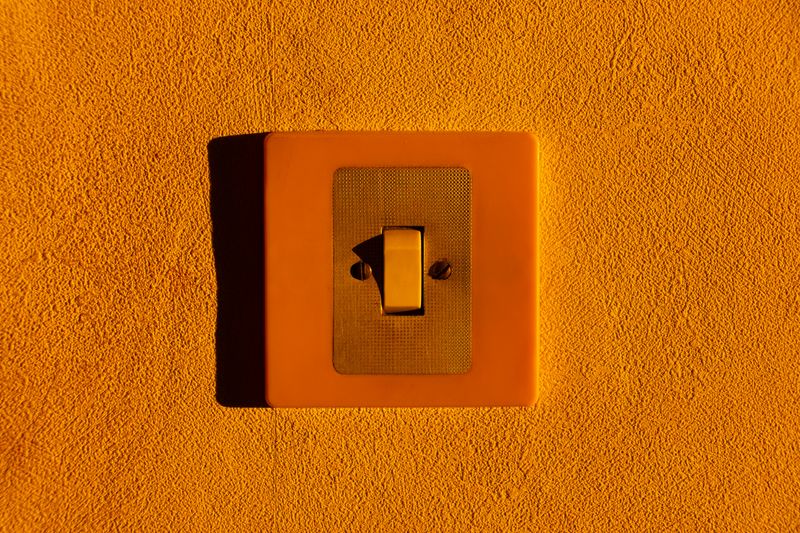
Leave a room for two seconds and someone would yell about the lights still being on.
Parents developed superhuman awareness of electricity usage throughout the house.
Wasting power was apparently worse than any actual crime.
Kids heard “turn off that light” approximately five thousand times growing up.
Empty rooms glowing from down the hall triggered immediate parental response.
The electric bill motivated constant surveillance of every switch.
Going back to flip the switch taught responsibility but felt annoying.
Some parents installed timers or motion sensors eventually.
Others just kept yelling about it for eighteen years straight.
This habit lives on in adults who now obsessively check lights before leaving anywhere, forever changed by childhood enforcement.
19. The Guest Bathroom Shrine
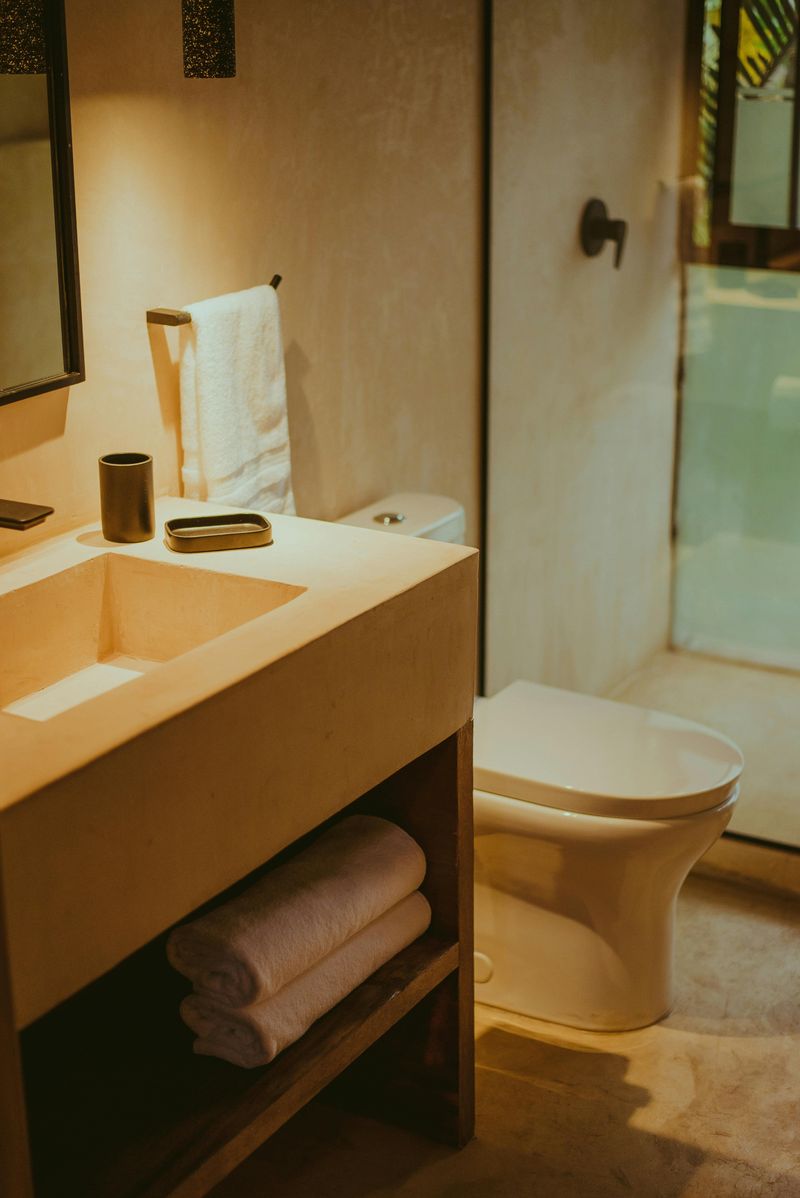
One bathroom existed in perfect condition specifically for guests who rarely visited.
Decorative soaps shaped like shells sat untouched for years.
Hand towels were for display only, not actual hand drying.
Family members knew to use the other, normal bathroom with working soap.
Stepping into the guest bathroom felt like entering a fancy hotel.
Everything matched and smelled like potpourri from 1995.
When guests actually came, kids got reminders about the special bathroom’s existence.
Sometimes the fancy soaps were so old they’d cracked or faded.
This room represented aspirational living while everyone else used the regular bathroom with mismatched towels.
The shrine remained perfect, preserved for visitors who might someday appreciate its glory.
20. Reusing Aluminum Foil
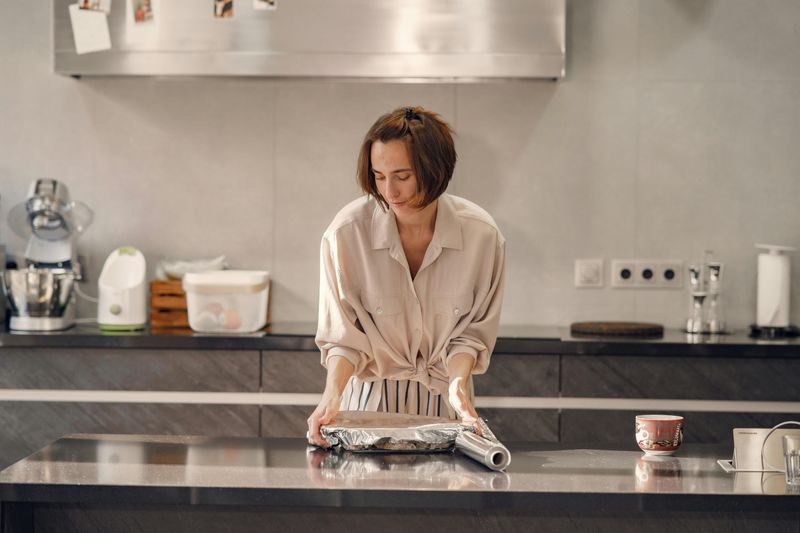
Crumpled aluminum foil got smoothed out, washed, and folded for round two.
Parents treated it like expensive fabric instead of disposable metal.
Kids watched in confusion as foil from last night’s dinner got prepped for tomorrow’s leftovers.
The reused foil looked worse each time but supposedly worked fine.
Tiny holes and wrinkles proved it had lived a full life already.
Some pieces got reused so many times they became family heirlooms.
Throwing away perfectly good foil after one use seemed wasteful to practical parents.
The recycling effort cost more in water and time than new foil, but principles mattered more.
This habit showed commitment to conservation, even when it made zero financial sense whatsoever.
Comments
Loading…