
 Mila Ross
12 Rom-Coms That Haven’t Aged Well Over Time

Rom-coms have given us some of the most beloved movie moments ever — swoony declarations of love, perfectly timed meet-cutes, and soundtracks we still hum in the shower.
But revisiting some of these classics as an adult can feel surprisingly uncomfortable.
What once seemed charming or funny can now come across as pushy, tone-deaf, or just plain wrong.
Here are 12 romantic comedies that, despite their popularity, have some serious issues that are hard to overlook today.
1. Grease (1978)
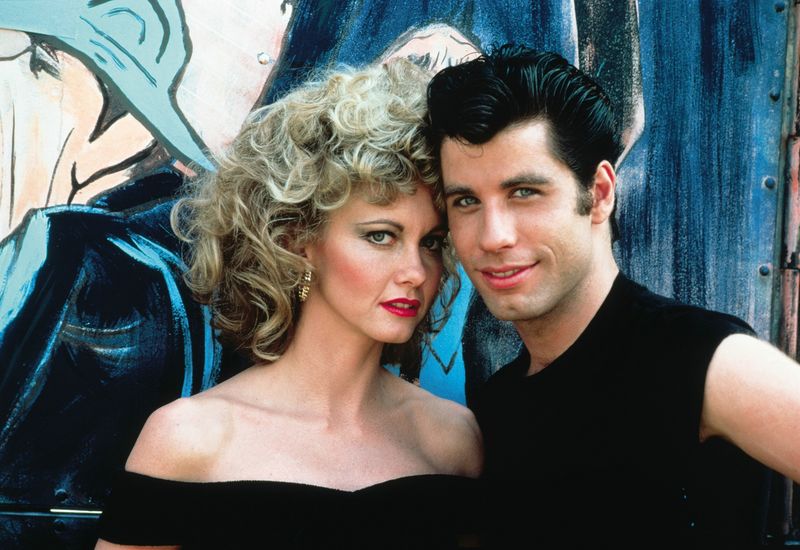
Sandy changes everything about herself — her clothes, her personality, her values — just to win a guy who barely tried to meet her halfway.
That ending, where she struts out in tight leather pants to get Danny’s attention, is presented as a triumphant moment.
But watch it now and it stings a little differently.
The message quietly whispered throughout is that a girl must transform herself to be loved.
Danny does put on a letterman jacket briefly, but Sandy’s makeover is the big finale.
For a movie so beloved, that lesson lands pretty hard in today’s world.
2. Sixteen Candles (1984)
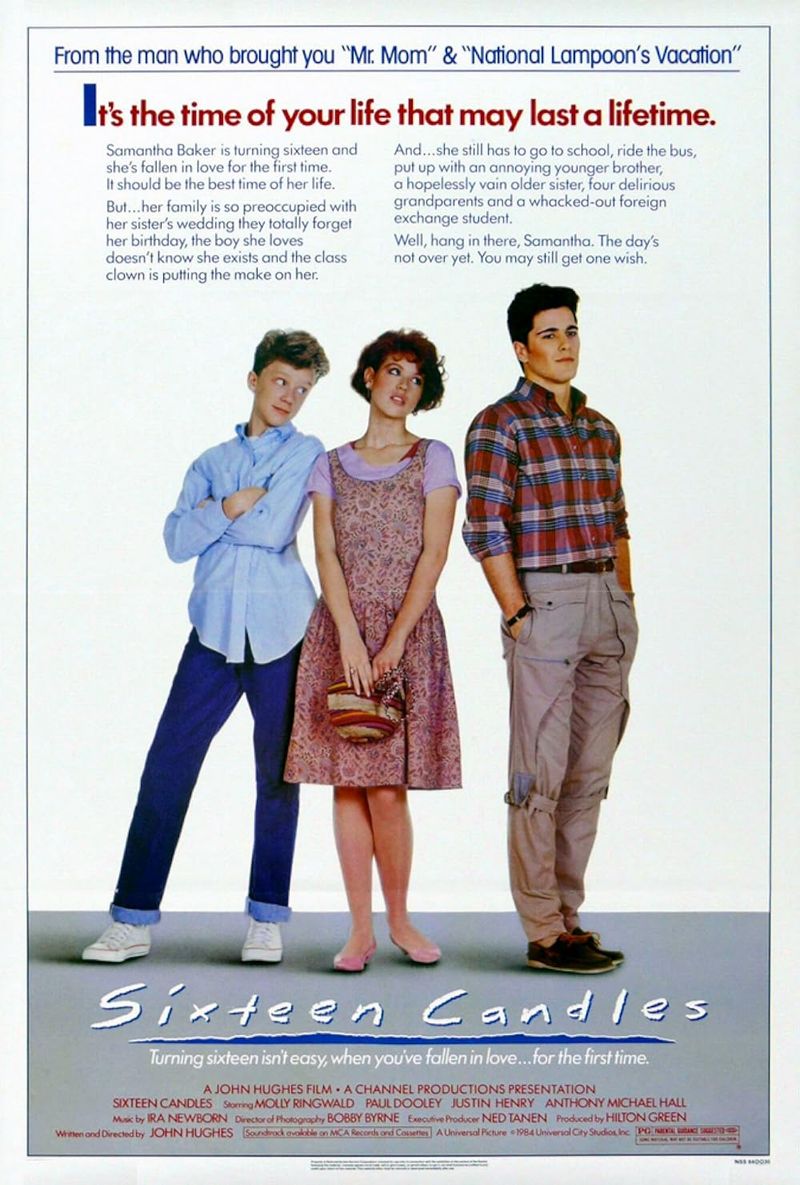
Few movies from the 1980s are as fondly remembered as this John Hughes classic — and yet few have aged quite so badly.
The film treats its Asian character, Long Duk Dong, as a walking punchline, relying on tired stereotypes for cheap laughs that feel genuinely cringe-worthy today.
There is also a scene where the popular guy essentially passes his drunk girlfriend off to another boy without her knowledge or consent.
The movie plays this moment for laughs.
Looking back, it is one of the more disturbing sequences ever buried inside a beloved teen romance.
3. Pretty Woman (1990)
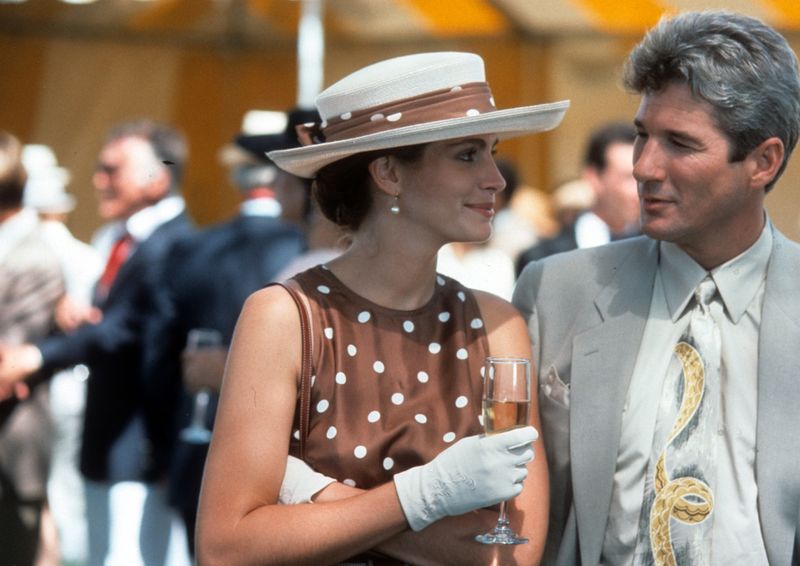
Pretty Woman is one of the most iconic rom-coms ever made, and Julia Roberts absolutely lights up the screen.
But at its core, the story romanticizes a wealthy man essentially purchasing a woman’s time and then reshaping her into someone more socially acceptable for his world.
Vivian’s transformation — new clothes, new manners, new everything — is framed as a fairy tale.
The film glosses over serious issues around exploitation and class with a shopping montage and a fire escape declaration of love.
Sweet as it is, the fantasy here papers over some genuinely troubling dynamics worth noticing.
4. She’s All That (1999)
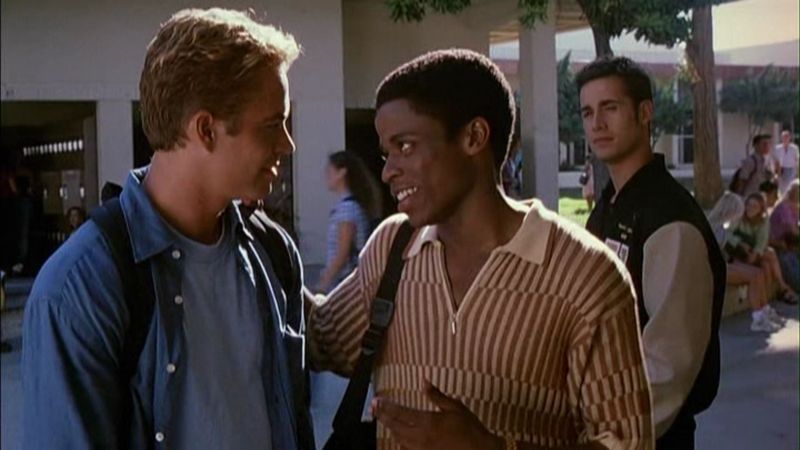
A popular jock bets his friends he can turn any girl into prom queen — and the chosen girl has zero idea she is the subject of a wager.
That premise, played completely straight as a romance, is a tough sell by today’s standards.
Laney Boggs deserved better than being someone’s social experiment.
When she eventually finds out about the bet, her anger is treated as a speed bump on the road to their happy ending.
The movie rushes past her very reasonable fury to get to the kiss.
Audiences back then ate it up, but the manipulation at the heart of this story is hard to ignore now.
5. Hitch (2005)
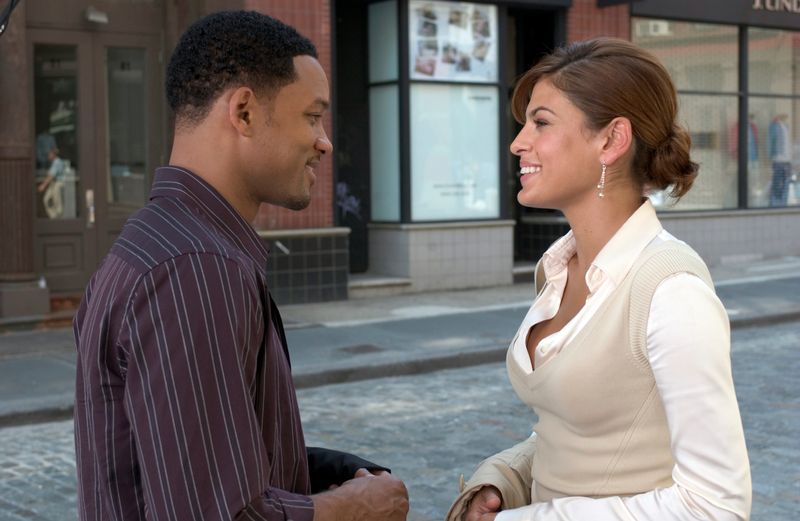
Will Smith’s charm carries this movie a long way, and there are genuinely funny moments sprinkled throughout.
But Hitch is essentially a film about a professional who teaches men how to manipulate women into relationships — and frames this as a wholesome service.
The movie’s central tension is whether persuasion crosses into deception, but it never really wrestles with that question honestly.
Hitch coaches men to override women’s hesitation rather than respect it.
Watching it now, some of those “techniques” look less like dating tips and more like red flags.
The film’s heart is in the right place, but its logic has some real cracks.
6. Never Been Kissed (1999)
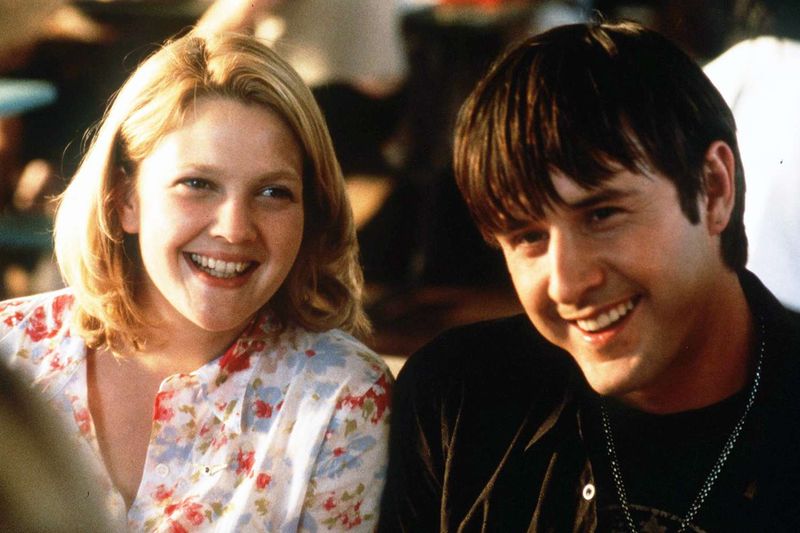
Drew Barrymore plays a 25-year-old journalist going undercover at a high school, and the teacher who falls for her believes she is a teenager for most of the film.
That detail — a grown man romantically pursuing someone he thinks is a minor — is the movie’s central love story.
The film tries to sidestep the issue by revealing her true age at the end, but the audience watched him fall for what he believed was a student.
It is hard to cheer for that romance with any real enthusiasm today.
The script needed a serious rethink, and the passage of time has made that very clear.
7. Shallow Hal (2001)
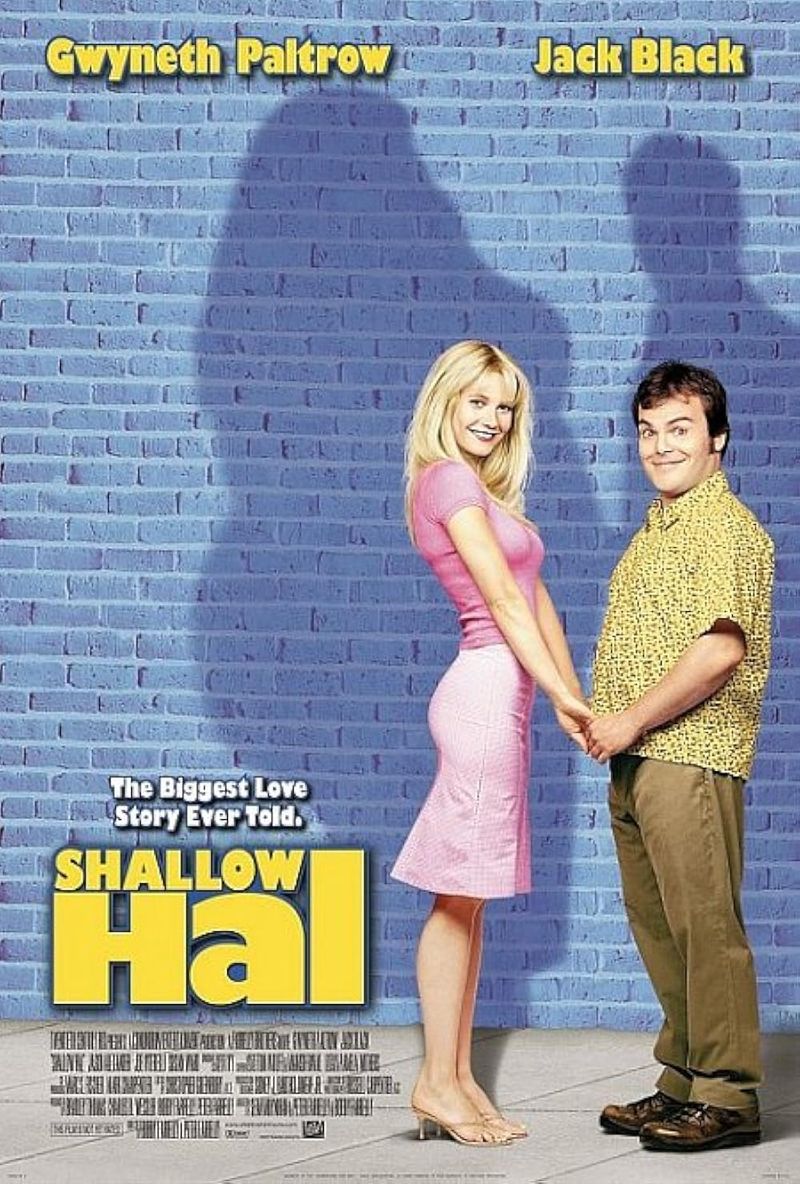
The Farrelly Brothers wanted to make a movie about inner beauty — a noble goal.
But Shallow Hal spent most of its runtime using a fat suit as the punchline of nearly every joke, which undercut that message pretty dramatically.
The film asked audiences to laugh at what Hal could not see while pretending to celebrate it.
Gwyneth Paltrow wore a prosthetic body suit to play Rosemary’s “true” appearance, and the gags surrounding that are uncomfortable to sit through today.
Good intentions do not always equal good execution.
This is a movie where the heart and the humor are working against each other the whole time.
8. The Ugly Truth (2009)

Gerard Butler plays a shock-jock TV personality who tells women exactly what men “really” want — and the movie treats his cynical, often degrading views as brutally honest wisdom rather than what they actually are: deeply sexist.
Katherine Heigl’s character is smart and capable, yet spends the film being coached to dumb herself down.
The rom-com formula usually requires the gruff lead to soften by the end, and Butler does slightly.
But the film never truly challenges the worldview it spends 90 minutes promoting.
Watching it now feels like sitting through a lecture you were never asked to attend and definitely did not enjoy.
9. Love Actually (2003)
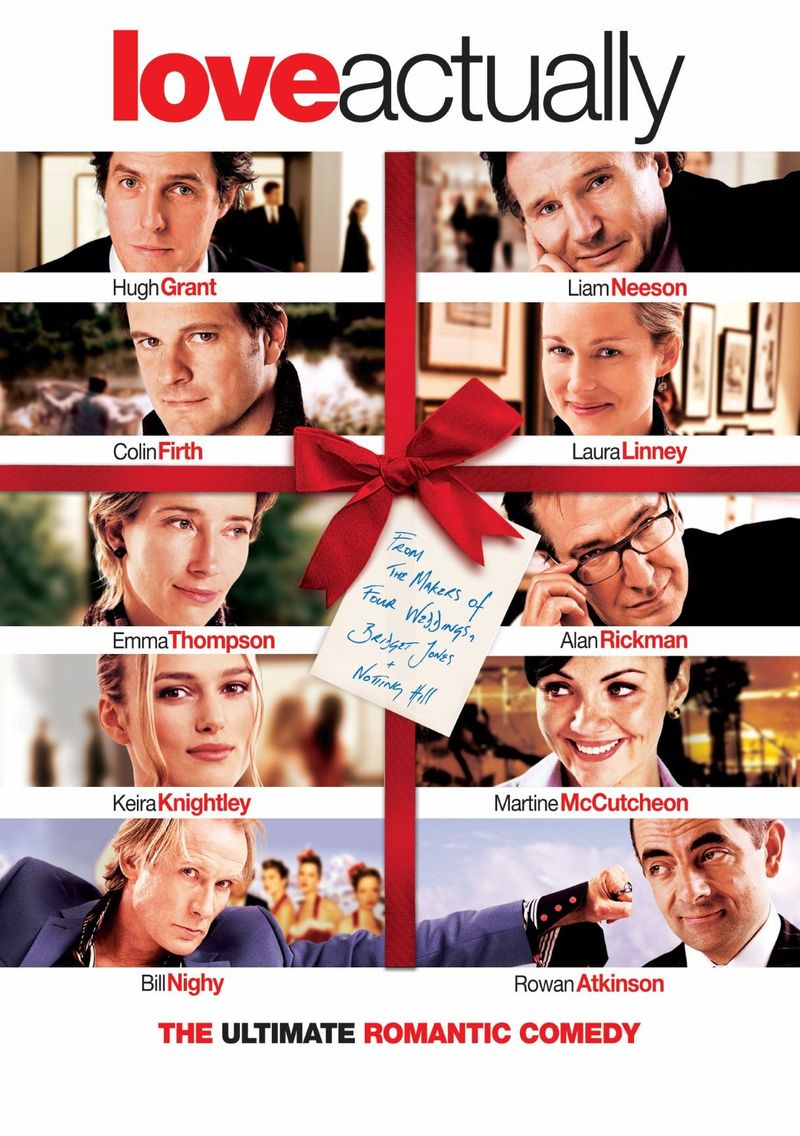
Love Actually remains a holiday staple, and it has genuine moments of warmth.
But a few of its storylines have become increasingly hard to defend.
The famous cue-card scene — where a man secretly confesses love to his best friend’s wife — is framed as achingly romantic rather than a serious breach of loyalty.
There is also a subplot where a writer falls for his housekeeper despite sharing no common language, which leans heavily on the “exotic foreign woman” trope.
The film is charming, no question.
But it packages some genuinely messy behavior inside Christmas lights and a great soundtrack, making it easy to miss at first glance.
10. Revenge of the Nerds (1984)
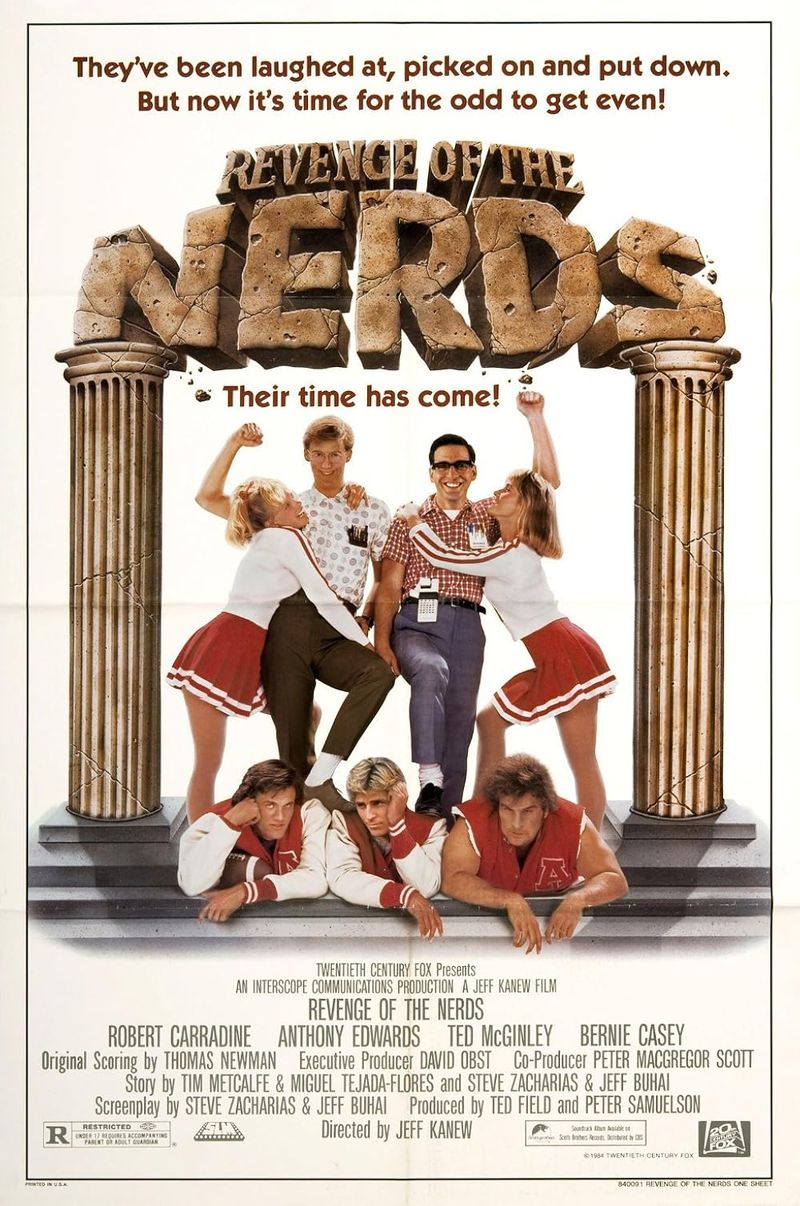
Technically a comedy more than a pure rom-com, but the romantic subplot here is what really does not hold up.
The “hero” Lewis secretly films women in their sorority house and then tricks a woman into sleeping with him by disguising himself as her boyfriend.
The movie plays both moments as laugh-out-loud victories for the underdog.
Those scenes are not edgy or boundary-pushing — they describe criminal behavior.
The fact that the woman then falls in love with Lewis after the deception is presented as a happy ending says a lot about what 1984 audiences were willing to cheer for.
It is a wild watch today.
11. Overboard (1987)
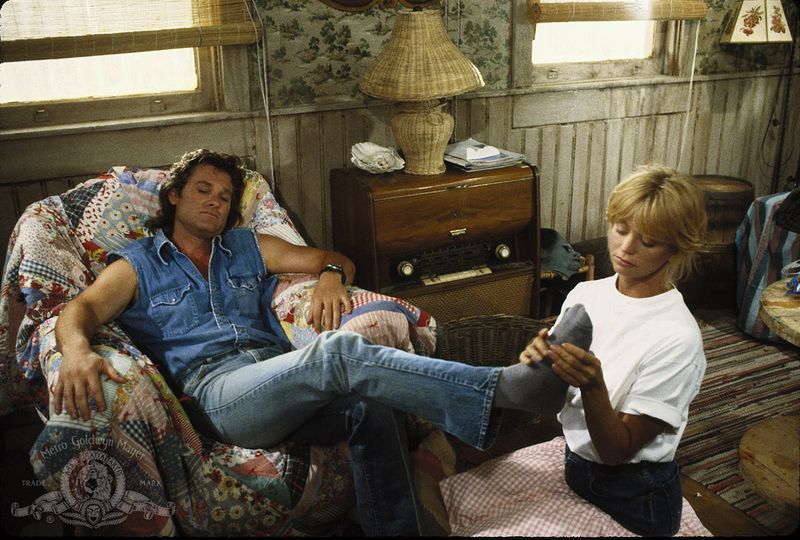
Kurt Russell convinces Goldie Hawn — who has amnesia — that she is his wife and the mother of his children, forcing her to cook, clean, and care for his household without her knowledge or consent.
The movie calls this a love story.
That gap between what is happening and how it is framed is enormous.
Hawn’s character is essentially held captive under false pretenses by a man who initially wants revenge.
The fact that she eventually falls for him is supposed to make it all okay.
It does not.
Overboard is proof that “they end up together” is not the same thing as “everything that happened before was fine.”
12. Failure to Launch (2006)

Matthew McConaughey plays a man in his 30s who still lives with his parents, and his folks hire Sarah Jessica Parker’s character to secretly date him and motivate him to move out.
Once again, the entire relationship is built on a lie — and the movie treats that as a quirky setup rather than a real problem.
Paula is essentially paid to manipulate a man’s emotions for money.
When the truth comes out, the film rushes to a reconciliation that glosses over how genuinely strange the whole arrangement was.
Failure to Launch is not a bad movie, but its central premise gets harder to root for the more you think about it.
Comments
Loading…