
 Mary Murphy
10 Band Members Who Never Got the Credit They Deserved
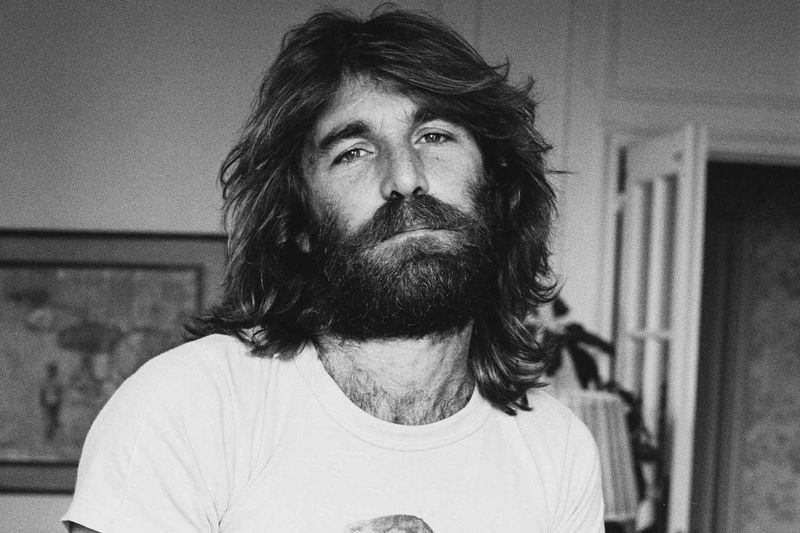
Every great band has a superstar who gets all the spotlight, but what about the other talented musicians standing behind them?
History books often forget the bass players, drummers, and guitarists who helped create the songs we love.
These musicians wrote incredible parts, played stunning solos, and shaped entire genres, yet their names rarely appear in magazines or history lessons.
This article celebrates ten amazing band members who deserved way more recognition than they ever received.
1. Cliff Burton – Metallica
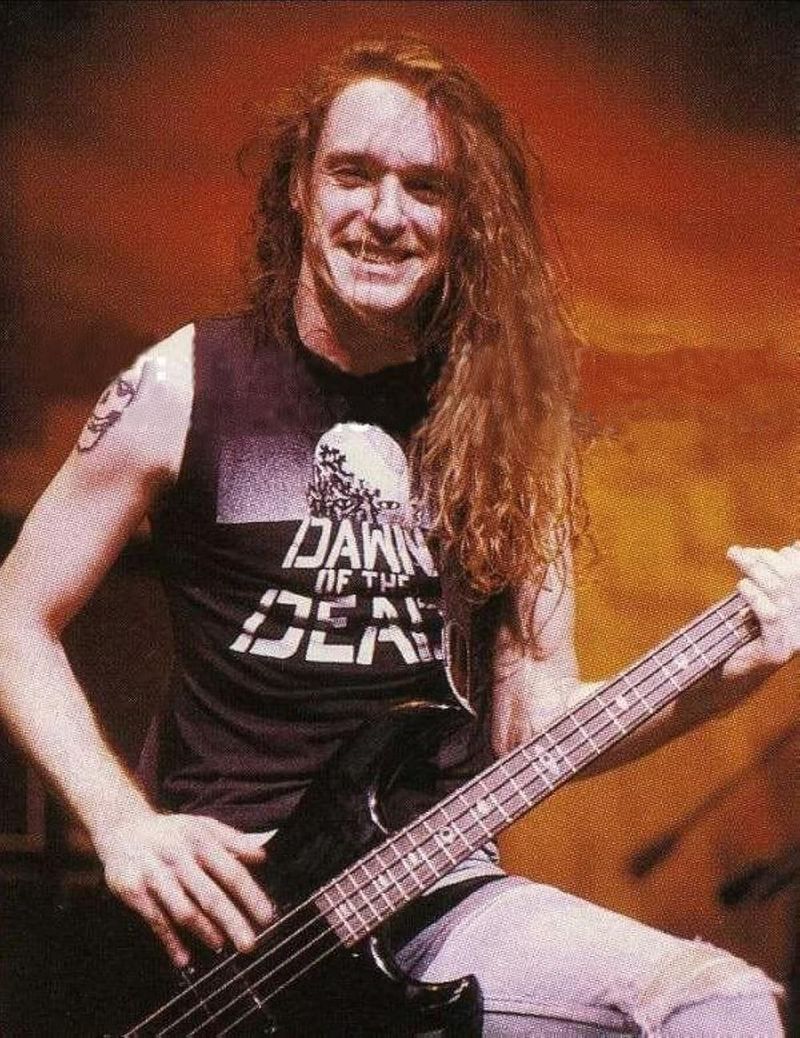
Before tragedy struck in 1986, Cliff Burton brought classical music training and jaw-dropping creativity to thrash metal.
His bass solos sounded more like conversations than background noise, weaving melodies that made Metallica’s early albums unforgettable.
Burton played with fingers instead of a pick, creating a warm, complex sound that set him apart from every other metal bassist.
He wrote the haunting instrumental “Orion” and co-wrote “Master of Puppets,” proving bassists could be composers too.
His distorted bass interludes became Metallica’s signature sound.
Fans who discovered Metallica after his death never experienced his genius live.
James Hetfield and Lars Ulrich credit Burton with teaching them music theory and pushing their artistic boundaries beyond simple thrash.
2. Dee Murray – Elton John Band
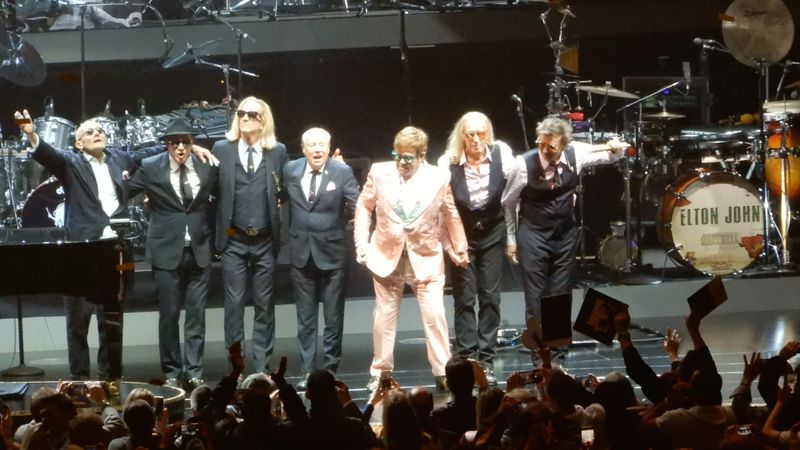
When people think of Elton John’s classic sound, they picture the piano and Bernie Taupin’s lyrics.
Nobody remembers Dee Murray, whose bass lines formed the heartbeat of hits like “Tiny Dancer” and “Levon.”
Murray’s melodic approach perfectly complemented Elton’s piano work, creating a groove that made millions dance.
He wasn’t just keeping rhythm—his bass sang its own melody beneath every song.
For seventeen years, he toured the world with Elton, becoming family rather than just a hired musician.
Sadly, Murray passed away in 1992 from cancer, receiving only brief mentions in music history.
His playing style influenced countless bassists who tried copying his smooth, flowing lines without knowing his name.
3. Nicky Hopkins – Session Pianist
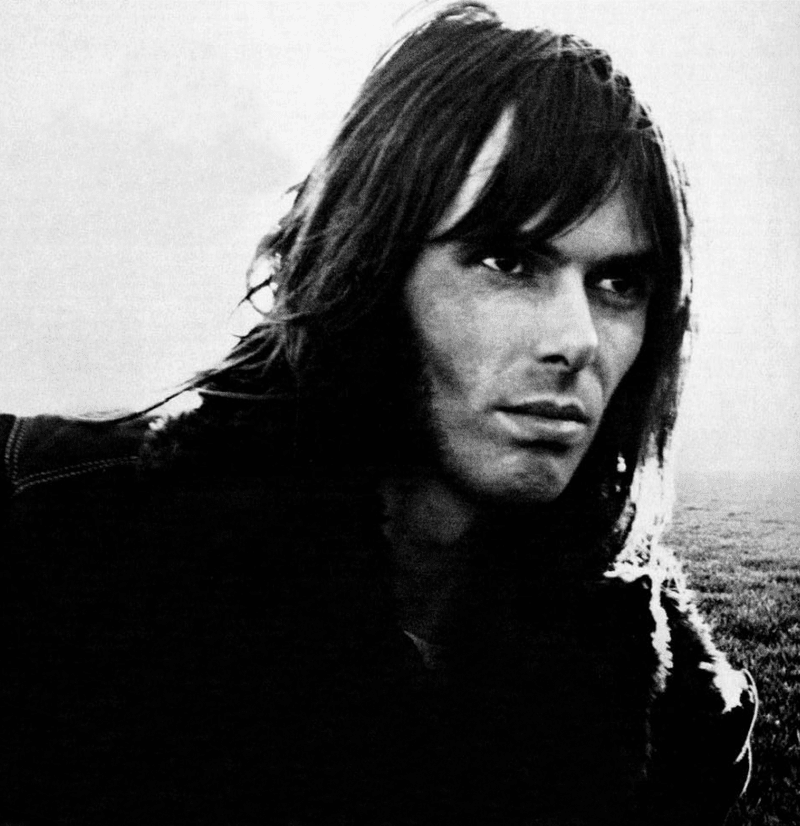
Ever heard “Sympathy for the Devil” by the Rolling Stones?
That mesmerizing piano part came from Nicky Hopkins, not any band member.
He played on hundreds of classic rock albums without ever joining a permanent group.
Hopkins worked with The Who, The Beatles, The Kinks, and Jefferson Airplane, adding sparkle to their biggest songs.
His delicate touch brought sophistication to raw rock music, turning good tracks into masterpieces.
Despite chronic health problems throughout his life, he recorded constantly during the 1960s and 1970s.
Most listeners assumed the bands themselves played all the instruments on their records.
Hopkins died in 1994 with minimal recognition, though his piano appears on more hit songs than most rock stars’ entire careers.
4. Ron Asheton – The Stooges
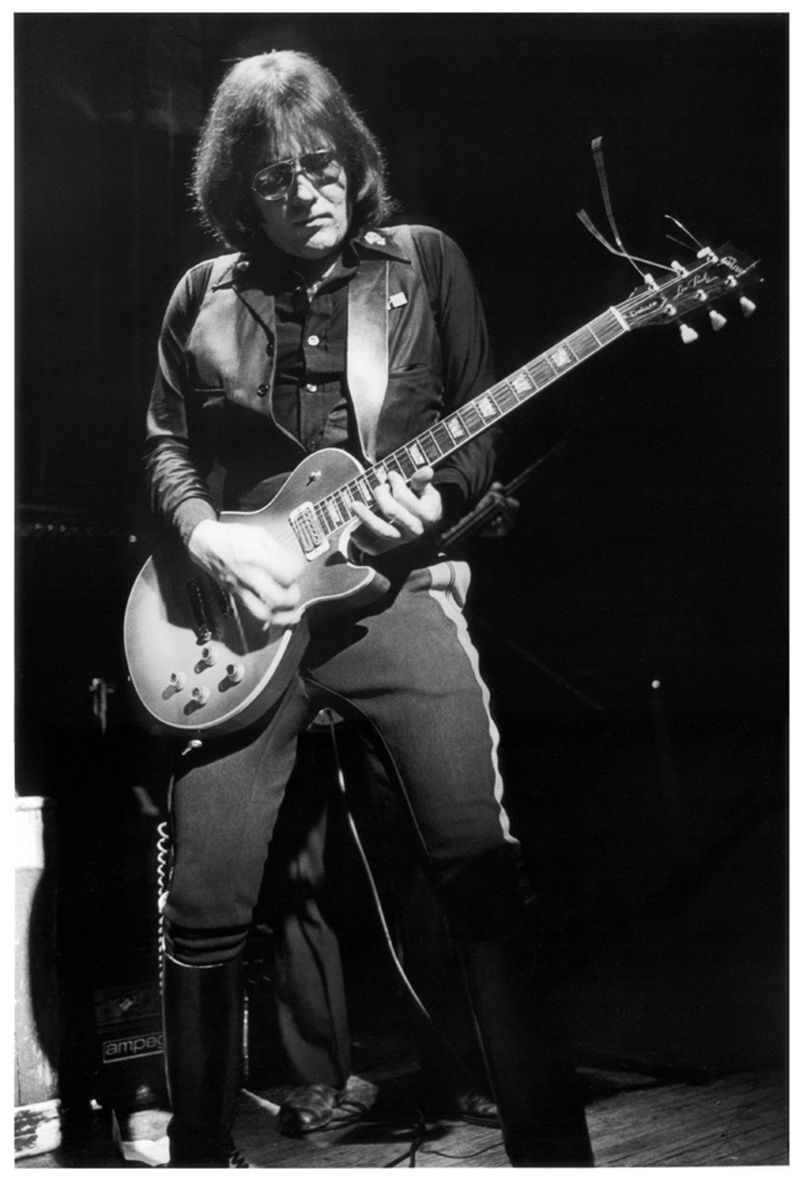
Iggy Pop became punk rock’s wild godfather, but Ron Asheton created the savage guitar sound that defined The Stooges.
His fuzzy, distorted riffs on “I Wanna Be Your Dog” basically invented punk guitar before the genre had a name.
Asheton didn’t play fancy solos or show off technique.
Instead, he crafted simple, aggressive riffs that hit like sledgehammers, inspiring everyone from Johnny Ramone to Kurt Cobain.
When the band needed a bass player, he switched instruments without complaint, proving his dedication to the music over ego.
Guitar magazines rarely featured him despite his enormous influence.
His death in 2009 finally brought recognition, but decades too late for this punk pioneer.
5. Pete Quaife – The Kinks
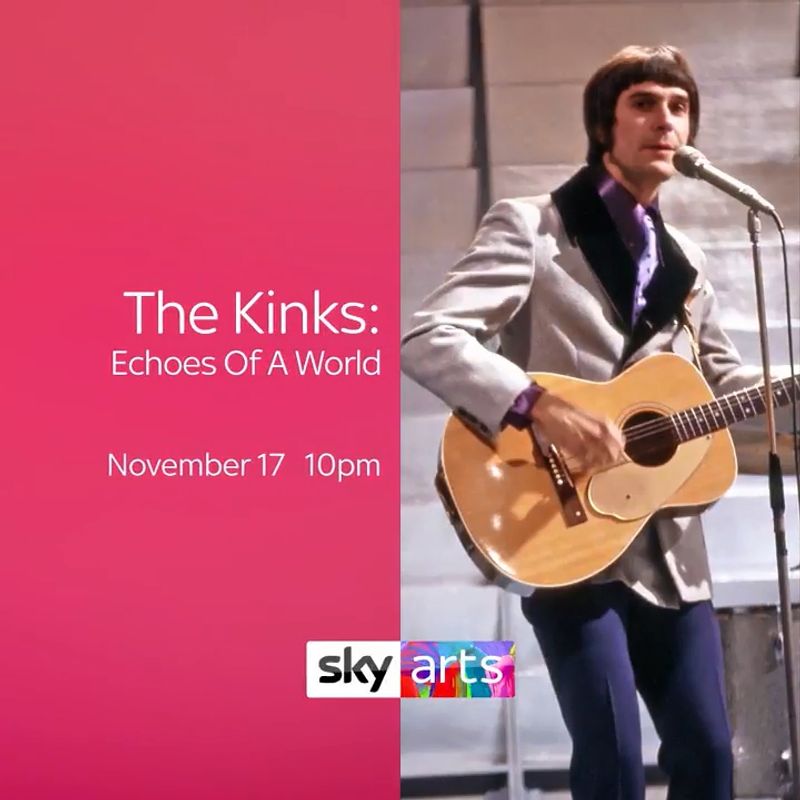
Ray Davies wrote the songs and Dave Davies played the iconic guitar riffs, leaving bassist Pete Quaife forgotten in the Kinks’ legacy.
Without his driving bass lines, though, songs like “You Really Got Me” would have sounded empty and weak.
Quaife co-founded the Kinks and helped define the British Invasion sound, yet arguments with Ray Davies eventually pushed him out.
His solid, unpretentious playing style kept the band grounded when their songs got experimental.
After leaving in 1969, he became an artist and lived quietly in Canada.
The Kinks’ Rock and Roll Hall of Fame induction barely mentioned his contributions.
Quaife passed away in 2010, his name missing from most rock history books despite helping birth British rock.
6. Dennis Wilson – The Beach Boys
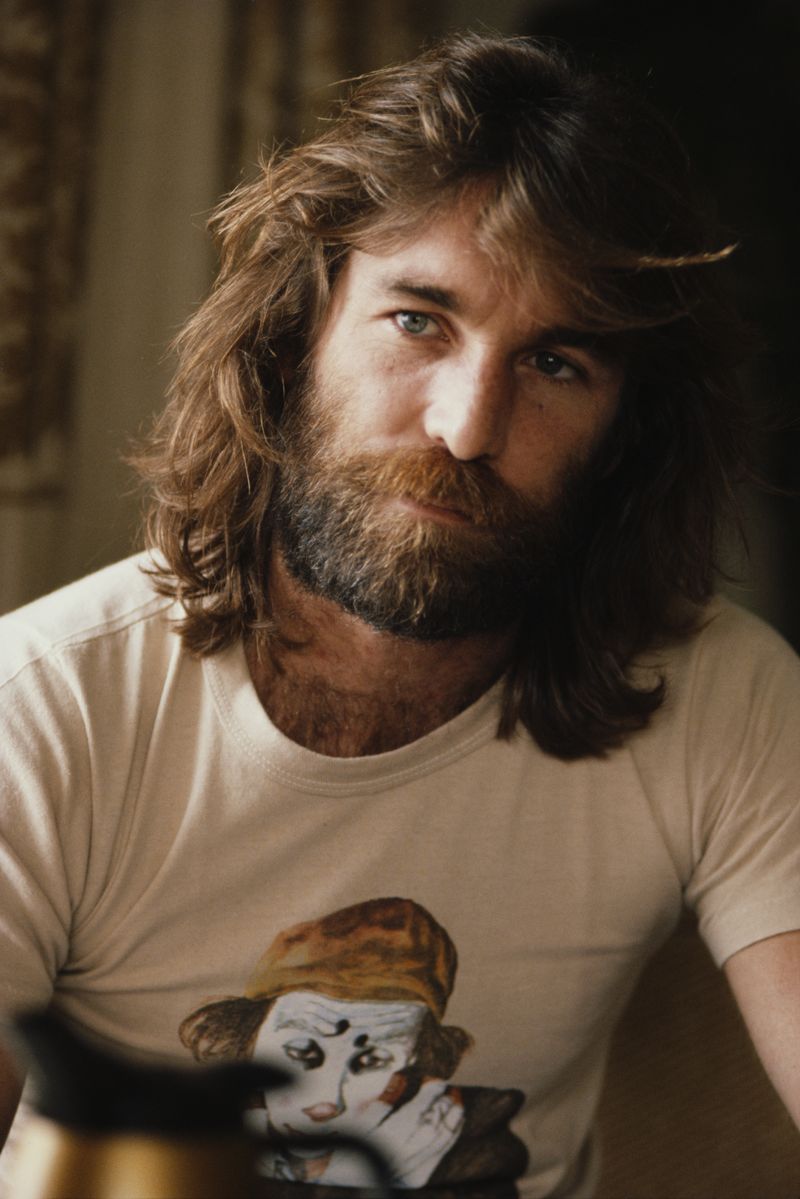
Everyone knows Brian Wilson’s genius, but his brother Dennis actually lived the surfing lifestyle their songs celebrated.
As the band’s drummer, he kept perfect time while contributing gorgeous songs like “Forever” that showcased his soulful voice.
Dennis learned songwriting later than his brothers, yet his compositions brought raw emotion to the Beach Boys’ later albums.
He befriended Charles Manson before the murders, a connection that haunted him forever.
His drumming might have seemed simple, but it provided the sturdy foundation for Brian’s complex arrangements.
Personal struggles with alcohol led to his drowning death in 1983 at age 39.
Critics now recognize his songwriting talent, though casual fans still think the Beach Boys were just Brian.
7. Greg Lake – Emerson, Lake & Palmer
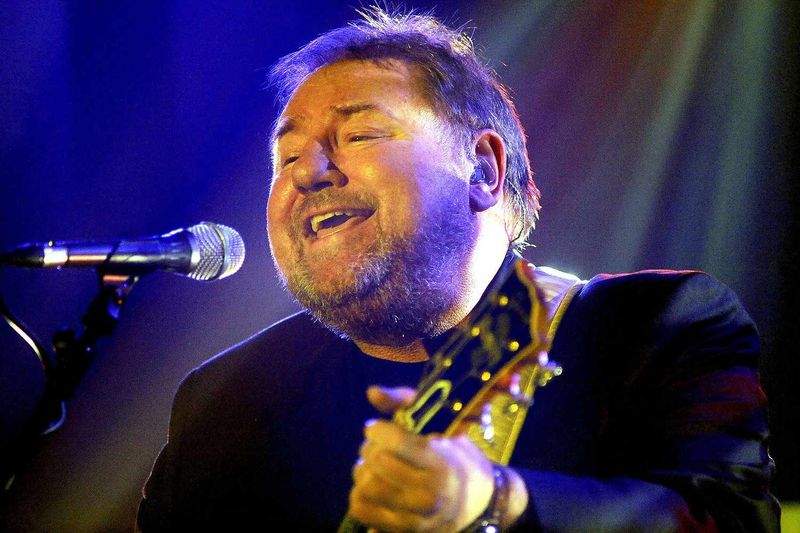
Keith Emerson’s keyboard wizardry stole the spotlight in ELP, but Greg Lake’s powerful voice and bass playing gave the band its warmth.
His acoustic ballad “Lucky Man” became their biggest hit, yet most people couldn’t name him if asked.
Lake sang every ELP song while simultaneously playing intricate bass lines, a task requiring incredible skill and concentration.
Before ELP, he sang on King Crimson’s legendary debut album, meaning he helped launch two progressive rock giants.
His rich baritone voice could handle delicate ballads and hard rock anthems equally well.
When Lake died in 2016, obituaries focused mainly on Emerson.
Progressive rock fans knew better—Greg Lake was equally essential to their favorite genre’s development and success.
8. Andy Rourke – The Smiths
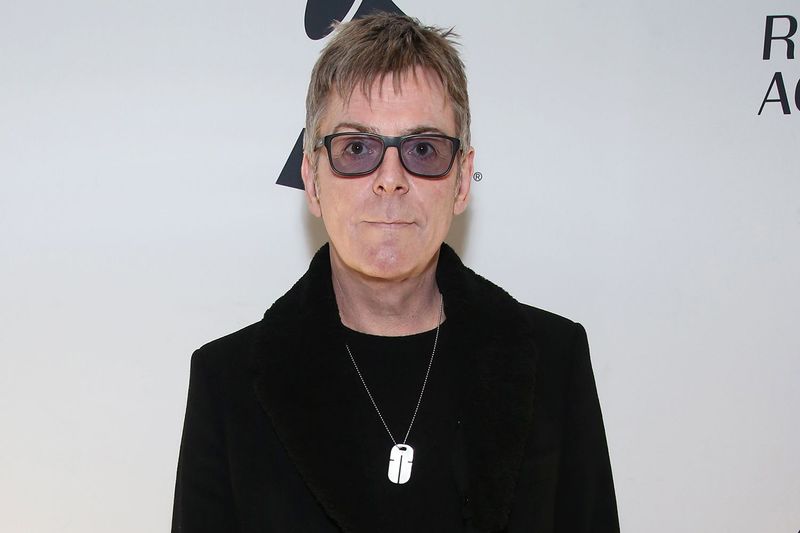
Morrissey sang poetic lyrics and Johnny Marr played jangly guitars, but Andy Rourke’s funky bass lines made The Smiths danceable.
Listen closely to “This Charming Man” or “Barbarism Begins at Home”—his bass practically leads those songs.
Rourke brought groove to indie rock when most bassists just followed the guitar.
His playing showed influences from funk and disco, unusual for the gloomy 1980s alternative scene.
Personal problems led to his firing and rehiring, complicating his relationship with the band.
After The Smiths split, Rourke played with other bands but never found similar success.
He passed away in 2023 from cancer, with tributes finally acknowledging his crucial role in defining Manchester’s indie sound.
9. Hillel Slovak – Red Hot Chili Peppers
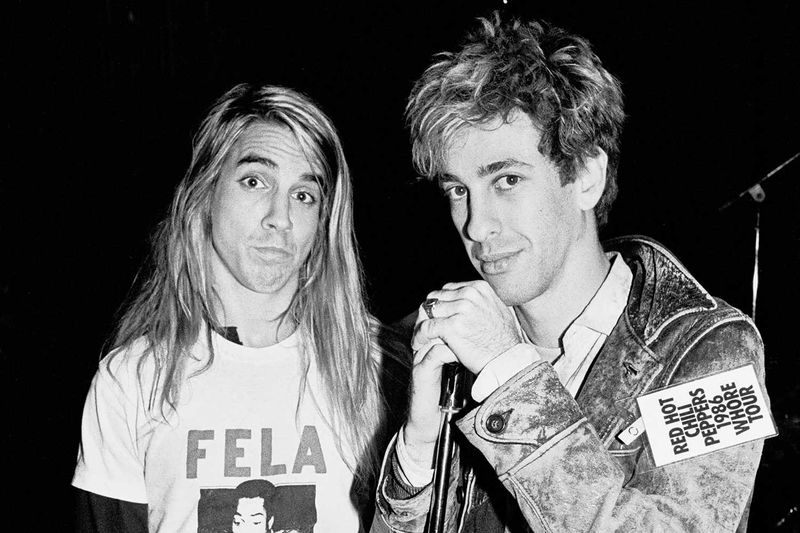
John Frusciante gets praised for his guitar work with the Red Hot Chili Peppers, but Hillel Slovak created their original funk-rock sound.
His blend of heavy metal, funk, and punk gave the band their unique identity before tragedy struck.
Slovak’s guitar on “Fight Like a Brave” and “Behind the Sun” showed his incredible range and creativity.
He wasn’t technically perfect, but his playing had soul and personality that connected with listeners emotionally.
His friendship with bassist Flea formed the band’s core.
Heroin addiction killed Slovak in 1988 at just 26 years old.
The Chili Peppers’ later massive success came from building on his foundation, yet younger fans often don’t know his name or his essential contributions to alternative rock.
10. Doug Yule – The Velvet Underground

When John Cale left the Velvet Underground, Doug Yule stepped in and helped create their most accessible album, “Loaded.”
He played bass, keyboards, and sang, yet Lou Reed gets 100 percent of the credit for that era.
Yule co-wrote “Who Loves the Sun” and sang lead on several tracks, contributing far more than a typical replacement member.
His mellower style helped the band create beautiful songs like “Sweet Jane” and “Rock & Roll.”
Later, Reed essentially erased Yule from the band’s history, refusing to acknowledge his contributions.
Arguments about authenticity plagued Yule for decades after the band dissolved.
He deserved better than becoming a footnote, considering he helped the Velvet Underground reach their widest audience during a crucial period.
Comments
Loading…