
 Harper Hall
10 Legendary Directors Who Are Actually a Nightmare to Work For
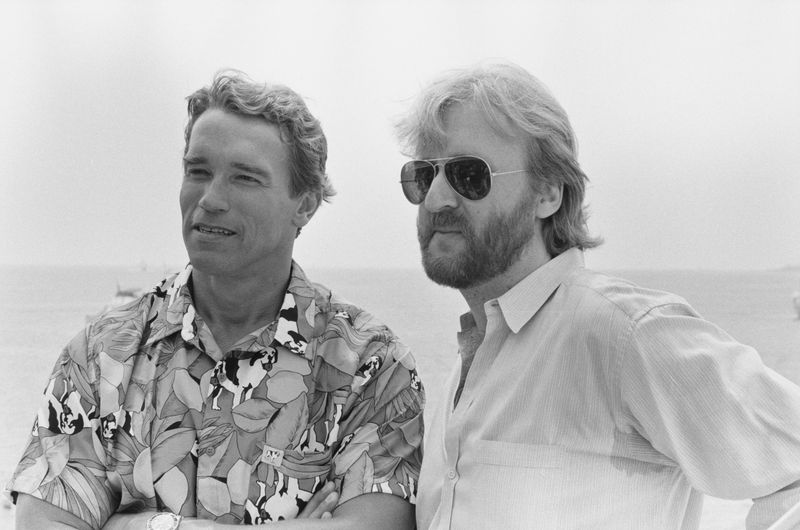
Hollywood has given us some of the greatest movies ever made, but behind the camera, not all directors are easy to work with.
Some of the most talented filmmakers in history have earned reputations for being incredibly demanding, cruel, or downright impossible on set.
While their films might be masterpieces, the people who worked with them often have horror stories to share about the experience.
1. Stanley Kubrick
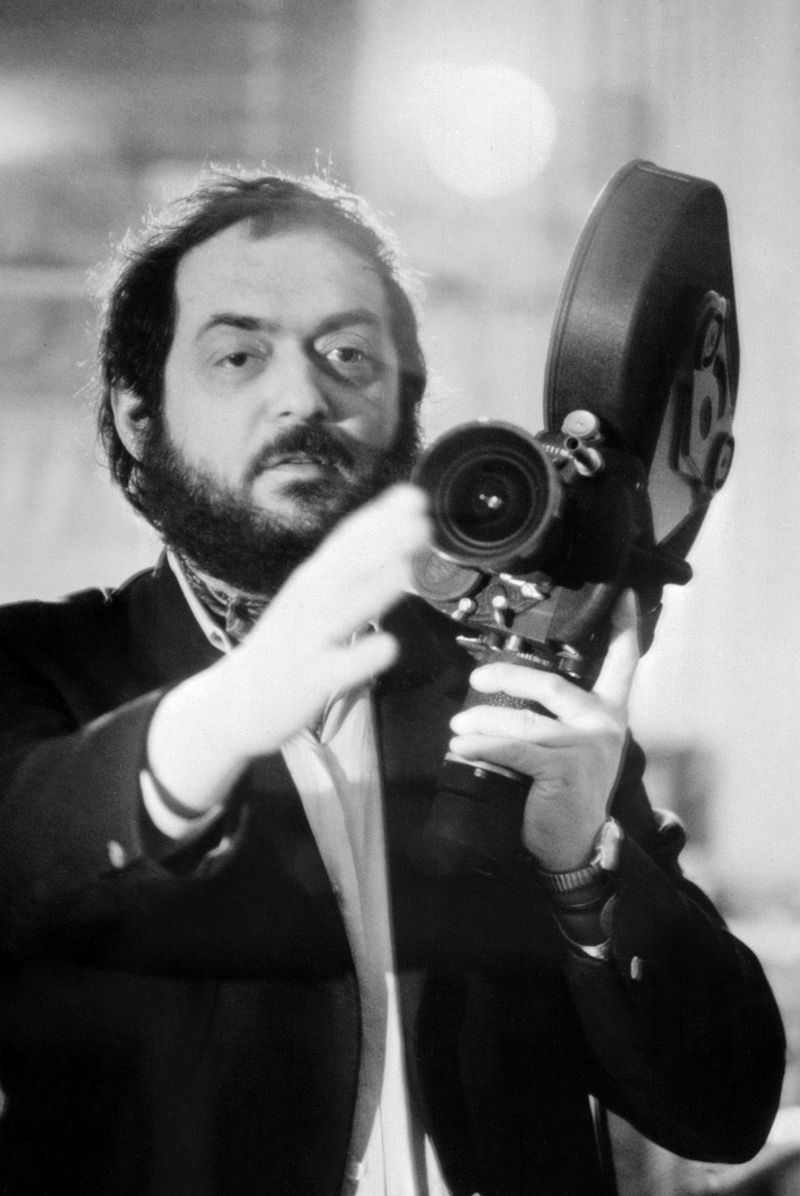
Kubrick’s obsession with perfection turned film sets into psychological battlegrounds.
Actors often faced hundreds of takes for a single scene, pushing them to complete mental and physical exhaustion.
During The Shining, Shelley Duvall endured such intense pressure that her hair began falling out from stress.
Kubrick believed suffering created authentic performances, but his methods left lasting scars on many who worked with him.
His controlling nature extended to every aspect of production.
Crew members described an atmosphere of constant fear, never knowing when an explosive outburst might occur over the smallest detail.
2. Alfred Hitchcock
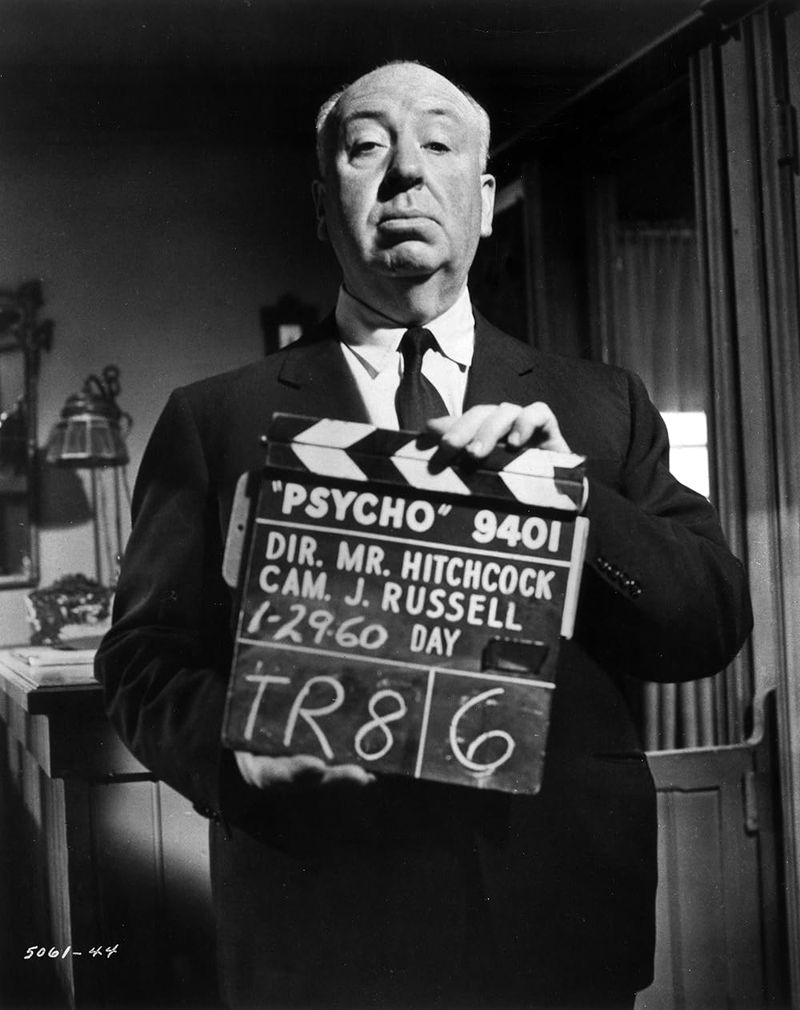
The Master of Suspense had a dark side that went far beyond his films.
Hitchcock’s treatment of actress Tippi Hedren during The Birds remains one of Hollywood’s most disturbing director-actor relationships.
He subjected Hedren to psychological manipulation and physical danger, including trapping her in a room with live, attacking birds for days.
When she refused his personal advances, he essentially destroyed her career through his industry connections.
His cruelty wasn’t limited to Hedren.
Hitchcock viewed actors as cattle, frequently humiliating them publicly and creating toxic environments where fear ruled every moment on set.
3. David O. Russell
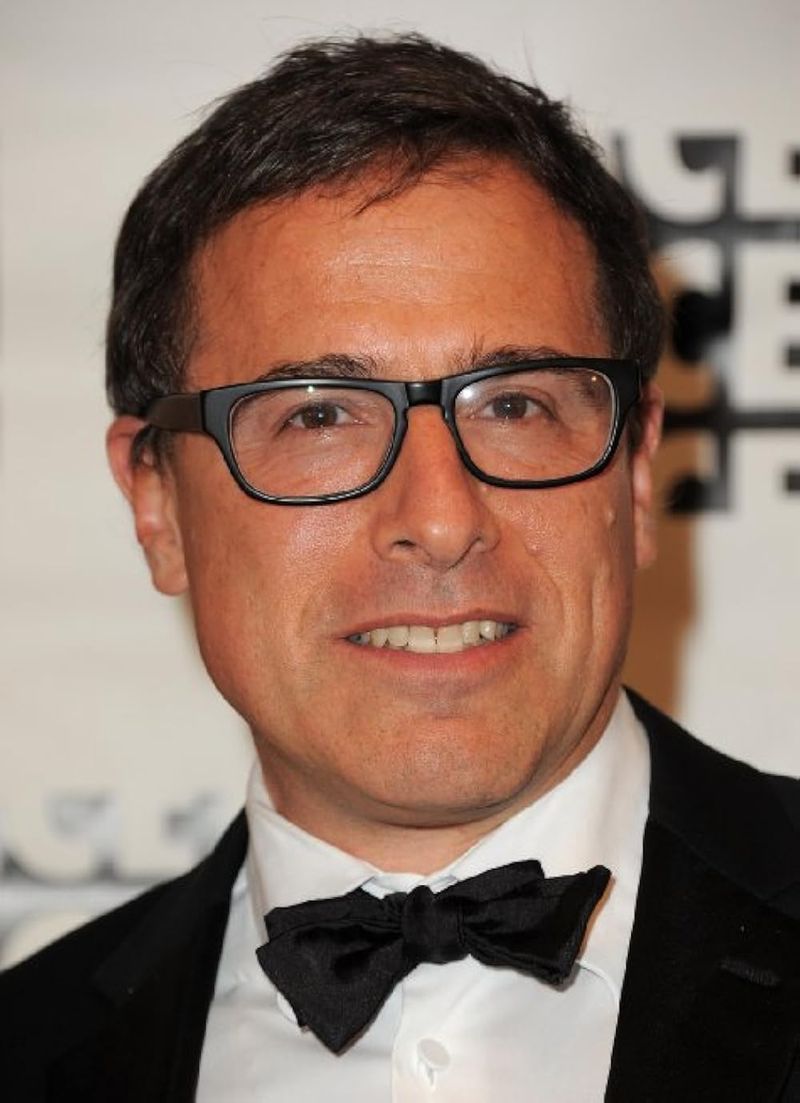
Russell’s volcanic temper has become legendary for all the wrong reasons.
His physical altercation with George Clooney during Three Kings proved he’d cross lines most directors wouldn’t dare approach.
Video footage of him screaming at Lily Tomlin on the I Heart Huckabees set went viral, showing the world just how abusive his directing style could be.
The profanity-laced tirade left crew members visibly uncomfortable and Tomlin in tears.
Amy Adams reportedly cried daily while filming American Hustle under his direction.
Christian Bale even attempted to intervene, telling Russell his behavior toward Adams was completely unacceptable and unprofessional.
4. Michael Bay
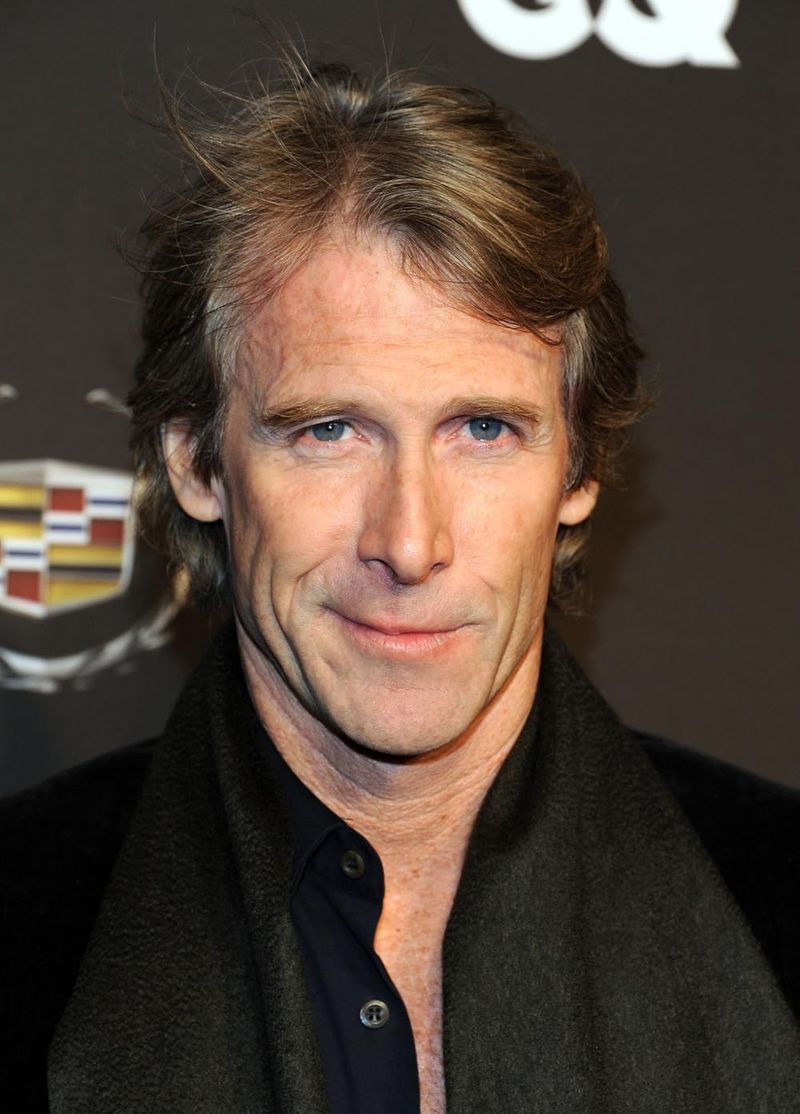
Bay’s aggressive, militaristic approach to filmmaking has earned him a reputation as Hollywood’s ultimate tyrant.
Megan Fox famously compared working with him to working for Hitler, which ultimately got her fired from the Transformers franchise.
His treatment of actresses has been particularly criticized, with reports of inappropriate comments and degrading requests becoming disturbingly common.
Female cast members often felt objectified and disrespected throughout production.
Crew members describe grueling schedules and an atmosphere where Bay’s explosive temper could detonate at any moment.
His obsession with practical effects has also led to dangerous situations on set.
5. James Cameron
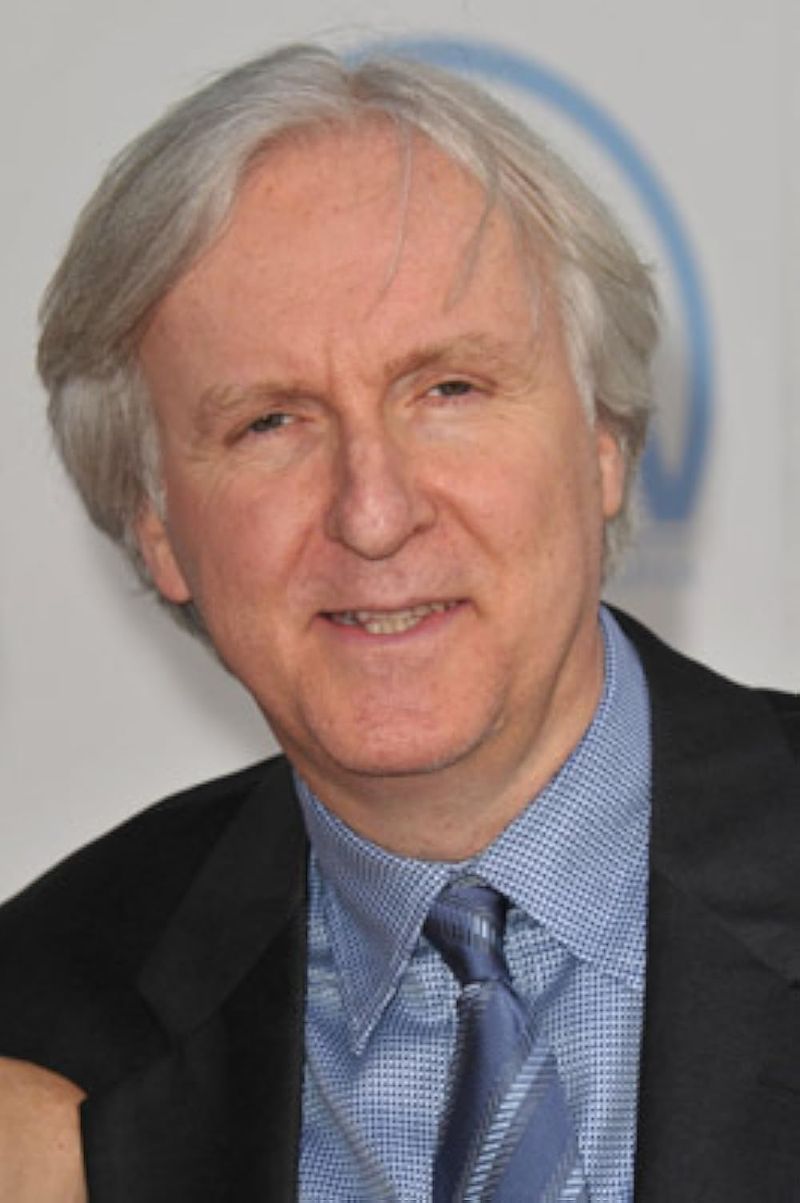
Cameron’s nickname “Iron Jim” tells you everything about his directing philosophy.
He pushes cast and crew to their absolute limits, often creating environments that feel more like military boot camps than movie sets.
During The Abyss, Ed Harris nearly drowned in an underwater scene and reportedly punched Cameron afterward.
The director’s refusal to prioritize safety over his vision has led to numerous close calls and injuries.
His films consistently run over budget and schedule because Cameron refuses to compromise his perfectionist standards.
While this produces amazing results, it makes him one of the most exhausting directors to work with in the industry.
6. Orson Welles
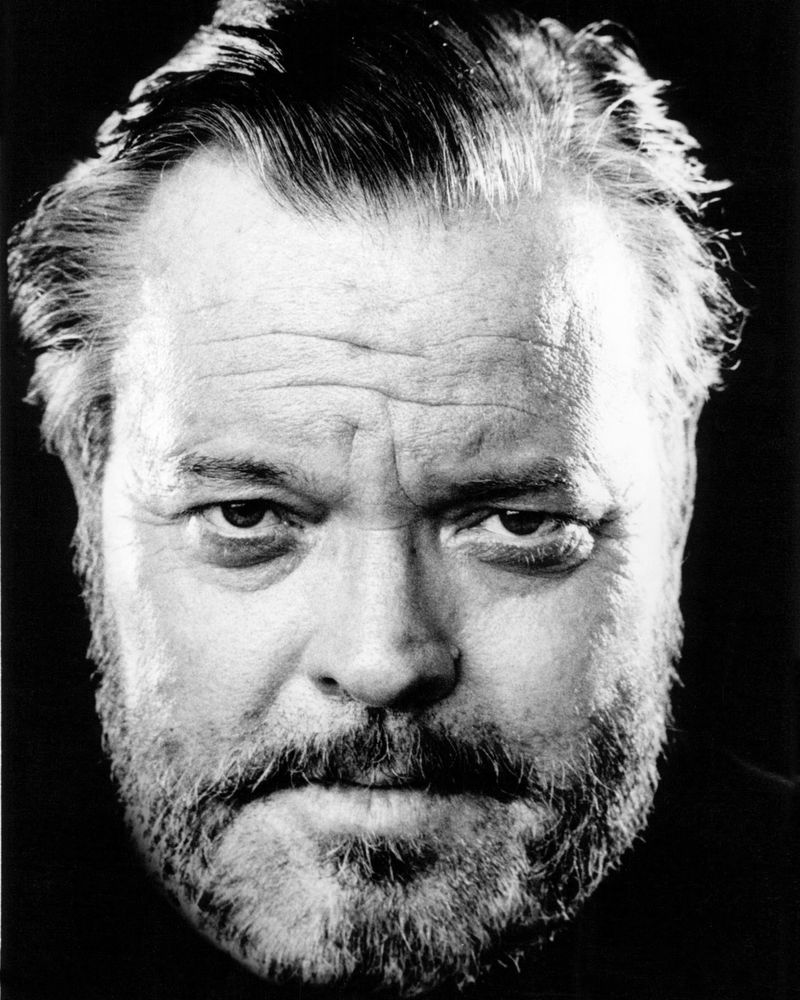
Welles’ genius came packaged with unreliability that drove producers and actors to madness.
He’d disappear for days without explanation, leaving entire productions in chaos while he pursued other interests or simply didn’t feel like showing up.
His arrogance made collaboration nearly impossible.
Welles believed his vision was the only one that mattered, dismissing input from experienced professionals and creating resentment throughout his crews.
Financial irresponsibility plagued his career, with Welles routinely abandoning projects mid-production when funding dried up.
Cast members never knew if they’d actually finish a film once they started working with him.
7. Werner Herzog
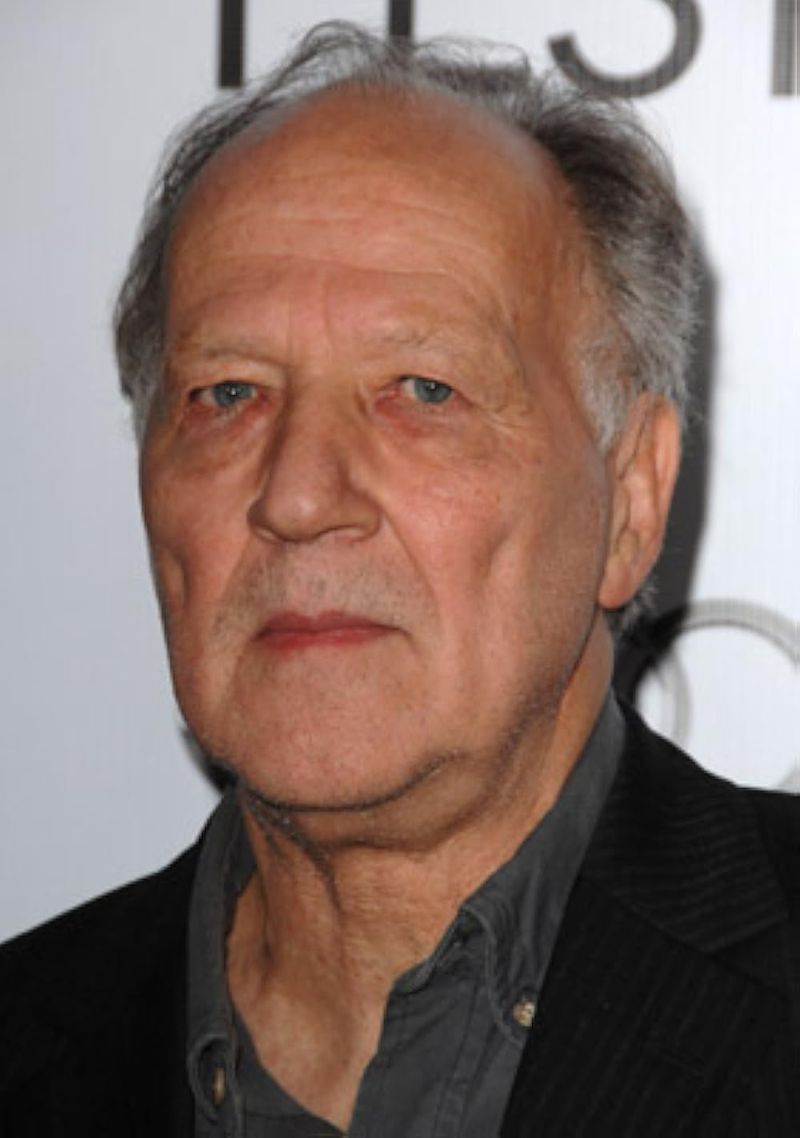
Herzog’s relationship with actor Klaus Kinski during Fitzcarraldo became the stuff of legend—and not in a good way.
The two men genuinely hated each other, with Herzog later admitting he’d plotted Kinski’s murder during filming.
His commitment to authenticity borders on insanity.
Herzog dragged a massive steamship over a mountain in the Amazon jungle, risking countless lives because he refused to use special effects or miniatures for the scene.
Crew members on his films face genuinely life-threatening conditions.
Herzog sees suffering as essential to creating meaningful art, making him one of the most dangerous directors to work alongside in remote locations.
8. Lars von Trier
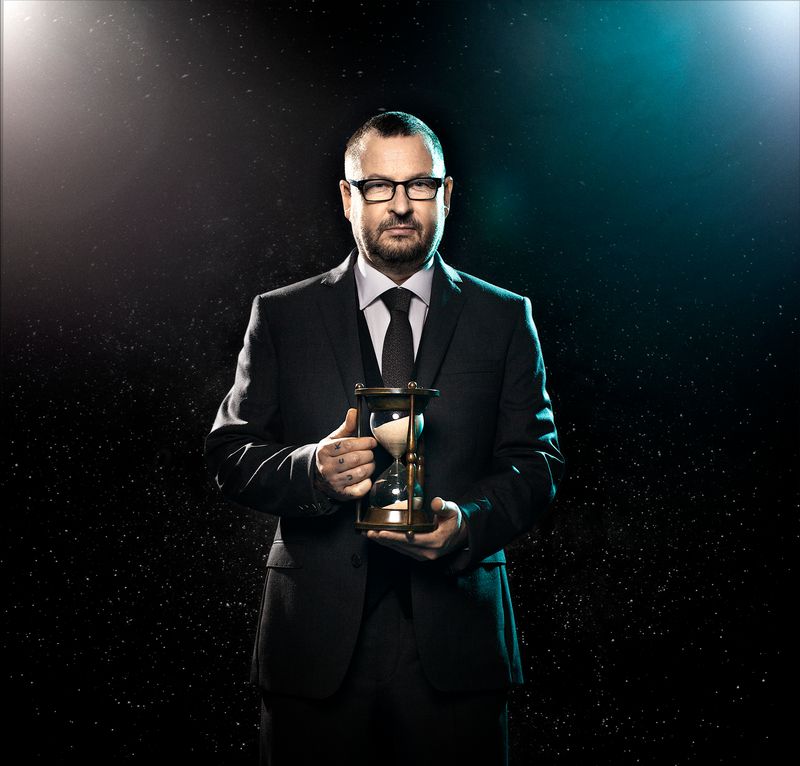
Von Trier’s psychological manipulation of actresses has sparked serious ethical debates.
He deliberately creates emotionally devastating environments, believing trauma produces the most powerful performances on screen.
Björk, after working with him on Dancer in the Dark, vowed never to act again, calling the experience the worst of her life.
His methods included isolation, verbal abuse, and pushing actors into genuine mental breakdowns.
His provocative statements and offensive behavior extend beyond the set.
Von Trier was banned from the Cannes Film Festival after making jokes about Hitler, showing his complete disregard for professional boundaries and basic human decency.
9. Michael Cimino
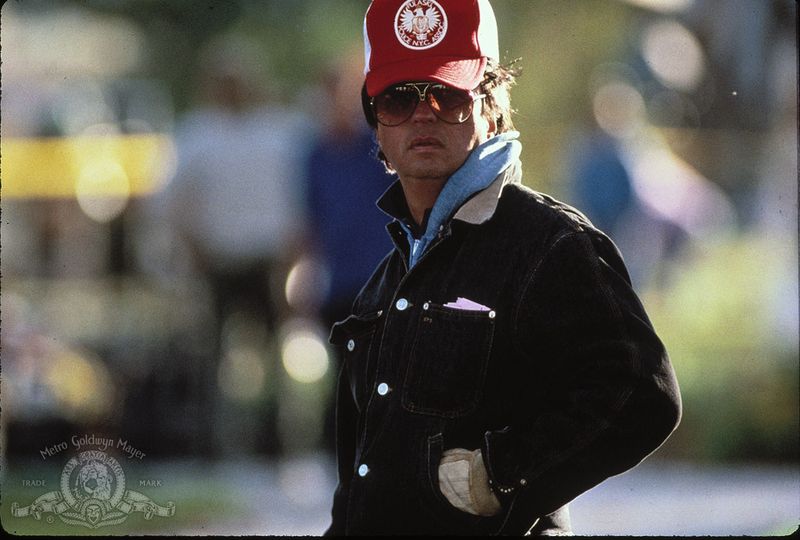
Cimino’s perfectionism during Heaven’s Gate became a cautionary tale that changed Hollywood forever.
His obsessive attention to detail ballooned the budget to catastrophic levels, nearly bankrupting United Artists in the process.
He’d reshoot scenes dozens of times for reasons nobody else could understand.
Cast members stood in scorching heat or freezing cold for hours while Cimino obsessed over minor background details that audiences would never notice.
His tyrannical control extended to every aspect of production.
Cimino fired crew members on whims, changed shooting schedules constantly, and created an atmosphere of paranoia where nobody felt secure in their positions.
10. Ridley Scott
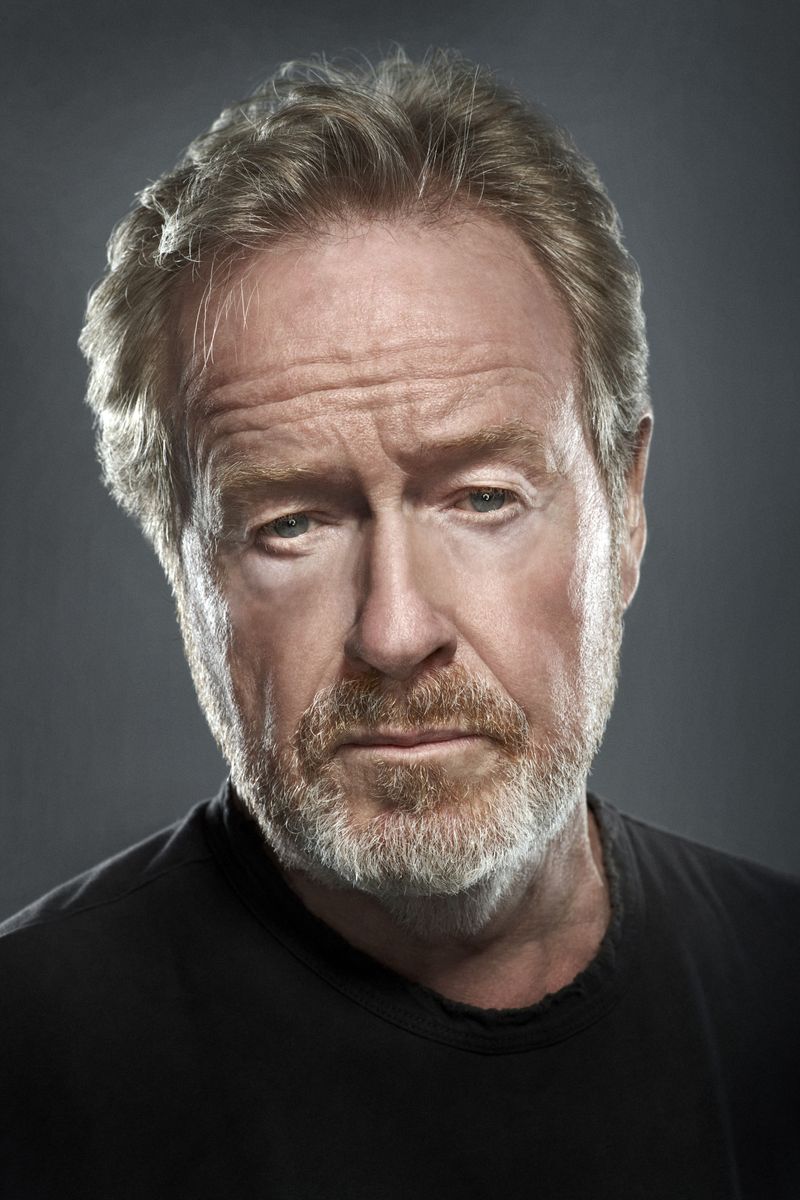
Scott’s relentless pace and sky-high expectations create pressure-cooker environments on every production.
He moves incredibly fast, giving actors minimal time to prepare or question his decisions before moving to the next setup.
His blunt, no-nonsense communication style can feel brutal to sensitive performers.
Scott has little patience for actors who need emotional support or extensive direction, preferring those who can deliver immediately without hand-holding.
While not cruel like some directors, his demanding nature and perfectionist standards exhaust cast and crew.
Scott’s films require total commitment, and those who can’t keep up with his intense workflow quickly find themselves struggling to survive the experience.
Comments
Loading…