
 Hailey Watson
Your partner’s phone habits can tell you a lot about what’s really going on in your relationship.
While everyone deserves privacy, some behaviors cross a line and may signal deeper trust issues.
Knowing the difference between healthy boundaries and suspicious patterns can protect your emotional wellbeing.
Keep an eye out for these warning signs before small doubts turn into bigger problems.
1. Always Keeping the Phone Face Down

Ever notice how your partner flips their phone over the second you walk into the room?
It might seem like a small habit, but it can carry a big meaning.
A phone consistently placed face down is often a way to hide incoming notifications from curious eyes.
Occasional privacy is fine, but when it becomes a pattern, it raises questions.
Healthy relationships are built on openness, not constant concealment.
If they flinch every time a message pops up, that nervous energy is worth paying attention to.
Talk about it calmly and see how they respond to the conversation.
2. Stepping Out to Take Calls
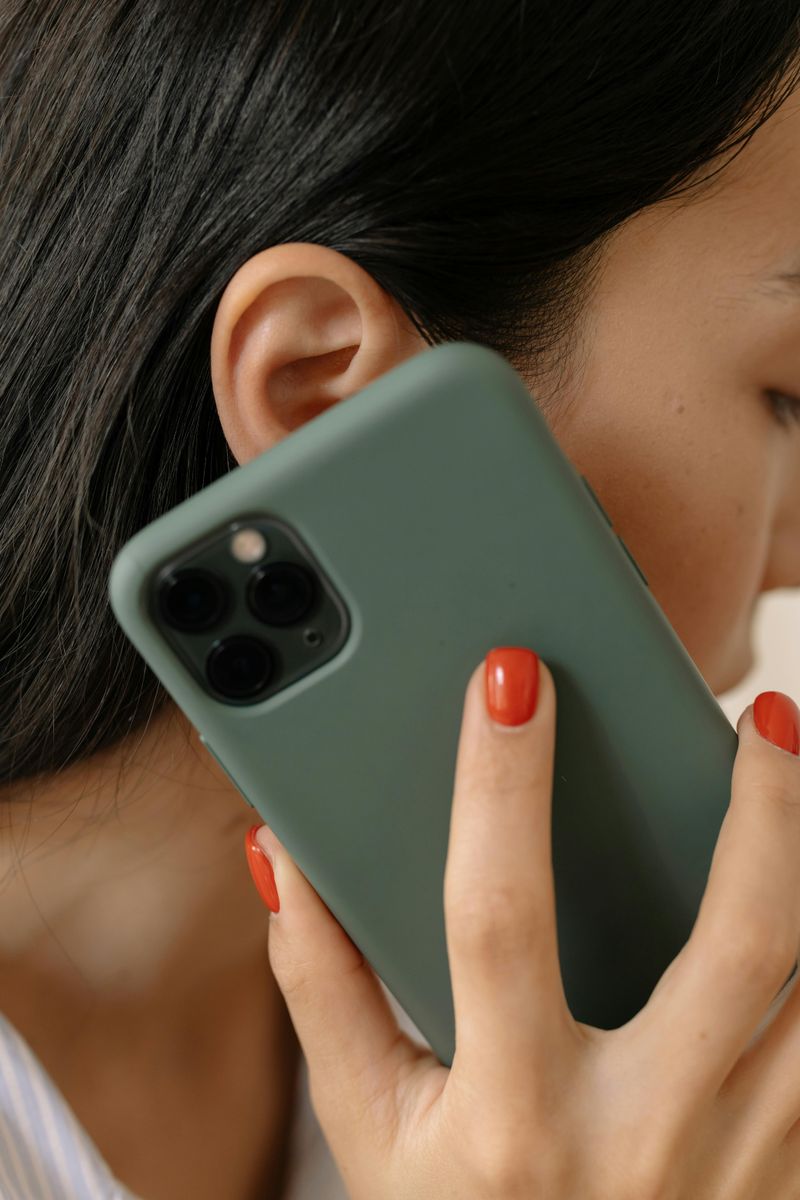
Taking a call in another room once in a while is perfectly normal.
But when your partner consistently disappears every single time their phone rings, something feels off.
That pattern of avoidance can leave you feeling shut out and second-guessing what is being hidden.
Secretive calls are one of the oldest signs of dishonesty in relationships.
You deserve to feel comfortable, not like an outsider in your own home.
Pay attention to how often this happens and whether they seem nervous or unusually quiet afterward.
Bringing it up gently is far better than letting suspicion quietly fester.
3. Changing Passwords Without Telling You
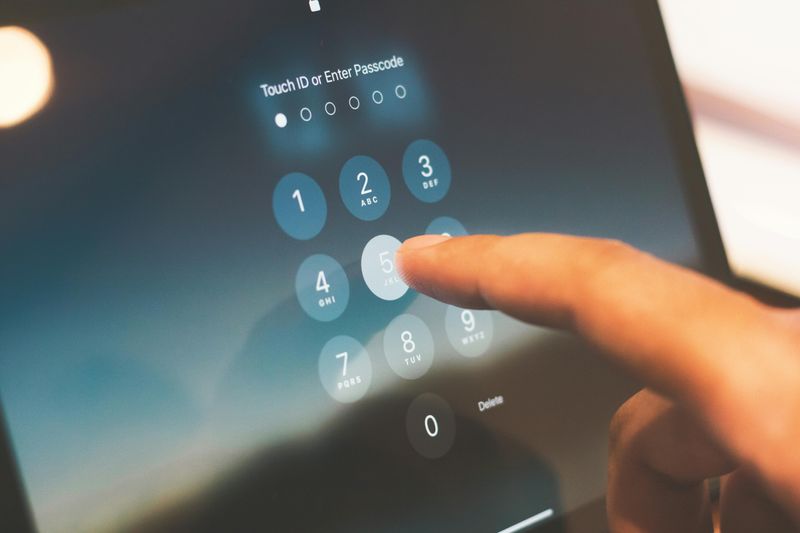
Passwords are personal, and no one is required to share them with a partner.
However, suddenly changing a password without any explanation is a different story.
When this happens out of nowhere, it often signals that something new is being protected from your view.
Did you know that relationship counselors often list unexplained password changes as one of the top early warning signs of emotional withdrawal?
Trust does not require full access, but it does require honesty about why boundaries are shifting.
Ask your partner directly.
Their reaction will often reveal more than the answer itself ever could.
4. Being Glued to the Phone at All Hours

Scrolling through social media before bed is common, but there is a difference between casual browsing and obsessive late-night phone use.
When your partner is awake at 2 a.m. typing away and quickly locking the screen the moment you stir, that behavior deserves attention.
Constant phone use can also be a sign of emotional investment elsewhere, whether that means someone new or an online community they are hiding.
Feeling like you are competing with a device for your partner’s attention is exhausting and emotionally draining.
Setting screen-free time together can help rebuild connection and reveal where their priorities truly lie.
5. Deleting Messages and Call Logs Regularly

Most people do not bother deleting individual texts or clearing call logs unless they have a reason to.
If your partner’s message inbox is always suspiciously empty, that tidiness may not be about organization at all.
Regularly erasing conversations is a classic way to cover tracks.
Transparency in communication is a cornerstone of healthy relationships.
When evidence of conversations disappears on a routine basis, it creates an information gap that breeds anxiety and doubt.
You are not being paranoid for noticing.
Bring it up honestly and watch whether they become defensive or offer a reasonable, calm explanation without deflecting.
6. Getting Defensive When You Ask About Their Phone

Asking a simple question about who texted your partner should not turn into a full-blown argument.
When someone has nothing to hide, they typically respond with ease and openness.
A defensive or explosive reaction to basic questions is a major emotional red flag worth taking seriously.
Defensiveness often masks guilt.
Turning your concern into an attack on your trust or character is a manipulation tactic used to shift focus away from their behavior.
You asked a fair question and you deserve a fair answer.
Notice whether this pattern repeats, because consistent defensiveness rarely points toward innocent behavior in the long run.
7. Keeping Social Media Accounts Hidden

Finding out your partner has a social media account you never knew about is a jarring experience.
Whether it is a secondary Instagram, a hidden Snapchat, or a private messaging app, secret accounts suggest they are living a version of their life they do not want you to see.
Healthy couples do not always share every account, but they also do not actively conceal them.
The intent matters.
An account kept hidden specifically from you signals something more deliberate than simple privacy.
Ask yourself why they would need a separate digital identity and whether that answer aligns with the relationship you thought you had.
8. Showing Physical Anxiety When You Touch Their Phone

Watch closely the next time you accidentally pick up your partner’s phone.
Do they lunge for it, go pale, or suddenly become very talkative to distract you?
Physical anxiety around their device is one of the most telling and honest reactions a person can display.
The body often reveals what words carefully conceal.
Sweaty palms, a tight jaw, or a sudden burst of laughter to redirect attention are all signs that something on that phone is causing internal panic.
These reactions are hard to fake in reverse.
Trust your gut.
A relaxed partner with nothing to hide rarely treats their phone like a locked vault.
Comments
Loading…