
 Hailey Watson
Jobs That AI Is Unlikely to Replace Anytime Soon

AI can automate tasks, but it still struggles with human trust, physical unpredictability, and real-world judgment.
That means some careers have far more staying power than the headlines suggest.
If you are thinking about long-term stability, these jobs stand out for the very traits machines find hardest to copy.
Here are ten roles where human skill still matters in a big way.
1. Therapists and Counselors

When someone is hurting, they usually need more than accurate information.
They need trust, emotional presence, and the feeling that another human truly understands what is unsaid.
AI can offer scripts and suggestions, but deep counseling depends on nuance, timing, and lived empathy.
Therapists also adapt to trauma, family dynamics, culture, and body language in real time.
You cannot reduce healing to a checklist without losing something essential.
As long as people need connection, ethical judgment, and genuine care during vulnerable moments, therapists and counselors will remain difficult to replace with software alone.
2. Electricians
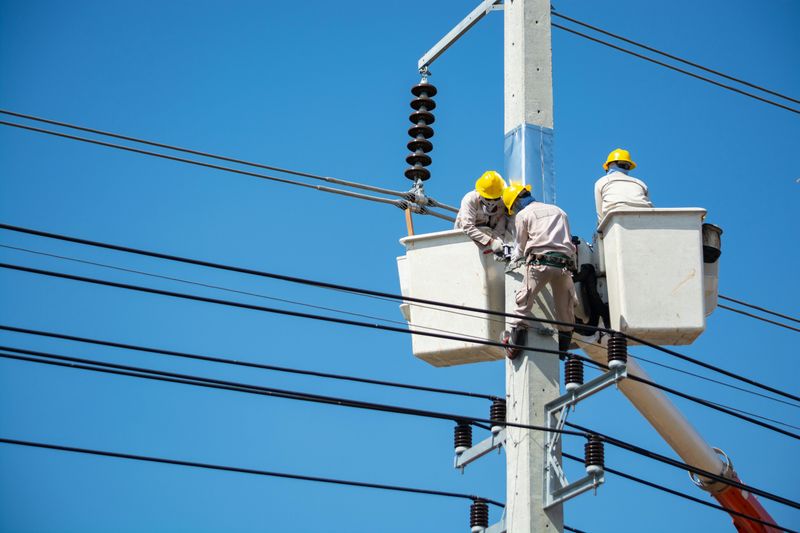
Electricians work in unpredictable spaces where every building tells a different story.
Hidden wiring, outdated systems, safety hazards, and on-the-spot troubleshooting require steady hands and practical judgment.
AI may help with diagnostics, but it cannot easily crawl through attics or safely rewire a chaotic job site.
This work also carries serious responsibility because mistakes can cause fires, outages, or injury.
Clients want someone who can explain options clearly and make reliable decisions under pressure.
That combination of physical skill, safety awareness, and adaptable problem solving makes electricians one of the strongest examples of an AI-resistant career path today.
3. Registered Nurses

Nurses do far more than follow procedures.
They notice subtle changes, comfort frightened families, coordinate with doctors, and make quick decisions when a patient suddenly declines.
In high-stress settings, that blend of clinical knowledge and emotional steadiness is hard for any machine to match.
Healthcare is also deeply personal, especially when pain, fear, or end-of-life choices are involved.
People want reassurance from someone who can read the room, answer hard questions, and respond with compassion.
AI will likely support nurses with monitoring and paperwork, but the core role still depends on human presence, trust, and bedside judgment every single day.
4. Teachers

Great teaching is not just delivering information.
It is motivating distracted students, adjusting explanations on the fly, managing group energy, and helping each person feel capable of learning.
Even the best software cannot fully replace the human spark that keeps a classroom engaged.
Teachers also shape confidence, habits, curiosity, and social development in ways that go beyond academic content.
They sense when a student is discouraged, bored, confused, or quietly falling behind.
AI can be a useful classroom tool, but students still benefit most from adults who guide, encourage, and challenge them with real accountability and care that feels personal.
5. Plumbers

Plumbing jobs rarely happen in perfect conditions.
A plumber may face leaking pipes behind walls, corroded fittings, old layouts, emergency flooding, or cramped spaces that demand practical improvisation.
AI can analyze diagrams, but it cannot physically solve messy problems in a real home or building.
Customers also rely on plumbers to prevent expensive damage and explain options in plain language.
The work combines technical expertise, dexterity, diagnostics, and calm decision-making when things go wrong fast.
Because buildings age unevenly and every repair brings surprises, plumbing remains one of those trades where adaptable human skill still has a major advantage.
6. Emergency Responders
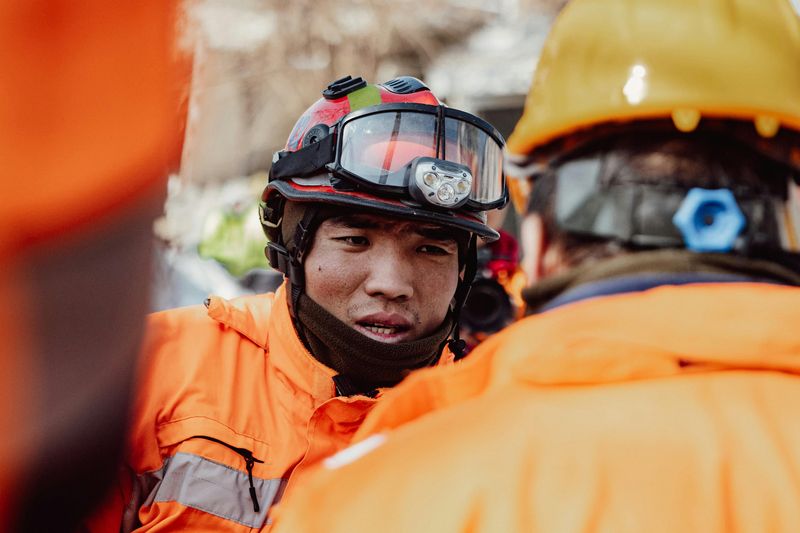
In emergencies, seconds matter and situations can change without warning.
Paramedics, firefighters, and other responders must assess danger, calm people, improvise with limited information, and act decisively under intense pressure.
That kind of real-world judgment is incredibly difficult to automate safely.
These jobs also depend on teamwork, courage, and communication when people are panicked or injured.
A machine might assist with data or routing, but someone still needs to lead physically and emotionally at the scene.
As long as communities face accidents, disasters, and medical crises, emergency responders will remain essential in ways that go far beyond prediction models and robotics.
7. Social Workers
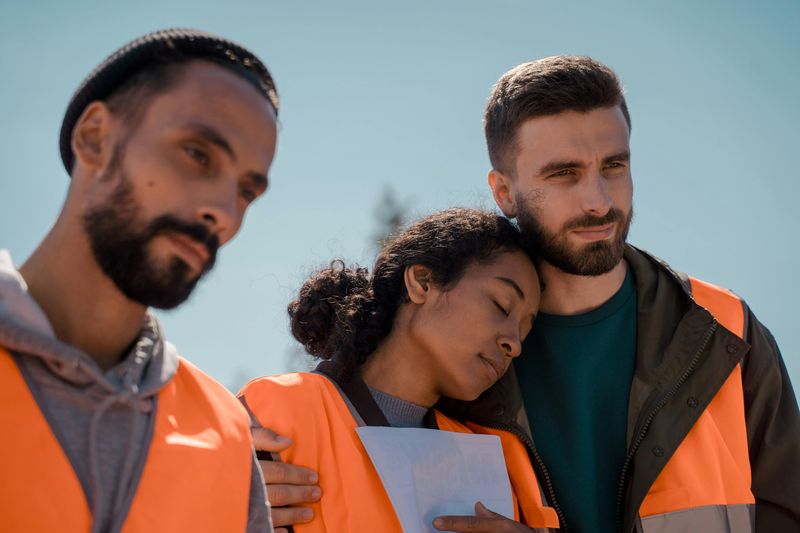
Social work lives at the intersection of systems and human struggle.
These professionals help people facing abuse, addiction, poverty, mental health issues, and unstable housing, often while navigating complicated legal and community resources.
AI may organize information, but it cannot replace trust built through patience and real advocacy.
Social workers also make sensitive judgments about safety, family dynamics, and what support might actually work in someone’s life.
Their effectiveness depends on relationships, cultural understanding, and ethical care in emotionally charged situations.
When lives are messy and solutions are never one-size-fits-all, human guidance matters too much for automation to take over completely.
8. Chefs

Cooking at a high level is both technical and deeply creative.
Chefs balance flavor, texture, timing, presentation, and customer expectations while managing a fast-moving kitchen full of unpredictable variables.
AI can suggest recipes, but it does not taste, smell, or lead a team through dinner rush chaos.
Great chefs also create memorable experiences shaped by culture, mood, and personal style.
They adapt when ingredients run short, diners have special requests, or a dish needs a last-second adjustment.
That mix of sensory judgment, artistry, leadership, and improvisation makes chefs far harder to replace than many people assume.
9. Physical Therapists

Physical therapists guide recovery through observation, encouragement, and hands-on assessment.
They watch movement patterns, adjust exercises, and respond to pain levels in ways that depend on subtle human feedback.
AI can track metrics, but rehabilitation is rarely just numbers on a screen.
Patients often need motivation as much as instruction, especially when progress feels slow or discouraging.
A therapist knows when to push, when to pause, and how to build confidence after injury or surgery.
Because treatment changes from person to person and session to session, physical therapy remains rooted in human connection, clinical judgment, and careful real-time adaptation.
10. Childcare Workers
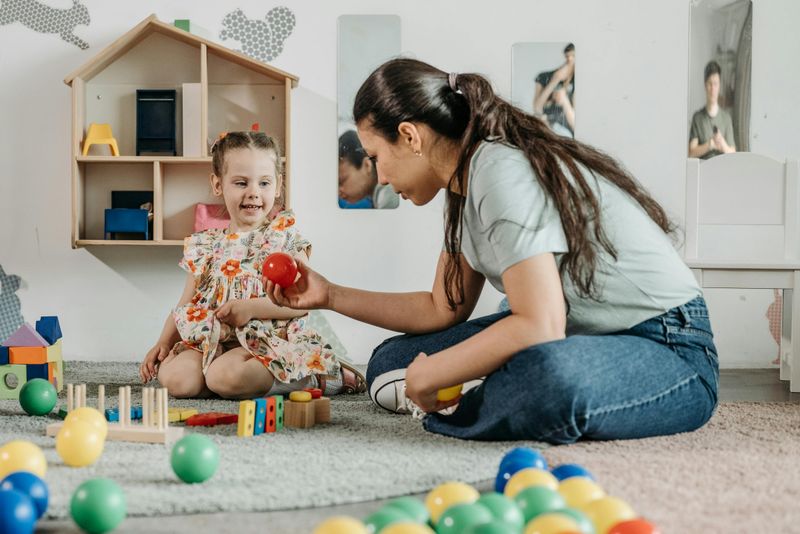
Taking care of young children requires constant attention, warmth, and flexibility.
Childcare workers do not just supervise.
They comfort tears, teach routines, encourage language, manage conflicts, and create a safe environment where children can grow socially and emotionally.
Parents want more than efficiency when they leave their kids with someone.
They want trust, patience, instinct, and the kind of human presence that helps children feel secure.
AI tools may support scheduling or learning activities, but early childhood care depends on touch, tone, relationships, and responsive decision-making that technology still cannot provide in a truly meaningful way.
Comments
Loading…