
 Isabel Parker
The 1980s gave us some of the biggest names in music history, from arena rock anthems to synth-pop sensations.
But not everyone agrees that all these icons deserve their legendary status.
Some music fans argue that certain artists from this era got way more credit than their talent or impact actually warranted.
Join us as we explore nine ’80s music legends whose reputations have sparked serious debate among listeners.
1. Phil Collins
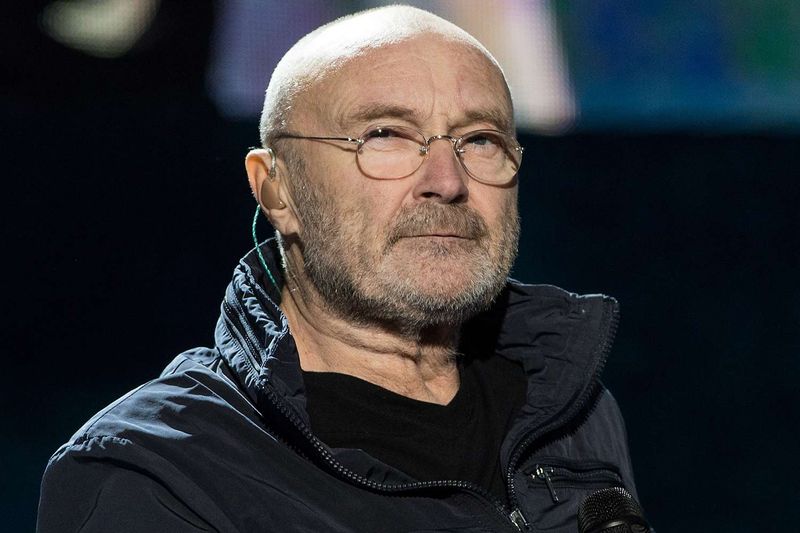
Critics often point to Phil Collins as the poster child for bland, overproduced 80s pop.
His transition from Genesis drummer to solo superstar brought massive commercial success, but many listeners found his radio-friendly ballads lacking substance.
Songs like “In the Air Tonight” became cultural touchstones, yet detractors argue his catalog relies heavily on safe, predictable formulas.
The gated reverb drum sound he popularized became so overused it defined an entire decade’s production style.
Some fans appreciate his musicianship and vocal abilities.
Others believe his widespread appeal came from playing it safe rather than pushing creative boundaries, making his legendary status questionable to certain music enthusiasts.
2. Bon Jovi
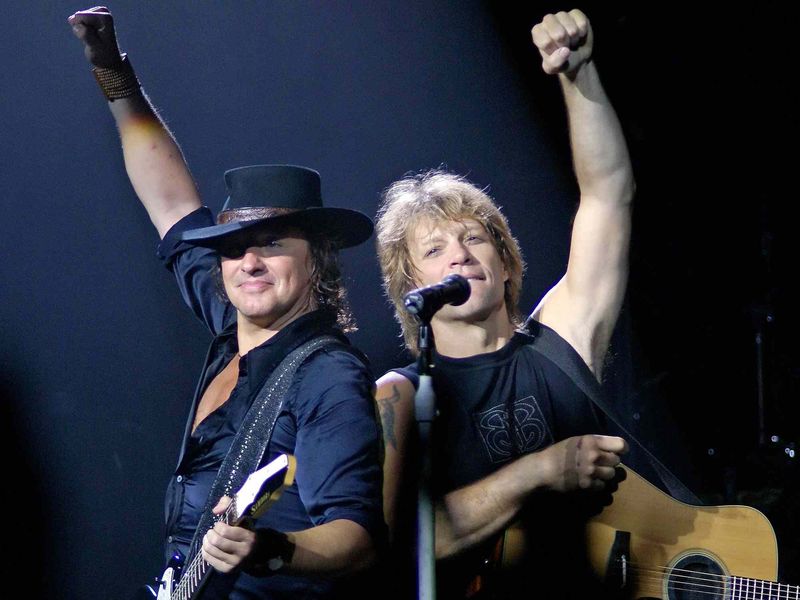
With massive arena anthems and stadium tours, Bon Jovi dominated 80s rock radio.
Yet skeptics claim their success stemmed more from image and marketing than genuine musical innovation or depth.
Their power ballads and fist-pumping choruses followed predictable patterns that some listeners found repetitive.
Songs like “Livin’ on a Prayer” became karaoke staples, but critics questioned whether catchiness equaled artistic merit.
The band’s polished, radio-ready sound appealed to mainstream audiences everywhere.
However, hardcore rock fans often dismissed them as too commercial and manufactured, arguing their enormous popularity overshadowed more talented but less marketable contemporaries from the same era.
3. Billy Joel
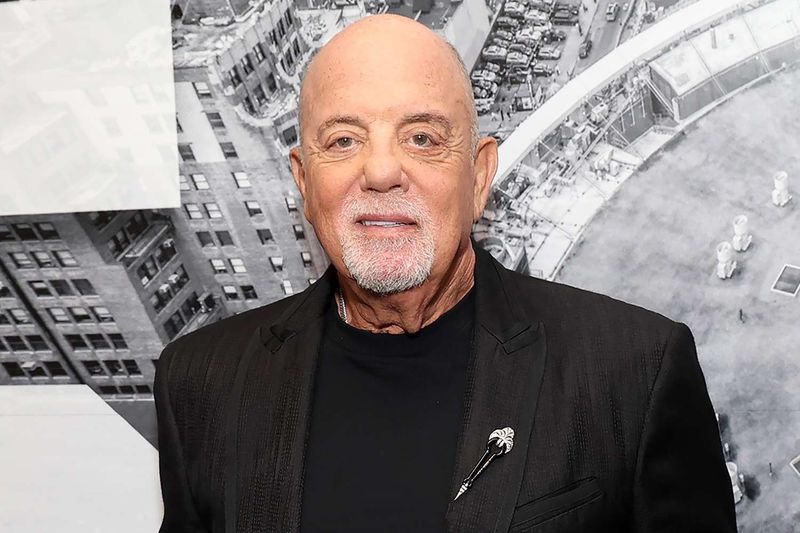
“Piano Man” made Billy Joel a household name, but music critics have long debated whether his reputation matches his actual contributions.
His storytelling approach won millions of fans, though some found his lyrics simplistic and predictable.
Joel scored numerous chart hits throughout the 80s with songs that dominated adult contemporary radio.
Detractors argue his middle-of-the-road approach lacked the edge or innovation that defined truly groundbreaking artists.
Supporters praise his melodic sensibility and relatable themes about everyday life.
But others contend his music represents safe, conventional pop that benefited from timing and marketing rather than exceptional artistry or cultural significance.
4. Toto
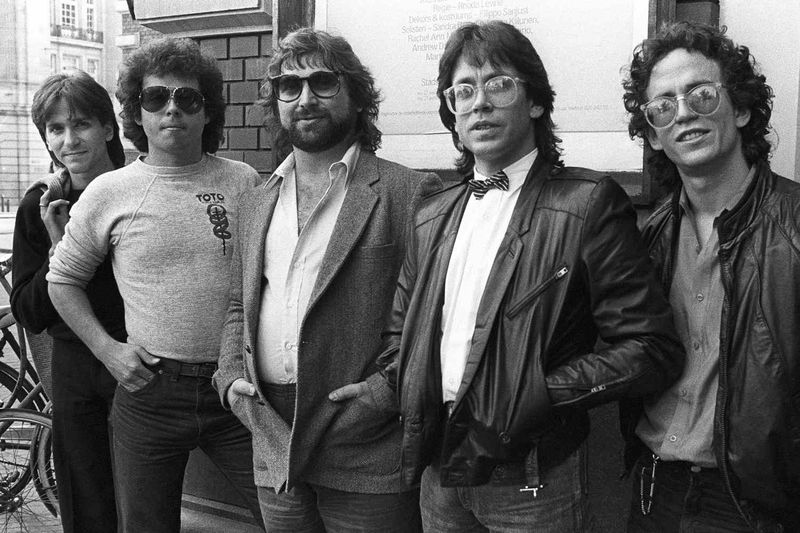
Everyone knows “Africa,” but can anyone name three other Toto songs?
That question haunts this band’s legacy.
These session musicians achieved massive success with one iconic track that became a meme decades later.
Their technical proficiency as players never got questioned.
What skeptics challenge is whether their smooth, polished sound offered anything memorable beyond that one geographical anthem.
Radio stations played their hits constantly during the decade.
Some argue Toto represented peak 80s studio craftsmanship and sophisticated pop-rock.
Others see them as competent professionals who happened to catch lightning in a bottle once, with their overall influence not matching their fame.
5. Huey Lewis and the News
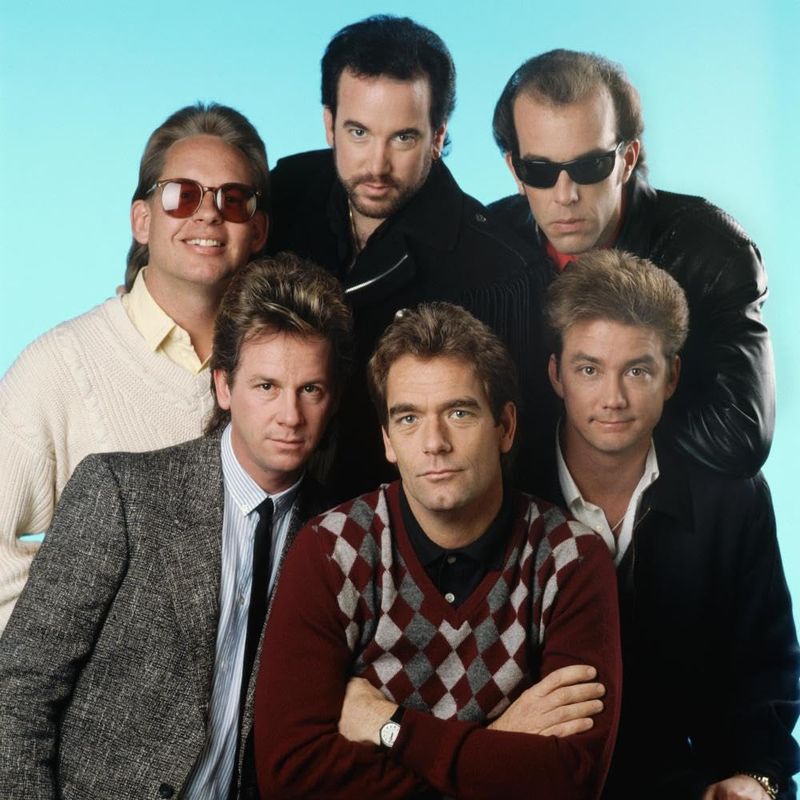
Clean-cut and radio-friendly, Huey Lewis and the News churned out feel-good hits perfect for movie soundtracks.
“The Power of Love” and “Hip to Be Square” defined their upbeat, harmless brand of rock.
Their music became synonymous with safe corporate entertainment that offended nobody.
Fans enjoyed their catchy hooks and positive energy, while critics dismissed them as utterly forgettable background music lacking any real edge or depth.
The band sold millions of albums and dominated 80s radio playlists.
But many listeners question whether their massive commercial success reflected genuine artistic achievement or simply smart marketing to mainstream audiences seeking unchallenging entertainment.
6. REO Speedwagon
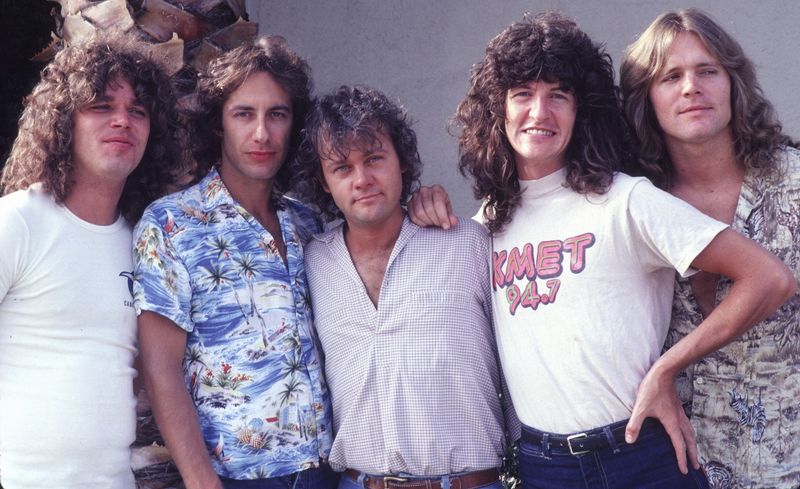
Power ballads became REO Speedwagon’s trademark, with “Keep On Loving You” leading the charge.
Their shift from hard rock to softer, romantic anthems brought mainstream success but alienated original fans who preferred their earlier sound.
Critics accused the band of abandoning authenticity for commercial appeal.
Their emotional ballads dominated wedding playlists and slow dances, yet skeptics found them overly sentimental and formulaic.
Radio stations played their hits endlessly throughout the decade.
Some appreciated their heartfelt approach to love songs, while others viewed them as representatives of everything wrong with watered-down 80s arena rock that prioritized sales over substance.
7. Rick Astley
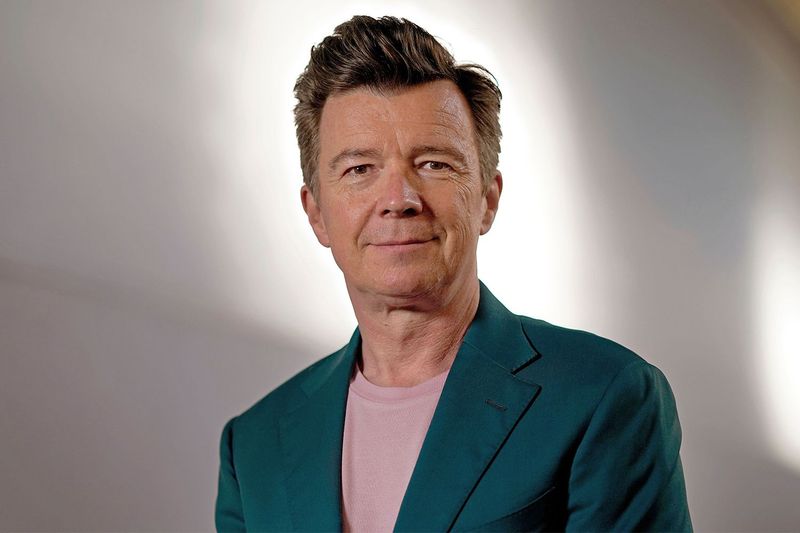
That deep voice surprised everyone coming from such a baby-faced young singer.
Rick Astley’s “Never Gonna Give You Up” became a global phenomenon, launching him to instant stardom as a teen.
But here’s the thing: his entire career rested on producers and songwriters from the Stock Aitken Waterman hit factory.
Skeptics argue he was merely a voice chosen for marketability rather than a true artist with vision or control.
The rickrolling meme gave him renewed fame decades later.
However, many listeners believe his brief 80s success reflected manufactured pop rather than genuine talent, making his icon status feel unearned and inflated.
8. Tiffany
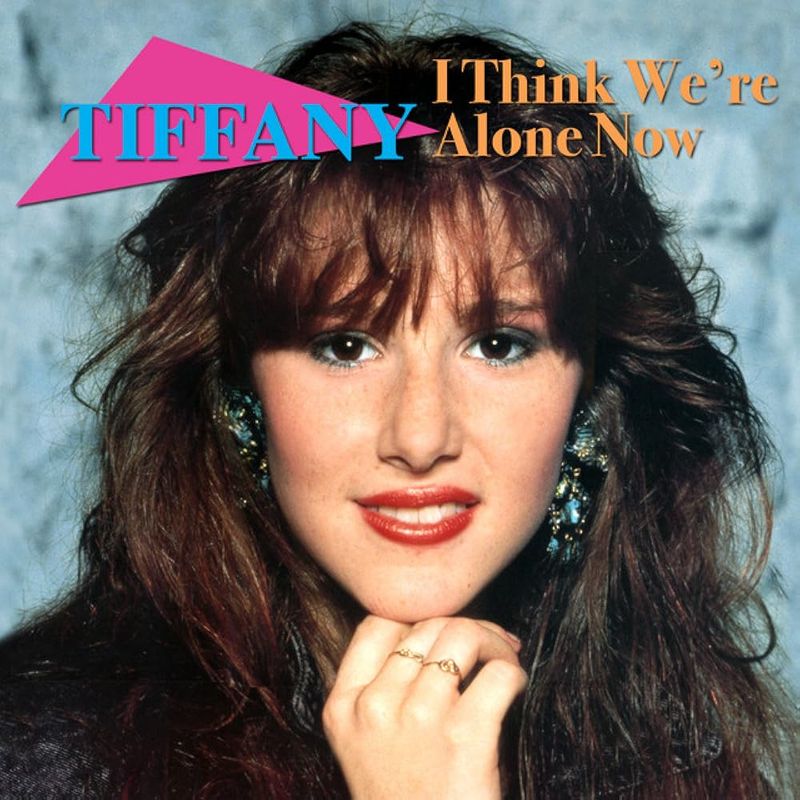
Shopping mall tours made Tiffany a household name among teenagers everywhere.
Her cover of “I Think We’re Alone Now” dominated radio and MTV, turning this teen into an overnight sensation.
Critics questioned whether one major hit and a clever marketing strategy warranted icon status.
Her appeal targeted young girls specifically, and her music lacked the depth or innovation that characterized lasting artists.
Did she represent genuine talent or simply smart promotion of a cute teenage girl?
Many argue her brief moment in the spotlight reflected the era’s obsession with image over substance, making her legendary reputation among 80s icons highly debatable today.
9. Def Leppard

Slick production and radio-ready hooks defined Def Leppard’s massive success.
Their album “Hysteria” sold millions, but detractors claimed their sound was overproduced and sterile, lacking the raw energy that made rock music exciting.
Every guitar solo seemed perfectly placed, every vocal harmony precisely layered.
This calculated approach alienated fans who preferred grittier, more authentic rock and roll.
Their achievements in sales and airplay remain undeniable.
However, critics argue that their polished, commercial sound represented everything wrong with corporate rock, questioning whether mainstream popularity should equal iconic status when artistry feels compromised.
Comments
Loading…