
 Hailey Watson
Some habits stick around long after the world has changed, and that is part of what makes them so fascinating.
Older adults often carry small routines from earlier decades that still shape how they shop, talk, save, and connect.
These behaviors can seem old-fashioned at first, but they often reveal practicality, resilience, and a lifetime of experience.
Take a closer look, and you may find that many of these habits still make perfect sense today.
1. Saving every leftover container

Many older adults still rinse out butter tubs, glass jars, and takeout containers instead of tossing them right away.
It comes from years of learning not to waste anything useful, especially when money was tight.
What looks like clutter to someone else often feels like smart preparation.
You can see the logic when leftovers need storing or small items need organizing around the house.
These containers become lunch boxes, sewing holders, or freezer savers without costing a dime.
It is a habit rooted in thrift, creativity, and the quiet satisfaction of making something last just a little longer.
2. Paying bills by mail

Even with automatic payments everywhere, plenty of older adults still prefer writing checks and mailing bills themselves.
There is comfort in seeing every number on paper, reviewing each statement, and knowing exactly when payment was sent.
The routine feels orderly, deliberate, and easier to trust.
For many, it is not about resisting technology as much as wanting a clear record they can hold in their hands.
Opening envelopes, balancing figures, and filing receipts creates a sense of control.
In a fast digital world, that slower process can feel more secure and far less stressful than tapping a screen.
3. Keeping cash tucked away

Many older adults still keep cash hidden in a drawer, wallet, or envelope at home just in case.
That habit often comes from living through uncertain times when having physical money nearby meant safety and independence.
A card can fail, but cash feels immediate and dependable.
You might hear them say everyone should keep a little emergency money on hand, and honestly, it is hard to argue with that.
Storms, outages, or banking glitches can make paper money suddenly very useful.
What seems old-school is really a backup plan shaped by experience, caution, and a strong desire to stay prepared.
4. Showing up early for everything

Older adults are famous for arriving early, whether it is a doctor appointment, family dinner, or church service.
Being late was often seen as disrespectful, careless, or avoidable, so punctuality became second nature over time.
Many still feel uneasy cutting it close, even for casual plans.
Getting somewhere ahead of schedule also lowers stress and leaves room for traffic, parking, or unexpected delays.
That extra buffer can make the whole day feel calmer and more manageable.
In a culture that normalizes rushing, this habit quietly reflects respect for other people and a deep preference for being prepared rather than flustered.
5. Reusing wrapping paper and gift bags

After birthdays and holidays, many older adults carefully smooth out wrapping paper, save ribbons, and fold gift bags for later.
It is a small ritual that comes from valuing resources and seeing usefulness where others might only see trash.
Throwing everything away can feel unnecessarily wasteful.
You may have laughed at a closet full of saved bows, but that stash often comes in handy at exactly the right time.
Reusing supplies saves money, reduces waste, and keeps good materials in circulation a little longer.
The habit is practical, environmentally friendly, and tied to a generation that learned to make celebrations meaningful without overspending.
6. Reading the newspaper front to back
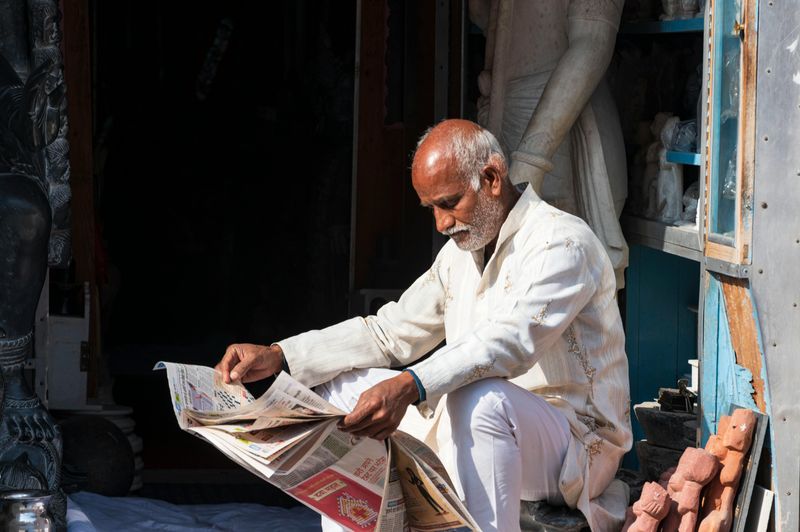
Many older adults still enjoy reading a physical newspaper from front to back, even when headlines are available instantly online.
Holding the pages, scanning the sections, and lingering over local stories creates a slower, more focused experience.
It feels less chaotic than endless alerts and scrolling feeds.
This habit is also about routine, often tied to morning coffee, a favorite chair, and a quiet start to the day.
Print invites attention in a way that digital news often does not.
For someone who values context over speed, the newspaper remains more than information – it is a familiar daily ritual.
7. Fixing things instead of replacing them
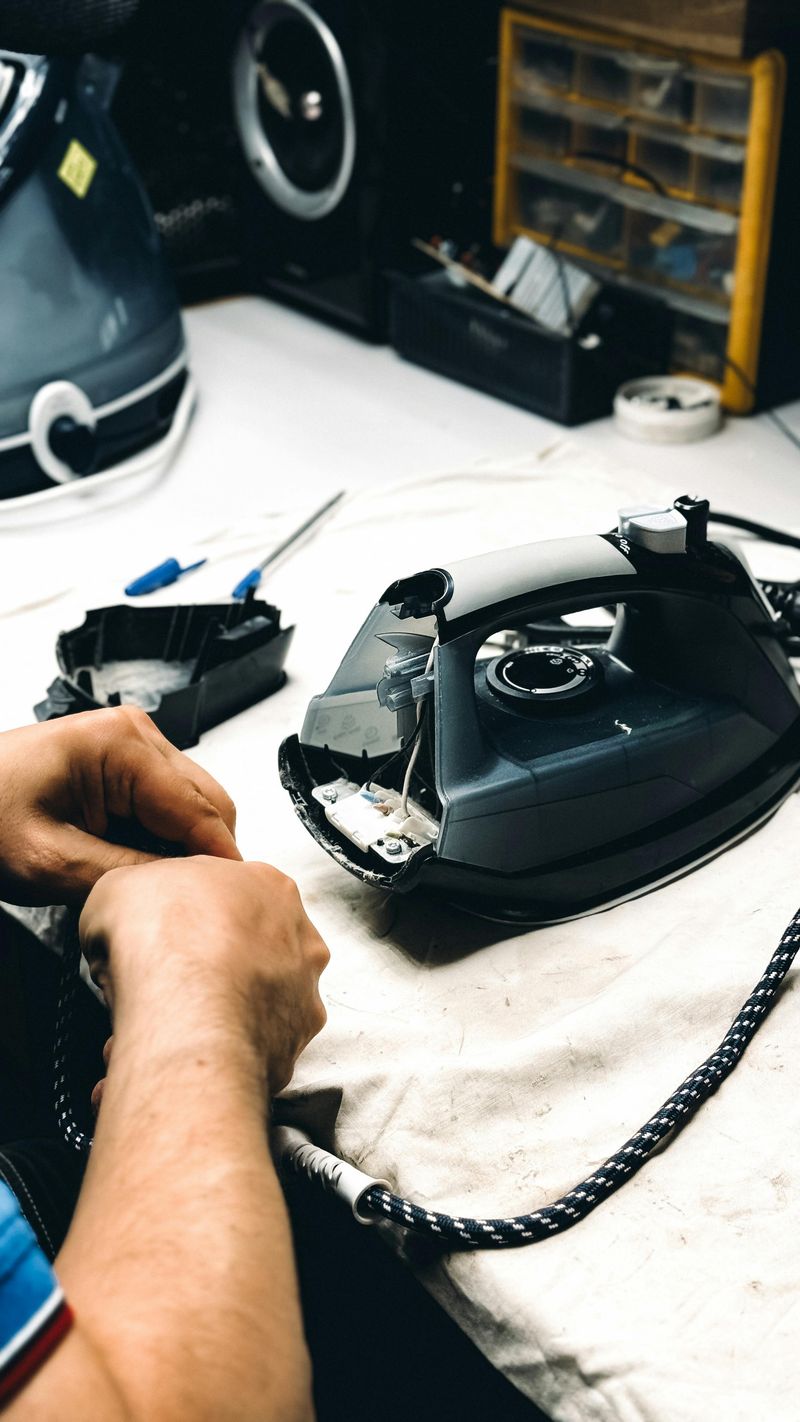
When something breaks, many older adults still reach for tools, tape, or glue before thinking about buying a replacement.
They grew up in times when repairing items was normal, affordable, and often necessary, so the instinct never really disappeared.
If it can be fixed, it deserves a try.
This mindset applies to furniture, clothing, appliances, and all kinds of everyday objects around the house.
Instead of tossing things at the first sign of wear, they look for ways to extend usefulness.
That habit saves money, reduces waste, and carries a quiet pride in solving problems with patience, skill, and common sense.
Comments
Loading…