
 Hailey Watson
12 Predictions the Silent Generation Worried About — That Came True
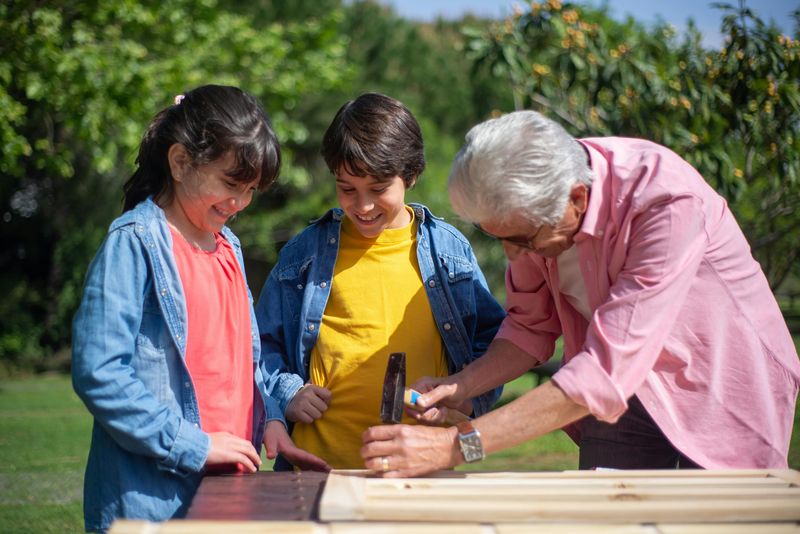
The Silent Generation — those born between 1928 and 1945 — lived through the Great Depression, World War II, and the early Cold War.
They saw the world change fast and often worried out loud about where things were headed.
Many of their concerns were brushed aside as old-fashioned or overly cautious.
But looking back now, a surprising number of their warnings turned out to be spot-on.
1. The Disappearance of Family Dinners

Back when families gathered every evening around the dinner table, the older generation shook their heads at the first TV trays and frozen meals.
They warned that technology and busyness would slowly pull families apart at mealtime — and they were right.
Today, studies show that fewer than 30% of American families eat dinner together regularly.
Screens, packed schedules, and fast food have replaced shared meals.
The Silent Generation understood something we are still relearning: sitting down together builds connection, communication, and belonging.
Many parents are now actively trying to bring family dinners back, proving this old worry still matters deeply.
2. Skyrocketing Personal Debt

Growing up with nothing during the Great Depression, the Silent Generation treated debt like a four-letter word.
They paid cash, saved before buying, and warned their children that easy credit would become a dangerous trap.
Fast forward to today: the average American carries over $90,000 in personal debt, including credit cards, student loans, and car payments.
Buy-now-pay-later culture has made overspending almost invisible until the bills pile up.
Their grandparents lived by the rule “if you can’t afford it, don’t buy it.” That wisdom sounds simple, but it could have saved millions of households from serious financial stress.
3. Loss of Privacy in Everyday Life

Long before smartphones and social media, members of the Silent Generation read George Orwell’s 1984 and felt a chill.
They worried that governments and corporations would one day know everything about ordinary citizens — where they go, what they buy, who they talk to.
That day arrived quietly.
Every search engine query, every app download, and every loyalty card swipe feeds massive data profiles built around each of us.
Surveillance cameras cover most public spaces in major cities.
What once seemed like paranoid science fiction is now just Tuesday.
Their concern about privacy erosion was not only valid — it was visionary.
4. Children Raised by Screens Instead of Parents

When television became a household staple in the 1950s, worried grandparents called it “the babysitter box.”
They feared parents would hand their children over to electronic entertainment rather than spending real time with them — and that fear aged like fine wine.
Children in the U.S. now spend an average of seven hours per day looking at screens.
Pediatricians have linked excessive screen time to delayed speech, attention problems, and social difficulties in young kids.
The Silent Generation saw this coming before the remote control even existed.
Their instinct to protect childhood from passive entertainment was remarkably ahead of its time.
5. The Breakdown of Neighborhood Community
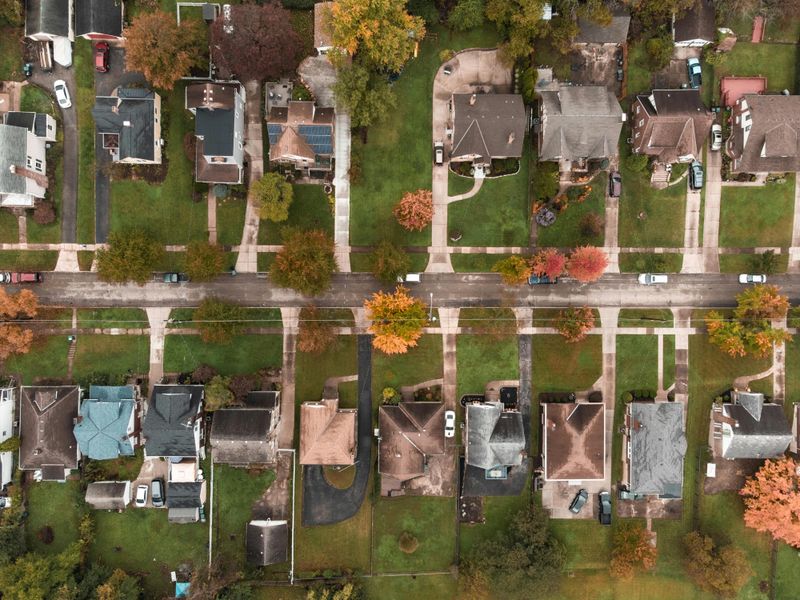
Ask anyone from the Silent Generation about their old neighborhood, and their face lights up.
Everyone knew each other, kids played outside until dark, and neighbors looked out for one another.
They feared that modern life would shatter those bonds — and it largely has.
Research from Harvard University confirms that social isolation is now a public health crisis in America.
Nearly one in three adults reports having no close friends outside their immediate family.
Front porches gave way to backyard decks with privacy fences.
Communities turned inward.
The Silent Generation mourned this shift long before sociologists had a name for it.
6. Moral Decline in Entertainment
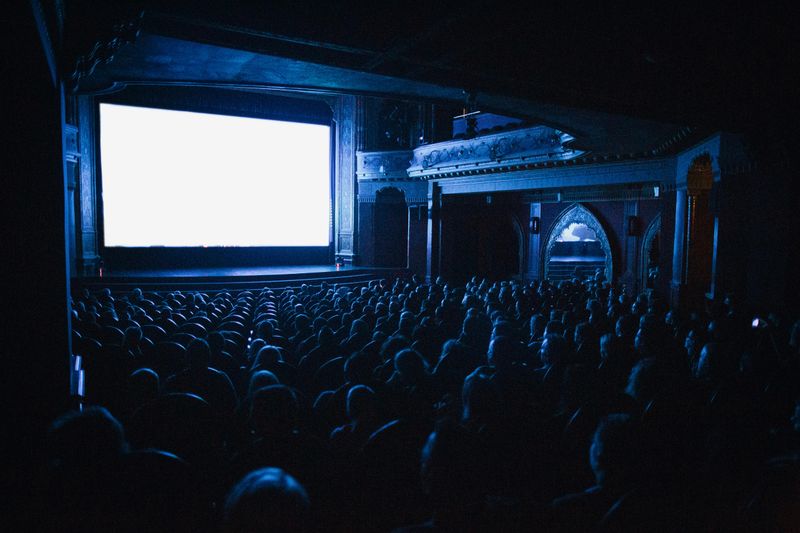
They sat through wholesome variety shows and worried what would happen when Hollywood pushed further.
The Silent Generation believed that entertainment shapes culture — that what people watch eventually influences what they accept.
Critics called them prudish.
History proved them prescient.
Today’s most-watched streaming content regularly features extreme violence, graphic language, and adult themes with few guardrails.
Studies link heavy consumption of violent media to desensitization, especially in teenagers.
Their concern was never about being uptight — it was about understanding that stories teach values.
When stories normalize cruelty or recklessness, those values quietly seep into everyday attitudes and behavior.
7. The Collapse of Manufacturing Jobs
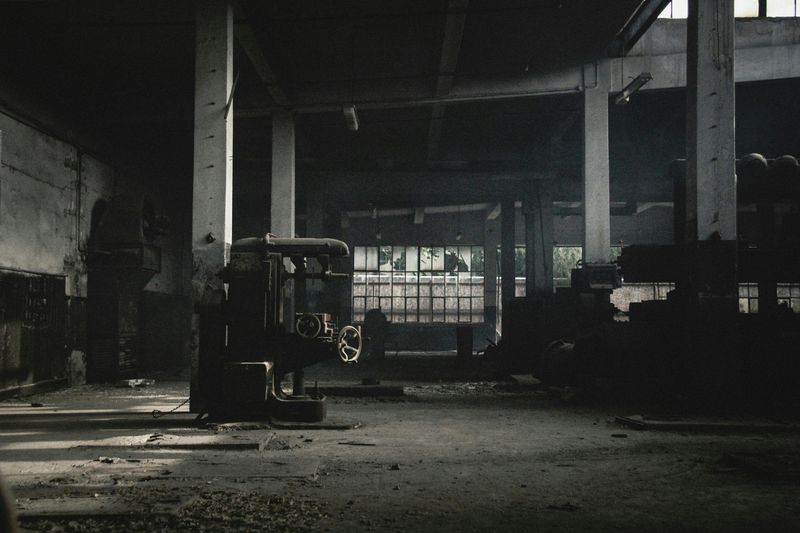
Factory workers of the Silent Generation built the American middle class with their hands.
When automation began creeping into plants in the 1960s and 1970s, they raised alarms about what would happen to working-class towns when the machines took over.
Their warnings were largely ignored.
Decades later, entire regions of the United States — once called the Rust Belt — became economic wastelands as manufacturing moved overseas or was replaced by robots.
Millions of workers lost not just paychecks but purpose, identity, and community.
The Silent Generation understood that a job is more than a wage — it is a way of life worth protecting.
8. Runaway Government Spending
Depression-era frugality was baked into the Silent Generation’s bones.
They watched early deficit spending with deep suspicion, warning that borrowing without limits would eventually crush future generations under a mountain of debt.
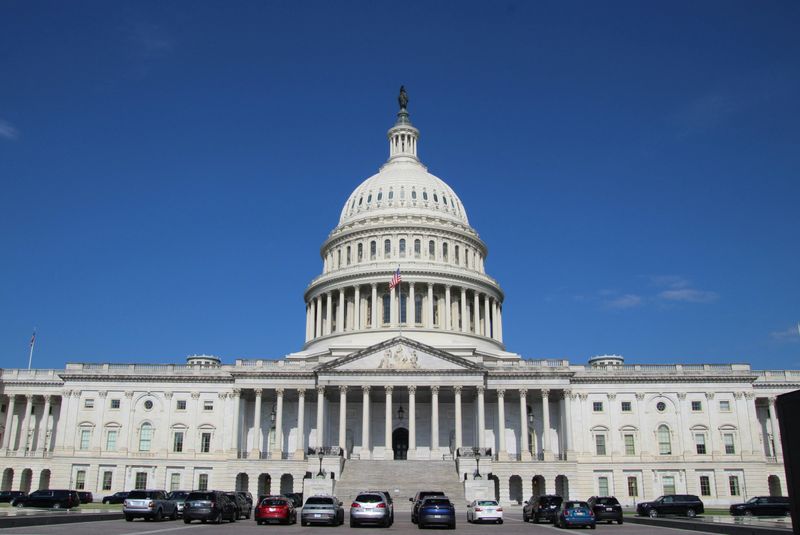
The U.S. national debt now exceeds $34 trillion.
Interest payments alone cost the federal government more than $1 trillion per year — money that cannot go toward schools, roads, or healthcare.
Politicians from both parties have consistently kicked the fiscal can down the road.
The Silent Generation called this out decades ago, and their frustration rings loud in today’s budget debates.
Sometimes the old warnings really do turn out to be the right ones.
9. Erosion of Respect for Authority
Manners mattered enormously to the Silent Generation.
They worried that postwar prosperity and permissive parenting would raise children who questioned everything and respected nothing.
Their concern was not about blind obedience — it was about the social glue that holds communities together.
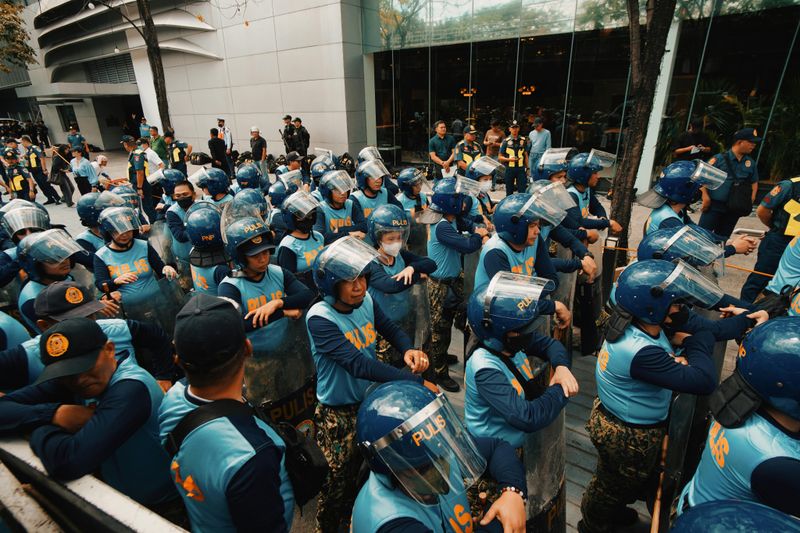
Today, teachers routinely report being verbally disrespected in classrooms.
Trust in institutions including government, police, and the press has hit historic lows across all age groups.
Healthy skepticism is valuable, but widespread disrespect creates chaos in schools, workplaces, and public spaces.
The Silent Generation understood the difference between questioning authority thoughtfully and simply tearing it down.
10. Environmental Destruction Going Unchecked
Long before climate change dominated headlines, the Silent Generation watched rivers catch fire and skies turn grey with smog.
Many of them worried quietly — and sometimes loudly — that industrial progress was poisoning the natural world at a pace nobody could outrun.
The Cuyahoga River in Ohio literally caught fire in 1969, shocking the nation into action.
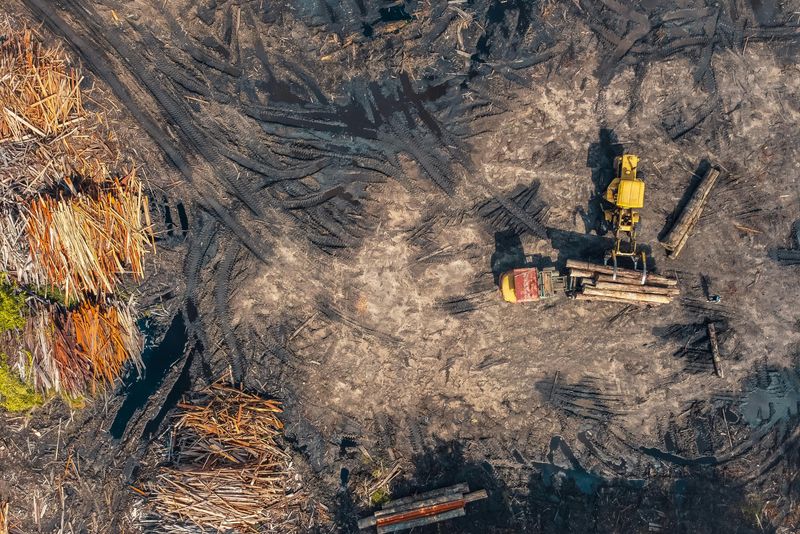
While environmental laws have helped, global temperatures, deforestation rates, and species extinction numbers continue to climb at alarming speeds.
Their generation planted trees they would never sit under.
They believed stewardship of the earth was a moral responsibility — a belief that feels more urgent now than ever before.
11. Young People Losing Practical Life Skills

Every member of the Silent Generation could change a tire, sew a button, cook a meal from scratch, and balance a checkbook.
They shook their heads as schools dropped home economics and shop class, warning that convenience culture would raise a generation helpless without technology.
Today, surveys show that many young adults cannot perform basic tasks like cooking a simple meal, reading an analog clock, or writing in cursive.
Entire YouTube channels exist just to teach millennials and Gen Z skills their great-grandparents considered obvious basics.
The Silent Generation was not being harsh — they were being honest about what gets lost when comfort replaces competence.
12. The Slow Death of Patience

People who waited years for letters from loved ones overseas did not take patience lightly.
The Silent Generation watched the world speed up and worried that instant gratification would hollow out people’s ability to wait, persist, and endure difficulty without falling apart.
Today, attention spans have shortened dramatically.
Research shows the average person abandons a webpage if it takes more than three seconds to load.
Anxiety and frustration spike when convenience is delayed even slightly.
Patience was once considered a virtue worth teaching.
The Silent Generation knew that the ability to wait calmly is the foundation of resilience — and resilience is exactly what modern life keeps demanding.
Comments
Loading…