
 Hailey Watson
11 Boomer-Era Traditions That Feel Outdated Today — Do You Still Do Them?
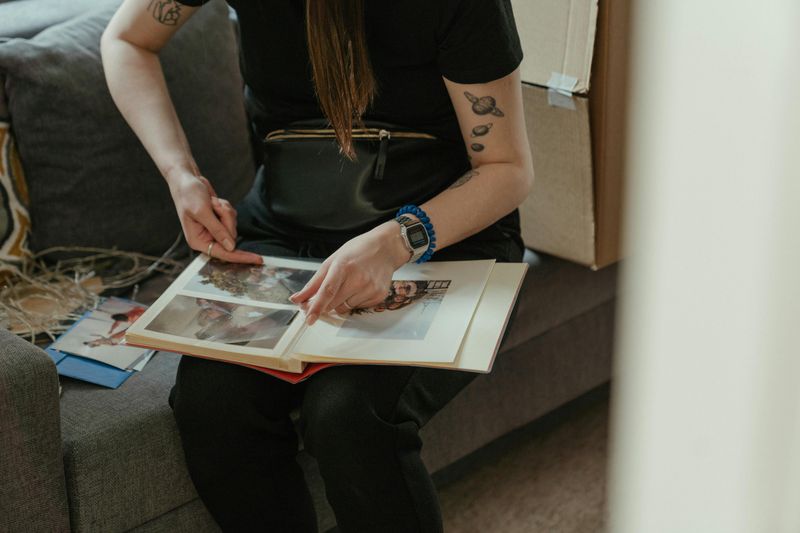
Growing up, every generation has its own way of doing things that eventually becomes a relic of the past.
Baby Boomers created many traditions and habits that were perfectly normal in their time but now seem quaint or even puzzling to younger folks.
From how they communicated to how they organized their homes, these practices shaped an entire era but have largely faded away in our digital age.
1. Setting the Table with Fine China for Sunday Dinner
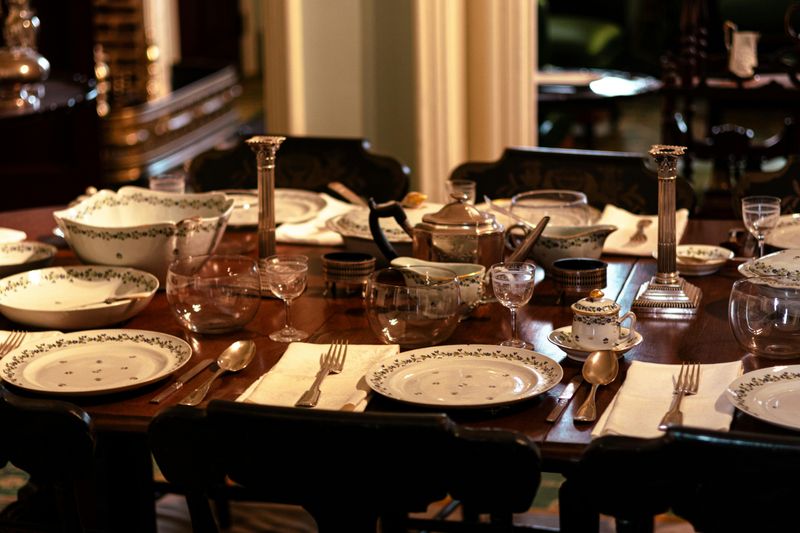
Every Sunday felt like a mini celebration when families gathered around tables dressed in their finest linens and china.
Grandma would bring out the delicate plates that were only used on special occasions, and everyone knew to handle them with extreme care.
The whole ritual took hours from setup to cleanup.
Today’s families often grab paper plates or eat casually in front of screens.
The formal dining experience has been replaced by convenience and speed.
Most people save their nice dishes for major holidays only, if they even own a set at all.
While the tradition built togetherness, modern life moves too fast for weekly formal dinners.
Many younger people see fancy china as an unnecessary expense and storage burden.
2. Writing Checks for Every Purchase
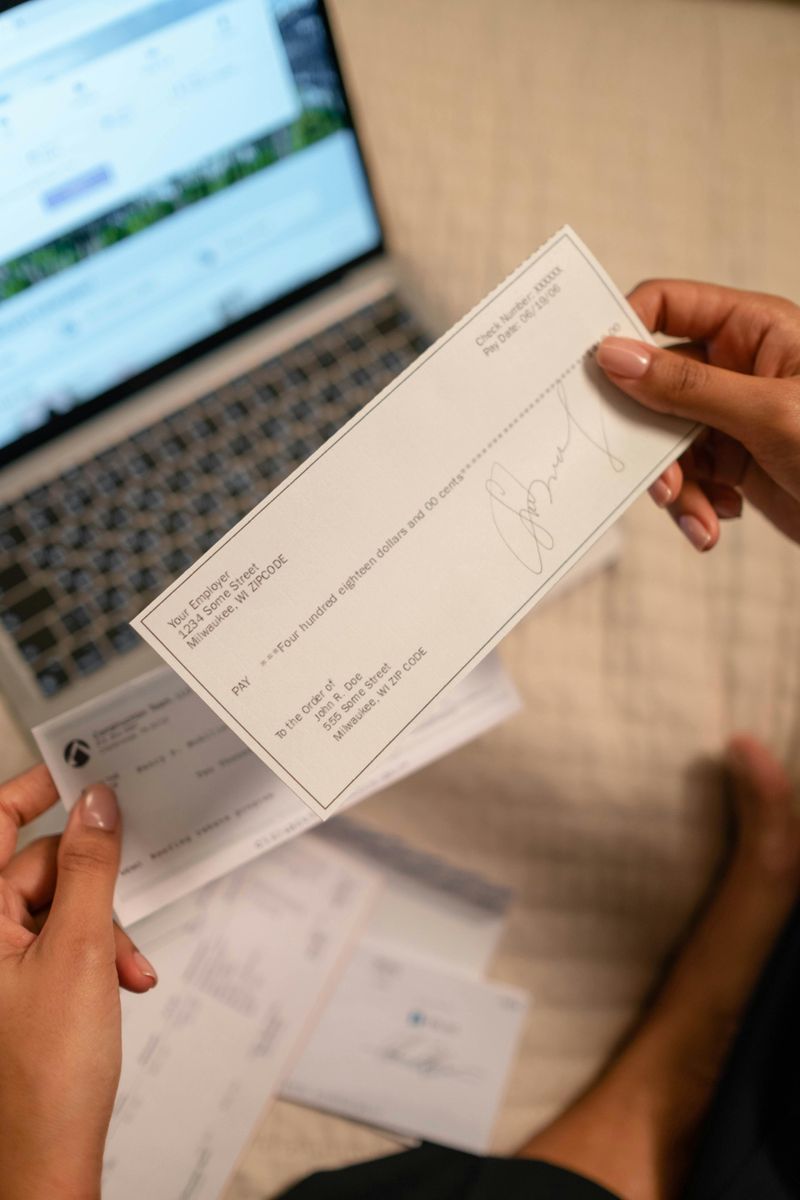
Standing in the grocery line while someone balanced their checkbook was a regular occurrence decades ago.
Boomers mastered the art of filling out checks perfectly, recording each transaction in their register, and keeping meticulous records.
Banks mailed back canceled checks each month as proof of payment.
Now, most stores don’t even accept checks anymore.
Digital payments, credit cards, and mobile apps have made paper checks nearly obsolete.
Younger generations might not even know how to write one properly.
The shift happened quickly once technology offered faster alternatives.
What once seemed secure and official now feels slow and outdated in our instant-transaction world.
3. Maintaining a Full Encyclopedia Set
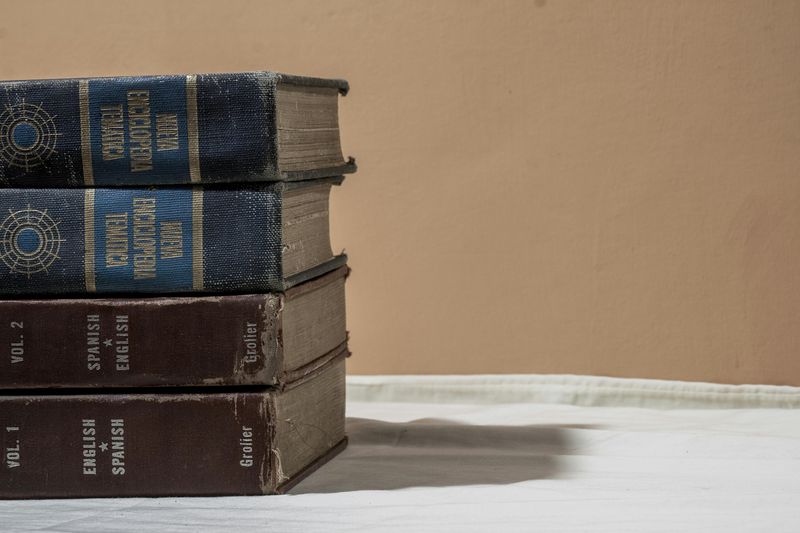
Owning a complete encyclopedia set was a source of pride for many households.
Parents invested hundreds of dollars in these leather-bound volumes, believing they were giving their children the keys to knowledge.
Kids would pull out heavy books for homework assignments, carefully reading through pages to find answers.
Wikipedia and Google have made physical encyclopedias completely unnecessary.
Information that once required shelf space and money is now free and instantly accessible.
Those beautiful sets now gather dust in basements or get donated to thrift stores.
The yearly updates that encyclopedia companies sold seem laughable now.
We get real-time information updates constantly without paying a cent.
4. Printing MapQuest Directions Before Every Trip
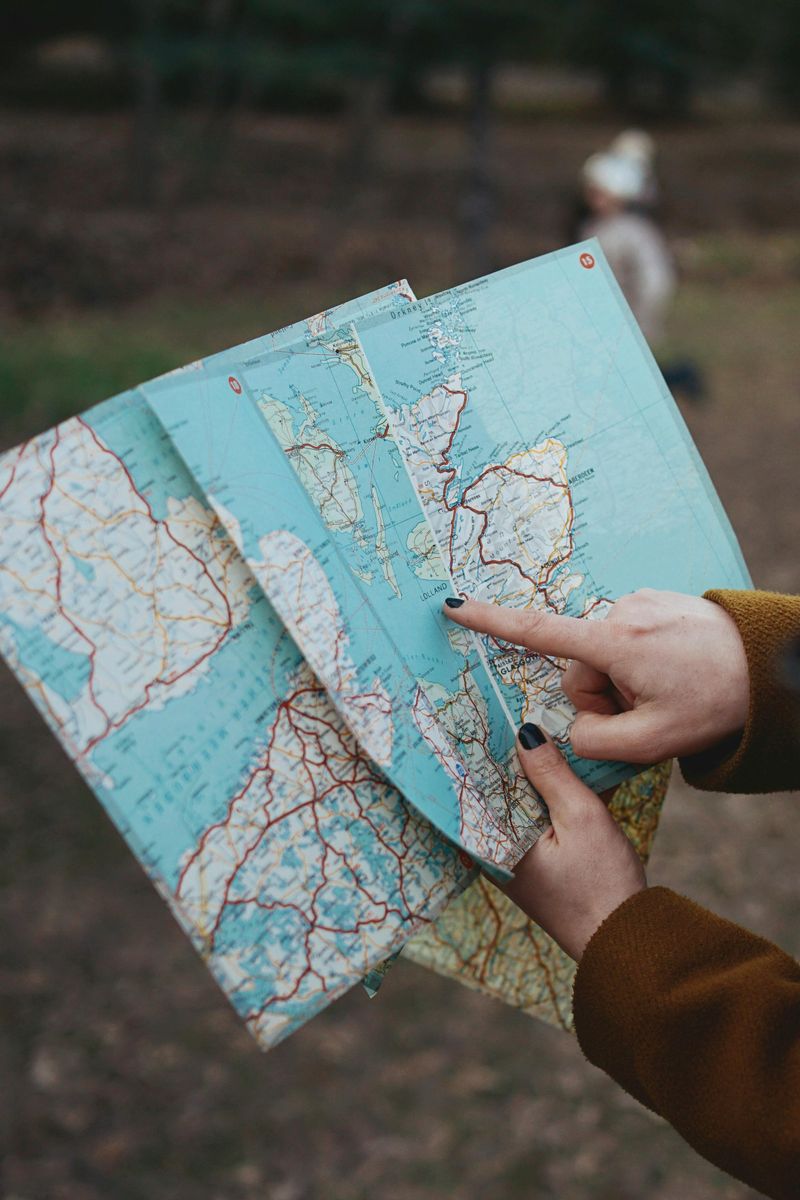
Remember spending 20 minutes printing directions before leaving the house?
Each trip required careful planning at the computer, entering addresses, and printing out pages of instructions.
People kept these papers on the passenger seat, highlighting important turns with markers.
GPS and smartphone maps killed this practice almost overnight.
Real-time navigation that updates with traffic and reroutes automatically seemed like magic at first.
Nobody misses circling parking lots trying to read tiny printed maps.
The panic of missing a turn and having no idea how to get back on track is gone.
Modern navigation has made getting lost nearly impossible, though some argue we’ve lost our sense of direction.
5. Looking Up Numbers in the Phone Book
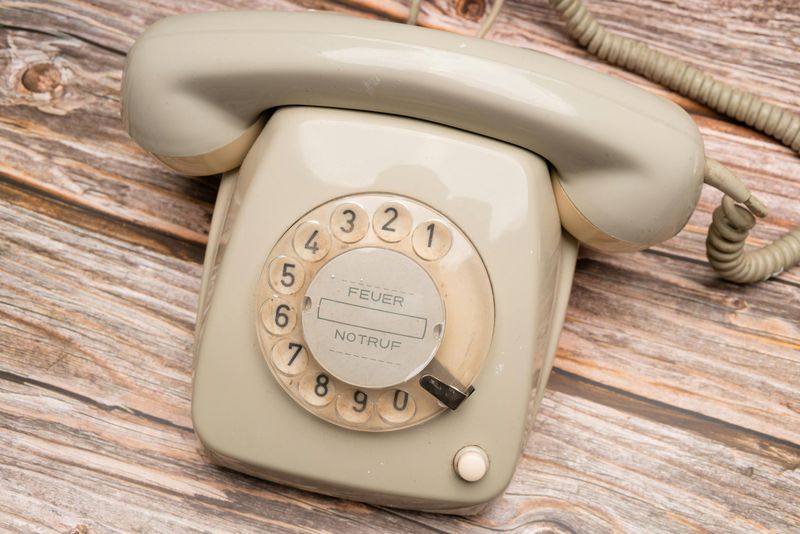
That satisfying thunk when someone dropped the massive Yellow Pages on your doorstep meant you had access to every business in town.
Families kept these giant books near the phone, and finding a plumber or pizza place meant flipping through thin pages.
The white pages listed everyone’s home number and address publicly.
Online searches replaced phone books so thoroughly that they stopped printing them in most areas.
Contact information, reviews, and hours are now seconds away on any device.
Privacy concerns also made people uncomfortable with public residential listings.
Kids today have never thumbed through those yellow pages or understood why they were even yellow in the first place.
6. Mailing Greeting Cards for Minor Occasions

Hallmark made a fortune when people sent cards for every conceivable occasion.
Birthdays, anniversaries, thinking of you, get well soon, congratulations on your new goldfish—there was a card for everything.
People spent hours in card aisles, reading verses to find the perfect sentiment.
Text messages and social media posts have replaced most greeting cards.
Why spend five dollars and wait days for delivery when you can send wishes instantly?
Digital cards exist but lack the personal touch people once valued.
The tradition lingers for major milestones, but casual cards have vanished.
Younger folks find the whole process wasteful and unnecessary for staying connected.
7. Ironing Bed Sheets and Pillowcases
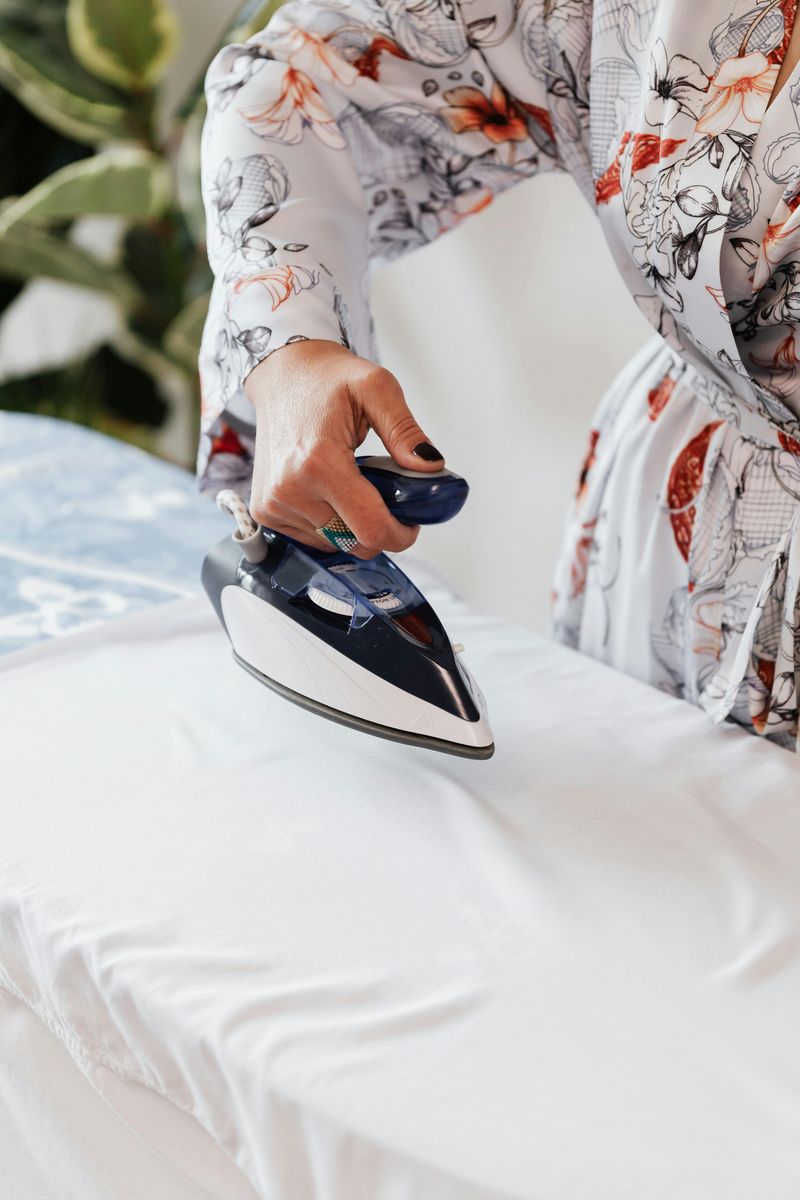
Crisp, perfectly pressed sheets were the hallmark of a proper household.
Boomers would spend afternoons ironing not just clothes but every piece of bedding.
The effort seemed worthwhile for that hotel-fresh feeling when climbing into bed.
Modern fabrics and wrinkle-resistant materials eliminated this time-consuming chore.
Most people now consider ironing sheets absurd unless they’re expecting royalty.
The time saved goes toward literally anything else more enjoyable or productive.
Permanent press cycles and better sheet materials mean wrinkles smooth out naturally.
What once demonstrated homemaking excellence now seems like unnecessary perfectionism.
Only the most dedicated traditionalists still maintain this practice today.
8. Keeping a Formal Living Room Nobody Uses

Did you know some houses had entire rooms reserved exclusively for company?
The formal living room or parlor stayed immaculate because nobody was allowed in there except special guests.
Plastic covered the furniture, and kids were strictly forbidden from playing anywhere near it.
Open floor plans and casual entertaining made these sealed-off spaces feel ridiculous.
Why dedicate valuable square footage to a museum that serves no daily purpose?
Modern families want functional spaces they actually use.
The concept reflected different social expectations about impressing visitors.
Today’s culture values comfort and authenticity over showing off.
Those formal rooms have been converted into home offices, playrooms, or simply merged with everyday living spaces.
9. Recording Shows on VHS Tapes
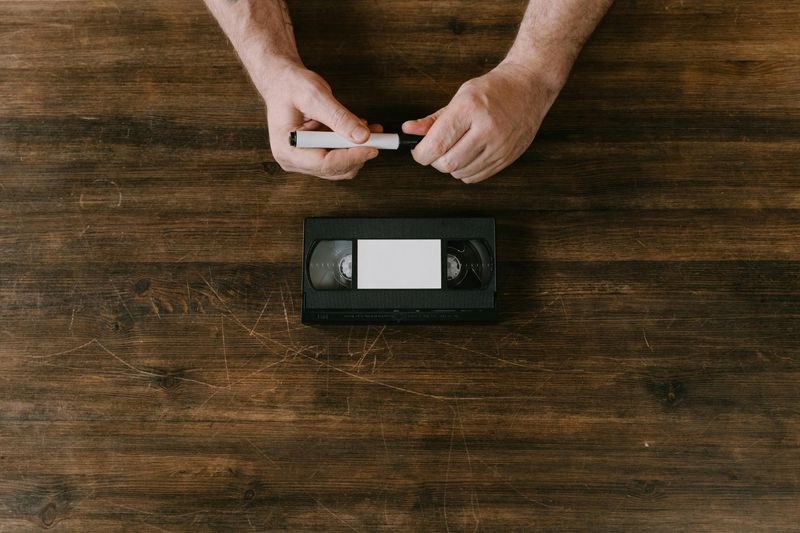
Programming the VCR timer was practically a PhD-level skill.
Missing your favorite show meant carefully setting the date, time, and channel, then hoping the machine actually recorded it.
Shelves filled with labeled tapes of movies, shows, and special events people never watched again.
Streaming services obliterated the need for physical recording.
Every show is available on-demand without commercials, timers, or tape storage.
The anxiety of running out of recording space is foreign to younger viewers.
Rewinding tapes before returning rentals was its own ritual.
The clicking, whirring sounds of VCRs are now nostalgic audio memories for those who remember them vividly.
10. Organizing Physical Photo Albums
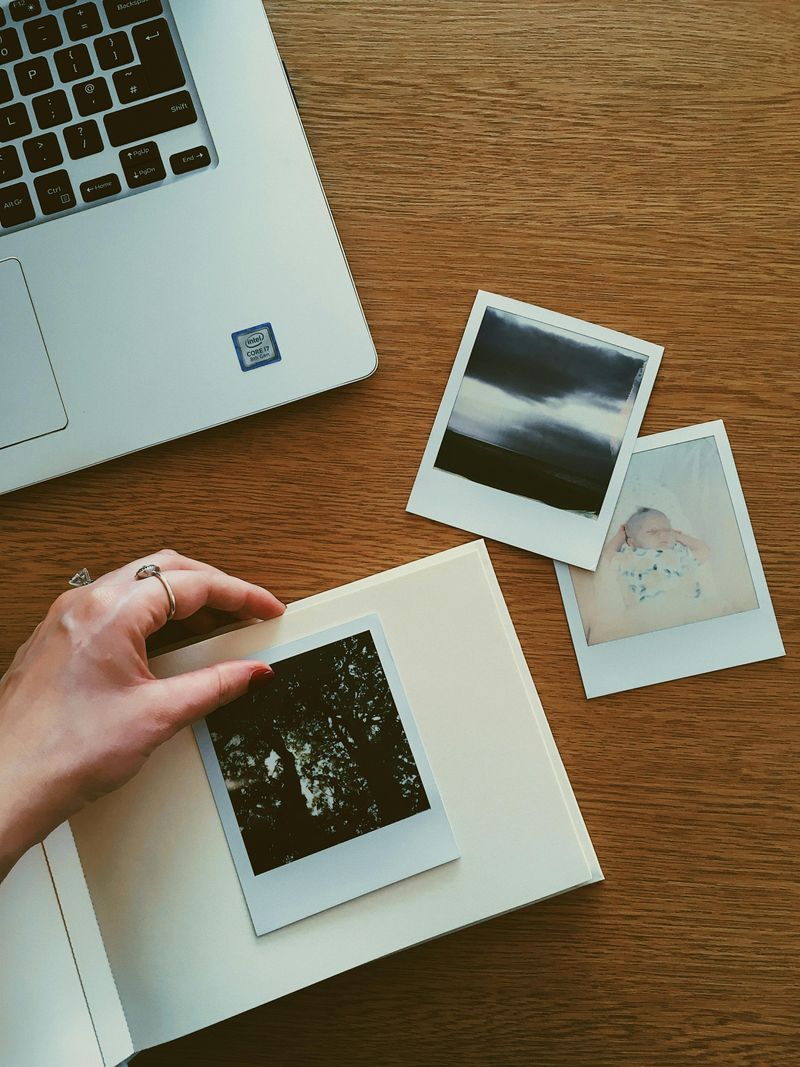
After getting film developed, the real work began: sorting through prints and organizing them into albums.
People wrote dates and names under each photo, creating tangible memory books.
Albums lined shelves, documenting every vacation, birthday, and random Tuesday in chronological order.
Digital photography changed everything about how we store memories.
Thousands of photos live on phones and cloud storage, rarely printed or organized.
The intentionality of choosing which moments to preserve has been lost in endless camera rolls.
Flipping through actual albums created a different experience than scrolling.
Physical photos had weight and permanence that digital files lack, though convenience won that battle decisively.
11. Calling the Operator for Phone Numbers and Information

Before smartphones, getting a phone number meant dialing 411 and asking an operator for help.
These information services charged per call, but people had no other option for finding contact details.
Operators connected long-distance calls and provided all sorts of assistance beyond just numbers.
Internet search engines made operators completely obsolete.
Why pay for information when it’s free online?
The personal interaction was nice, but convenience and cost won easily.
Most young people have never even heard of calling for directory assistance.
The profession has virtually disappeared along with switchboard operators.
What seemed essential became unnecessary in less than a generation’s time.
Comments
Loading…