
 Mary Murphy
10 Things Your Neighbors Do That Are Actually Illegal (But Nobody Reports)

Most people have a neighbor who bends the rules — whether it’s loud music late at night or a fence that seems just a little too far into your yard.
What’s surprising is how many everyday habits are actually against the law, even if they seem totally harmless.
From overgrown trees to unleashed dogs, some of the most common neighborhood behaviors carry real legal consequences.
Before you shrug it off as “just how things are,” you might want to know what rights you actually have.
1. Letting the Dog Roam Off-Leash

You step outside for your morning walk and a neighbor’s dog charges straight at you.
Scary, right?
Most cities and counties have strict leash laws that require dogs to be restrained in public spaces at all times.
Even if the dog is friendly, allowing it to roam freely is technically a violation that can result in fines.
Some areas even classify repeat offenses as misdemeanors.
Animal control officers can be called to enforce these rules.
Many people stay quiet to avoid awkward conversations, but your safety matters more than neighborhood peace.
2. Burning Trash or Yard Waste in the Backyard
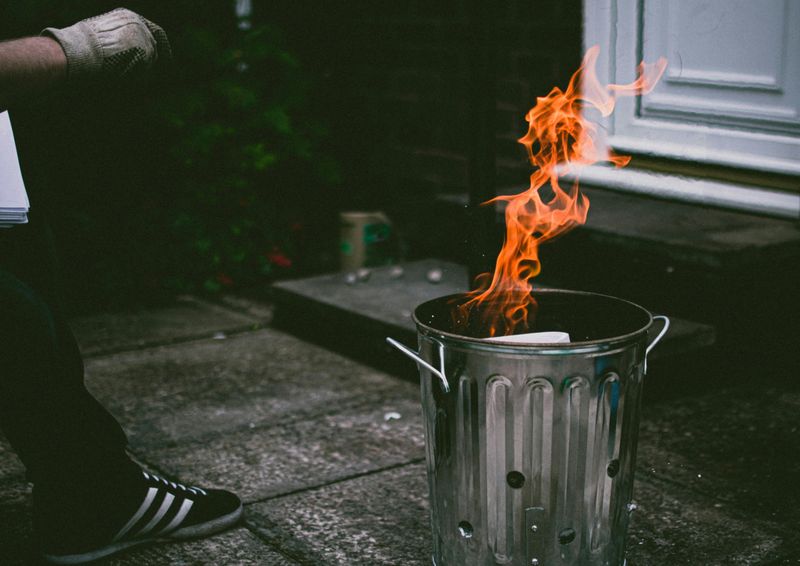
That smoky smell drifting over your fence on a Sunday afternoon?
It might be coming from an illegal fire.
Open burning of household trash or yard waste is banned in most municipalities due to air quality and fire hazard concerns.
Even burning leaves — something older generations did routinely — is now illegal in many states without a special permit.
The fumes from burning plastic or treated wood can also release toxic chemicals into the air.
Local fire departments and environmental agencies handle these complaints.
A quick call can put a stop to what many people mistakenly think is a harmless chore.
3. Blocking the Sidewalk With a Parked Car
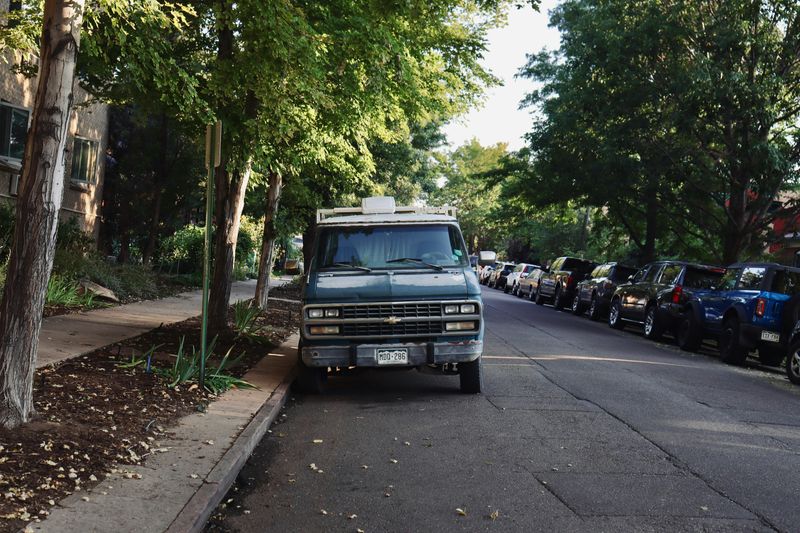
Parking across a sidewalk might seem like a minor inconvenience, but it is actually illegal in nearly every city in the United States.
Sidewalks are public pathways, and blocking them forces pedestrians — including people using wheelchairs or pushing strollers — into the street.
Most traffic codes specifically prohibit vehicles from obstructing pedestrian right-of-way, and violators can receive parking tickets.
Despite this, it happens constantly in residential neighborhoods and rarely gets reported.
If someone in your neighborhood regularly does this, you can report it to your local parking enforcement office without making it a personal conflict.
4. Watering the Lawn During Drought Restrictions

During dry seasons, many municipalities issue mandatory water restrictions that limit when and how often residents can water their lawns.
Ignoring these rules is not just wasteful — it is a genuine legal violation that can lead to fines and even water service penalties.
Watering on restricted days or during prohibited hours is surprisingly common, and most people get away with it simply because nobody bothers to report it.
Water conservation laws exist to protect shared resources during emergencies.
Your local water utility typically has a hotline for reporting violations, and doing so helps protect the entire community.
5. Dumping Yard Waste Into Storm Drains
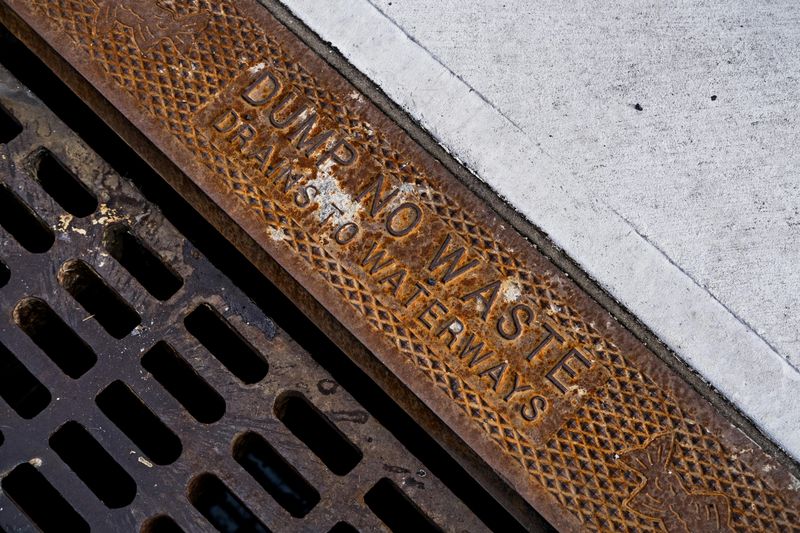
After mowing the lawn, some neighbors casually blow or rake their grass clippings straight into the street gutter or storm drain.
What looks like a small mess is actually an environmental violation in many jurisdictions.
Storm drains connect directly to local waterways, and organic debris like grass and leaves can clog pipes and contribute to algae blooms in nearby streams and ponds.
Many states classify this as illegal dumping under stormwater regulations, with fines attached.
Environmental protection agencies and local public works departments take these complaints seriously, especially in areas with sensitive ecosystems nearby.
6. Playing Loud Music After Quiet Hours

Most towns have noise ordinances that prohibit excessive sound after a certain hour — usually between 10 p.m. and 11 p.m. on weekdays.
Blasting music past that point is not just annoying; it is technically a violation of local law.
Repeat offenders can face escalating fines, and in some places, a third offense can lead to a misdemeanor charge.
Still, most neighbors suffer in silence rather than call the police over it.
You have every right to call your local non-emergency police line.
Officers can issue a warning or citation, and many people do not realize how seriously the law treats noise complaints.
7. Trimming Trees That Hang Over Property Lines

Here is something that surprises most homeowners: cutting branches from a neighbor’s tree that hang over your property is actually a legal gray area — and in some cases, outright illegal.
Some states require you to notify the tree owner before any trimming takes place.
Cutting too aggressively or damaging the root system can result in civil liability if the tree dies.
Neighbors often grab the pruning shears without thinking twice, not realizing they could be held financially responsible.
Checking your local property laws before taking action is the smartest move.
A simple conversation with your neighbor can also prevent a costly legal dispute.
8. Putting Up a Fence Without a Permit

Fences seem like a simple home improvement project, but in most municipalities, building one without pulling a permit first is against the law.
Permit requirements exist to ensure fences meet zoning codes, height restrictions, and property line regulations.
An unpermitted fence can force a homeowner to tear it down at their own expense — even years after it was built.
It can also create complications when selling the home.
Neighbors put up fences without permits all the time, often unknowingly.
If you suspect a fence was built illegally, your local zoning or building department can investigate without requiring you to confront anyone directly.
9. Hoarding Junk or Vehicles in the Yard

A yard filled with rusting car bodies, broken appliances, and piles of junk is more than an eyesore — it is likely a code violation.
Most municipalities have property maintenance codes that prohibit accumulation of debris, inoperable vehicles, and unsanitary conditions on residential lots.
These laws exist to protect property values, reduce fire hazards, and prevent pest infestations that can affect the whole block.
Code enforcement officers can be dispatched to investigate after a complaint, and homeowners can receive fines that increase daily until the issue is resolved.
Many people assume it is just a private matter, but neighborhood codes say otherwise.
10. Feeding Wildlife in Residential Areas
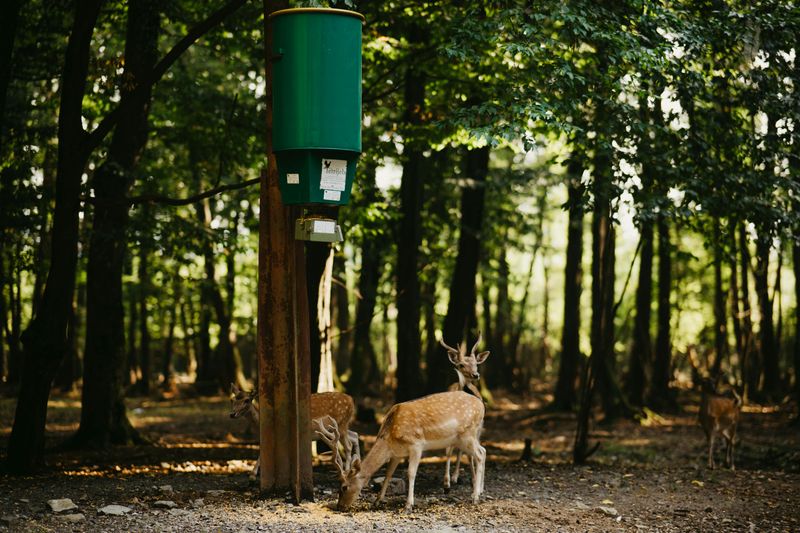
Leaving food out for deer, raccoons, geese, or other wildlife might feel kind-hearted, but many cities and counties have laws specifically banning it.
Intentional wildlife feeding attracts animals to residential areas, which increases the risk of property damage, disease transmission, and dangerous encounters.
In some states, feeding deer is a fineable offense because it disrupts natural migration and foraging patterns.
Raccoons and rodents drawn in by food scraps can quickly become a neighborhood-wide infestation problem.
Animal control agencies handle these complaints regularly.
Reporting the behavior is not about being a bad neighbor — it is about keeping the whole community safe from preventable wildlife conflicts.
Comments
Loading…