
 Hailey Watson
10 Items You Should Never Donate to Charity (But Most People Do Anyway)
Donating feels good, but not everything in your home is actually helpful to give away.
Some items create safety risks, cost charities money to dispose of, or simply cannot be used again.
If you want your generosity to make a real difference, it helps to know what stays off the donation pile.
Here are the common things people donate with good intentions that charities usually wish they would not.
1. Expired or recalled car seats

Car seats seem like a practical donation, but expired or recalled models can put children in real danger.
Safety standards change often, and plastic parts weaken over time, even when a seat looks clean and sturdy.
Many charities cannot verify a seat’s history, accidents, or missing parts.
If you are clearing out baby gear, check the expiration date and recall status before donating anything.
I would only pass along a car seat if its full history is known and every manual and piece is included.
Otherwise, dispose of it properly and donate safer baby items instead.
2. Used mattresses

A mattress might feel too valuable to throw away, yet most charities will not accept a used one.
Stains, odors, bed bugs, mold, and sanitation concerns make resale difficult and risky for both staff and future recipients.
Even clean-looking mattresses can hide problems that are expensive to handle.
Before dragging one to a donation center, call ahead and ask about local rules and alternatives.
You will usually have better luck with a recycling program or a municipal bulk pickup service.
If you want to help someone sleep better, donating new bedding or a mattress voucher is far more useful.
3. Broken electronics
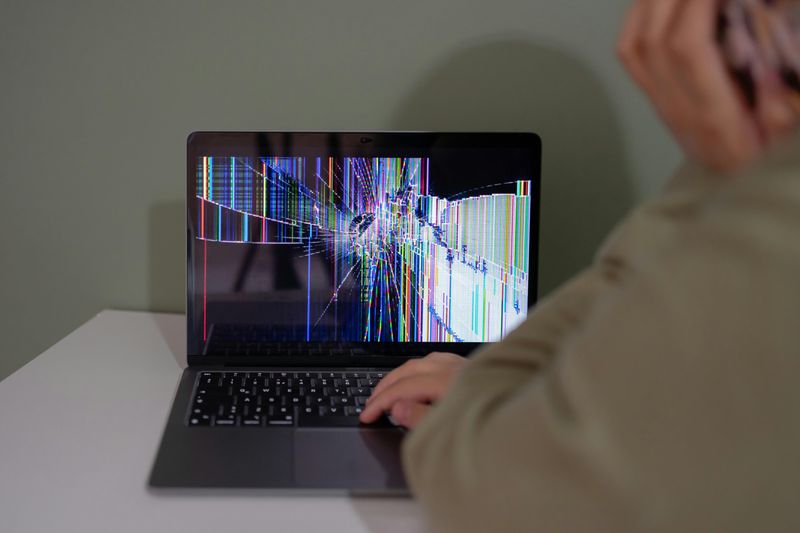
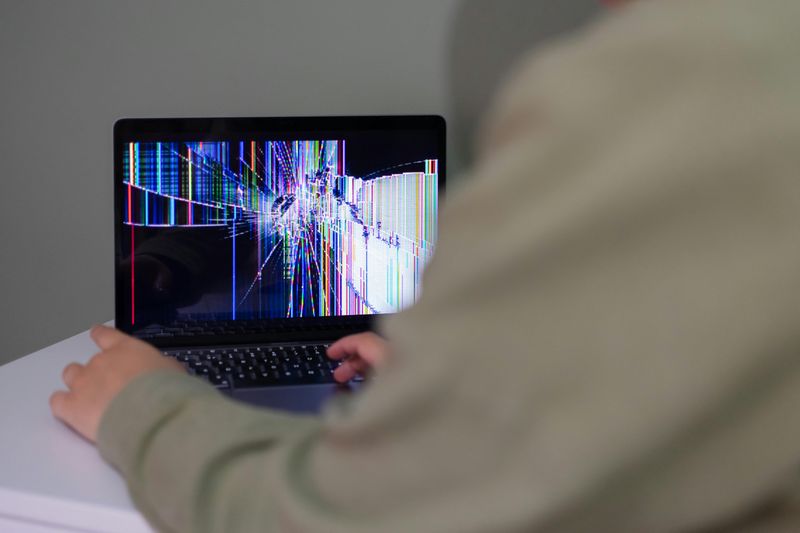
Dropping off broken electronics can feel responsible, but many charities are not repair shops.
A laptop that will not turn on, a printer without key parts, or tangled cords from mystery devices usually become disposal costs instead of helpful donations.
That means your good deed may actually create more work.
If an item still works, test it, wipe your data, and include chargers and instructions.
If it does not work, look for an e-waste recycling program that can handle it safely.
I have found that charities appreciate functional electronics far more than boxes filled with outdated tech and missing pieces.
4. Opened toiletries and cosmetics
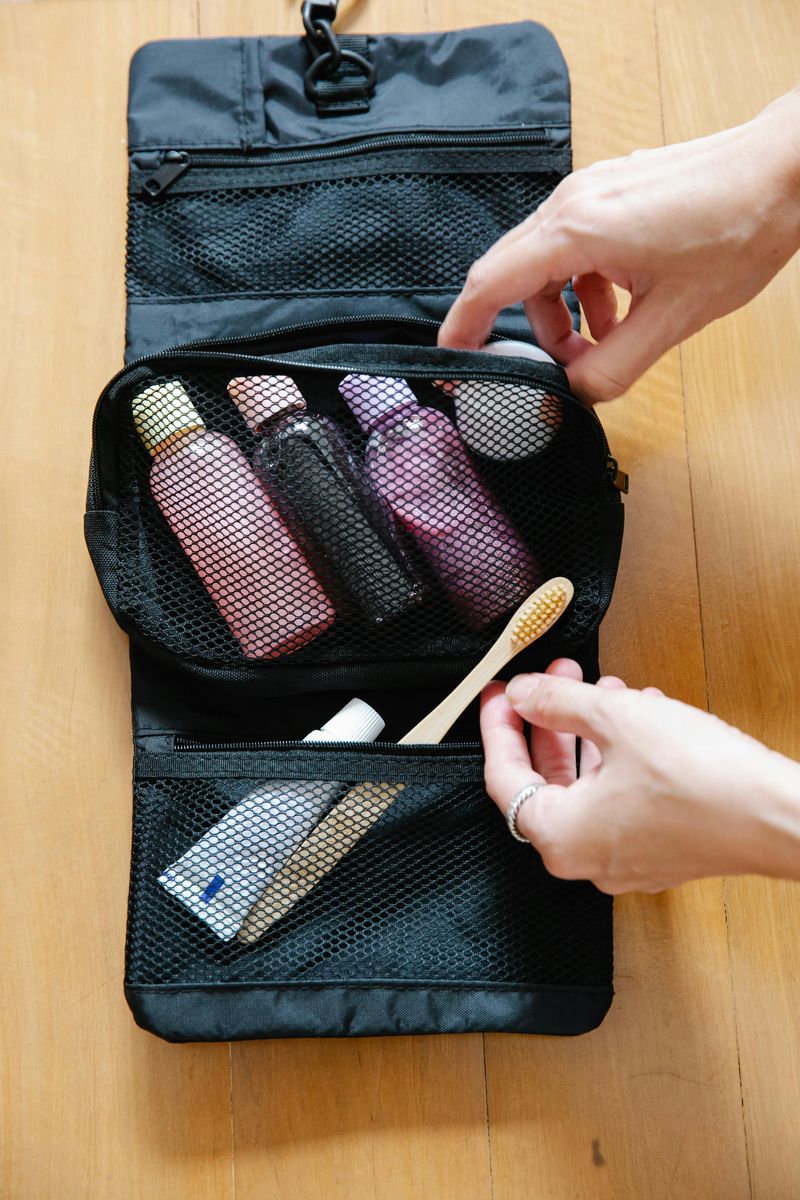
Half-used shampoo, opened lotion, and old makeup may seem better than tossing them, but charities usually cannot distribute them safely.
Personal care items can be contaminated, expired, or missing ingredient labels, which creates health and liability concerns.
Even products that smell fine may no longer be safe.
If you want to donate hygiene essentials, choose new, sealed items that are clearly labeled and within date.
Shelters and community programs often need soap, toothpaste, deodorant, and menstrual products in unopened packaging.
You are far more likely to help someone when your donation arrives clean, trustworthy, and ready to use immediately.
5. Stained or torn clothing
It is easy to treat a donation bin like a guilt-free trash can, especially with old clothes.
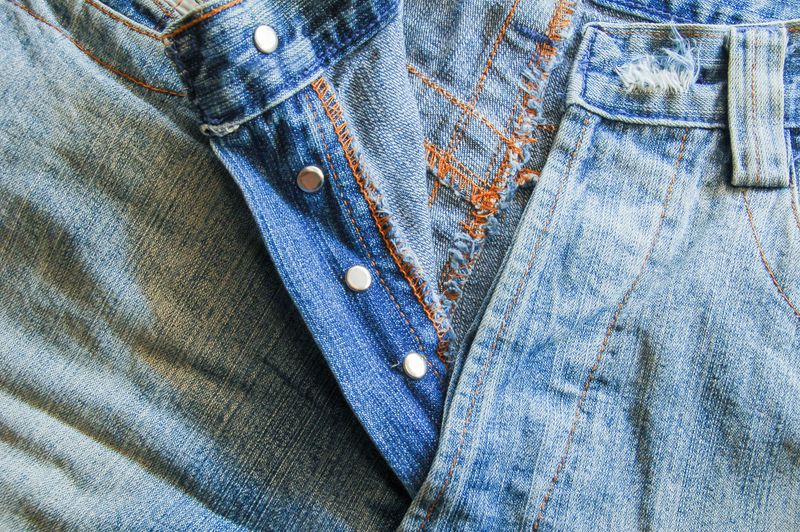
But stained shirts, stretched underwear, missing buttons, and ripped jeans often cannot be sold or given away with dignity.
Charities spend time sorting these items, then pay to discard what no one can use.
A good rule is simple: if you would not hand it to a friend, do not donate it.
Wash clothes first, check for damage, and only give pieces that are clean, complete, and wearable.
When something is too far gone, textile recycling is usually the kinder and more responsible choice.
6. Old helmets
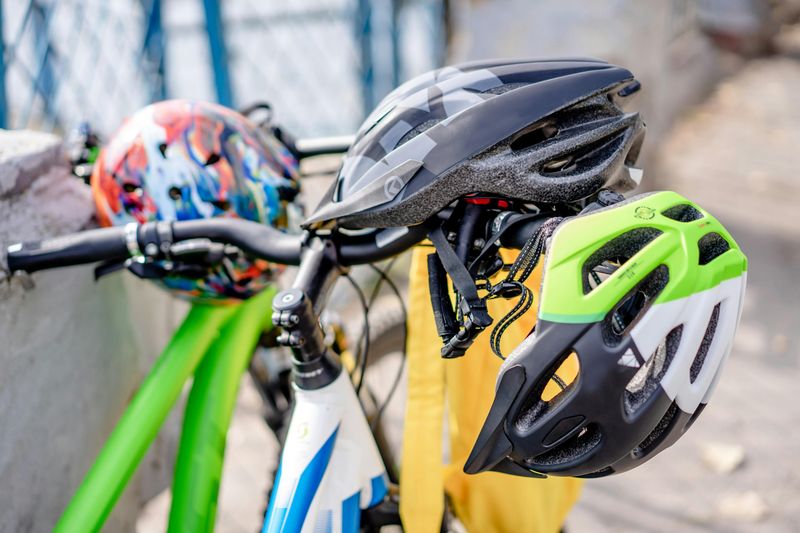
Bike helmets, motorcycle helmets, and sports helmets may look fine from the outside, but hidden damage matters.
A single impact can weaken protective foam, and age, heat, and storage conditions can also reduce safety.
Since charities usually cannot confirm whether a helmet has been crashed or compromised, many avoid accepting them.
If you are replacing a helmet, resist the urge to donate the old one just because it still fits.
Check whether the manufacturer offers recycling guidance, or ask local programs if they only accept brand-new protective gear.
For safety equipment, dependable protection matters more than good intentions every single time.
7. Outdated medical supplies
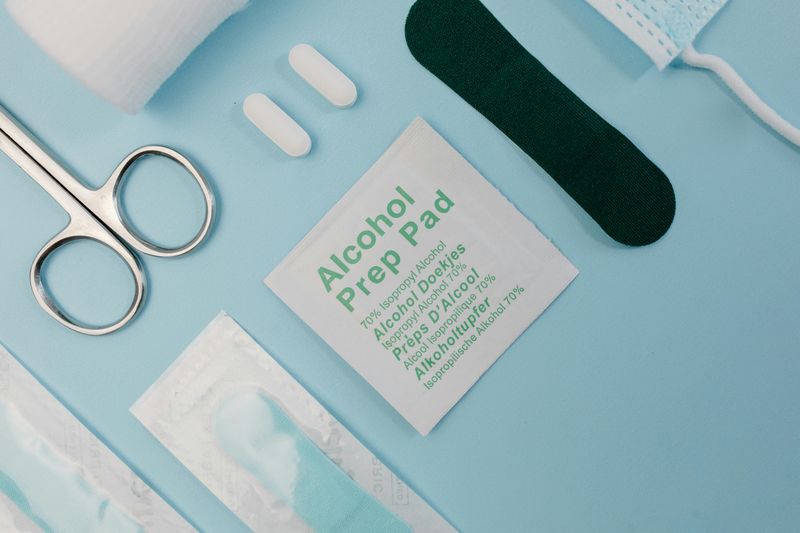
Medical supplies can be incredibly helpful, but expired or outdated items are another story.
Old medications, used braces, opened wound care products, and supplies missing packaging may be unsafe, ineffective, or impossible to distribute legally.
Charities must follow strict rules, and many simply cannot take the risk.
Before donating, check expiration dates, confirm items are sealed, and contact organizations that specifically accept medical equipment or supplies.
Some groups can use unopened bandages, walkers, or crutches, while others cannot.
You will do much more good by giving only current, approved items that someone can safely use right away.
8. Large furniture with damage or infestation

A worn couch or dresser might seem salvageable, but damaged furniture can become a serious burden for charities.
Broken frames, sharp edges, missing hardware, water damage, or signs of pests make items unsafe, unsellable, and expensive to haul away.
Upholstered pieces are especially risky because bed bugs are hard to spot.
Always inspect furniture closely and ask yourself whether it is truly ready for another home.
Many charities only want clean, sturdy, gently used pieces they can move directly to the sales floor or to families in need.
If yours needs major repairs, disposal or specialized recycling is the better path.
9. Incomplete toys and puzzles
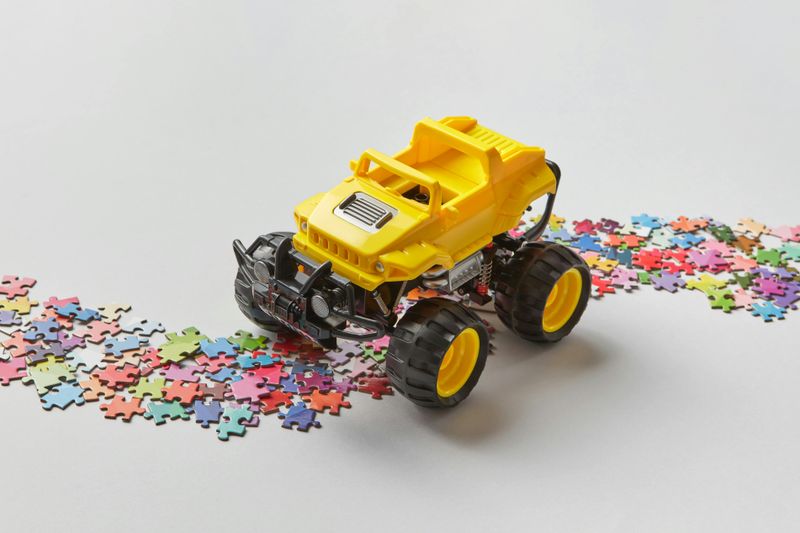
Toys and puzzles can brighten a child’s day, but only if they are complete, clean, and safe.
Missing pieces, dead batteries, broken wheels, or recalled parts quickly turn a fun donation into sorting work and disappointment.
Charities often do not have the staff time to test every game or match every tiny piece.
Before donating, check that sets are complete, wipe everything down, and include instructions when possible.
I like to tape puzzle boxes closed and bag small parts so nothing gets lost in transit.
Thoughtful preparation makes your donation feel like a gift instead of a problem someone else must solve.
10. Dirty pet items
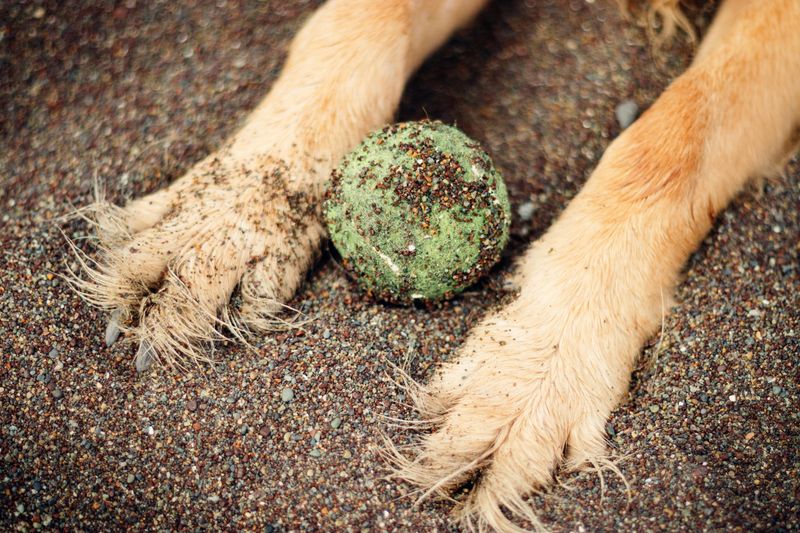
Pet beds, bowls, leashes, and toys are often needed, but dirty or heavily worn items are not very helpful.
Shelters and rescue groups must protect animal health, so anything moldy, chewed apart, flea-infested, or impossible to sanitize may go straight to the trash.
That wastes precious time and storage space.
If you want to donate pet supplies, wash them thoroughly and check for damage before dropping them off.
Unopened food, clean blankets, sturdy crates, and gently used leashes are usually much more welcome.
A quick call to the shelter can tell you exactly what animals need most right now.
Comments
Loading…