
 Chloe Peterson
10 Things a Professional Cleaner Always Notices the Moment They Enter Your Home
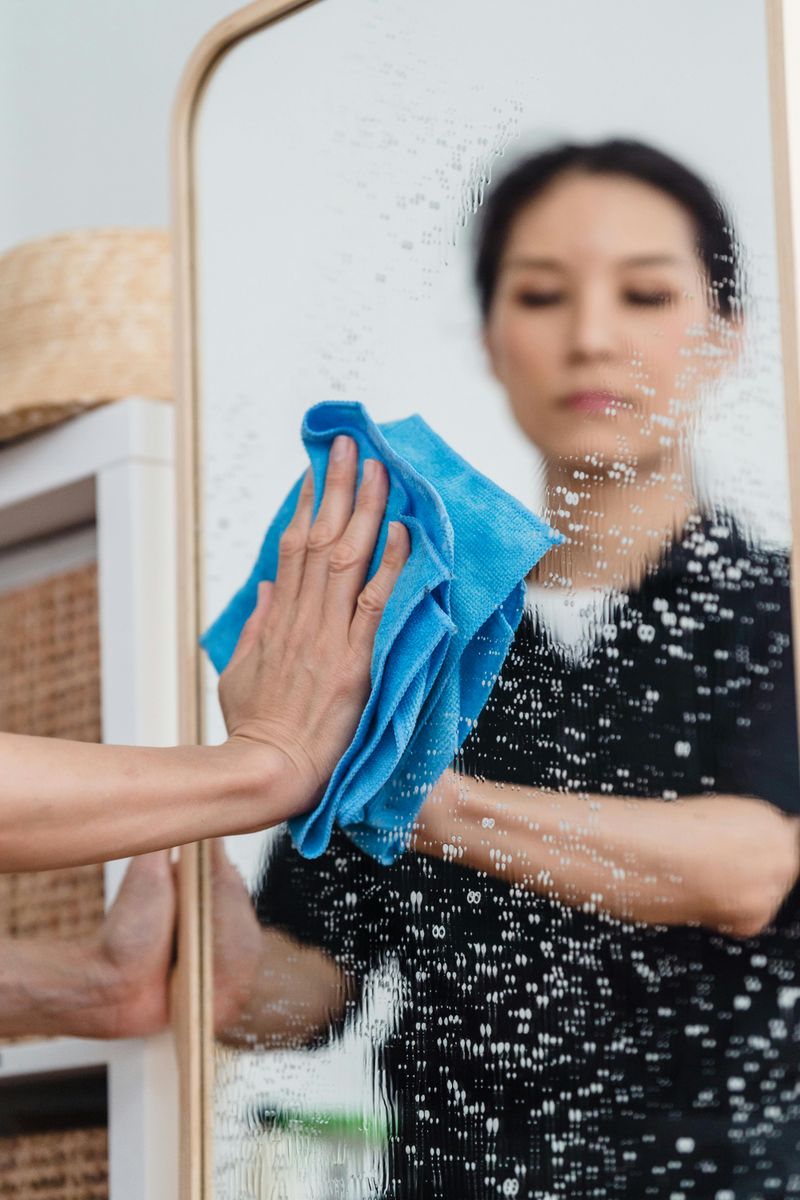
Professional cleaners have a superpower most people don’t realize — the moment they walk through your front door, their eyes start scanning everything.
Years of experience train them to spot things that most homeowners overlook or simply stop noticing over time.
From hidden grime to sneaky odors, their observations can tell a surprising story about a home.
Knowing what they see first can actually help you keep your space cleaner, fresher, and more welcoming every single day.
1. The Smell That Greets Them at the Door

Before a professional cleaner even sets foot inside, their nose is already working.
The smell of a home tells a detailed story — pet dander, last night’s dinner, musty laundry, or stale air all register instantly.
Most homeowners stop noticing their own home’s scent because they’ve grown used to it.
Cleaners call this “nose blindness,” and it’s incredibly common.
Opening windows regularly, washing soft furnishings, and using an air purifier can make a real difference.
A fresh-smelling home isn’t just pleasant for guests — it usually means hidden odor sources like drains and trash bins are being properly maintained too.
2. Dusty Baseboards and Trim Work

Baseboards are the tattletales of any home.
Professional cleaners glance down almost immediately after entering a room, and those long strips of trim along the floor reveal exactly how long it’s been since a deep clean happened.
Dust, pet hair, and debris collect there faster than most people expect.
What makes baseboards tricky is that they’re easy to forget — they’re not at eye level, so they often escape the weekly wipe-down routine.
A damp microfiber cloth works wonders here.
Cleaners recommend tackling baseboards at least once a month to prevent buildup from becoming a stubborn, sticky mess that takes far longer to remove.
3. Fingerprints All Over Light Switches and Door Frames
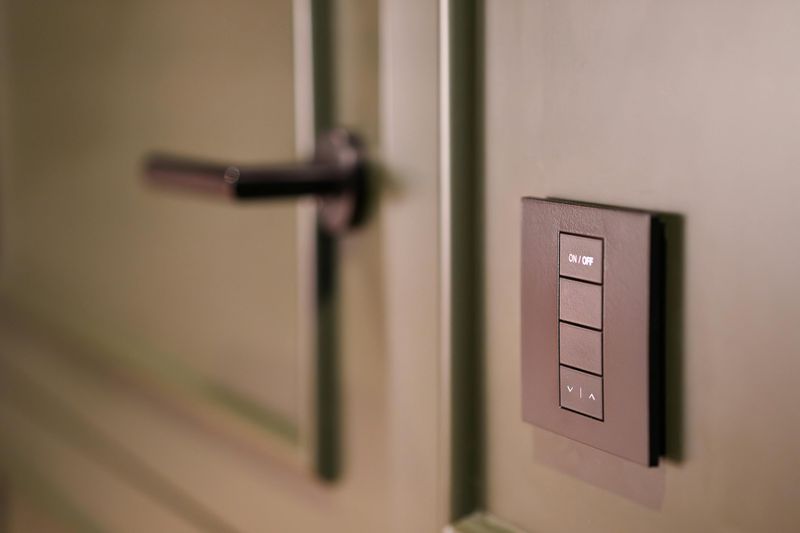
Light switches and door frames are touched dozens of times every single day, yet they rarely make it onto anyone’s cleaning checklist.
The moment a professional cleaner walks through a home, those smudgy fingerprints practically glow under certain lighting conditions.
It’s one of the most commonly missed spots in any household.
The good news?
Cleaning these takes less than two minutes.
A damp cloth with a small amount of all-purpose cleaner is all you need.
Making this a weekly habit — maybe while wiping down counters — keeps your home looking polished without extra effort.
Small details like these make a surprisingly big visual difference overall.
4. Grime Hiding on Top of Cabinets and Refrigerators

Most people clean what they can easily see, which means the tops of refrigerators and kitchen cabinets are practically invisible to regular cleaning routines.
Professional cleaners know these elevated surfaces collect an alarming combination of grease, dust, and sticky residue — especially in kitchens where cooking happens frequently.
That layer of grime can actually attract insects and contribute to poor air quality over time.
Wiping these surfaces down every month or two with a degreaser makes the job much more manageable.
Did you know?
Grease particles from cooking float upward and settle on the highest surfaces first, making refrigerator tops one of the dirtiest spots in any kitchen.
5. Soap Scum and Water Stains in the Bathroom
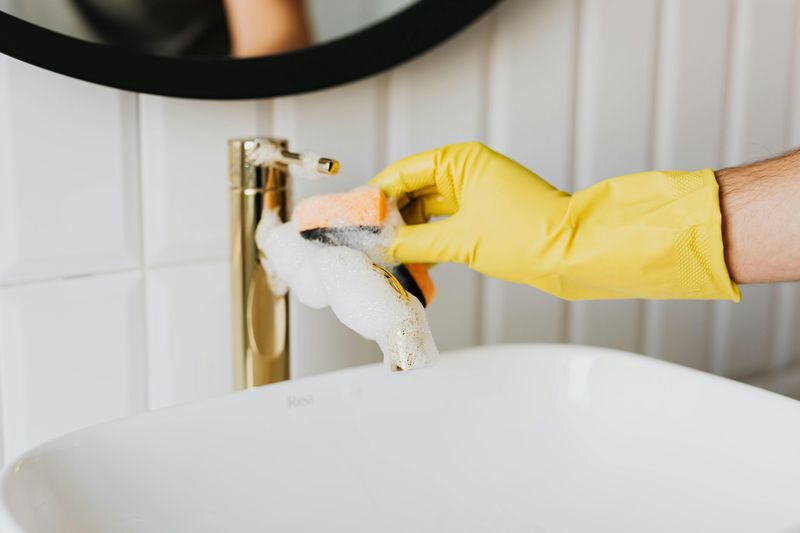
Walk into any bathroom and a trained cleaner’s eyes immediately move to the shower doors, faucets, and sink basin.
Soap scum and hard water stains build up deceptively fast, often becoming a cloudy, chalky layer that looks permanent but isn’t.
Many homeowners don’t realize how much buildup has accumulated until a professional points it out.
White vinegar is a surprisingly effective solution for hard water stains, while a daily squeegee swipe on shower glass can prevent soap scum from forming in the first place.
Staying ahead of bathroom buildup is far easier than scrubbing it away after weeks of neglect.
Consistency is everything in bathroom maintenance.
6. Overlooked Clutter That Collects Dust
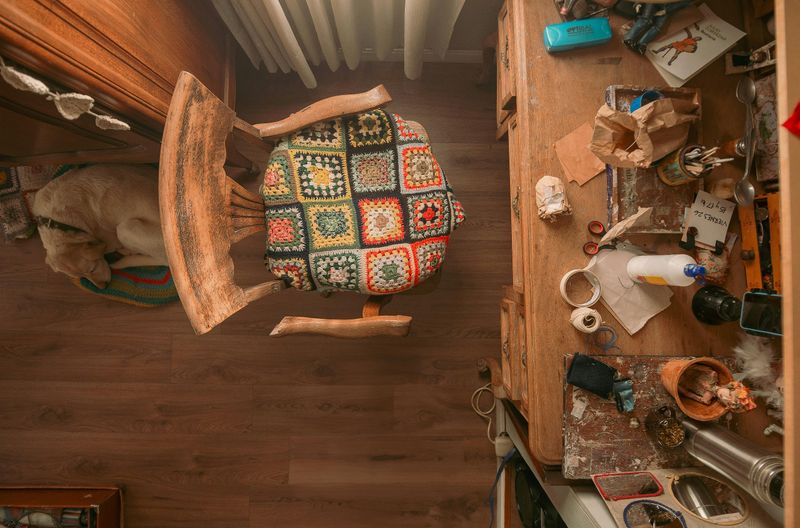
Clutter and cleanliness have a complicated relationship.
The more decorative items, stacked papers, or random objects sitting on surfaces, the harder those areas are to clean — and the more dust they accumulate.
Professional cleaners notice immediately when a home has too many items competing for shelf and counter space.
Reducing surface clutter doesn’t mean living minimally; it means being intentional about what stays out.
Fewer objects mean faster, more thorough cleaning every time.
A useful rule of thumb cleaners often suggest: if you haven’t touched something in six months, it probably doesn’t need a permanent spot on your counter or shelf.
7. Grout Lines That Have Seen Better Days

Grout is the unsung victim of every kitchen and bathroom.
Those thin lines between tiles absorb spills, soap, and moisture over time, slowly shifting from crisp white or gray to an unpleasant brownish-black.
Professional cleaners notice grout discoloration immediately — it’s one of the clearest signs of how regularly a space gets deep cleaned.
A stiff-bristled brush and a paste made from baking soda and water can lift a surprising amount of staining.
For tougher discoloration, oxygen-based cleaners work well without damaging the tile surface.
Sealing grout lines once a year also creates a protective barrier that keeps them looking fresh much longer between cleanings.
8. Ceiling Fans Caked with Dust

Ceiling fans are one of those things that blend into the background of a room — until a professional cleaner looks up.
Dust accumulates on fan blades at an astonishing rate, and every time the fan runs, it sends those particles circulating through the air you breathe.
It’s a cycle most people never think about.
Cleaning fan blades is quick when done regularly.
An old pillowcase slipped over each blade traps the dust rather than scattering it across the room — a clever trick cleaners swear by.
Wiping blades down monthly keeps your air cleaner and your fan running more efficiently.
A dusty fan works harder and wears out faster.
9. The Condition of the Kitchen Sink and Drain

Surprisingly, the kitchen sink often carries more bacteria than a toilet seat — a fact that never escapes a professional cleaner’s attention.
Food particles, grease, and standing water create the perfect environment for bacteria and unpleasant odors.
The area around the faucet base and the drain itself are particularly prone to buildup.
Rinsing the sink after every use and wiping it dry prevents water spots and bacterial growth.
Pouring a mixture of baking soda and hot water down the drain weekly keeps it smelling clean and flowing freely.
A truly clean kitchen starts with the sink, which is why cleaners always assess it as one of their first checkpoints.
10. Windows and Mirrors Streaked with Smudges
Natural light is a beautiful thing — until it hits a smudged window or mirror and reveals every fingerprint, splash mark, and streak hiding on the glass.
Professional cleaners notice this right away, especially in rooms with large windows or mirrors.
Glass surfaces that aren’t regularly cleaned can make an entire room feel dull and unkempt.
The secret to streak-free glass isn’t an expensive product — it’s technique.
Microfiber cloths and a simple solution of water with a splash of white vinegar work brilliantly.
Cleaning glass in a circular motion rather than side-to-side reduces streaking significantly.
Bright, clear windows genuinely transform how spacious and inviting a room feels to anyone who enters.
Comments
Loading…