
 Mila Ross
13 Things the Glow-Up Culture Gets Wrong

Glow-up culture is everywhere right now, from social media transformations to makeover videos that promise a better version of you. While there is nothing wrong with wanting to grow and improve, some of the ideas behind glow-up culture can actually be harmful or just plain misleading.
Not every popular tip or trend is as helpful as it looks on a screen. Here are 13 things glow-up culture consistently gets wrong, and what you should think about instead.
1. It Confuses Appearance With Worth

Here is a truth that glow-up culture rarely admits: your value as a person has absolutely nothing to do with how you look.
Glow-up content is obsessed with before-and-after photos, making it seem like changing your appearance is the ultimate achievement.
That mindset can quietly damage how you feel about yourself.
When you tie your self-worth to your reflection, every bad hair day feels like a personal failure.
Real worth comes from your character, your kindness, and your actions.
No skincare routine or wardrobe upgrade can create that.
2. Overnight Transformations Are Not Real
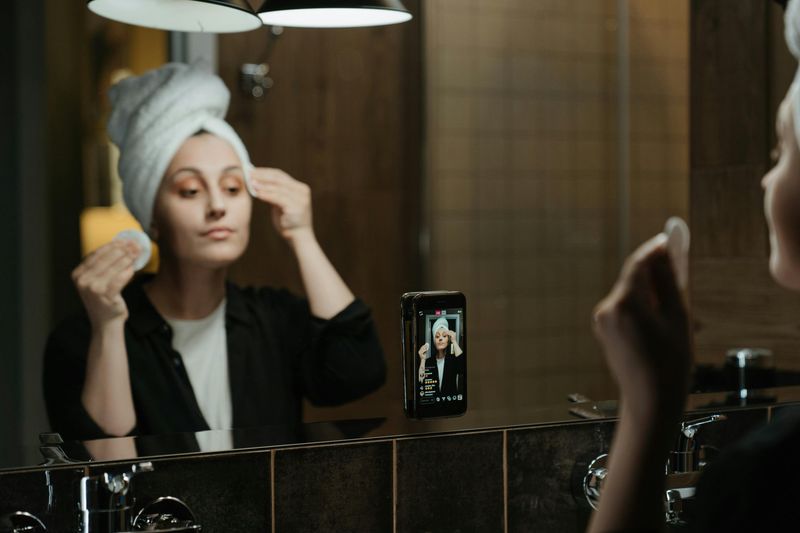
Scroll through any platform and you will find transformation videos that seem to happen in seconds.
Someone wakes up, follows a routine for 30 days, and suddenly looks like a completely different person.
But real change does not work like a movie montage.
Healthy habits take months, sometimes years, to show noticeable results.
Expecting rapid transformation sets you up for frustration and burnout.
Progress that sticks is slow, steady, and honestly kind of boring to watch.
That is not a flaw in the process.
That is just how real life works.
3. It Ignores Mental Health Completely

Plenty of glow-up guides will tell you to fix your skin, upgrade your wardrobe, and hit the gym.
Almost none of them mention therapy, stress management, or emotional well-being.
That is a massive blind spot.
You can have glowing skin and still feel hollow inside.
Genuine growth means addressing what is happening in your mind, not just what is visible on the outside.
Mental health shapes how you treat people, how you handle challenges, and how much you enjoy life.
Leaving it out of the conversation makes the whole glow-up idea incomplete and a little misleading.
4. Expensive Products Are Not the Answer
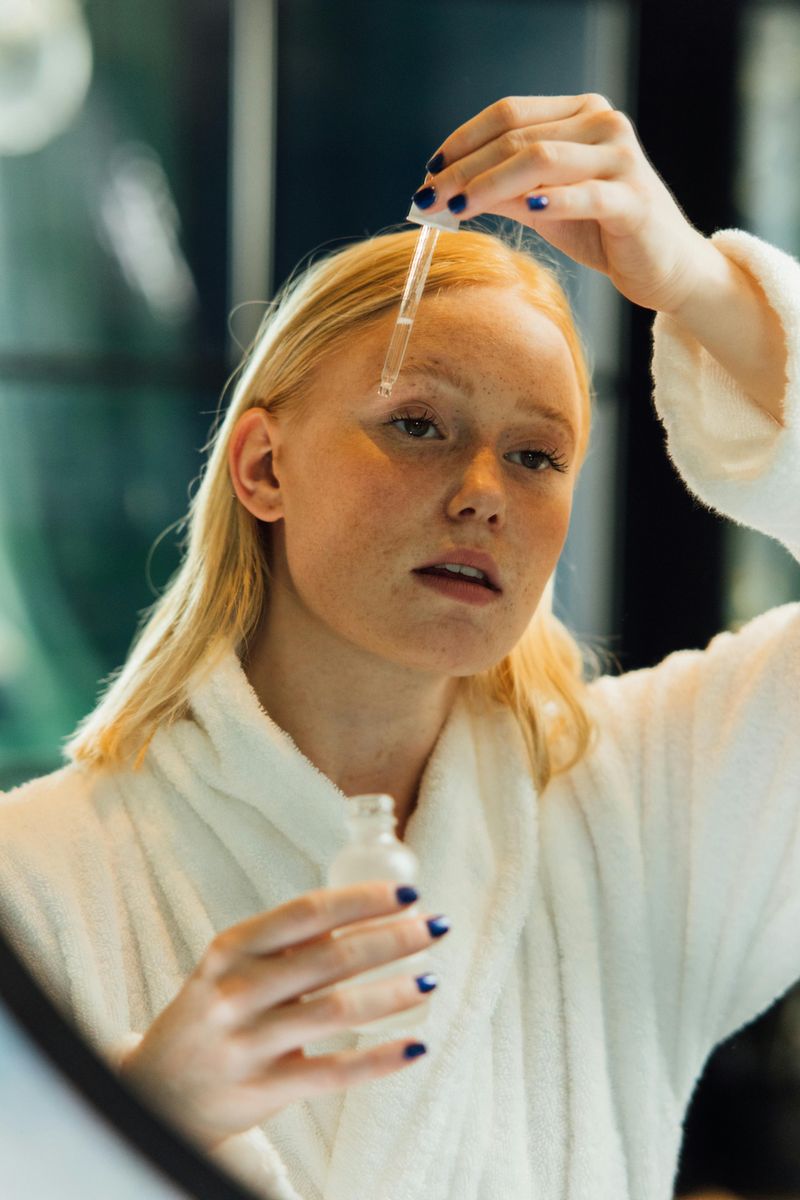
Glow-up culture loves to recommend pricey serums, designer outfits, and high-end gym memberships as if they are requirements for personal growth.
The message, often subtle, is that you need to spend money to become your best self.
That is simply not true.
Drinking enough water, sleeping well, and moving your body regularly cost almost nothing and deliver real results.
Many dermatologists will tell you that a basic, consistent skincare routine beats a cabinet full of luxury products.
Growth is not a purchase.
Anyone pushing that idea is probably trying to sell you something.
5. Comparing Yourself to Others Is Baked In

Almost every glow-up trend is built on comparison.
You look at someone else’s transformation and think, why do I not look like that?
Social media makes this worse by showing only the polished, filtered, carefully lit version of someone’s life.
Comparison is a trap that keeps you focused on someone else’s journey instead of your own.
Everyone starts from a different place, has different genetics, and faces different challenges.
Measuring your progress against another person’s highlight reel is like comparing your rough draft to someone else’s published book.
You are not behind.
You are just on your own path.
6. It Treats Rest Like a Weakness

Hustle is practically a religion in glow-up culture.
Wake up at 5 a.m., grind all day, sleep less, do more.
Rest is quietly treated like something lazy people do while motivated people are out there winning.
Science disagrees completely.
Sleep is when your body repairs itself, your brain consolidates memories, and your mood resets.
Skipping rest to chase productivity actually makes you worse at everything.
Chronic sleep deprivation affects your skin, your focus, your emotional regulation, and your physical health.
A real glow-up includes protecting your sleep like it is one of the most important things you do.
7. Skinny Does Not Equal Healthy

A frustrating pattern in glow-up content is the quiet assumption that losing weight is always part of the upgrade.
Transformation photos often show thinner bodies as the goal, sending a damaging message that smaller automatically means better.
Health looks different on every single body.
Someone can be slim and nutritionally depleted, while someone else carries more weight and has excellent cardiovascular health.
Fitness, energy levels, strength, and mental clarity are far better markers of wellness than a number on a scale.
Glow-up culture needs to retire the idea that shrinking yourself is the same as improving yourself.
8. Personality Gets Pushed Aside

Ask glow-up culture what to improve and you will get a list of physical attributes: clearer skin, better posture, stylish clothes.
Rarely does anyone mention becoming more curious, more compassionate, or a better listener.
Personality is what people actually remember about you.
Your sense of humor, your ability to make others feel heard, your honesty, and your warmth leave a far bigger impression than your outfit ever will.
Real personal development means working on who you are from the inside out.
A charming, genuine person with average looks will always outshine someone beautiful but hollow.
9. It Sells an Endpoint That Does Not Exist

One of the sneakiest lies glow-up culture tells is that there is a finish line.
Get the glow-up, and then you are done, you have arrived, life gets easier.
That idea is completely fictional.
Personal growth is not a destination.
It is a continuous, lifelong process of learning, adjusting, and evolving.
The moment you decide you are finished growing is usually the moment you start shrinking.
Chasing an imaginary endpoint creates anxiety and disappointment when reality does not match the fantasy.
Embracing growth as an ongoing adventure, rather than a project to complete, is far more fulfilling and sustainable.
10. Social Media Filters Distort Reality

Filters have become so sophisticated that many people genuinely cannot tell what is real anymore.
Glow-up content is saturated with smoothed skin, enlarged eyes, and perfectly symmetrical faces created entirely by technology.
When that becomes your beauty standard, real human faces start to look like problems to solve.
Chasing a filtered version of yourself is chasing something that does not exist in the physical world.
Even the people in those photos do not look like their filtered images in real life.
Building your self-image around digital illusions is a recipe for dissatisfaction that no actual improvement can ever fix.
11. It Overlooks the Power of Consistency

Glow-up culture is addicted to dramatic moments.
The big reveal, the shocking transformation, the overnight success story.
What it almost never shows is the quiet, unglamorous work that happens in between those moments.
Consistency is the actual engine behind every real transformation.
Showing up daily, even when you do not feel motivated, even when progress feels invisible, is what creates lasting change.
Ten minutes of reading every day beats a five-hour study marathon once a month.
Small, repeated actions build the skills, habits, and character that actually define a glow-up.
The boring stuff is where the magic lives.
12. Relationships Get Treated as Accessories

Some versions of glow-up culture suggest upgrading your social circle the same way you upgrade your wardrobe.
Cut off people who do not match your new aesthetic, only associate with high-value individuals, and treat relationships like assets on a balance sheet.
That attitude is cold, transactional, and ultimately lonely.
Real relationships are built on loyalty, shared history, and mutual care, none of which can be optimized like a morning routine.
Healthy friendships require vulnerability and effort.
The people who stick around during your messy middle chapters are worth far more than any curated social circle assembled for appearances.
13. It Forgets That Rest Days Are Progress Too

There is a persistent idea floating through glow-up content that every single day must be productive, intentional, and filled with self-improvement activities.
Days where you do nothing feel like failures.
That pressure is exhausting and counterproductive.
Recovery days are not wasted days.
Athletes know this instinctively because muscles grow during rest, not during the workout itself.
The same logic applies to your brain, your creativity, and your emotional reserves.
Giving yourself permission to do nothing, to recharge without guilt, is not laziness.
It is a smart, strategic part of any real growth plan, even if it never makes a good transformation video.
Comments
Loading…