
 Harper Hall
Social media makes it easy to share moments with friends and family, but not everything belongs online.
Every photo, status update, or check-in can reveal more about you than you realize, putting your safety and privacy at risk.
Hackers, scammers, and even strangers can piece together your personal information from what you post.
Knowing what to keep off your feed is one of the smartest moves you can make in today’s digital world.
1. Your Home Address or Neighborhood Details

Sharing your home address on social media might seem harmless, especially when you’re excited about a new place.
But your address is a golden key for criminals who could use it to find you in real life.
Even mentioning your neighborhood or nearby landmarks can narrow down where you live.
Burglars have been known to use social media posts to target homes, especially when owners are away.
Keep location details vague or completely off your profiles.
Your street name, zip code, or even your city can be combined with other clues to create a detailed map of your daily life.
2. Vacation Plans and Travel Dates
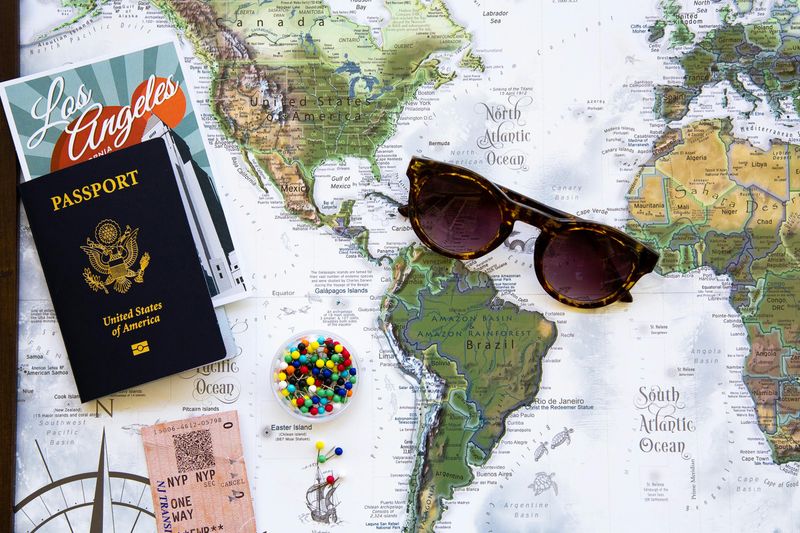
Counting down to your beach trip on Instagram sounds fun, but announcing that you’ll be away from home for a week is basically an open invitation for burglars.
Real-world thieves actively scroll social media looking for exactly this kind of information.
Studies have shown that a large percentage of home break-ins are connected to information shared online.
Save the vacation photos for when you get back.
Posting your memories after the trip lets you relive the fun without broadcasting that your house is sitting empty.
Your followers will still love seeing your adventures, just a little later.
3. Photos of Your Children With Location Tags

Posting pictures of your kids is one of the most natural things parents do online.
However, when those photos include location tags, school names, or recognizable landmarks, they can reveal exactly where your child spends time every single day.
Predators and strangers can use this information in deeply troubling ways.
Before sharing a photo, always check whether location data is embedded in the image file itself, not just the caption.
Many parents choose to keep their children’s faces off public profiles entirely.
At the very least, make sure your account is set to private and review who can see your posts regularly.
4. Your Daily Routine and Schedule
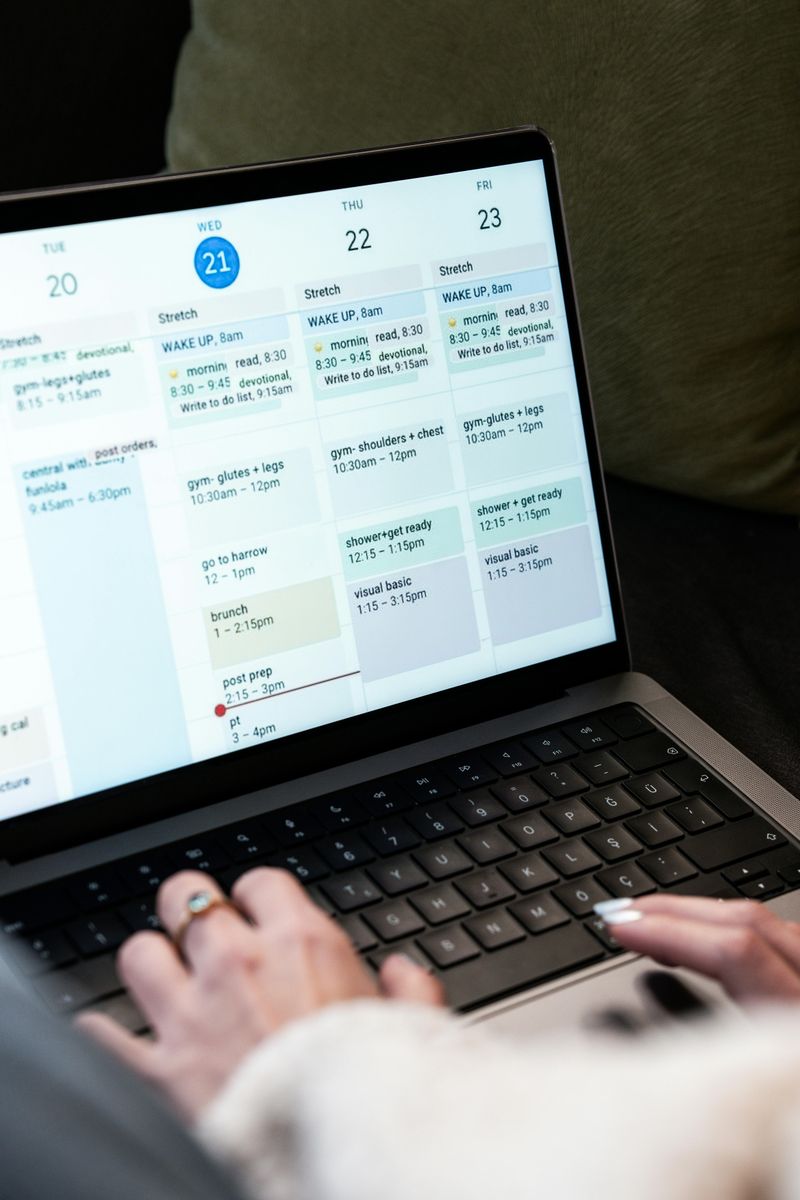
“Morning run at 6 AM, work until 5, gym after!” Sounds like a motivational post, but it’s also a detailed schedule handed directly to anyone watching.
Predictable routines make people easier targets for theft, stalking, or worse.
When someone knows exactly when you leave your house and when you return, they can plan around your absence with frightening precision.
Mix up what you share and avoid giving a play-by-play of your day online.
Posting about your habits occasionally is fine, but turning your feed into a live itinerary is a habit worth breaking sooner rather than later.
5. Financial Information and Big Purchases
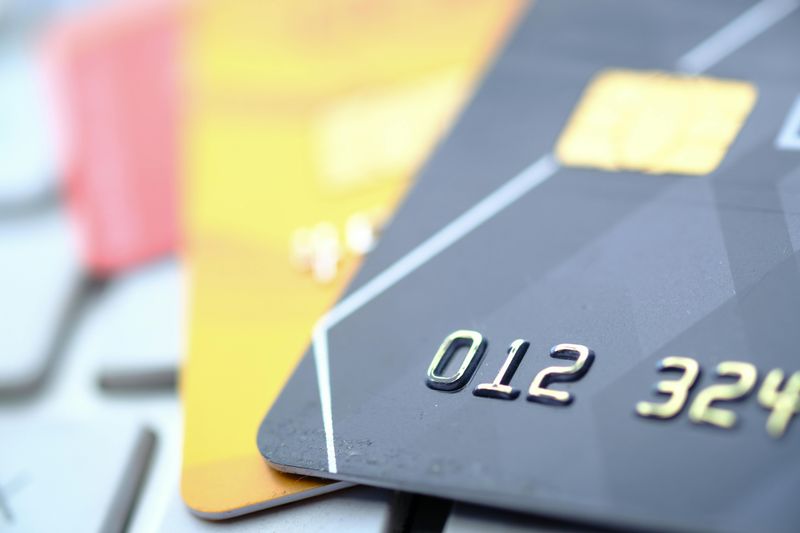
Flexing a new car, a designer bag, or a big bonus might feel great in the moment, but broadcasting your financial status online comes with real risks.
Scammers use this information to identify high-value targets for fraud, phishing attempts, and even physical theft.
Posting a photo of your new credit card, a check, or banking details is an even more serious mistake that can lead to identity theft almost immediately.
Even mentioning that you just got a raise can attract the wrong kind of attention.
Celebrate your wins with people you trust in person, keeping your financial life mostly off the public feed.
6. Personal Identification Documents
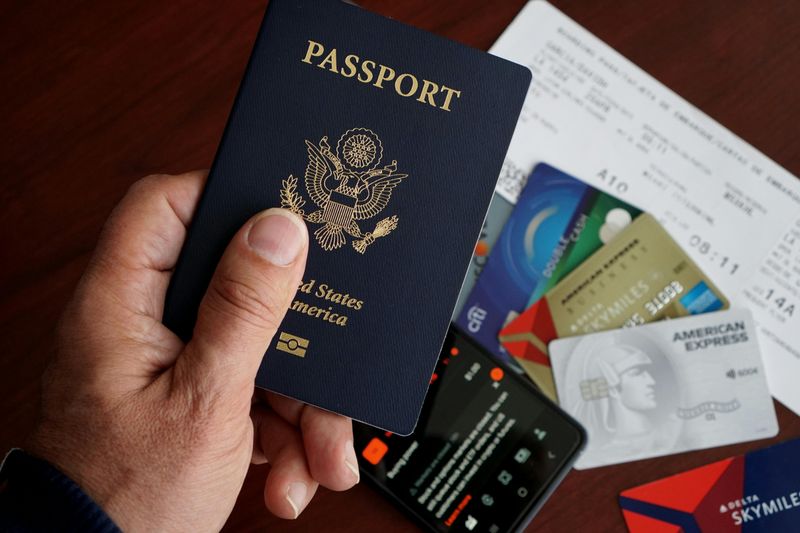
It might seem like a proud milestone to post a photo of your new driver’s license, passport, or even your vaccine card.
But these documents contain information that identity thieves can use to open bank accounts, apply for loans, or even steal your entire identity.
Even partially visible ID numbers, birthdates, or signatures are enough for a skilled scammer to cause serious damage.
There’s no safe way to share these documents publicly online.
If you need to send ID to someone for a legitimate reason, use secure, encrypted methods instead of uploading them to social platforms where anyone might see them.
7. Workplace Complaints or Confidential Work Information
Venting about your boss or sharing frustrating work stories online feels satisfying in the moment, but it can backfire in a big way.
Employers regularly monitor social media, and a single post could cost you your job, a promotion, or even a future opportunity at another company.
Sharing confidential details about clients, projects, or internal company matters is even more serious and could result in legal consequences.
Many people forget that even “private” accounts can be screenshotted and shared widely.
Keep workplace frustrations offline and handle them through proper channels.
Your career will thank you for staying professional both in person and online.
8. Relationship Status Changes and Personal Conflicts

Broadcasting a breakup, a family argument, or a falling-out with a friend might feel like a release, but it often creates more problems than it solves.
Once something is posted online, you lose control of how it spreads, who sees it, and how it gets interpreted.
Future employers, mutual friends, or even the other person involved can screenshot and share your posts in ways you never intended.
Personal conflicts are best handled privately, away from an audience.
Taking a breath before posting emotional content is always a good idea.
Social media has a long memory, and posts made in anger rarely reflect who you truly are.
Comments
Loading…