
 Hailey Watson
13 Realistic Steps to Retire Early (Even on a Normal Income)

Early retirement can sound like something only high earners or extreme minimalists pull off, but the truth is usually less dramatic and far more repeatable.
It’s built by stacking a handful of smart decisions and then letting time, consistency, and compounding do their work.
The goal isn’t to “never spend money again” or live on rice and beans forever.
It’s to align your spending with what you actually care about, reduce the stuff that quietly drains your paycheck, and create an investing rhythm you can sustain for years.
When you approach early retirement as a step-by-step plan instead of a lottery ticket, it becomes less intimidating and more practical.
The following steps aren’t complicated, but they are powerful, especially when you commit to them one at a time and keep going even when progress feels slow.
1. Define Your “Enough” Number

Before you can retire early, you need a clear picture of what “retired” looks like for you, because everyone’s version is different.
Some people want to travel full-time, while others want a quiet life with paid-off housing and more time at home.
Start by estimating your annual spending in retirement, including housing, food, transportation, insurance, and fun.
Then build in wiggle room for surprises and inflation, because reality is rarely exact.
Once you have an annual number, you can work backward to a target portfolio size using a conservative withdrawal guideline.
This step matters because it turns early retirement from a vague wish into a measurable goal, and measurable goals are easier to plan for, track, and stay motivated about.
2. Track Every Dollar for 30 Days

A short spending audit can reveal more than any motivational quote ever will, especially if you track without judging yourself.
Pull your bank and credit card statements, record every purchase, and categorize it in a way that feels realistic, not perfect.
The point is to see patterns, like how often “small” convenience purchases stack up or how many subscriptions you’re paying for without noticing.
Keep notes on what spending genuinely added value to your life versus what happened out of habit, stress, or boredom.
When you do this for a full month, your budget stops being guesswork and becomes a snapshot of your real life.
That clarity gives you a map for what to change, and it helps you cut costs without feeling deprived or confused.
3. Cut Your Biggest 3 Costs First

Saving $30 here and there can help, but early retirement usually accelerates when you tackle the expenses that dominate your monthly budget.
For many households, housing is the largest, so options like downsizing, refinancing, house hacking, or moving to a lower-cost area can create huge breathing room.
Transportation is often next, and simply driving a reliable paid-off car instead of upgrading can free up hundreds each month.
Food costs can also swing wildly, especially with frequent takeout or grocery overbuying, so meal planning and keeping a “go-to” rotation of easy dinners makes a real difference.
When you focus on the top three, you get bigger results with less effort, and that extra cash can be redirected into debt payoff and investing.
4. Raise Your Savings Rate (Even If It’s Small)

A higher savings rate is one of the most direct predictors of how quickly you can reach early retirement, but it doesn’t need to happen all at once.
Instead of trying to leap from saving 5% to saving 40%, increase the number in small steps you can actually keep.
A simple approach is to bump your savings rate by 1% every month or every quarter, especially after you cut a recurring expense or get a pay increase.
You can also set a rule that half of every “extra” dollar, like bonuses or refunds, goes directly to your future.
Small increases feel manageable, but over time they reshape your financial life.
When saving becomes your default setting, early retirement becomes a timeline you control instead of a distant hope.
5. Automate Investing Like It’s a Bill

Consistency beats intensity when it comes to building an early retirement portfolio, and automation makes consistency almost effortless.
Set up transfers on payday so money moves to your retirement accounts and brokerage before you have a chance to spend it.
Treat those transfers like rent or utilities, because they are essentially a payment to your future self.
If you rely on willpower, you’ll save less during busy or stressful months, which slows your progress.
Automation also helps you practice dollar-cost averaging, which keeps you investing through market ups and downs without trying to time anything.
Start with an amount that doesn’t make your budget collapse, then increase it gradually when your income rises or your expenses drop.
The fewer decisions you have to make each month, the easier it is to stay on track.
6. Kill High-Interest Debt With a Simple Plan

High-interest debt is one of the fastest ways to sabotage early retirement, because the interest rate often outpaces what you can reliably earn investing.
Start by listing every debt with its balance, minimum payment, and interest rate, then choose a payoff method you can stick with.
The avalanche method targets the highest interest first, while the snowball method targets the smallest balance for quick wins, and both can work if you stay consistent.
Keep paying minimums on everything else while throwing extra money at your focus debt, and consider negotiating rates or using a strategic balance transfer if you qualify.
The key is keeping the plan simple enough that you don’t quit halfway through.
Once those payments disappear, you’ll free up a large chunk of cash flow that can go directly into investments.
7. Build a “Freedom Fund” Emergency Cushion

An emergency fund isn’t exciting, but it’s what keeps one bad week from turning into a financial setback that takes months to recover from.
When you’re aiming for early retirement, stability matters because you want to keep investing consistently instead of constantly putting out fires.
Aim for three to six months of essential expenses in a separate savings account, and lean toward the higher end if your income is variable or you have dependents.
This fund should cover boring but expensive surprises like car repairs, medical bills, or a sudden job gap, without forcing you to rely on credit cards.
Having cash on hand also gives you confidence to take smarter career risks, like negotiating pay or changing jobs.
It’s called a freedom fund for a reason, because it protects your progress and your peace of mind.
8. Maximize Your Employer Benefits

Workplace benefits can quietly add thousands to your net worth if you understand them and use them well.
Employer retirement matches are essentially free money, so contributing enough to get the full match is one of the best returns you’ll ever see.
Pay attention to vesting schedules, because leaving a job too early can mean walking away from money you earned.
If you have access to a Health Savings Account, it can be a powerful tool because it offers tax advantages when used strategically, especially if you can afford to invest part of it.
Review any employee stock plans, tuition assistance, or commuter benefits, since these can reduce your out-of-pocket expenses and increase how much you can save.
Taking an hour to learn your benefits can translate into years off your working timeline, which makes it worth the effort.
9. Increase Income Without Burning Out

Cutting expenses can only go so far, so adding income often becomes the lever that speeds up early retirement without forcing you into constant deprivation.
The most efficient move is frequently negotiating your salary or switching roles, because a higher base pay increases everything you can save and invest.
If that isn’t possible right now, consider a side income that fits your energy level, like freelancing, tutoring, reselling, or a weekend gig with clear boundaries.
The goal isn’t to work 24/7, but to create extra margin that you can funnel into debt payoff and investing.
A helpful rule is to save a large portion of any new income instead of letting your lifestyle expand to match it.
When you treat raises and side money as retirement fuel, your timeline accelerates without requiring extreme choices.
10. Invest Simply and Consistently

A complicated investment strategy is not a requirement for early retirement, and in many cases it can become a distraction that leads to indecision.
Diversified, low-cost index funds or broad-market ETFs are popular for a reason, because they spread risk and keep fees low over long periods.
The most important factor is continuing to invest through different market cycles, even when headlines feel scary, because long-term results usually come from staying in the game.
Pick an asset mix that matches your risk tolerance and time horizon, then rebalance occasionally instead of reacting to daily noise.
If you’re tempted to chase trends, remind yourself that early retirement is about boring consistency, not dramatic bets.
When you keep investing on a schedule, compounding becomes your most reliable partner, and your portfolio starts doing more of the heavy lifting over time.
11. Lower Your Tax Bill on Purpose
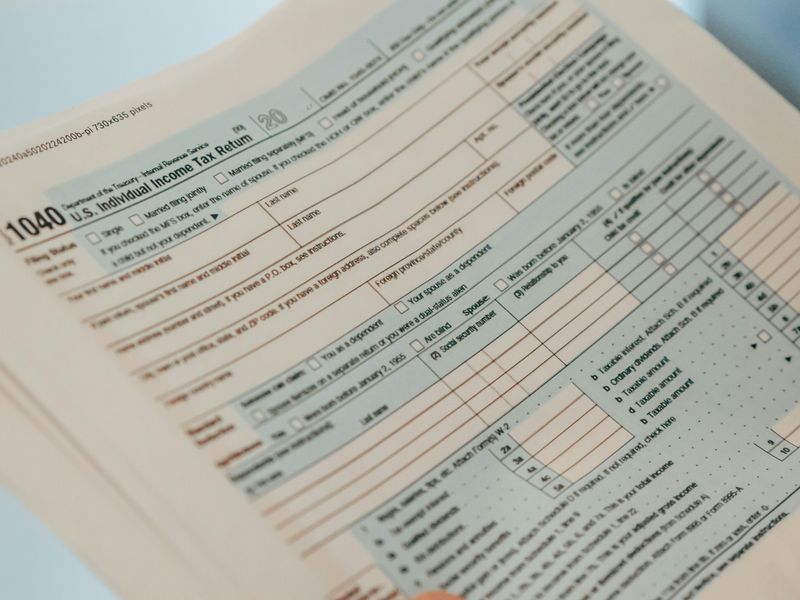
Taxes can be one of the biggest drags on your ability to build wealth, so learning the basics of tax-advantaged accounts is a smart early retirement move.
Contributing to a 401(k) or traditional IRA can reduce your taxable income now, while Roth accounts can provide tax-free growth depending on your situation and income level.
If you have an HSA, it can be especially valuable because it offers multiple tax benefits when used for qualified medical expenses.
A taxable brokerage account can still be part of the plan, particularly for early retirement access, but it helps to understand how capital gains and dividends work.
The point is not to become a tax expert overnight, but to be intentional so you keep more of what you earn and invest.
Saving money is great, but saving money while also lowering taxes can speed up your progress dramatically.
12. Plan for Healthcare Before Medicare

Healthcare is one of the most overlooked parts of early retirement planning, and it can become a budget shock if you don’t prepare.
Because Medicare generally begins at 65 in the U.S., retiring earlier often means bridging a coverage gap with other options.
Depending on your situation, this might include marketplace plans, coverage through a spouse, or part-time work that offers benefits.
Building up an HSA while you’re working can help cover future costs, especially if you treat it as a long-term account rather than spending it immediately.
It also helps to estimate your likely healthcare needs, including prescriptions and routine care, so your retirement budget isn’t missing a major line item.
The good news is that planning ahead gives you choices, and choices reduce stress.
When healthcare is accounted for, early retirement feels less risky and far more realistic.
13. Stress-Test Your Retirement Plan Annually

A plan that looks perfect on paper can still fall apart if you never revisit it, so an annual check-in keeps early retirement realistic and flexible.
Once a year, review your spending, savings rate, debt progress, and portfolio balance, then compare them to your target timeline.
Run a few “what if” scenarios, like a market drop, higher inflation, or a housing change, so you’re prepared for real-life surprises.
This isn’t about panicking or constantly adjusting, but about making small course corrections before problems grow.
You might discover that your expenses are lower than expected, which could move your retirement date up, or you might learn you need a bigger cushion for healthcare or housing.
Either way, an annual stress test turns your plan into a living strategy instead of a dusty spreadsheet, and that makes long-term success much more likely.
Comments
Loading…