
 Hailey Watson
11 Credit Card Perks You’re Probably Not Using (But Paying For Anyway)

A lot of credit card “perks” sound like shiny marketing extras, but many of them are real benefits that cost money to provide, and you’re paying for them whether you use them or not.
Sometimes the cost shows up as an annual fee, and sometimes it’s quietly baked into the interest rates and the processing fees merchants pass along in higher prices.
Either way, if your card includes protections and credits that could save you hundreds, ignoring them is like leaving coupons on the table every month.
The tricky part is that issuers don’t always explain these benefits clearly, and the fine print can be just confusing enough to make people give up.
Here are 11 underrated credit card perks worth checking for, plus how they typically work so you can start using what you already have.
1. Cell phone protection

Dropping your phone or getting it stolen is expensive, and the surprise is that many credit cards offer a built-in safety net if you pay your wireless bill with that card.
This perk often covers damage or theft after you file a claim, and it can reimburse repair costs or even help replace the device, usually after a deductible.
The biggest reason people miss it is that it doesn’t activate at the store when you buy the phone; it typically activates when you use the card to pay your monthly cell service bill.
You’ll usually need documentation like a bill showing the charge, a repair estimate, and sometimes a police report for theft.
Before you assume you’re covered, check whether the benefit applies to your line and your type of phone, and confirm the maximum payout per claim.
2. Extended warranty

If you’ve ever had an appliance or gadget break right after the manufacturer warranty expired, you already understand why extended warranty coverage matters.
Many credit cards automatically add extra warranty time on eligible purchases, which can save you from buying the store’s pricey extended warranty plan.
The catch is that you typically need to pay for the item entirely with the card, and the extension often mirrors the original warranty for a limited period.
This perk can be especially helpful for electronics, small appliances, and tools, where repairs are expensive and replacement is annoying.
Filing a claim usually requires proof of purchase, the original warranty documentation, and a repair estimate, so saving receipts becomes surprisingly valuable.
It’s also important to check exclusions because some categories or high-wear items may not qualify.
Even with limitations, this benefit can turn a frustrating breakdown into a reimbursed repair.
3. Purchase protection

New purchases can feel vulnerable during that first month when you’re still babying them, and purchase protection exists to cover exactly that high-risk period.
Many cards offer coverage if an item is stolen or accidentally damaged shortly after you buy it, which can be a lifesaver for phones, glasses, luggage, and other everyday essentials.
Unlike product warranties that cover mechanical failure, this perk typically focuses on theft or accidental damage within a set time window.
It’s easy to overlook because it doesn’t come with a coupon code or a flashy dashboard, but it can save you a lot of money when life happens at the worst possible time.
To use it, you generally need a receipt, evidence of damage, and documentation for theft such as a police report or insurance claim.
Coverage limits vary, so it’s worth checking the maximum per item and per year.
4. Price protection or price drop refunds

Seeing something you just bought go on sale can feel like being punished for shopping early, which is why price protection used to be a favorite perk among savvy cardholders.
While it’s less common than it once was, versions of this benefit still exist through certain cards, shopping portals, or issuer programs that refund a price difference if the item drops within a specific time frame.
The key is that you often have to act quickly and provide proof, including the original receipt and an ad or listing that shows the lower price.
Some programs require the lower price to be from an approved retailer, and most exclude clearance or limited-quantity promotions.
If you’re someone who buys big-ticket items like furniture, electronics, or appliances, this perk can be surprisingly valuable, even if you only use it a few times a year.
A quick habit of checking your card’s benefits page after large purchases can help you spot whether it’s available before you assume you missed out.
5. Trip delay reimbursement

Travel delays are stressful on their own, and they get even worse when you start paying out of pocket for food, transportation, and a last-minute hotel.
Many credit cards offer trip delay reimbursement when a covered trip is delayed beyond a certain number of hours, which can soften the blow of unexpected disruption.
This perk usually applies when you pay for at least part of your trip with the card, and it reimburses reasonable expenses like meals, lodging, and basic necessities while you wait.
The fine print matters because coverage triggers differ, and you may need to show proof from the airline or transportation provider that the delay happened and why.
Receipts are essential, and there are usually caps per person or per trip.
People miss this benefit because they assume travel insurance is only something you buy separately, but your card may already include a lighter version of it.
If you travel even a few times a year, it’s worth knowing where your card stands before the next delay hits.
6. Baggage delay reimbursement

When your suitcase disappears for a day or two, the costs add up fast because you still need basics like clothes, toiletries, and chargers.
Some credit cards reimburse those emergency purchases if your checked bags are delayed beyond a specific time window, which can turn a miserable travel moment into something manageable.
This benefit tends to apply if you paid for the trip with the card, and it typically covers “reasonable” essentials rather than shopping sprees.
That’s where many people get tripped up, since what feels reasonable at an airport store can be priced like luxury goods.
Keeping itemized receipts is non-negotiable, and you may also need documentation from the airline confirming the delay and showing when you received your luggage.
Coverage limits vary, and the time threshold might be shorter or longer depending on the card.
If you travel with kids or rely on specific items, this perk can be one of the most practical reasons to use a particular card for airfare.
7. Primary or secondary rental car coverage

The rental car counter can feel like a pressure cooker, especially when the agent starts pushing the collision damage waiver as if you’re taking a huge risk by saying no.
Many credit cards include rental car coverage, which may let you decline the rental company’s expensive add-on and still have protection for certain types of damage or theft.
The details are important because coverage can be primary or secondary, and that difference affects whether you have to file with your personal auto insurance first.
Usually, you need to pay for the rental with the card and decline the rental company’s collision coverage for the benefit to apply.
There are also common exclusions like certain vehicle types, long rental periods, and specific countries where coverage may not be available.
You’ll want to understand exactly what’s covered, whether liability is included, and what documentation is required if something happens.
Even with limitations, this perk can save you a surprising amount, especially if you rent cars more than once or twice a year.
8. No foreign transaction fees

International spending can get quietly more expensive when your card adds an extra charge to every purchase outside your home country.
Cards with no foreign transaction fees remove that markup, which can make a real difference if you travel, book hotels abroad, or shop from international websites.
The reason this perk goes unused is that people often default to the card they use at home without checking whether it charges foreign fees, and the fee doesn’t always look dramatic on a single purchase.
Over a week of travel, though, it can easily add up to the cost of a nice dinner or a couple of airport transfers.
This benefit is also convenient because you don’t have to do anything special to activate it, as long as you use the right card.
It’s still worth checking whether your card also offers decent exchange rates, since those can vary by issuer.
If you only travel once a year, you might think it doesn’t matter, but avoiding unnecessary fees is a simple win.
9. Free credit score + credit monitoring tools

Keeping an eye on your credit doesn’t have to involve paid subscriptions, because many credit card issuers provide free score access and monitoring inside your account.
These tools can show changes over time, alert you to potential fraud signals, and help you spot issues early, especially if you’re working toward a mortgage or trying to improve your credit profile.
People ignore this perk because it feels abstract compared to cash back, but it can protect you from expensive problems like identity theft or surprise credit denials.
The score you see may not match every lender’s scoring model, yet it’s still useful for tracking trends and catching unexpected drops.
Many dashboards also offer tips that explain what’s helping or hurting your score, which can be motivating if you like clear goals.
To get the most out of it, turn on alerts for new accounts or significant score changes, and check your report periodically for errors.
Using the tools you already have can make credit management feel less intimidating and more routine.
10. Statement credits you have to activate
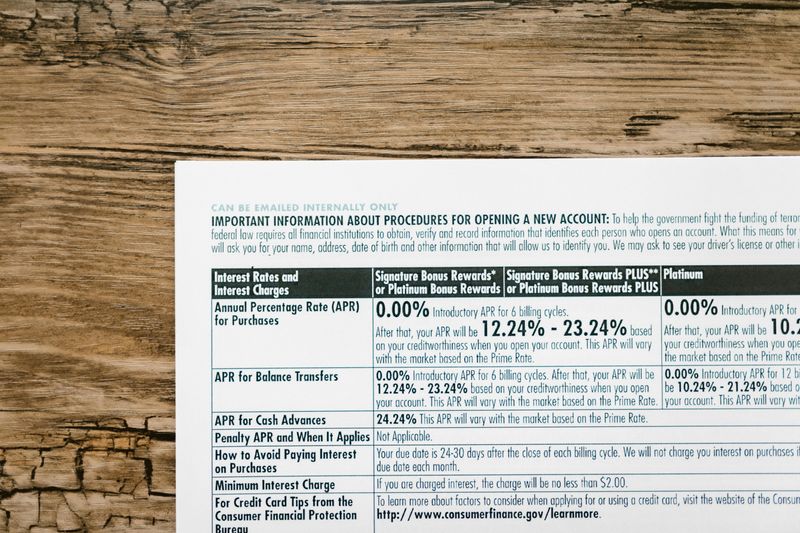
Some of the most valuable perks are the easiest to miss because they don’t work unless you enroll, choose a category, or use a specific purchase path.
Many cards offer statement credits for things like streaming services, rideshare, travel bookings, or select retailers, but you may need to “activate” them in your account before they count.
This creates a frustrating situation where people pay an annual fee and then forget to flip the switch that unlocks the benefit.
The best approach is to treat credits like a checklist, so you know exactly what must be done, what counts as an eligible purchase, and whether you need to use a portal or a unique link.
Some credits reset monthly, some reset yearly, and some only work with specific brands, so timing matters more than most people expect.
If you already pay for these services, switching the payment method and enrolling properly can be one of the easiest ways to get value back.
A quick reminder on your calendar can prevent the “I forgot again” problem.
11. Concierge / ticket & dining help

Getting into a sold-out show or landing a last-minute dinner reservation can feel impossible, and this is where concierge services can quietly be useful.
Some credit cards offer a concierge line that helps with reservations, event tickets, travel tweaks, and even gift sourcing, which can save time when you’re overwhelmed or dealing with tight plans.
People skip this benefit because it sounds like something only luxury travelers use, but it’s often available on cards that aren’t even marketed as ultra-premium.
The real value comes from convenience, especially when you’re juggling schedules or planning something for a birthday or anniversary.
Results vary depending on the program, and a concierge can’t magically break the laws of supply and demand, but they can sometimes find options you’d overlook or help you coordinate details quickly.
To use it well, you’ll want to call with flexible timing and clear preferences, rather than expecting a miracle in an hour.
If you never try it, you’ll never know whether it’s the perk that saves you the most stress.
Comments
Loading…