
 Hailey Watson
10 Things You Spend Money on That Prove You Have No Financial Discipline

Most of us have looked at our bank account at the end of the month and wondered where all the money went.
The truth is, a lot of everyday spending habits quietly drain your wallet without you even realizing it.
Small purchases add up fast, and before you know it, you are broke before payday.
If you keep spending money on these things, it might be time to take a hard look at your financial habits.
1. Daily Coffee Shop Visits

You stop for a $7 latte every single morning before work.
That feels harmless, right?
But multiply that by five days a week, and you are spending over $180 a month just on coffee.
You could easily make a great cup at home for less than 50 cents.
Fancy coffee drinks are one of the sneakiest budget killers out there.
A home coffee maker pays for itself within weeks.
Cutting back does not mean giving up coffee forever.
Even switching to homemade coffee three days a week saves real money over time.
2. Unused Gym Memberships

Gyms count on one thing: that you will stop showing up but keep paying.
Studies show that most gym members go fewer than twice a month, yet still get charged the full monthly fee without blinking.
That $40 to $80 monthly charge adds up to nearly $960 a year for equipment you never touch.
If you genuinely love working out, use it consistently.
Otherwise, cancel and try free workouts like jogging, YouTube fitness videos, or bodyweight exercises at home.
Your body does not need an expensive membership to stay active.
It just needs your commitment.
3. Impulse Online Shopping
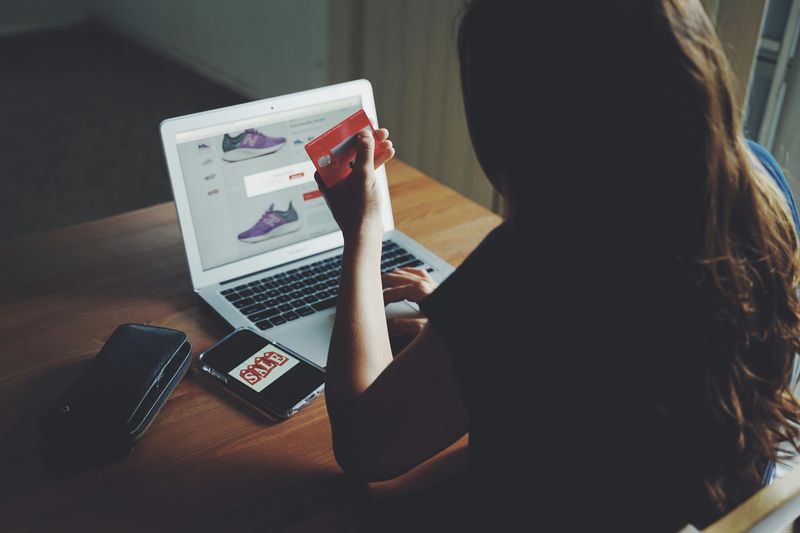
Late-night scrolling and one-click buying are a dangerous combination for your bank account.
Online stores are cleverly designed to make you feel like you need something the moment you see it, complete with countdown timers and limited stock warnings.
Most impulse purchases end up stuffed in a closet, barely used.
A simple trick is to add items to your cart and wait 48 hours before buying.
You will be surprised how often that urge disappears completely.
Unsubscribing from store emails and turning off push notifications also removes a huge temptation from your daily routine.
4. Subscription Services You Forgot About
Streaming services, app subscriptions, meal kit deliveries, magazine bundles — they all sound great when you sign up.
But many people forget about half of them within a few months and keep getting charged anyway.
Even $10 here and $15 there can quietly steal over $100 from your account every month.
Log into your bank account right now and count how many recurring charges appear.
Odds are, at least two or three are services you completely forgot existed.
Cancel anything you have not used in the past 30 days.
That simple action could free up serious cash immediately.
5. Eating Out Too Frequently

Grabbing lunch with coworkers every day or ordering takeout four nights a week feels social and convenient, but your wallet takes a serious beating.
The average restaurant meal costs three to five times more than cooking the same dish at home.
A family that eats out just three extra times per week can spend an extra $400 or more monthly without even noticing.
Meal prepping on Sundays is one of the most powerful financial habits you can build.
It saves time, reduces stress, and keeps hundreds of dollars in your pocket every single month.
6. Brand-Name Products Over Generics
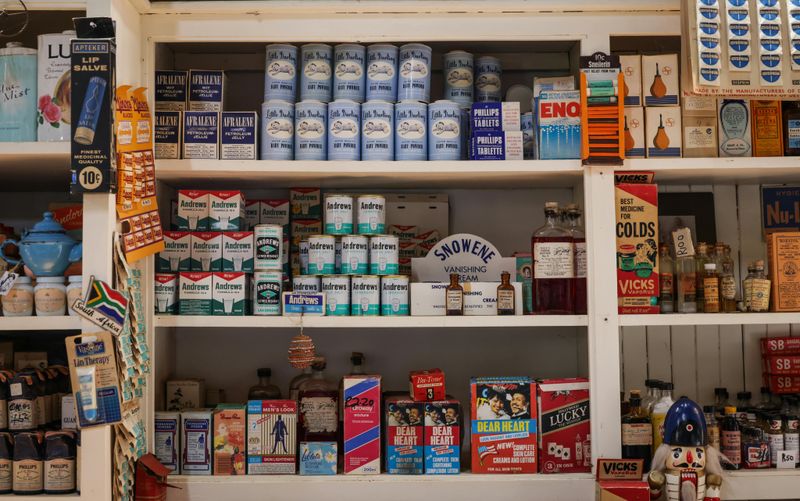
Brand loyalty feels comfortable, but it often costs you a lot more than necessary.
Many generic or store-brand products are made in the same factories as their name-brand counterparts, just with different packaging and a lower price tag.
From cereal to medicine to cleaning supplies, choosing generic can slash your grocery bill by 20 to 40 percent.
That adds up to hundreds of dollars saved each year with zero drop in quality.
Smart shoppers read ingredient labels instead of just grabbing the familiar box.
Your money works harder when you shop based on value, not just brand recognition.
7. Fast Fashion and Trendy Clothes
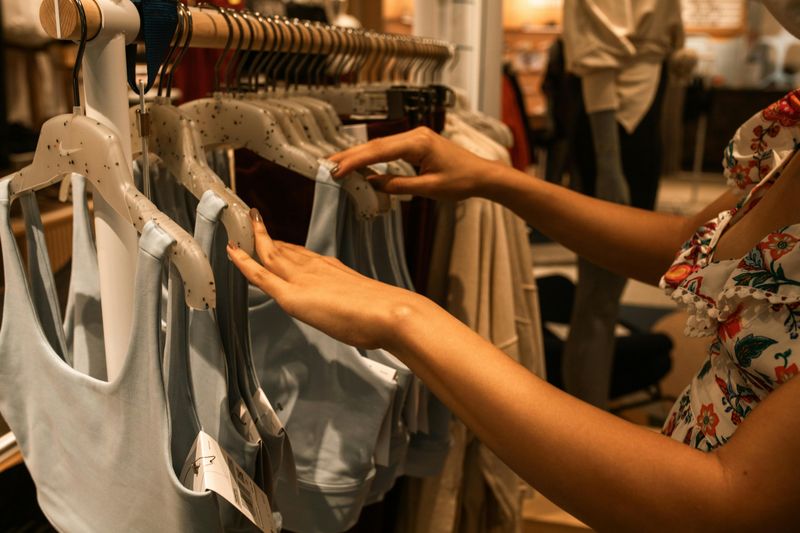
Fast fashion stores make it dangerously easy to spend $50 or $60 on clothes that fall apart after three washes.
The trendy styles are designed to feel outdated within months, pushing you to buy again and again in an endless cycle.
Many people own closets stuffed with barely worn outfits while still claiming they have nothing to wear.
Building a small wardrobe of quality, versatile pieces actually costs less over time than constantly chasing cheap trends.
Thrift stores and secondhand apps like Poshmark offer stylish options at a fraction of the price.
Buy less, choose well, and your wallet will thank you.
8. Paying for Convenience Fees
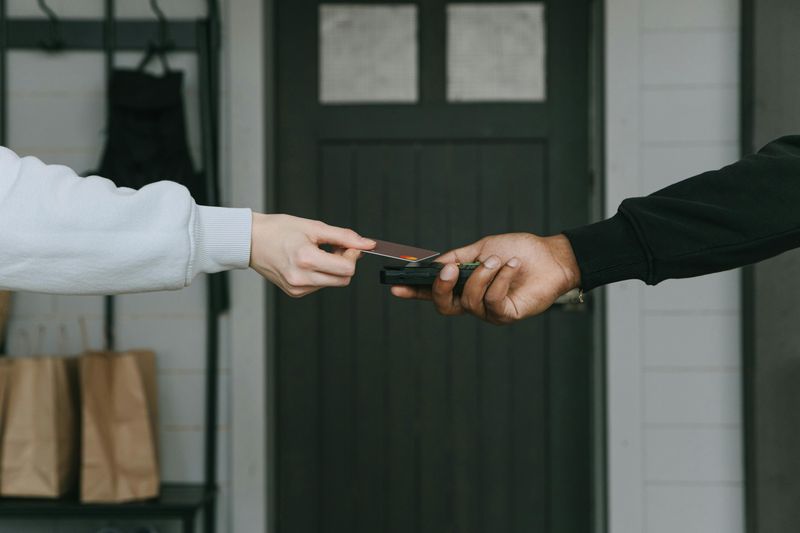
Convenience fees are everywhere now, and most people pay them without a second thought.
Delivery app fees, ticketing surcharges, ATM out-of-network charges, and rush shipping costs quietly drain your account dozens of times a month.
A $4 delivery fee plus a $3 service charge plus a $2 tip on a $10 meal means you are actually paying $19.
That is nearly double the original price just for the luxury of not leaving your couch.
Planning ahead eliminates most of these charges entirely.
Picking up orders yourself, using your bank’s ATM, and choosing standard shipping are all free habits worth building.
9. Upgrading Gadgets Too Often
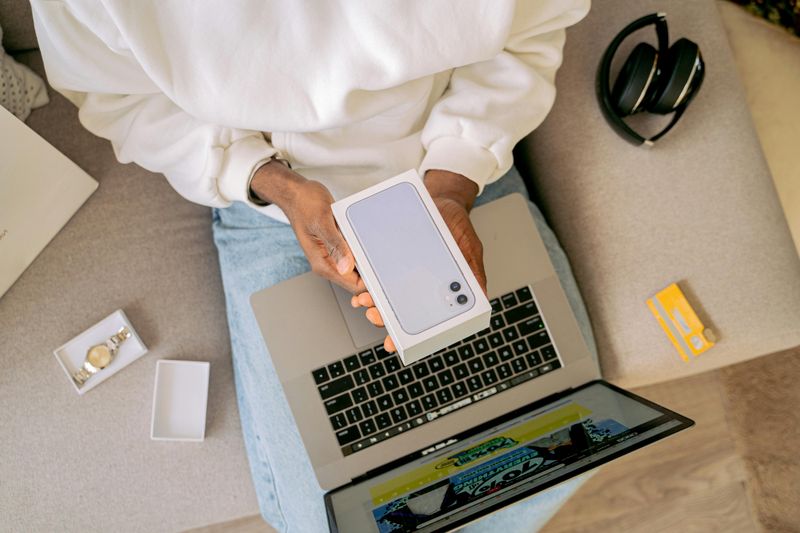
Tech companies release new phones, laptops, and gadgets every single year, and they are very good at making last year’s model feel embarrassingly outdated.
But most upgrades offer only minor improvements that the average person will never actually notice in daily use.
Someone who upgrades their smartphone every year can easily spend $800 or more annually just to feel current.
Keeping a device for three years instead of one saves thousands over a decade.
Ask yourself honestly whether the upgrade improves your life or just satisfies a craving for something shiny and new.
Function matters far more than the latest release date.
10. Buying Bottled Water Daily

Grabbing a bottle of water every day seems like no big deal, but those $2 and $3 purchases add up faster than you think.
Over the course of a month, a daily bottled water habit can cost you $60 or more.
Tap water in most cities is perfectly safe to drink, and a quality reusable water bottle costs less than $20 upfront.
That one purchase pays for itself within a week.
Filtered pitchers are another affordable option that makes tap water taste just as good as anything sold in a store.
Paying for something you can get nearly free every single day is a textbook sign of financial carelessness.
Comments
Loading…