
 Chloe Peterson
Grandparents love their grandkids and want to spoil them a little—that’s totally normal.
But sometimes, what seems like harmless fun can actually mess with the rules and routines you’ve worked hard to establish at home.
When discipline gets undermined, even unintentionally, kids can become confused about boundaries and expectations.
Understanding these common grandparent habits can help you protect your parenting approach while keeping family relationships strong.
1. Undermining Consequences You’ve Already Set
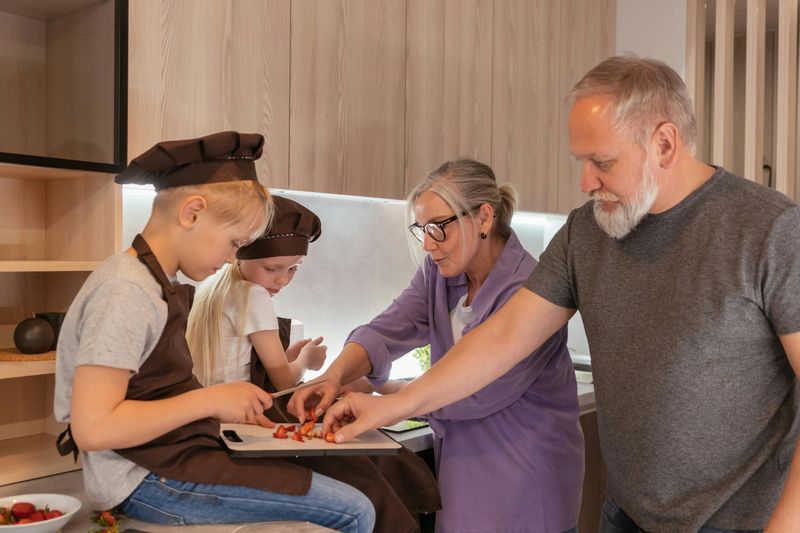
You’ve just grounded your child from screen time for breaking a house rule, but then Grandpa sneaks them his tablet when you’re not looking.
This rescue mission might feel loving in the moment, but it completely dismantles the lesson you’re trying to teach.
When consequences disappear because grandparents intervene, kids learn that rules have loopholes.
They start to see discipline as negotiable rather than meaningful.
Your authority gets questioned, and suddenly every consequence becomes a debate about who’s really in charge.
The fix requires honest conversation with grandparents about respecting decisions you’ve already made, even if they disagree privately.
2. Contradicting Your Rules in Front of the Kids
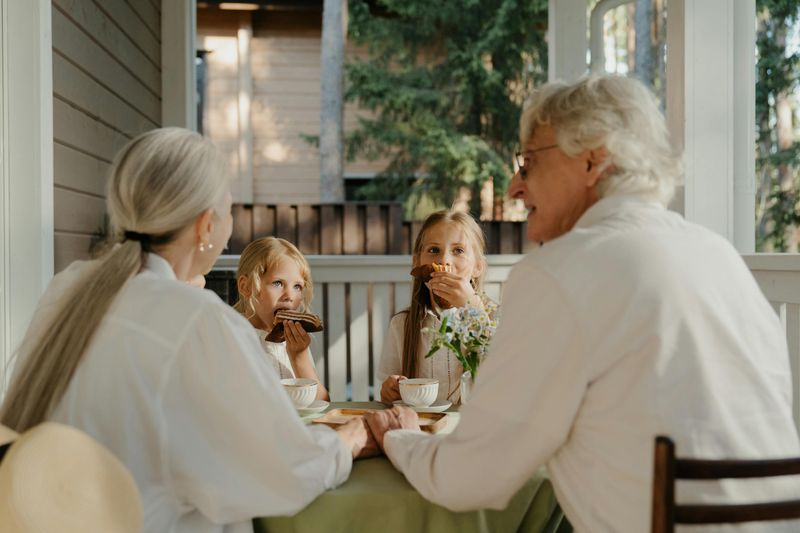
You tell your child no cookies before dinner, and then Grandma swoops in with a wink and hands over the treat anyway.
When grandparents override your decisions while your kids are watching, it sends a confusing message that rules aren’t really rules.
Children are smart.
They quickly learn to pit adults against each other when they see inconsistency.
This creates power struggles at home and makes your job as a parent ten times harder.
The fix?
Have a private conversation with grandparents about presenting a united front.
Kids need to see that all the adults in their lives respect the same boundaries, even if grandparents get a little more flexible during special visits.
3. Sharing Outdated Parenting Wisdom

“Back in my day, we did things differently, and you turned out fine.” Sound familiar?
Grandparents often mean well when they share advice, but parenting research has evolved dramatically over the past few decades.
What worked in the 1970s or 1980s might not align with modern understanding of child development.
When grandparents constantly question your methods, it can feel like criticism rather than support.
This undermines your confidence and authority.
Gently remind grandparents that while their experience matters, you’re following current expert recommendations.
Share articles or books that explain your approach.
Most grandparents will appreciate understanding the “why” behind your choices and will become allies instead of critics.
4. Throwing Schedules Out the Window
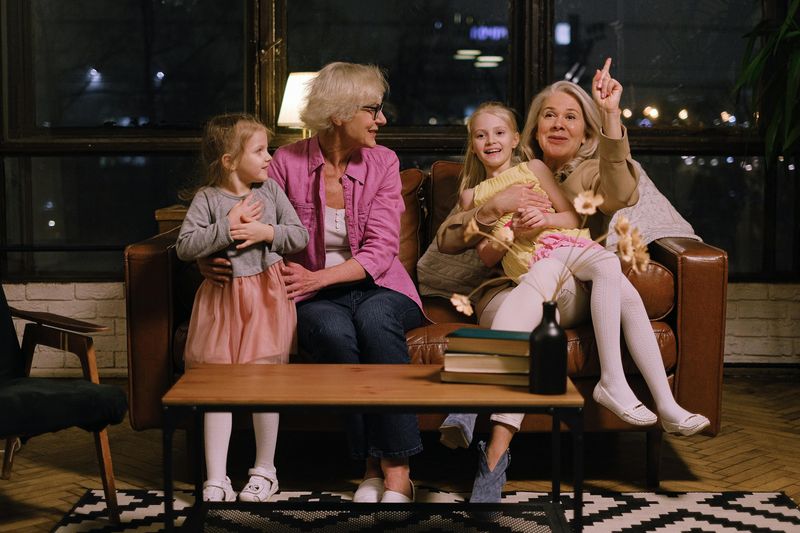
Bedtime at 7:30 PM?
Not at Grandma’s house, where staying up until 10 PM watching movies is the special treat.
While occasional flexibility is fine, regularly ignoring established routines creates real problems.
Children thrive on predictability.
Consistent schedules help them feel secure and regulate their emotions and behavior.
When routines get tossed aside every weekend at the grandparents’ place, kids return home cranky, overtired, and resistant to getting back on track.
Talk with grandparents about maintaining core routines like bedtimes and meal times.
Explain that consistency isn’t about being rigid—it’s about helping your child feel their best.
Small compromises, like staying up 30 minutes later, can satisfy everyone without causing major disruption.
5. Showering Kids with Too Many Gifts

Every visit brings another shopping bag full of toys, clothes, or gadgets.
Grandparents express love through giving, but excessive gifts can accidentally teach kids the wrong lessons about value and gratitude.
When children receive constant material rewards without earning them, they may develop a sense of entitlement.
They start expecting presents rather than appreciating them.
This makes your discipline efforts at home feel unfair by comparison—why should they work for rewards when Grandma gives them freely?
Help grandparents channel their generosity differently.
Suggest experiences like zoo trips or movie outings instead of physical items.
If they insist on gifts, ask them to save most presents for birthdays and holidays.
Quality time creates better memories than a mountain of stuff anyway.
6. Pressuring Kids into Unwanted Hugs and Kisses

“Give Grandpa a big hug goodbye!” seems innocent enough, but forcing physical affection teaches children to ignore their own comfort levels.
Even with family members, kids deserve to have their boundaries respected.
When you make children hug or kiss relatives despite their reluctance, you’re essentially telling them that adult feelings matter more than their own.
This can make it harder for them to assert themselves in uncomfortable situations later.
Personal boundaries are a crucial life skill.
Support your child’s right to choose how they show affection.
Suggest alternatives like high-fives, fist bumps, or waves.
Explain to grandparents that respecting these choices now helps kids develop healthy boundary-setting skills.
Most grandparents will understand once they realize it’s about safety and self-confidence, not rejection.
7. Making Unfair Comparisons to Other Kids
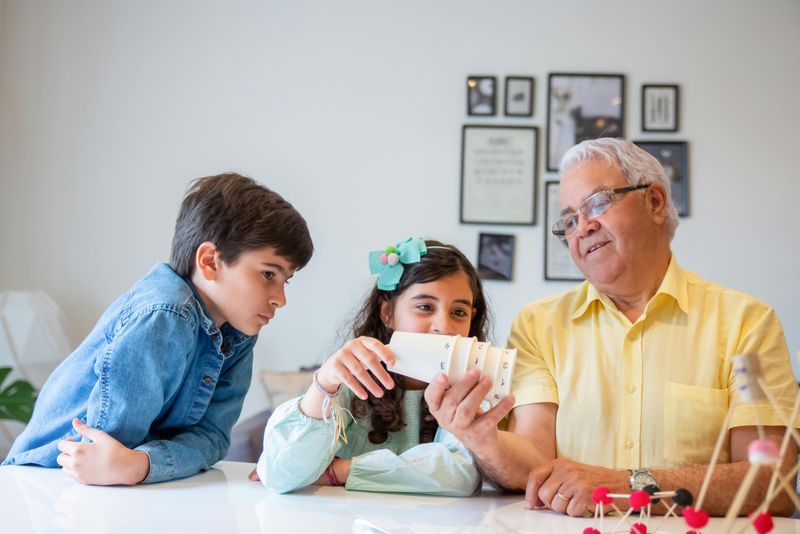
“Why can’t you behave like your cousin Sarah?”
Comparisons might seem like motivation, but they actually damage self-esteem and create resentment.
Every child develops at their own pace and has unique strengths and challenges.
When grandparents compare siblings or cousins, it plants seeds of inadequacy and jealousy.
Kids start feeling like they’re not good enough or that someone else is the favorite.
These feelings can last well into adulthood and strain family relationships.
Ask grandparents to celebrate each child’s individual qualities instead of making comparisons.
Explain that what looks like “better behavior” might just be different temperaments or developmental
Comments
Loading…