
 Harper Hall
17 Things Women Say Can Be Challenging in Relationships With Men

Every relationship comes with its own set of hurdles, and understanding them can make all the difference.
Many women have shared common frustrations they experience when building connections with men, and these insights can help both partners grow together.
Recognizing these challenges isn’t about placing blame but about opening doors to better communication and stronger bonds.
Whether you’re currently in a relationship or hoping to improve future ones, learning about these perspectives can help you navigate the ups and downs of love with more awareness and compassion.
1. Struggling to Open Up Emotionally

Many women notice their partners have trouble sharing what’s really going on inside.
Guys often grow up hearing they should be tough and keep feelings locked away.
This makes it hard for them to talk about worries, fears, or sadness when they’re in a relationship.
Opening up takes practice and patience from both people.
When someone bottles everything up, their partner can feel left out or confused about what’s wrong.
Creating a safe space where vulnerability isn’t seen as weakness helps a lot.
Small steps matter more than big speeches.
Asking gentle questions and showing appreciation when he does share can encourage more emotional honesty over time.
2. Not Really Listening During Conversations

Have you ever felt like you’re talking but nobody’s actually hearing you?
Women often mention feeling unheard when their partners seem physically present but mentally elsewhere.
Eyes might wander to phones or the TV instead of staying focused on the conversation happening right in front of them.
Active listening means more than just nodding along.
It involves asking questions, remembering details, and showing genuine interest in what’s being shared.
When someone truly listens, you can feel the difference immediately.
This disconnect can build walls between partners over time.
Making eye contact and putting devices away shows respect and care for what the other person has to say.
3. Dancing Around Difficult Topics

Nobody enjoys uncomfortable conversations, but avoiding them altogether creates bigger problems down the road.
Some men tend to sidestep serious discussions about money, future plans, or relationship concerns because they’d rather keep the peace than rock the boat.
Sweeping issues under the rug might feel easier in the moment.
However, those problems don’t disappear—they just grow larger and more complicated.
Eventually, the rug gets too lumpy to ignore anymore.
Facing challenges together strengthens relationships rather than weakening them.
Setting aside specific times to talk about tough stuff can make these conversations feel less scary and more manageable for everyone involved.
4. Getting Defensive When Concerns Arise

Bringing up a concern shouldn’t feel like preparing for battle, yet many women describe exactly that experience.
When they mention something that’s bothering them, their partners immediately throw up shields and start defending themselves instead of listening to understand.
Defensiveness shuts down productive conversation faster than almost anything else.
It sends the message that protecting one’s ego matters more than solving the actual problem.
This pattern leaves issues unresolved and resentment building on both sides.
Learning to pause before responding makes a world of difference.
Taking a breath and asking clarifying questions shows maturity and willingness to actually work through disagreements together as a team.
5. Unequal Division of Household Chores
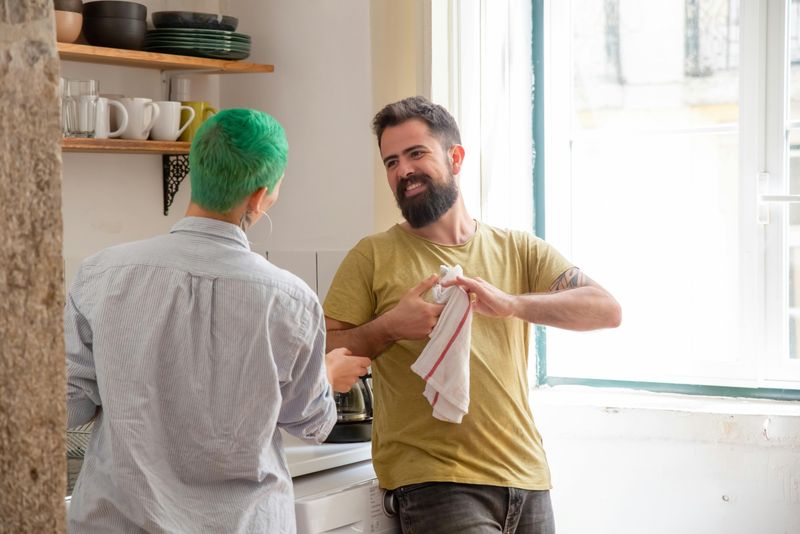
Coming home after a long day to find laundry piling up, dishes in the sink, and nobody else lifting a finger.
This scenario frustrates countless women who feel like they’re carrying the entire household load on their shoulders while their partners relax.
Equal partnerships mean sharing responsibilities, not just helping out when asked.
The mental work of tracking what needs doing and when counts as labor too.
One person shouldn’t have to be the household manager directing all the tasks.
Splitting chores fairly shows respect and consideration.
Creating a clear division of duties helps both people know what’s expected without constant reminders or negotiations.
6. Different Ideas About Quality Time

Being in the same room doesn’t automatically equal spending quality time together.
Many women express frustration when their partners think sitting side-by-side while scrolling phones or watching separate shows counts as meaningful connection.
Real togetherness requires actual engagement and attention.
Quality time means different things to different people, which can cause misunderstandings.
Some folks need conversation and eye contact to feel close, while others feel connected just being near each other.
Neither approach is wrong, but they need discussion.
Finding activities both people enjoy helps bridge this gap.
Whether it’s cooking together, taking walks, or playing board games, shared experiences create stronger bonds than parallel play ever could.
7. Trouble Putting Feelings Into Words

Emotions can feel like a foreign language to some guys who weren’t taught how to identify or express what’s happening inside them.
Women often wish their partners could articulate feelings more clearly instead of saying everything’s fine when it obviously isn’t.
Not everyone grows up learning emotional vocabulary or feeling safe sharing vulnerable moments.
This creates a gap where one person is trying to understand while the other struggles to explain.
The effort gets exhausting for both sides eventually.
Building this skill takes time and encouragement.
Using feeling wheels or charts can help identify specific emotions beyond just mad, sad, or happy categories that many people default to automatically.
8. Forgetting Important Dates and Details

Did you know anniversaries, birthdays, and special occasions sometimes slip completely off the radar?
Women frequently mention feeling hurt when their partners forget dates that hold significant meaning in their relationship.
It’s not about the day itself but what forgetting represents.
Remembering shows that someone matters enough to keep track of what’s important to them.
When dates get forgotten repeatedly, it can feel like the relationship isn’t a priority.
Small gestures of remembering make people feel valued and seen.
Setting phone reminders isn’t cheating—it’s smart planning.
Using technology to help remember important information shows someone cares enough to find solutions that work for them.
9. Brushing Off Valid Concerns

Nothing stings quite like sharing something that matters and having it minimized or dismissed.
When women bring up legitimate worries or feelings, some men respond with phrases like “you’re overreacting” or “it’s not that big of a deal,” which invalidates their partner’s entire experience.
Everyone’s feelings are real and valid, even if someone else wouldn’t feel the same way in that situation.
Dismissing concerns damages trust and makes people reluctant to share in the future.
Communication requires believing your partner when they tell you something matters to them.
Validation doesn’t mean automatically agreeing with everything.
It simply means acknowledging that your partner’s feelings make sense from their perspective and deserve consideration.
10. Speaking Different Communication Languages

Men and women sometimes communicate in ways that feel like speaking completely different languages.
Direct statements might come across as harsh to someone who prefers softer approaches, while hints and suggestions leave others totally confused about what’s actually being requested.
Some people say exactly what they mean, while others expect reading between the lines.
Neither style is superior, but mismatched communication creates unnecessary confusion and conflict.
What feels clear to one person might sound vague or aggressive to another.
Discussing communication preferences openly helps decode these differences.
Asking “what did you hear me say?” and clarifying intentions prevents the classic “that’s not what I meant” arguments that plague many relationships.
11. Rarely Taking Initiative with Plans

Planning dates, coordinating schedules, and organizing social activities often falls entirely on one person’s shoulders.
Women commonly express exhaustion from always being the one who initiates plans while their partner just goes along passively.
Relationships need effort from both sides to thrive.
Taking initiative shows investment in the relationship’s health and happiness.
When only one person makes plans, they can feel more like a social director than an equal partner.
This imbalance breeds resentment over time as the mental load becomes overwhelming.
Surprising your partner with a planned activity demonstrates thoughtfulness.
Even small gestures like suggesting a movie or making dinner reservations prove you’re actively engaged in creating shared experiences together.
12. Avoiding Relationship Status Conversations

Where is this going?
That simple question can send some guys running for the hills or changing the subject faster than you can blink.
Women often feel frustrated when partners avoid discussing the relationship’s direction, leaving them in uncomfortable limbo about what they actually are to each other.
Uncertainty creates anxiety and prevents people from fully investing emotionally.
When one person wants clarity and the other dodges those conversations, it signals different levels of commitment or interest.
Nobody wants to feel like they’re more invested than their partner.
Being honest about intentions respects everyone’s time and feelings.
Even if the answer isn’t what someone hopes to hear, clarity allows both people to make informed decisions about their future.
13. Constantly Distracted During Important Moments

Picture trying to share something meaningful while your partner’s eyes keep drifting to their phone, the TV, or literally anywhere except your face.
This scenario plays out constantly in relationships where one person can’t seem to give undivided attention even during important conversations or special moments together.
Divided attention sends a clear message about priorities, even if that’s not the intention.
Screens and distractions have become so normal that many people don’t realize how checked-out they appear.
Connection requires presence, not just physical proximity.
Making phone-free zones or times helps create space for real connection.
Giving someone your full attention for even fifteen minutes shows more care than hours of distracted half-presence ever could.
14. Lacking Emotional Support During Hard Times

When life gets tough, having someone who offers comfort and support makes all the difference.
Unfortunately, many women describe partners who freeze up, offer quick fixes, or disappear entirely when emotional support is needed most.
Sometimes people just need someone to listen without trying to solve everything immediately.
Not everyone learns how to provide emotional comfort growing up.
Some folks panic when faced with tears or vulnerability, defaulting to problem-solving mode or awkward silence.
This leaves their partner feeling alone even though they’re technically not.
Simple presence means more than perfect words.
Sitting close, offering a hug, or just saying “I’m here for you” provides incredible comfort during difficult moments without requiring elaborate speeches.
15. Mismatched Love Languages

One person shows love through gifts and compliments while their partner feels most loved through physical touch and quality time.
When love languages don’t match, people can feel unloved even though their partner is actively trying to show affection in their own way.
Understanding how someone gives and receives love prevents heartache and misunderstanding.
You might be pouring effort into gestures that don’t register as love to your partner because they’re listening for a different frequency entirely.
Everyone speaks and hears love differently.
Taking the love languages quiz together opens up revealing conversations.
Once you know each other’s primary languages, you can intentionally show love in ways that actually land and make your partner feel cherished and appreciated.
16. Expecting Mind-Reading Instead of Being Direct

“You should just know what I need without me having to say it.” This expectation creates endless frustration because nobody actually possesses psychic abilities, despite what romantic comedies suggest.
Women sometimes wish their partners could pick up on subtle cues and hints without explicit statements.
Clear communication beats hints and guessing games every single time.
While it might feel more romantic for someone to anticipate needs magically, that’s unrealistic and sets everyone up for disappointment.
Different people notice different things based on their experiences and perspectives.
Using direct language prevents confusion and resentment.
Saying “I need a hug” or “Can we talk about this?” works better than expecting someone to decode sighs and body language perfectly every time.
17. Not Making the Relationship a Priority

Work, hobbies, friends, and family all deserve time and attention—but so does your romantic relationship.
Women frequently express feeling like they rank somewhere below career ambitions and weekend sports leagues on their partner’s priority list.
Relationships need nurturing to survive and grow stronger.
When someone consistently cancels plans, forgets to check in, or seems more excited about everything except spending time together, the message comes through loud and clear.
Actions reveal priorities better than any words.
Making time for someone shows they actually matter in your life.
Scheduling regular date nights demonstrates commitment and care.
Even busy people make time for what truly matters to them, so putting the relationship on the calendar shows it’s genuinely important.
Comments
Loading…