
 Mary Murphy
14 Behaviors to Leave Behind Before Getting Married

Marriage does not magically fix unhealthy patterns – it often magnifies them.
The habits you carry into commitment can shape trust, safety, and connection long before any vows are exchanged.
If you want a stronger partnership, the real work starts with what you are willing to unlearn now.
These behaviors are worth leaving behind before you build a life with someone else.
1. Keeping score in conflicts
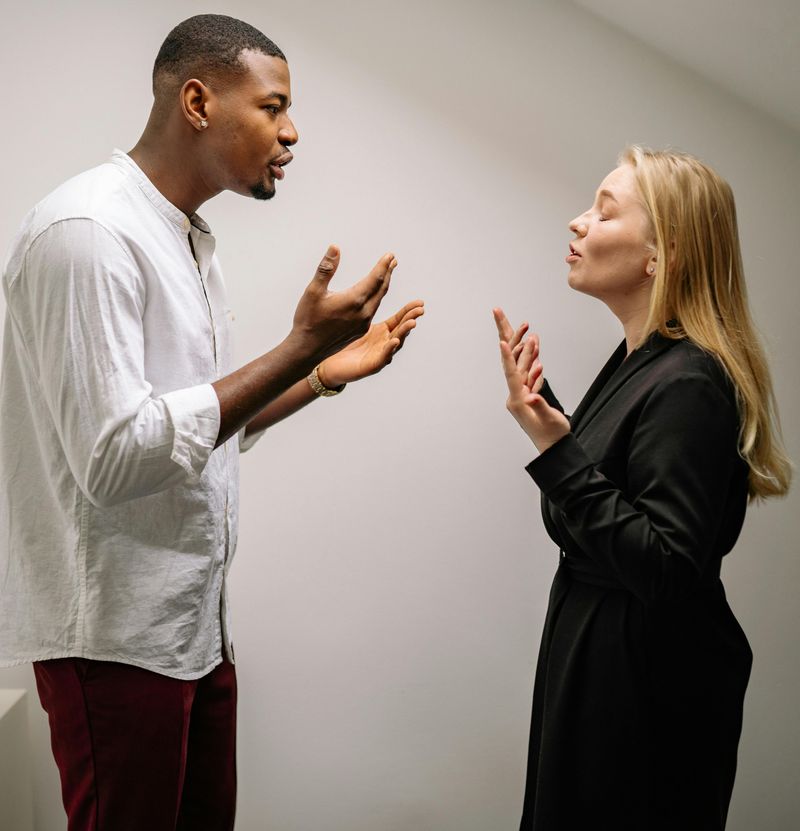
When every mistake becomes part of a running tally, love starts to feel like a competition instead of a partnership.
You may think scorekeeping protects fairness, but it usually creates resentment and emotional distance.
Healthy couples address issues directly without collecting evidence for future arguments.
Before marriage, practice resolving one problem at a time and letting repaired moments stay repaired.
If something still hurts, bring it up clearly instead of saving it as ammunition.
Lasting commitment works better when both people feel safe being imperfect, not constantly judged by an invisible scoreboard.
2. Avoiding hard conversations

Dodging difficult topics can feel peaceful in the moment, but silence often grows into confusion, assumptions, and bigger fights later.
Marriage asks for honesty about money, family, expectations, intimacy, and personal needs.
If you avoid discomfort now, you risk building commitment on unspoken tension.
Start getting comfortable with respectful truth, even when your voice shakes a little.
You do not need perfect words, just a willingness to stay present and curious.
Strong marriages are not built by people who never struggle, but by people who learn how to talk through struggle before it hardens.
3. Expecting mind reading
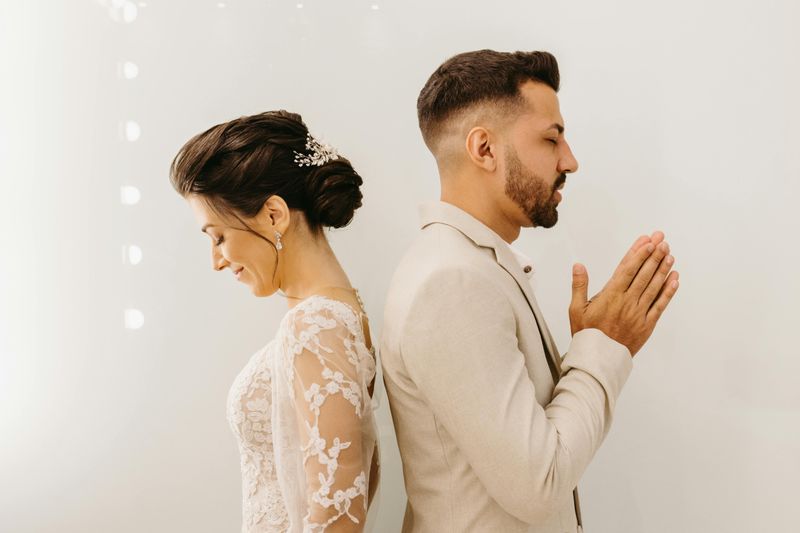
Expecting your partner to automatically know what you feel, need, or mean sets both of you up for disappointment.
Love is not telepathy, and closeness does not erase the need for clear communication.
Unspoken expectations often become unfair tests that your partner does not even know they are taking.
Before marriage, practice saying what matters plainly and kindly.
Ask for support, explain your feelings, and clarify your hopes instead of waiting to be guessed correctly.
The strongest relationships are not built on magical intuition, but on consistent honesty that helps both people feel understood rather than trapped.
4. Letting jealousy lead

Jealousy can show up as checking phones, questioning harmless interactions, or creating rules that feel more controlling than caring.
While insecurity is human, letting it guide your behavior slowly damages trust and independence.
Marriage needs room for honesty, not constant surveillance disguised as devotion.
If jealousy keeps appearing, get curious about the fear underneath it.
Work on self-worth, set healthy boundaries, and talk openly about reassurance without trying to control your partner’s life.
A secure marriage grows when both people feel trusted and respected, not when one person is constantly proving loyalty under pressure.
5. Refusing to apologize

Being wrong does not make you weak, but refusing to admit it can make your relationship fragile.
Defensiveness turns small hurts into lasting wounds because it tells your partner their pain matters less than your pride.
Marriage cannot thrive when accountability is always delayed, denied, or redirected.
A meaningful apology is more than saying sorry to end the conversation.
It names the hurt, accepts responsibility, and shows willingness to change the pattern.
Before getting married, learn how to repair after mistakes with humility and consistency, because trust deepens when both people know conflict can lead to growth instead of emotional dead ends.
6. Trying to win every argument

If every disagreement feels like a battle to win, intimacy eventually becomes collateral damage.
You may prove a point, but your partner can still walk away feeling unheard, cornered, or emotionally alone.
Marriage works best when both people aim for understanding, not domination.
Shift your focus from being right to being effective together.
That means listening fully, asking better questions, and caring about the impact of your words as much as the logic behind them.
Before marriage, learn to approach conflict like teammates solving a problem, because a relationship where someone always wins usually leaves both people losing.
7. Hiding financial habits

Money secrets can quietly damage trust long before any wedding plans become real life.
Overspending, hidden debt, secret accounts, or vague answers about finances create uncertainty that can follow a marriage for years.
Financial honesty is not about judgment, but about building a shared reality you can both navigate.
Before getting married, talk openly about income, debt, spending habits, savings goals, and financial fears.
You do not need identical styles, but you do need transparency and a plan.
Strong marriages are steadier when money conversations happen early, clearly, and often, instead of surfacing only after stress exposes what was hidden.
8. Keeping one foot out the door

When you stay emotionally half committed, your relationship never gets the security it needs to fully deepen.
This can look like constant breakup threats, testing your partner’s loyalty, or avoiding future plans so you feel less vulnerable.
Marriage requires steadiness, not one person always preparing an escape route.
Commitment does not mean ignoring problems, but it does mean showing up with honest intention.
If fear of closeness keeps you detached, deal with that before promising forever.
A healthy marriage needs two people who are willing to work, stay, and engage sincerely, not someone who disappears emotionally whenever things feel uncertain.
9. Letting families control the relationship

Family opinions can be helpful, but your relationship cannot survive if outside voices always have the final say.
When parents, siblings, or friends regularly influence major decisions, your bond struggles to form its own identity.
Marriage asks you to build a new team, not remain permanently managed by old dynamics.
Before getting married, practice setting respectful boundaries and making decisions together.
You can honor your loved ones without handing them control over your home, values, or conflicts.
The goal is not isolation, but unity, where both of you feel protected by each other rather than exposed to constant outside pressure and interference.
10. Ignoring personal growth

Marriage is not a substitute for personal healing, maturity, or self-awareness.
If you expect commitment to fix your unresolved patterns, those same issues usually show up more intensely once life gets stressful.
A healthy partnership grows stronger when each person takes responsibility for their own development.
That might mean going to therapy, learning emotional regulation, unpacking past wounds, or simply becoming more honest with yourself.
You do not need to be perfect before marriage, but you do need to be willing to grow.
Your future relationship benefits when you stop outsourcing inner work and start doing it with courage now.
11. Using passive-aggressive behavior

Passive-aggressive habits like sarcasm, cold silence, backhanded comments, or hidden resentment make relationships exhausting to navigate.
Instead of addressing the real issue, they force your partner to decode moods and mixed signals.
Over time, this creates anxiety, confusion, and a sense that honesty is never fully safe.
Before marriage, practice naming your feelings directly and calmly, even when you are frustrated.
Clear communication may feel more vulnerable, but it is far kinder than making your partner guess what they did wrong.
A strong marriage needs emotional clarity, because indirect hostility slowly poisons connection while pretending nothing is wrong.
12. Neglecting boundaries

Love does not erase the need for boundaries.
Without them, resentment grows when time, privacy, emotional energy, or physical comfort are repeatedly crossed and never discussed.
Many people confuse closeness with constant access, but marriage is healthier when both partners respect each other’s limits.
Good boundaries are not walls meant to punish someone.
They are clear guidelines that protect trust, dignity, and emotional safety for both of you.
Before getting married, learn how to express limits without guilt and receive your partner’s limits without offense, because mutual respect creates more intimacy than overstepping ever will.
13. Comparing your relationship to others

Constantly measuring your relationship against friends, family, or social media couples can steal joy from what is actually good and real.
Comparison makes normal differences feel like failures and often pushes unrealistic expectations into your partnership.
Marriage needs honesty about your unique rhythm, not pressure to copy someone else’s highlight reel.
Instead of asking whether your relationship looks impressive, ask whether it feels healthy, respectful, and honest.
Focus on shared values, not public appearances or curated milestones.
Before marriage, let go of the urge to perform love and start appreciating the quieter qualities that actually help two people build a durable life together.
14. Treating love like enough

Love matters deeply, but love by itself does not automatically create communication, trust, patience, or shared responsibility.
Many couples assume strong feelings will carry them through anything, only to discover that lasting partnership also needs skill and intention.
Marriage is built through habits, choices, and everyday care.
Before getting married, take an honest look at how you handle stress, conflict, money, intimacy, and future plans together.
Chemistry is valuable, but character and consistency keep a relationship steady when life gets hard.
The strongest marriages are not powered by love alone, but by love supported with maturity, effort, and practical wisdom.
Comments
Loading…