
 Isabel Parker
14 Things People Notice About You Within Seconds

First impressions form faster than most people realize—often within just a few seconds. Before you’ve had a chance to explain who you are, others are already picking up on subtle cues that shape how they perceive you. From your body language to your tone of voice, these immediate signals can leave a lasting impact. Understanding what stands out in those first moments can help you present yourself more intentionally. Here are 14 things people tend to notice about you almost instantly.
1. Your posture and body language

Standing tall with shoulders back signals confidence, while slouching suggests insecurity or fatigue.
People unconsciously read your body position to gauge your mood, status, and even trustworthiness.
The way you move through space tells a story – fidgeting might indicate nervousness, while relaxed, open gestures suggest comfort and honesty.
Even how you position yourself in relation to others reveals volumes about your social confidence.
Try practicing power poses before important meetings.
Just two minutes in a confident stance can actually change your hormone levels and help you feel more self-assured.
Your body speaks a language all its own, and others are listening carefully.
2. Your facial expression

A genuine smile reaches your eyes, creating those little crinkles that signal authentic happiness.
Research shows smiling is contagious, triggering similar responses in others and instantly boosting your likability factor.
Furrowed brows, pursed lips, or a blank stare might unintentionally send messages of disapproval, stress, or disinterest.
Most people make snap judgments about your approachability based primarily on your facial expression.
Interestingly, we read faces so automatically that we often form impressions without conscious awareness.
The muscles around your eyes and mouth constantly broadcast your emotions, even when you’re trying to hide them.
Practicing awareness of your resting expression can help you avoid unintended negative signals.
3. Your clothing and overall style

Your clothing colors say a lot about you.
Red projects passion and confidence, blue radiates calm and reliability.
These choices give people clues about who you are and how you want to be seen.
The fit matters more than the price tag.
Well-tailored, appropriate clothing signals competence regardless of brand names.
People quickly notice if your style matches the context or stands out in either positive or negative ways.
Small details like scuffed shoes, wrinkled shirts, or mismatched socks rarely escape notice.
These subtle cues can undermine an otherwise polished appearance.
Your style is a form of nonverbal communication that speaks volumes about how you see yourself and want others to see you.
4. Your grooming and personal hygiene

Clean, well-maintained hair signals self-respect and attention to detail.
Studies show that grooming habits strongly influence how competent and professional others perceive you to be, often outweighing other physical attributes.
Nails, skin, and teeth receive particular scrutiny in close interactions.
Fresh breath and clean hands create comfort, while their opposites can create lasting negative impressions regardless of your other qualities.
Men with facial hair are judged differently depending on the style – stubble often reads as casual or creative, while neatly trimmed beards suggest maturity.
For everyone, natural-looking makeup or a clean-shaven face appears more approachable in professional settings.
These grooming choices silently communicate your standards and respect for social interactions.
5. Your eye contact

When you hold someone’s gaze just right, it builds trust.
Avoiding eye contact too much might suggest insecurity.
Confidence is all about balance in where and how long you look.
Cultural differences matter tremendously with eye contact.
In Western cultures, direct eye contact typically signals honesty and engagement, while in some Asian and Middle Eastern contexts, prolonged eye contact may be considered disrespectful or aggressive.
Pupil dilation happens automatically when we see something interesting or attractive, and others subconsciously notice this physiological response.
Studies show we trust people more when they maintain appropriate eye contact during conversation.
This simple connection between eyes creates powerful bonds of understanding that words alone cannot achieve.
6. Your tone of voice

How you sound influences how people perceive you.
Lower pitches often give off confidence and power, while higher pitches may seem more open—or a bit uneasy.
Speed matters too – speaking too quickly suggests nervousness, while a measured pace signals thoughtfulness.
Volume sends equally important signals, with appropriate loudness demonstrating confidence without seeming aggressive.
Vocal variety keeps listeners engaged.
Monotone delivery, regardless of content, makes speakers seem boring or disinterested.
The musicality in your speech – those natural rises and falls in pitch – reveals your emotional state and enthusiasm.
People respond more to how you say something than what you actually say, making voice tone one of your most powerful tools for connection.
7. Your handshake (if given)
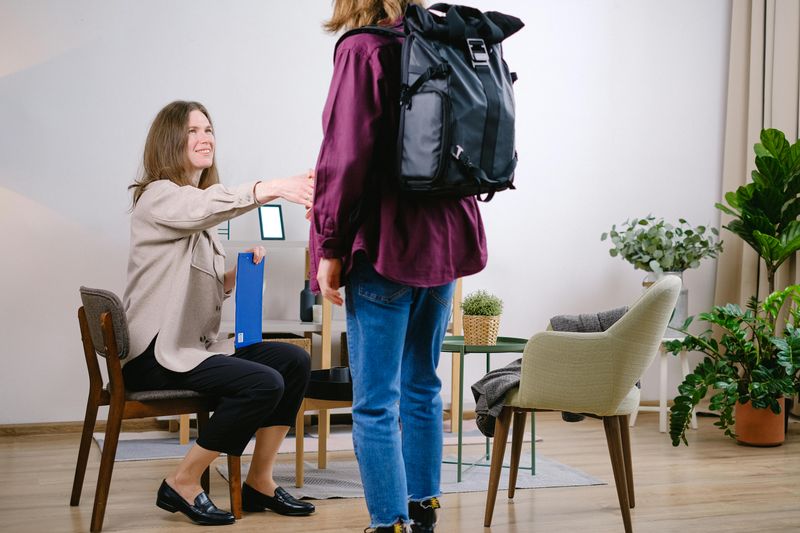
Your handshake says a lot before you even speak.
A weak grip can seem unsure, while a crushing one feels aggressive.
The best handshake is firm, comfortable, and lasts a couple of seconds—with eye contact to match.
Sweaty palms happen to everyone when nervous, but they can leave a lasting impression.
Discreetly wiping your hand before shaking can prevent this common issue.
Temperature matters too – unusually cold hands can be startling, while warm hands generally create comfort.
Cultural awareness matters tremendously with handshakes.
In some countries, a lighter touch is preferred, while in others, handshakes aren’t customary at all.
Your willingness to adapt to different greeting styles demonstrates social intelligence.
This brief physical connection often forms the foundation of new professional relationships.
8. Your energy level and presence

There’s something magnetic about genuine enthusiasm.
Enter a room with positive energy, and people naturally gravitate toward you.
Appear disconnected, and you risk shutting them out.
Physical vitality signals health and competence.
Standing tall, moving decisively, and maintaining alertness all contribute to an impression of capability.
Your energy level acts as a social cue that helps others decide whether interacting with you will be rewarding or draining.
The ability to be fully present in conversations makes people feel valued.
Checking your phone, looking around the room, or seeming distracted all diminish your presence.
When you give someone your complete attention, they’re likely to remember that quality long after forgetting what you actually discussed.
This focused energy creates meaningful connections that superficial interactions cannot.
9. Your attentiveness and focus

To build trust quickly, practice active listening.
Nodding, steady eye contact, and meaningful replies all signal that you’re fully present and engaged.
Distractions damage impressions quickly.
Glancing at your phone, looking past someone while they speak, or interrupting frequently all suggest self-importance rather than genuine interest in others.
People remember how attentive you were far more than the specific words exchanged.
Asking thoughtful questions demonstrates both intelligence and interest.
The quality of your questions reveals your listening skills and curiosity.
When meeting someone new, your ability to focus completely on them rather than waiting for your turn to speak creates an impression of emotional intelligence and social grace that few other qualities can match.
10. Your choice of words in the first sentence
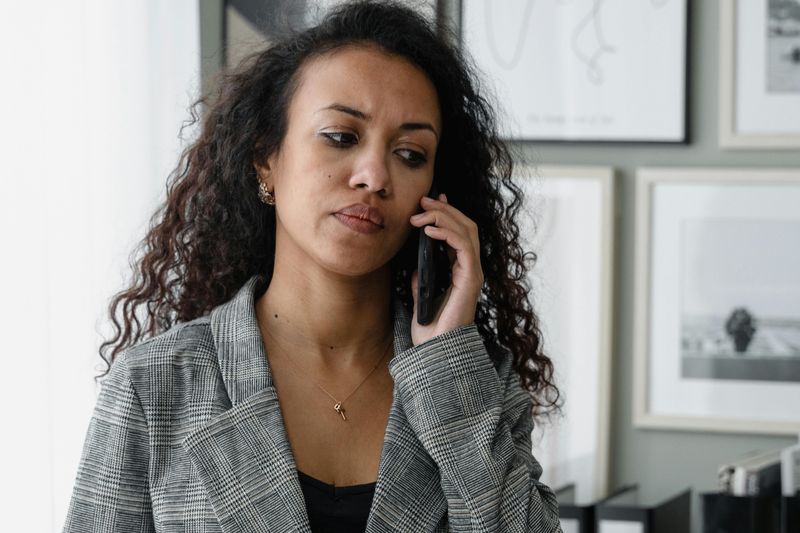
Vocabulary reveals education level and social background within seconds.
Using overly complex words can seem pretentious, while extremely casual language might appear unprofessional in certain contexts.
Filler words like “um” and “like” create impressions of nervousness or uncertainty when overused.
Starting strong with clear, confident phrasing sets a positive tone for the entire interaction.
People unconsciously count these verbal habits even when they’re not aware they’re doing it.
Opening with genuine questions shows interest in others.
Beginning conversations by asking about the other person, rather than talking about yourself, creates immediate rapport.
Those first few words establish whether you’re someone who takes up all the oxygen in a room or someone who creates space for meaningful exchange.
11. Your scent (perfume, cologne, or natural)

Think of scent as a silent signature—when it’s just right, it’s unforgettable.
But go overboard, and you risk leaving a mark people want to forget.
Body odor sends immediate signals about hygiene habits.
Even when dressed impeccably, natural odors can undermine positive impressions.
Fresh, clean scents generally create positive associations across most cultures and contexts.
Scent preferences vary tremendously between individuals and cultures.
What smells appealing to one person might be off-putting to another.
Our olfactory sense connects directly to the brain’s emotional centers, making scent one of the most primal ways we judge others.
This invisible aspect of your presence lingers in people’s memory long after visual impressions fade.
12. Your level of confidence

Authentic confidence attracts others naturally.
Walking with purpose, speaking clearly, and making appropriate eye contact all signal self-assurance without words.
People instinctively trust those who appear comfortable in their own skin.
Nervous habits broadcast insecurity loudly.
Fidgeting, avoiding eye contact, or speaking too softly all suggest discomfort that others can sense immediately.
The balance between confidence and arrogance is delicate – true confidence doesn’t need to dominate or impress.
Body language reveals your inner state regardless of your words.
Standing tall with relaxed shoulders, using deliberate gestures, and claiming appropriate physical space all demonstrate quiet confidence.
Remarkably, research shows that practicing confident behaviors actually creates genuine confidence over time, making this one quality you can authentically develop.
13. Your smile

Your smile is one of the fastest signals people read, and it instantly shapes how approachable you seem.
A genuine smile can make you look warm, open, and easy to trust before you say much at all.
On the other hand, a forced or absent smile may create distance, even if you do not mean it that way.
People notice whether your smile reaches your eyes and feels natural in the moment.
You do not need a perfect grin to make a strong impression.
You just need a relaxed expression that helps others feel comfortable around you right away.
14. Your pace and movement

The way you move says a lot before you ever speak.
People quickly notice whether your pace feels rushed, steady, awkward, or relaxed, and they often attach personality traits to it without realizing it.
Even the way you enter a room can suggest calm confidence, nervous energy, or hesitation.
If you want to make a stronger first impression, pay attention to how you carry yourself from point A to point B.
Slowing down slightly, moving with purpose, and avoiding fidgety motions can instantly make you seem more grounded.
It is a subtle detail, but it shapes how others read you right away.
Comments
Loading…