
 Mary Murphy
11 Reasons Social Circles Often Shrink as People Grow Older
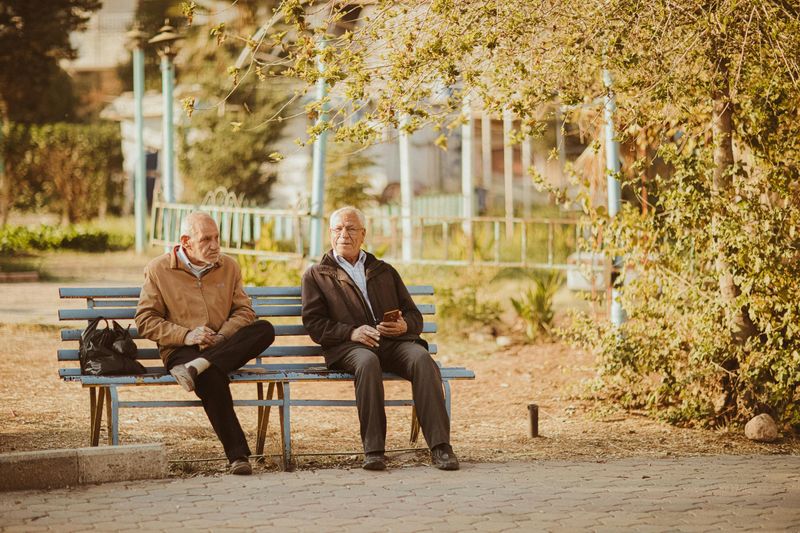
Making friends feels easy when you’re young.
Classrooms, playgrounds, and neighborhood gatherings naturally bring people together.
But as the years pass, something curious happens – many adults find their circle of friends getting smaller and smaller.
Understanding why this happens can help you stay connected to the people who matter most.
1. Career Demands Take Over Daily Life

Work becomes the center of everything for most adults.
Between meetings, deadlines, and trying to climb the career ladder, there’s barely time to breathe.
Many people spend more hours at their jobs than they do awake at home.
When Friday night arrives, exhaustion wins over social plans.
The energy needed to meet friends for dinner or attend gatherings just isn’t there anymore.
Sleep and rest become more valuable than catching up with old buddies.
Eventually, coworkers become the main social circle by default.
But workplace friendships often fade quickly once someone changes jobs or retires, leaving gaps that are hard to fill.
2. Family Responsibilities Multiply Rapidly

Kids change everything about your social calendar.
Soccer practice, piano lessons, school projects, and bedtime routines eat up evenings and weekends.
Parents often joke that their social life died the day their first child was born.
Caring for aging parents adds another layer of responsibility.
Doctor appointments, grocery shopping, and helping with daily tasks leave little room for personal time.
You’re pulled in multiple directions constantly.
Friends without children or elder care duties can’t always relate to these challenges.
Plans get canceled repeatedly until people stop inviting you altogether, even though you desperately want to stay connected.
3. Geographic Distance Separates Close Friends

Remember when all your best friends lived within walking distance?
Those days vanish quickly after high school or college ends.
People scatter across different cities, states, or even countries chasing education and career opportunities.
Long-distance friendships require serious effort to maintain.
Phone calls and video chats help, but they can’t replace grabbing coffee together or showing up when someone needs a hug.
The physical gap creates an emotional one too.
Visiting becomes expensive and complicated with busy schedules.
What used to be spontaneous hangouts now requires booking flights months ahead, making friendships feel more like obligations than natural connections.
4. Energy Levels Decline With Each Passing Year

Your body doesn’t bounce back like it used to.
Late nights that once felt exciting now leave you wrecked for days.
The thought of getting dressed up and driving across town after a long workday sounds more exhausting than fun.
Social activities that seemed effortless before now require mental preparation.
Even enjoyable gatherings can feel draining when you’re already running on empty.
Your battery depletes faster and recharges slower.
Staying home in comfortable clothes starts winning over social invitations.
It’s not that you love your friends less – you just need rest more than ever before to function properly.
5. Prioritizing Quality Connections Over Quantity

Something shifts in your perspective as you mature.
Having fifty casual acquaintances loses its appeal compared to having five truly deep friendships.
You realize that not all relationships deserve the same amount of your limited time and energy.
Surface-level conversations start feeling like a waste of precious moments.
You crave meaningful discussions about real struggles, dreams, and experiences rather than small talk about weather or trending topics.
Authenticity becomes non-negotiable.
This natural filtering process shrinks your circle, but the friendships that remain grow stronger and more satisfying.
You’d rather have one friend who truly gets you than ten who barely scratch the surface.
6. Different Life Stages Create Invisible Walls

You’re single while everyone else discusses diaper brands and mortgage rates.
Or you’re married with kids while your friends plan backpacking trips across Europe.
These differences create gaps that feel impossible to bridge.
Common ground disappears when life circumstances diverge dramatically.
Conversations become harder because your daily realities look nothing alike anymore.
What excites one person bores another completely.
Nobody’s at fault, but the disconnect feels real and uncomfortable.
Friendships naturally drift when you can’t relate to each other’s current chapters, even if you shared wonderful memories in previous ones.
7. Shared Activities and Interests Fade Away

You bonded over weekly basketball games, book clubs, or band practice.
But then someone’s knee gives out, schedules conflict, or interests simply evolve in different directions.
The glue holding friendships together dissolves gradually.
Finding new shared activities as an adult proves surprisingly difficult.
Everyone’s already set in their routines and hobbies.
Convincing friends to try something new together requires coordination that feels almost impossible.
Without regular activities bringing you together naturally, friendships require deliberate effort.
Many people lack the motivation or organizational skills to plan gatherings from scratch repeatedly, so connections quietly fade into memory.
8. Social Anxiety Intensifies Over Time

Getting older sometimes brings unexpected self-consciousness.
You worry about saying the wrong thing, looking awkward, or not fitting in like you used to.
These fears weren’t there when you were younger and carefree.
Past social mishaps replay in your mind like embarrassing highlight reels.
Each awkward interaction makes the next gathering feel more intimidating.
Avoidance becomes easier than facing potential discomfort.
The longer you isolate yourself, the harder re-entering social situations becomes.
It’s a vicious cycle where anxiety feeds itself, and your comfort zone shrinks until leaving home for social reasons feels genuinely frightening.
9. Digital Communication Replaces Real Interaction

Scrolling through someone’s vacation photos feels like keeping in touch, but does it really count?
Technology tricks us into thinking we’re connected when we’re actually more isolated than ever.
Liking a post isn’t the same as having a real conversation.
Texting and messaging make it easy to maintain surface-level contact without deeper engagement.
Quick emoji responses replace meaningful phone calls.
You know what everyone ate for lunch but not how they’re truly feeling inside.
This digital illusion of friendship satisfies just enough that we don’t pursue genuine face-to-face time.
Before you realize it, months pass without actually seeing people you supposedly care about.
10. Loss and Health Issues Take Their Toll

Growing older means facing painful realities.
Friends pass away from illness or accidents, leaving holes that can never be filled.
Each loss makes the circle smaller and reminds you how fragile life truly is.
Health problems limit social participation too.
Chronic pain, mobility issues, or serious illnesses make attending gatherings physically impossible.
You want to show up, but your body won’t cooperate anymore.
Watching friends struggle with their own health challenges is emotionally draining.
Sometimes relationships shift when caregiving becomes necessary, changing the dynamic from friendship to something harder and less balanced than before.
11. Comfort Zones Become Increasingly Smaller

Your favorite chair, familiar routines, and predictable evenings create a cozy bubble.
Venturing outside this bubble requires effort that feels less worthwhile as you age.
Why deal with traffic, crowds, and unpredictability when home feels perfect?
New experiences and unfamiliar social settings lose their appeal.
You know what you like, and trying new things with new people seems unnecessarily stressful.
Habit becomes a warm blanket you’re reluctant to leave behind.
This preference for familiarity gradually isolates you from potential new friendships and experiences.
Your world shrinks to a safe, comfortable size where everything is known and controllable, but also potentially lonely.
Comments
Loading…