
 Hailey Watson
11 Common Habits Men Find Unattractive in Women Over 40

Getting older brings wisdom, confidence, and a clearer sense of who you are — but it can also bring habits that quietly push people away.
Whether you’re dating again after years away or simply want to strengthen an existing bond, understanding what makes a relationship feel heavy versus light is genuinely useful.
Some patterns we develop over time can create invisible walls without us even realizing it.
Recognizing these habits is the first step toward building the kind of connection that truly thrives.
1. Chronic Negativity
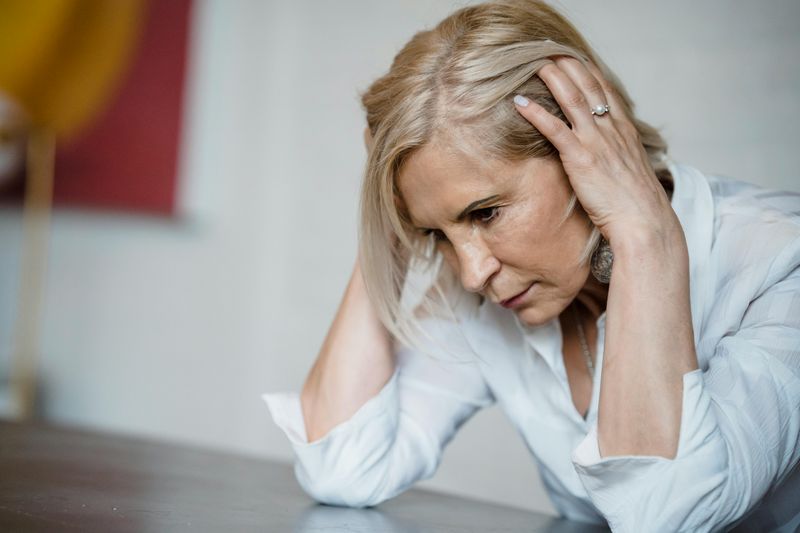
Ever spend time with someone who always finds the dark cloud in every silver lining?
Chronic negativity — whether it’s constant complaining about work, people, or life in general — drains the energy right out of a relationship.
Men often describe this as emotionally exhausting.
When every conversation tilts toward what’s wrong rather than what’s good, it becomes hard to enjoy simply being together.
Shifting perspective takes practice, but even small efforts to acknowledge the positive can transform the mood of an interaction.
Choosing optimism, even imperfectly, signals emotional maturity and makes you far more magnetic to be around.
2. Emotional Unavailability
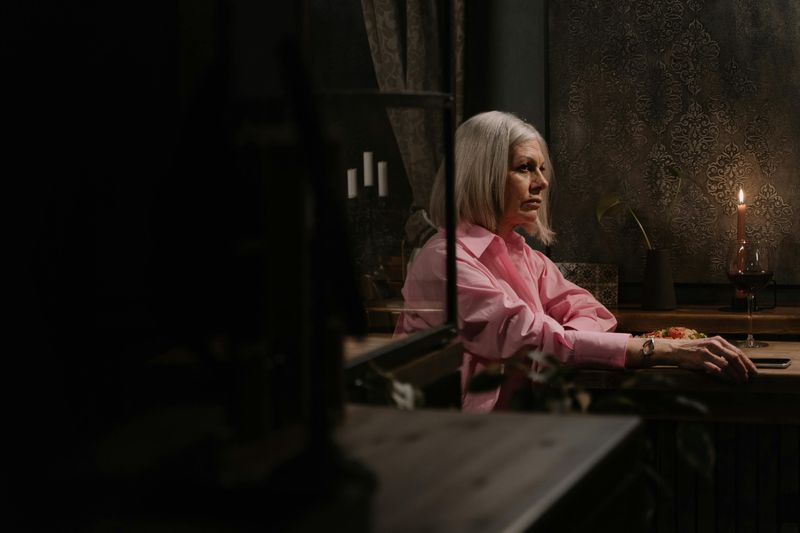
Vulnerability is not a weakness — it’s actually one of the most attractive qualities a person can offer in a relationship.
Yet many women over 40 have built such strong emotional walls that letting someone truly in feels almost impossible.
Past hurts have a way of teaching us to protect ourselves, and that makes sense.
But when self-protection becomes a permanent shield, it blocks the very connection both people are seeking.
Men want to feel like they matter to you.
Opening up gradually, sharing feelings honestly, and allowing space for real intimacy can completely change the dynamic of a budding relationship.
3. Holding Onto Past Baggage

Unresolved wounds from old relationships are like carrying a heavy backpack into every new adventure — they slow you down and wear you out before you even begin.
When past baggage goes unaddressed, it tends to show up uninvited: in suspicion, overreaction, or unfair comparisons between a new partner and an old one.
Most men can sense when they’re being judged through the lens of someone else’s mistakes.
Healing isn’t about forgetting what happened — it’s about choosing not to let it run the show anymore.
Working through old pain, whether through therapy or honest self-reflection, creates space for something genuinely fresh to grow.
4. Overly Critical Attitude

Nobody thrives under a constant spotlight of criticism.
When a woman regularly points out a partner’s flaws — his clothes, his habits, his choices — it slowly chips away at his confidence and his desire to stay close.
Criticism often comes from a place of high standards or past disappointment, which is understandable.
But there’s a big difference between expressing a need and making someone feel like they never measure up.
Replacing criticism with curiosity or kind honesty creates a much healthier dynamic.
Saying “I’d love it if…” instead of “You always…” is a small shift that makes a surprisingly large difference in how love actually feels day to day.
5. Using Independence as Armor
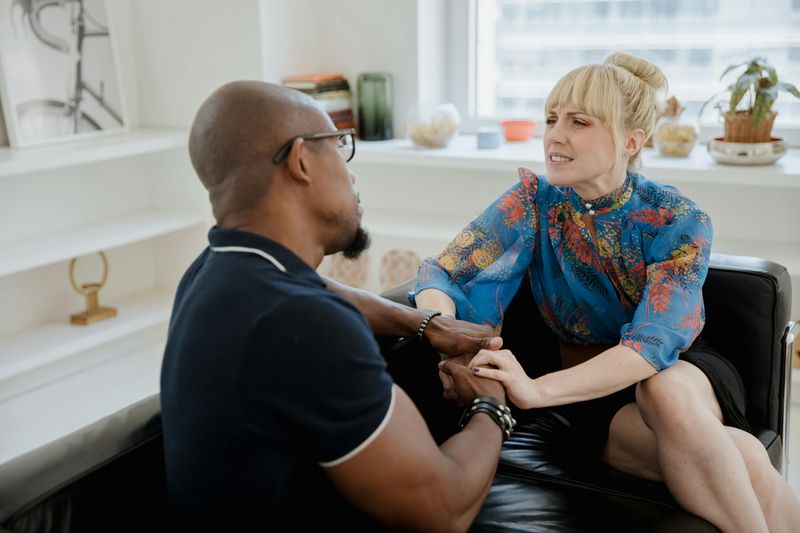
Independence is genuinely attractive — but there’s a version of it that quietly says, “I don’t need you, and I never will.” That kind of rigid self-sufficiency can feel more like a wall than a strength.
Many women over 40 have spent years figuring things out on their own, and that’s admirable.
The challenge comes when accepting help or showing reliance feels threatening rather than simply human.
Real partnership involves two people leaning on each other from time to time.
Letting someone contribute — whether it’s carrying groceries or offering emotional support — signals trust, and trust is the foundation every lasting relationship is built upon.
6. Lack of Self-Care or Effort

Self-care isn’t about chasing youth or fitting a magazine standard — it’s about showing up for yourself and, by extension, for the people in your life.
When effort toward personal well-being noticeably drops off, it can signal low confidence or a sense of disconnection.
Men are visual and emotional beings.
They notice when a partner takes pride in how she feels and presents herself, not because looks are everything, but because effort communicates self-respect.
Even simple routines — staying active, dressing intentionally, prioritizing sleep — send a quiet but powerful message.
Taking care of yourself says you value your own life, and that energy is genuinely contagious and deeply attractive to others.
7. Talking Excessively About the Past

Stories from the past can be charming — they reveal who you are and where you’ve been.
But when every conversation circles back to old memories, former relationships, or the “good old days,” it sends a message that you’re not fully present in the here and now.
Men who are genuinely interested in building something want to feel like they’re part of your present, not a footnote to your history.
Constant backward glancing can make them feel like they’re competing with a version of your life they can never be part of.
Staying curious about what’s ahead — new experiences, shared goals, fresh adventures — is what keeps a relationship feeling alive and worth investing in.
8. Being Overly Controlling

Control has a sneaky way of disguising itself as helpfulness or high standards.
But when one person consistently decides how things should go — where to eat, how to spend weekends, what the right answer always is — the other person begins to feel more like a passenger than a partner.
This pattern often stems from anxiety or a need for predictability, especially after a chaotic past relationship.
Still, it tends to push people away rather than create the security it’s seeking.
Sharing decision-making, staying flexible, and genuinely valuing another person’s input builds mutual respect.
A relationship where both people feel heard is one where both people actually want to stay.
9. Rigid Mindset or Resistance to Change

There’s a certain comfort in knowing exactly who you are and what you want by the time you hit 40.
But when that certainty becomes inflexibility, it can quietly stall a relationship’s growth before it even gets started.
A rigid mindset — refusing to try new things, dismissing different perspectives, or insisting your way is always right — can make a partner feel like their presence doesn’t actually matter.
Growth, after all, is something that happens together.
Staying open to new ideas, new routines, or even small compromises keeps a relationship dynamic and interesting.
Adaptability isn’t a sign of weakness — it’s one of the clearest signs of genuine emotional intelligence and maturity.
10. Playing Emotional Games
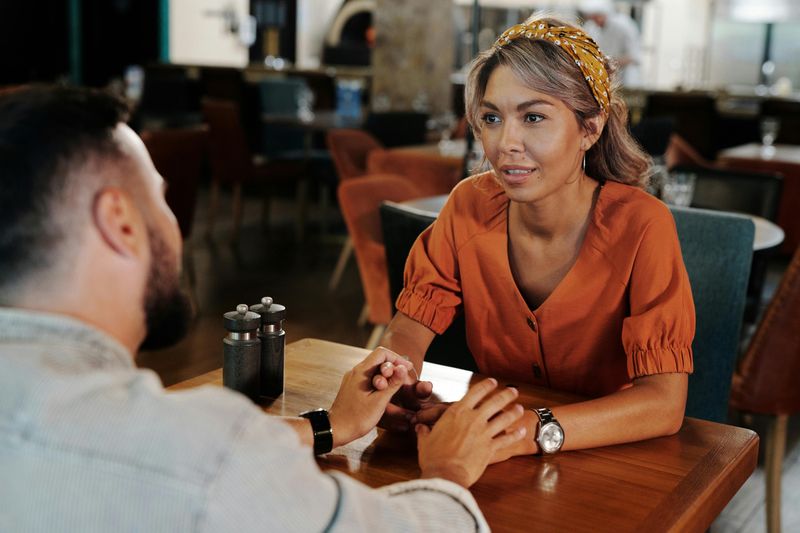
Testing a partner to see if he’ll chase you, going cold without explanation, or creating drama to gauge his reaction — these tactics might feel like protection, but they almost always backfire.
Most emotionally healthy men recognize game-playing quickly and step back from it just as fast.
Emotional games usually come from fear: fear of being hurt, fear of being too available, fear of caring more than the other person.
Those fears are real and valid.
But the way to address them is through honest conversation, not strategy.
Straightforward communication — even when it feels scary — builds far more trust than any test ever could.
Authenticity wins every time.
11. Constant Comparison to Others

Comparing yourself to younger women — or to anyone else, for that matter — is a habit that quietly signals insecurity, and insecurity has a way of dimming even the most attractive qualities a person has.
There’s an undeniable appeal to a woman who knows her worth without needing to measure it against someone else’s yardstick.
Confidence that comes from self-awareness, not competition, is one of the most genuinely magnetic traits a person can carry into a relationship.
You bring things to the table that no one else can — experience, depth, perspective, and a hard-earned sense of self.
Owning that, fully and unapologetically, is far more attractive than any comparison could ever be.
Comments
Loading…