
 Chloe Peterson
10 Things a Man Should Never Ask His Partner to Pay For (Ever)

Money talks can be tough in any relationship, but some expenses should never be your partner’s responsibility.
Knowing where to draw the line helps build respect and fairness in your partnership.
A healthy relationship means both people handle their own personal responsibilities instead of passing them off to each other.
Let’s explore ten expenses that should always stay in your own hands, no matter how comfortable you are together.
1. Your Speeding Tickets and Traffic Fines

Traffic violations happen because of your choices behind the wheel.
Whether you were running late, distracted, or just not paying attention, those tickets are yours alone to handle.
These fines represent consequences for breaking rules you knew existed.
Expecting your partner to bail you out sends the wrong message about accountability.
It suggests you don’t take responsibility for your mistakes or poor decisions.
Plus, repeated traffic violations might indicate bigger issues with decision-making or respect for laws.
Your partner signed up to be with you, not to clean up after preventable problems you created on the road.
2. Your Child Support or Alimony Payments

Legal obligations from past relationships belong solely to you.
Child support and alimony exist because of choices and commitments you made before meeting your current partner.
Asking someone new to cover these costs crosses a major boundary.
Your partner didn’t create these responsibilities, so they shouldn’t carry the financial weight of them.
These payments support your children or former spouse who depend on your contributions.
Handling them yourself shows maturity and accountability.
When you take care of your own legal duties, you demonstrate the kind of reliable character that makes relationships stronger and builds real trust.
3. Personal Debt from Before the Relationship

That credit card you maxed out in college?
Those student loans you took before you met?
Old debt tells the story of your past financial decisions.
Bringing someone into your money problems from years ago isn’t fair to them.
They weren’t there when you made those purchases or signed those loan papers.
Paying off what you owe teaches valuable lessons about money management and self-reliance.
Working through your own debt also prepares you to be a better financial partner in the future.
Nobody wants to start a relationship already owing someone money for mistakes they had nothing to do with.
4. Your Hobbies and Gaming Habits

Do you love gaming, collecting sneakers, or hitting the golf course every weekend?
Fantastic!
But your entertainment choices should come from your own wallet.
Hobbies bring joy to your life, and that’s important.
However, asking your partner to fund your personal fun time sends the wrong message.
It suggests you value your leisure more than contributing fairly to the relationship.
When you budget for your own interests, you can enjoy them guilt-free.
Plus, your partner will appreciate that you respect the money they work hard to earn.
Everyone deserves their own spending money for things that make them happy.
5. Car Payments and Repairs
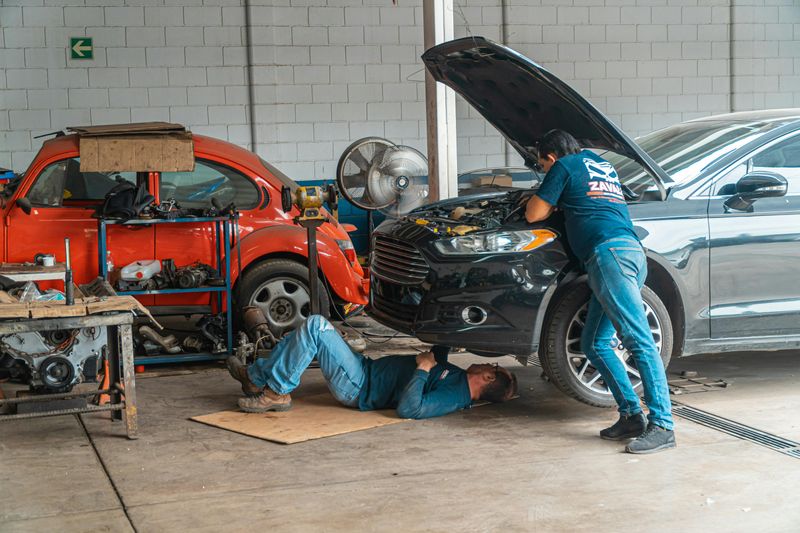
Your wheels, your bills.
Cars cost money to buy, maintain, and keep running safely on the road.
If the vehicle has your name on the title, the expenses should have your name on the checks too.
Sure, couples often share transportation, but that doesn’t automatically make car costs a joint expense.
Whether you need new tires, an oil change, or a monthly payment, these are personal responsibility items.
Taking care of your own ride shows independence and planning skills.
It proves you can manage adult responsibilities without shifting them onto someone else’s shoulders or their bank account.
6. Work Clothes and Professional Development

Building your career requires the right tools, including appropriate clothing and training opportunities.
These investments benefit your professional growth and future earning potential directly.
Your job requires you to look presentable or learn new skills, not your partner.
Conference fees, work suits, safety boots, or certification courses advance YOUR career path.
They help YOU move forward in the workplace and earn promotions.
Covering these expenses yourself demonstrates that you take your professional life seriously.
When those investments pay off with better jobs or raises, you’ll feel proud knowing you earned it through your own effort and money.
7. Boys Night Out Expenses

Planning a night out with your buddies?
Awesome!
Friendship time is important for everyone.
But when the check comes at the bar or restaurant, your card should be the one hitting the table.
Your social life with friends is separate from your relationship responsibilities.
Dinner, drinks, concert tickets, or whatever fun you have planned should come from your personal spending money.
Paying your own way respects the boundary between couple time and friend time.
It shows your partner that you value both relationships appropriately.
Besides, your friends probably wouldn’t appreciate knowing someone else funded your fun night with them anyway.
8. Your Ex-Partner’s Expenses or Emergencies

Former relationships sometimes create lingering complications.
Maybe your ex needs help with something.
Maybe there’s an emergency involving shared friends.
Whatever the situation, your current partner shouldn’t be financing it.
Paying for anything related to a past relationship with someone else’s money creates weird dynamics and uncomfortable feelings.
Your partner has every right to feel bothered by this arrangement.
If you genuinely need to help a former partner for legitimate reasons, use your own resources.
This keeps boundaries clear and prevents your current relationship from getting tangled up in past connections that should stay in the past where they belong.
9. Your Parents or Family Member Bills

Family matters can get complicated, especially when money enters the picture.
Helping your parents or siblings through tough times shows love and loyalty, which are admirable qualities.
But here’s the thing: they’re YOUR family, not your partner’s financial responsibility.
If mom needs help with rent or your brother needs car repair money, that’s a personal decision you make with your own funds.
Your partner might choose to help your family because they care about you, and that’s wonderful when it happens naturally.
However, expecting or asking them to cover family expenses puts unfair pressure on the relationship and creates awkward situations nobody enjoys.
10. Personal Grooming and Gym Membership

Staying healthy and looking your best matters for confidence and well-being.
Haircuts, gym memberships, skincare products, and cologne all fall under personal maintenance categories.
These expenses keep you feeling good about yourself, which benefits the relationship indirectly.
However, they’re fundamentally about your own self-care routine and personal standards.
Nobody else should fund how you choose to take care of yourself physically.
When you invest in your own grooming and fitness, you take ownership of your self-improvement journey.
This independence is attractive and shows you understand that looking good is a personal responsibility, not a shared expense that falls on someone else.
Comments
Loading…