
 Hailey Watson
10 Clear Signs Moving In Together Was a Big Mistake

Moving in together is a huge step that can either bring you closer or reveal cracks you never noticed before.
What felt exciting at first can quickly turn stressful when daily life exposes habits, attitudes, and differences that are hard to ignore.
Sometimes, the place you share starts feeling less like home and more like a source of tension.
If any of these signs sound familiar, it might be time to have an honest conversation about where things are headed.
1. They Refuse To Compromise

When every decision goes one way, that is a serious warning sign.
From choosing furniture to setting house rules, a partner who refuses to meet you halfway sends a clear message: their comfort matters more than yours.
Healthy relationships are built on give and take.
If your opinions about décor, chores, or daily routines are constantly dismissed or ignored, resentment builds fast.
You start feeling invisible in your own home.
Compromise is not weakness.
A partner who cannot share decision-making power in a shared space may not be ready for the real work of living together.
2. They Don’t Respect Your Schedule

Staying up all night while you have work at 7 a.m. is not just annoying, it is disrespectful.
When your partner consistently ignores your need for sleep, quiet, or focused work time, it signals that your schedule simply does not register on their radar.
Living together means your routines overlap, and that requires basic awareness of each other’s needs.
Constant noise, late-night guests, or disruptive habits can leave you drained and frustrated every single day.
Respect for time is respect for the person.
If they cannot honor your schedule, the tension will only grow.
3. Their Habits Drive You Absolutely Crazy

Before moving in, maybe you laughed off how they leave cabinet doors open or never replace the toilet paper roll.
Now?
Those quirks feel like personal attacks on your sanity.
Small habits have a way of becoming enormous irritants when you share a space 24/7.
What seemed charming on date nights turns unbearable when it is part of your everyday environment.
The constant exposure magnifies everything.
This does not necessarily mean the relationship is doomed, but it does mean you two need to talk openly about habits before small annoyances turn into full-blown resentment.
4. Arguments Are Happening More Than Ever

A little disagreement here and there is completely normal.
But when conflicts become a daily occurrence over things like who forgot to take out the trash, something bigger is going on beneath the surface.
Moving in together adds pressure to a relationship.
Suddenly, every difference in personality, cleanliness, or communication style becomes unavoidable.
Without strong conflict-resolution skills, minor issues spiral fast.
Frequent arguments create an exhausting home environment.
If you find yourself dreading coming home because another fight feels inevitable, that emotional toll is a sign worth taking seriously before things get worse.
5. You Feel Trapped Or Suffocated

Craving alone time is healthy.
Feeling like you can never get it is a problem.
When living together strips away your independence and personal breathing room, the relationship starts to feel more like a cage than a partnership.
A good living situation should energize you, not drain you.
If you find yourself counting down the minutes until your partner leaves the house just so you can breathe freely, that is a significant red flag.
Space is not the enemy of love.
Needing it does not make you selfish.
But consistently feeling suffocated means the balance between togetherness and independence is seriously off.
6. Long-Term Incompatibilities Start Showing Up

Sharing a home has a way of pulling back the curtain on who someone really is.
Differences in values, cleanliness standards, financial habits, or future goals that once seemed small can suddenly feel like dealbreakers.
Maybe they want to stay out late every night while you prefer quiet evenings.
Perhaps their spending habits clash with your savings goals.
These are not just preferences, they are windows into long-term compatibility.
When cohabitation reveals that your core lifestyles are fundamentally misaligned, it is worth asking honestly whether the relationship can truly thrive over the long haul.
7. They Don’t Pull Their Weight At Home
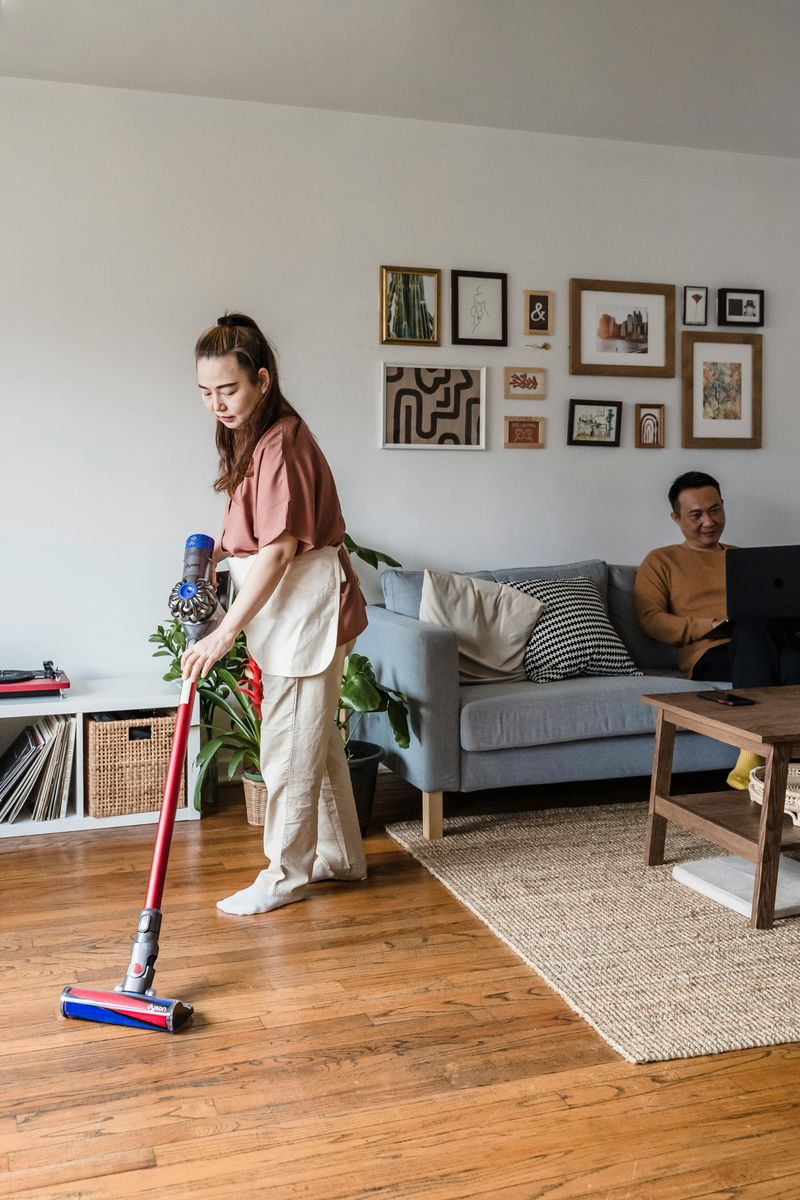
Carrying the entire household on your own shoulders is exhausting.
When one partner consistently avoids chores, forgets responsibilities, or simply expects the other to handle everything, the dynamic stops feeling like a team.
An uneven division of labor breeds resentment quickly.
You start feeling more like a roommate doing all the work than a partner sharing a life.
That frustration rarely stays contained to just the dishes.
Fairness at home matters enormously.
Conversations about expectations should happen early.
If they refuse to step up even after discussions, you may be looking at a deeply unbalanced partnership.
8. They Cross Your Personal Boundaries

Boundaries exist for a reason, and a partner who ignores them is not someone who fully respects you.
Whether it is going through your phone, using your things without asking, or barging in when you need privacy, these actions add up.
Moving in together does not mean merging every part of your life.
You still deserve personal space, privacy, and autonomy.
A partner who cannot grasp that concept creates a home that feels unsafe rather than supportive.
Repeated boundary violations are not small slip-ups.
They reveal a deeper disregard for your needs and signal a pattern that is unlikely to improve without serious intervention.
9. Tiny Issues Blow Up Into Major Blowouts

Forgot to wipe the counter?
Suddenly it is a screaming match.
When minor inconveniences consistently spiral into massive arguments, the real issue is not the mess or the mistake.
It is the underlying tension that has nowhere else to go.
A home filled with this kind of emotional volatility is mentally exhausting.
You start walking on eggshells, afraid that one small misstep will trigger another blowup.
That constant anxiety takes a serious toll on your well-being.
Proportional reactions are a sign of emotional maturity.
When everything becomes a catastrophe, it is a clear indicator that something deeper needs to be addressed.
10. Home Feels Uncomfortable Instead Of Safe

Your home is supposed to be your sanctuary.
When it becomes a place you dread returning to, something has gone seriously wrong.
Constant tension, emotional unpredictability, or a partner who makes you feel unwelcome in your own space are not small problems.
Feeling anxious, uneasy, or emotionally drained the moment you walk through the door is your mind and body sending a clear signal.
A relationship should add comfort to your life, not strip it away.
Safety, both emotional and physical, is non-negotiable.
If your home no longer feels like a place to recharge and relax, that is one of the strongest signs something needs to change.
Comments
Loading…