
 Mary Murphy
Growing up in the 1980s meant facing challenges without smartphones, helicopter parents, or participation trophies.
Kids back then learned to navigate life with skinned knees, long waits, and real consequences for their mistakes.
These experiences shaped a generation that values resilience, independence, and grit.
The lessons learned during that decade stuck with them forever, making them tougher and more resourceful adults.
1. Earning Recognition Wasn’t Automatic

Not everyone got a trophy for showing up.
Back then, you actually had to win something to earn recognition.
Coming in last meant going home empty-handed, and that stung.
This harsh reality taught kids that effort matters, but results matter more.
You learned to work harder, practice longer, and push yourself beyond comfort zones.
Failure became a teacher instead of something to avoid.
Today, those former ’80s kids understand that real achievement requires genuine effort.
They appreciate recognition more because they know what it takes to earn it.
That childhood disappointment built adults who value authentic success over hollow praise.
2. Boredom Was Your Best Friend

Imagine entire summer days with absolutely nothing planned.
No screens, no organized activities, just you and time stretching endlessly ahead.
Sounds terrible, right?
Actually, those boring moments sparked incredible creativity.
Kids built forts from couch cushions, invented elaborate games with sticks, and created entire worlds in their backyards.
Imagination became the ultimate entertainment system because nothing else existed.
That forced creativity shaped problem-solvers who don’t need constant stimulation.
They learned to entertain themselves and find joy in simple things.
Boredom wasn’t something to fear but rather an opportunity waiting to be filled with possibility.
3. Nobody Was Coming to Save You
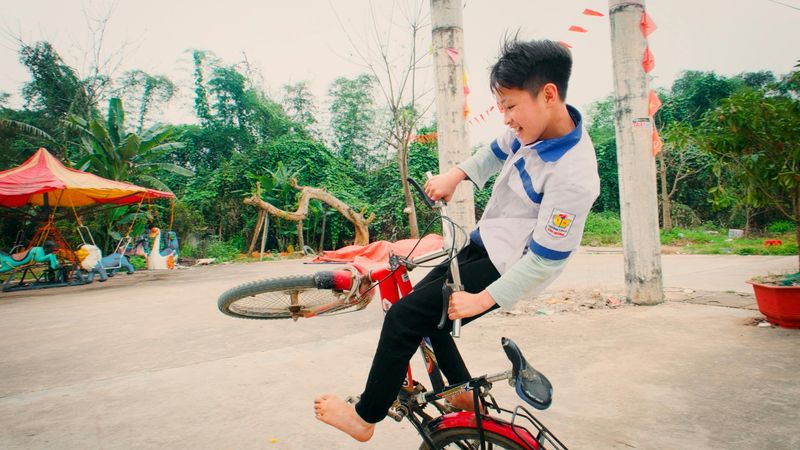
Fell off your bike?
Figure out how to get home.
Lost at the mall?
Find the meeting spot yourself.
Parents weren’t hovering nearby ready to swoop in and rescue you from every minor mishap.
This independence felt scary at first but quickly became empowering.
Kids developed problem-solving skills because they had no choice.
Getting lost meant reading maps, asking strangers for directions, or retracing your steps until things looked familiar again.
Those experiences created self-reliant adults who tackle challenges head-on.
They trust their ability to handle difficult situations because they’ve done it since childhood.
Independence wasn’t taught—it was lived daily.
4. Waiting Built Character

Want to watch your favorite show?
Wait until next week at its scheduled time.
Hoping to buy concert tickets?
Camp outside the box office overnight and pray they don’t sell out before your turn.
Instant gratification didn’t exist.
Everything required patience—developing photos took days, letters arrived in weeks, and research meant actual library trips.
This waiting period made things more valuable when they finally arrived.
Learning to delay gratification taught discipline that serves people throughout life.
Good things require patience, and anticipation makes rewards sweeter.
Modern instant-everything culture can’t replicate that lesson about appreciating what you’ve worked and waited for patiently.
5. Communication Required Real Effort

Calling friends meant memorizing phone numbers and hoping their parents wouldn’t answer first.
Missing someone’s call?
Too bad—no voicemail meant you simply missed that connection entirely.
Making plans required commitment because changing them was nearly impossible.
You agreed to meet somewhere at a specific time, and everyone just showed up hoping others remembered correctly.
Miscommunication happened frequently, teaching adaptability and reliability.
These limitations made communication more intentional and valuable.
Every conversation mattered because they weren’t constant or guaranteed.
People learned to be present, listen actively, and value face-to-face interactions that couldn’t be undone with a delete button.
6. Actions Had Real Consequences
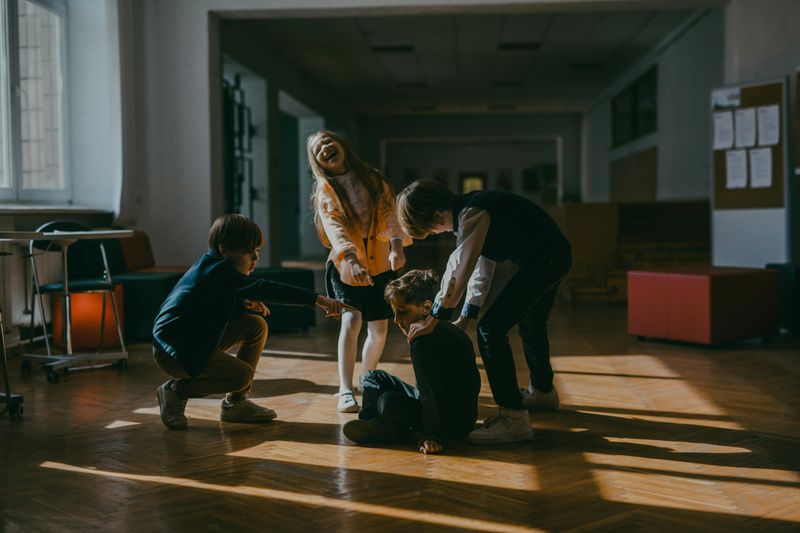
Misbehave at school?
Face detention, calls home, or actual punishment.
Break something valuable?
Pay for it with your own money from chores or allowance.
There was no negotiating, explaining away mistakes, or having parents fight your battles.
You faced consequences directly and learned accountability fast.
Mistakes hurt—emotionally, socially, or financially—which made you think twice before repeating them.
Growing up with real stakes taught personal responsibility that lasts forever.
Those kids became adults who own their choices and understand that actions create reactions.
They respect boundaries because childhood taught them consequences aren’t just threats but actual realities you must face.
7. Rejection Wasn’t Sugarcoated
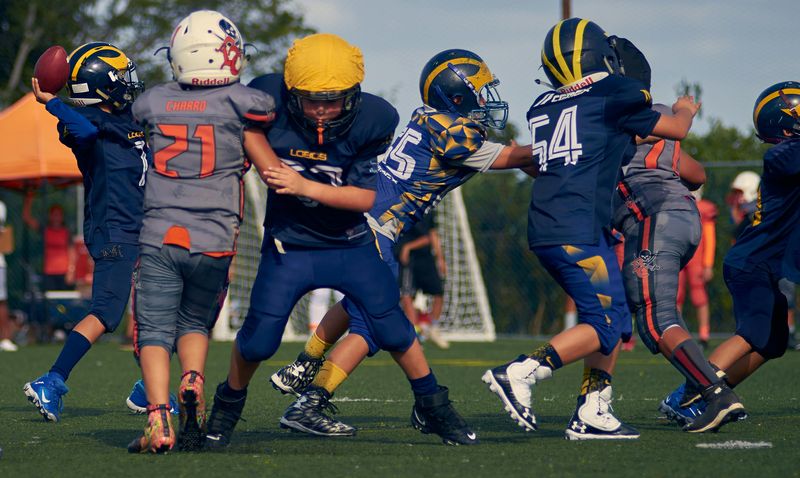
Picked last for teams?
Everyone knew it, and nobody pretended otherwise.
Crush didn’t like you back?
They told you directly, often publicly, with witnesses laughing nearby.
Social rejection happened openly without adults rushing in to soften the blow.
You dealt with embarrassment, disappointment, and hurt feelings without therapy or extensive emotional processing.
Kids learned to brush it off, try again, or find different friends who actually wanted them around.
This blunt reality built emotional resilience and thick skin.
Rejection became survivable rather than devastating because experience proved you’d move past it.
Adults who weathered childhood rejection handle professional and personal setbacks with remarkable grace.
Comments
Loading…