
 Chloe Peterson
Growing up spending a lot of time by yourself might have felt lonely at times, but it quietly shaped you in powerful ways.
Kids who spent hours alone often developed skills that others had to work hard to learn later in life.
From deep thinking to rock-solid self-reliance, those solo hours were never wasted.
If you were that kid who played alone, read in corners, or got lost in your own imagination, these strengths might feel surprisingly familiar.
1. A Rich Inner World and Creative Imagination
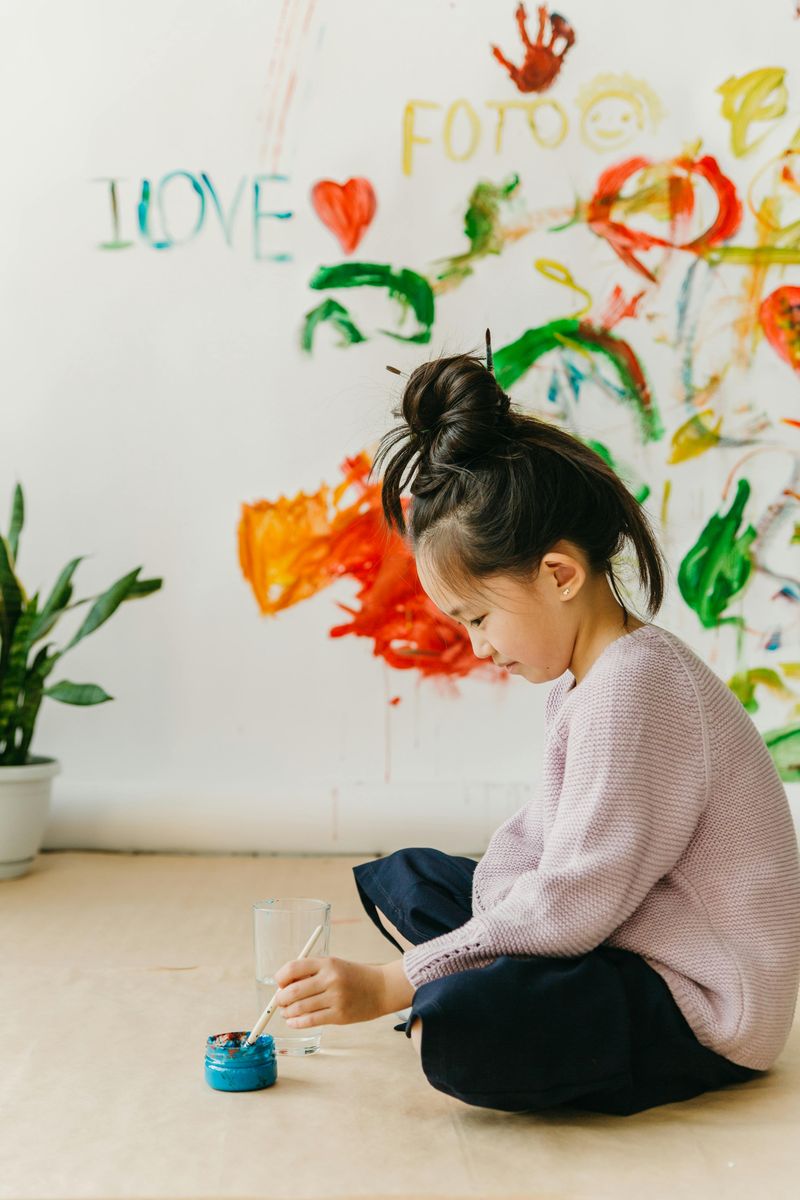
When no one else was around to hand you a script, you wrote your own.
Kids who spent time alone often built entire worlds inside their heads, complete with characters, rules, and adventures that nobody else could see.
That creative spark did not disappear with childhood.
It grew into something real.
Whether you express it through art, writing, problem-solving, or storytelling, that imaginative muscle gets stronger the more it is used.
Many writers, inventors, and artists trace their creativity back to long, quiet afternoons spent entirely in their own minds.
2. Deep Self-Awareness That Most People Spend Years Trying to Build

Spending time alone as a kid meant spending time with your own thoughts, feelings, and questions.
Over time, you got pretty good at understanding what was going on inside you.
That kind of self-awareness is genuinely rare.
Many adults pay therapists and coaches to help them figure out what solo kids learned naturally.
You know your triggers, your strengths, and what makes you tick.
That internal compass helps you make better decisions, set honest boundaries, and stay grounded when life gets messy.
It is one of the quietest but most powerful gifts solitude ever gave you.
3. Comfort With Silence and the Ability to Sit With Your Own Thoughts

Most people find silence deeply uncomfortable.
They reach for their phones, turn on the TV, or fill every quiet moment with noise.
If you grew up alone a lot, silence probably feels like an old friend instead of something to escape.
That comfort is a genuine advantage.
You can focus without constant stimulation, recharge without needing entertainment, and think clearly when others feel overwhelmed.
In a world that never stops buzzing, someone who can sit quietly with their thoughts has a real edge.
Stillness is not emptiness.
For you, it has always been a place where good things happen.
4. Strong Independence and the Confidence to Handle Things on Your Own
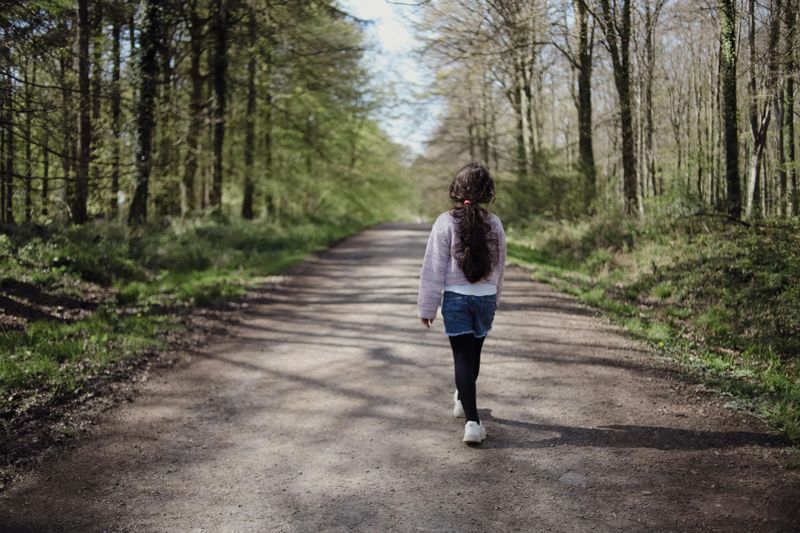
Nobody was always there to hand you the answer, so you figured things out yourself.
That repeated experience of solving your own problems built a quiet but sturdy kind of confidence.
You did not wait to be rescued because you learned early that you could handle things.
Independence like this is not stubbornness.
It is earned trust in yourself.
You know how to navigate a tough situation, make a decision under pressure, and keep moving even when support is not available.
That self-sufficiency makes you someone others can count on, too, because you have already proven you can count on yourself.
5. Exceptional Focus and the Ability to Lose Yourself in Deep Work
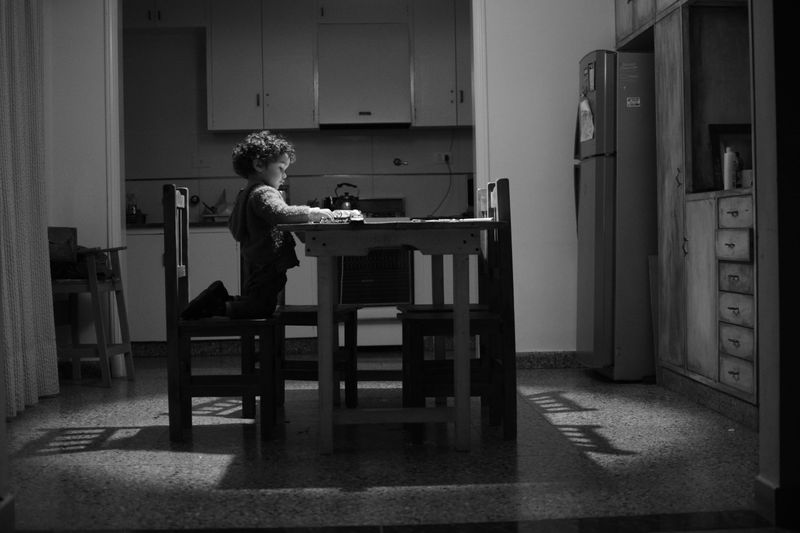
Hours of solo play taught you something most adults struggle to master: how to focus deeply without distraction.
When you were building something, reading, or working on a project alone, there was no one pulling your attention away.
You trained your brain to lock in.
That ability to concentrate is incredibly valuable today, especially in a world full of constant notifications and interruptions.
Deep work, the kind that produces real results, requires exactly this skill.
You did not learn it in a classroom or from a productivity book.
You built it one quiet afternoon at a time, without even realizing it.
6. A Natural Talent for Observation and Reading People Well
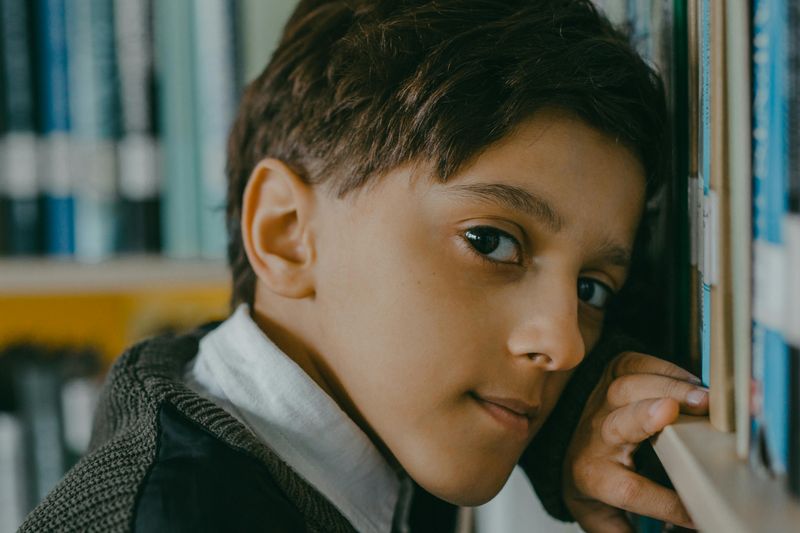
When you are on the outside looking in, you notice things.
Kids who spent a lot of time alone often became sharp observers of the world around them.
You watched how people interacted, picked up on subtle emotions, and learned to read a room without saying a word.
That observational skill is not something most people are taught.
It develops quietly through years of paying attention.
Today, it shows up as emotional intelligence, strong listening skills, and an almost eerie ability to sense what someone is really feeling.
People often say you just get them, and honestly, you always have.
7. Genuine Resilience Built From Learning to Entertain and Comfort Yourself
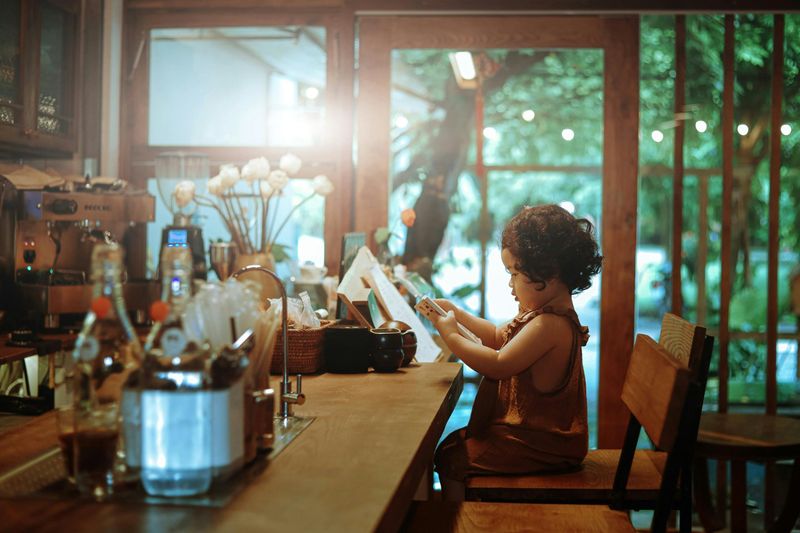
Boredom can feel unbearable at first, but kids who faced it regularly learned something powerful: they could get through it.
You figured out how to lift your own mood, spark your own fun, and find meaning without depending on others to provide it for you.
That is resilience in its earliest form.
It means you do not crumble when plans fall through or when people let you down.
You bounce back because you have always known how to keep yourself going.
Life is unpredictable, and having that inner resourcefulness makes you genuinely tough in the best possible way.
Comments
Loading…