
 Chloe Peterson
The Most Iconic and Cringeworthy Trends From the ’60s to ’00s
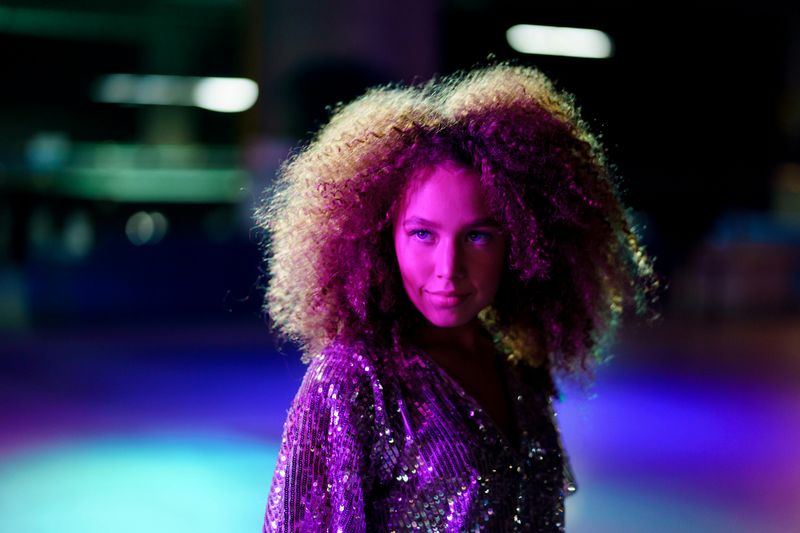
Fashion has always been a wild ride, especially from the 1960s through the 2000s.
Every decade brought its own mix of brilliant style moments and questionable choices that make us cringe today.
Some trends changed how people dressed forever, while others were better left forgotten.
Join us as we explore the most memorable fashion hits and misses from five decades of bold experimentation.
1960s Best: Mod Fashion
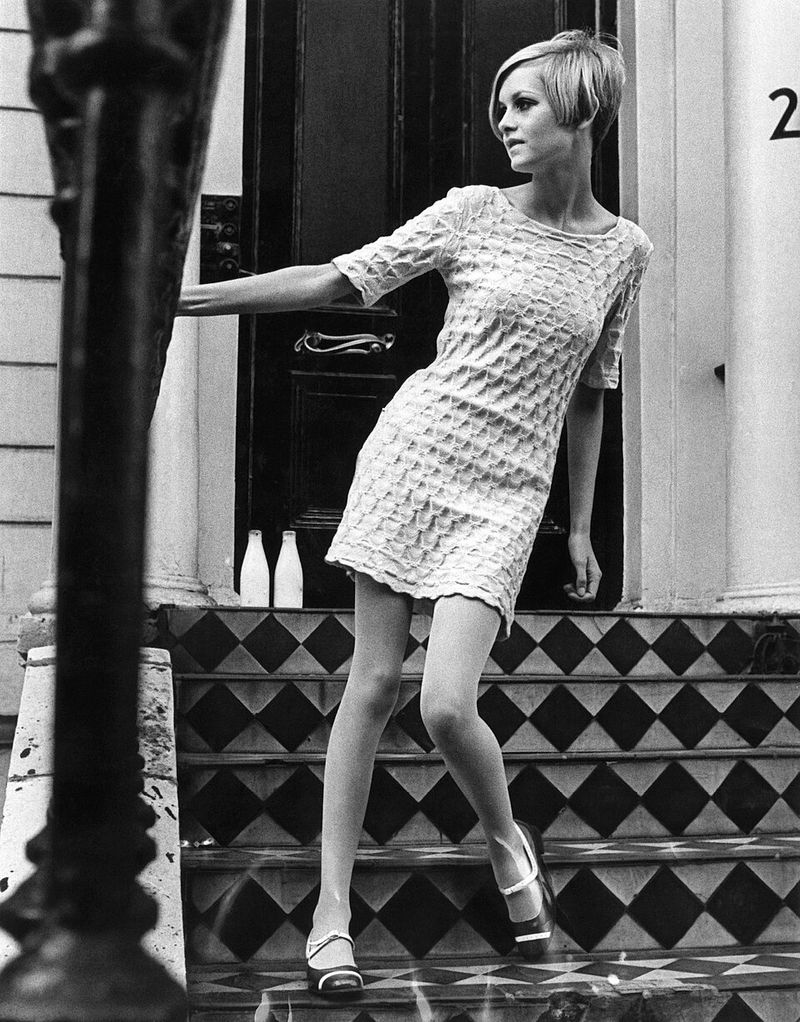
Straight out of London came a revolution in clothing that screamed youth and optimism.
Mod fashion brought geometric patterns, eye-popping colors, and those famous mini skirts that shocked older generations everywhere.
The look was all about clean lines and a futuristic vibe that matched the space-age excitement of the era.
Young people loved how different it felt from their parents’ stuffy wardrobes.
Girls paired short skirts with white go-go boots, while guys wore sharp suits with slim ties.
This trend wasn’t just about clothes—it represented a whole new attitude about breaking rules and embracing change with confidence and style.
1960s Best: Hippie Movement
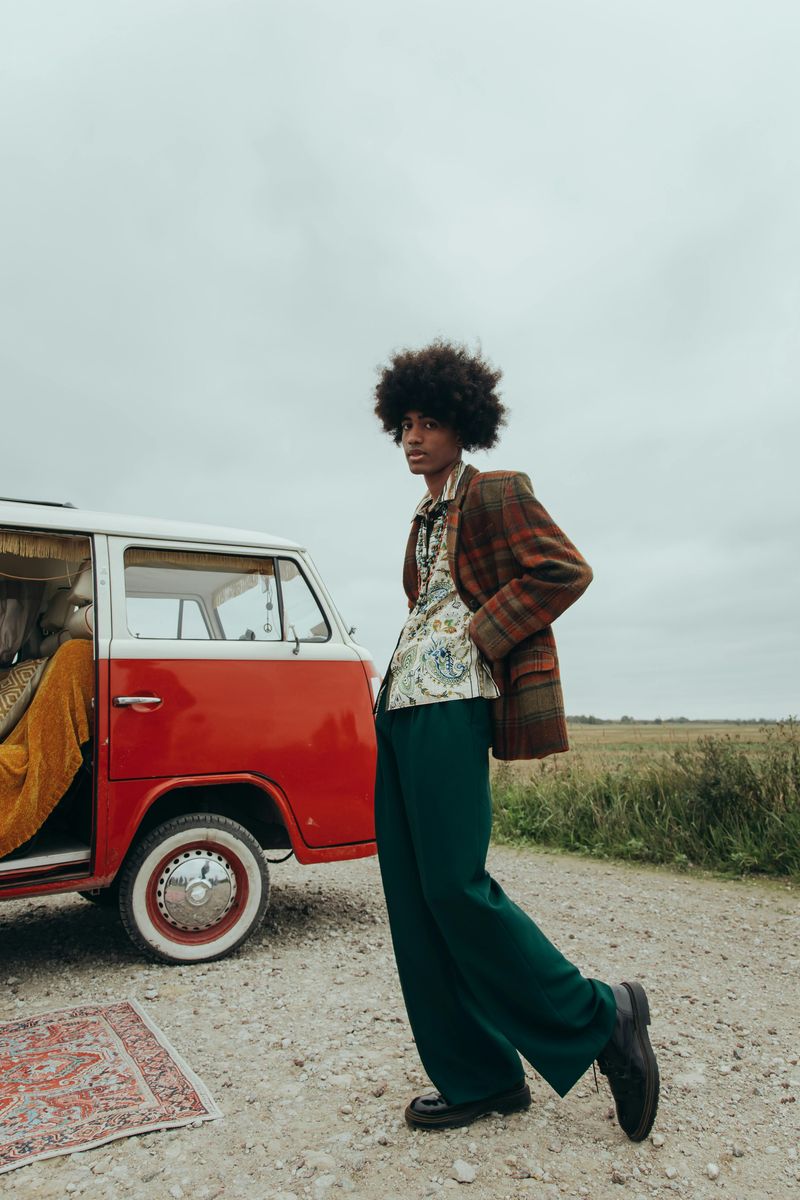
Peace, love, and tie-dye became the uniform of a generation rejecting mainstream values.
Hippie fashion celebrated natural fabrics, flowing silhouettes, and handmade touches that showed individuality.
Fringe jackets, embroidered jeans, and flower crowns turned clothing into personal statements about freedom and harmony.
This wasn’t about looking polished or expensive.
Instead, people mixed thrift store finds with handcrafted pieces to create looks that felt authentic and soulful.
Earthy browns, oranges, and greens dominated the palette, while beads and peace symbols added meaningful decoration that went beyond simple fashion choices.
1960s Worst: Paper Dresses

Someone thought making dresses from paper was genius, and for about five minutes, people agreed.
These disposable garments featured wild pop-art designs and cost just a dollar or two.
The idea seemed perfect for the throwaway culture emerging in America during the mid-sixties.
Reality hit hard when wearers discovered these dresses ripped if you sat wrong, wrinkled instantly, and couldn’t handle rain or sweat.
They looked better as wall art than actual clothing.
While they made for fun novelty items and advertising gimmicks, nobody seriously expected them to replace real fabric, making this one of fashion’s most impractical experiments ever attempted.
1960s Worst: Vinyl Clothing
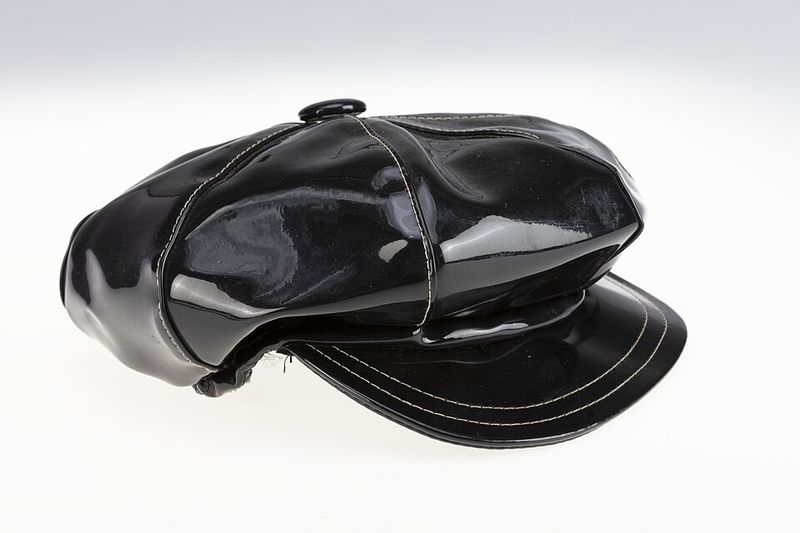
Space-age dreams led designers to experiment with vinyl, creating shiny garments that looked like something astronauts might wear.
Coats, pants, and dresses in glossy materials seemed incredibly futuristic and modern.
Fashion magazines featured models posing in these reflective outfits that promised tomorrow’s style today.
Wearing vinyl proved absolutely miserable, though.
The material trapped heat, made you sweat buckets, and cracked easily with regular movement.
It was stiff, noisy, and felt more like wearing a shower curtain than actual clothes.
This trend quickly taught everyone that looking futuristic wasn’t worth sacrificing basic comfort and practicality.
1970s Best: Disco Glam
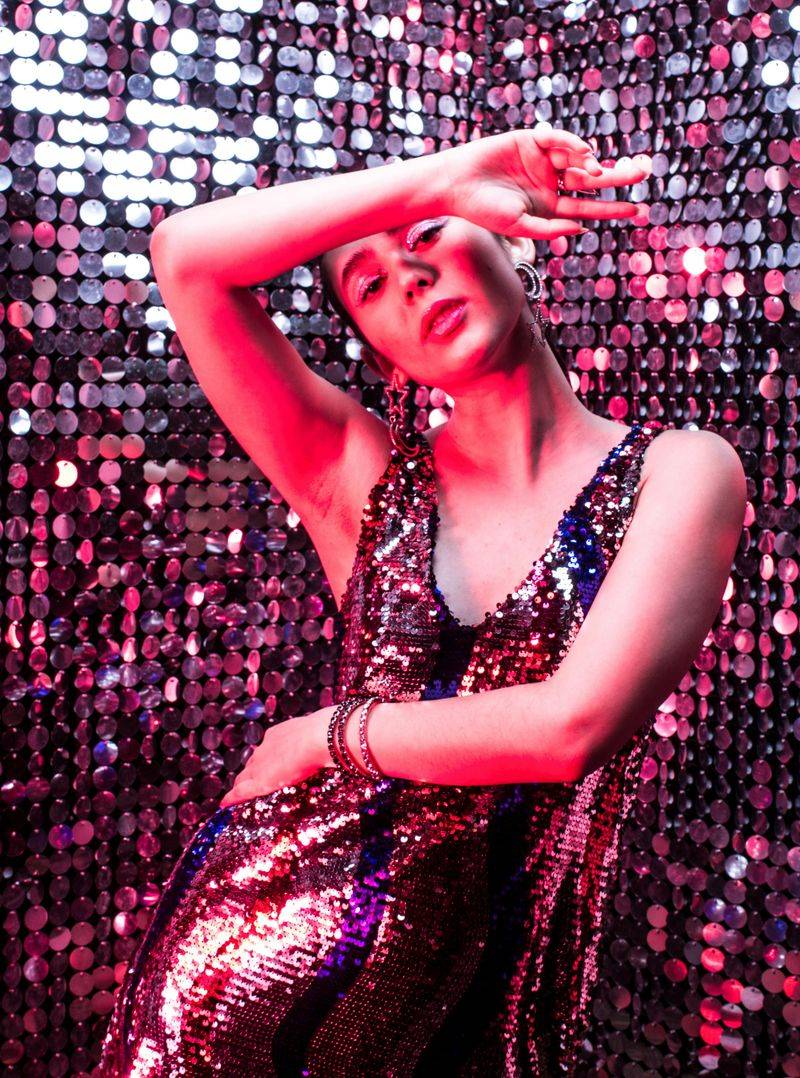
Nothing captured the seventies party spirit quite like disco fashion’s dazzling sparkle.
Sequins covered everything from halter tops to bell-bottom pants, while metallic fabrics reflected light on crowded dance floors.
Jumpsuits became the ultimate outfit, combining style with the freedom to move to those funky beats all night long.
Studio 54 and clubs everywhere became runways for this glamorous trend.
People wanted to shine literally, not just figuratively, so they piled on the glitter and chose outfits that caught every spotlight.
Disco fashion proved that sometimes more really is more, especially when celebrating life with music and friends.
1970s Best: Punk Fashion
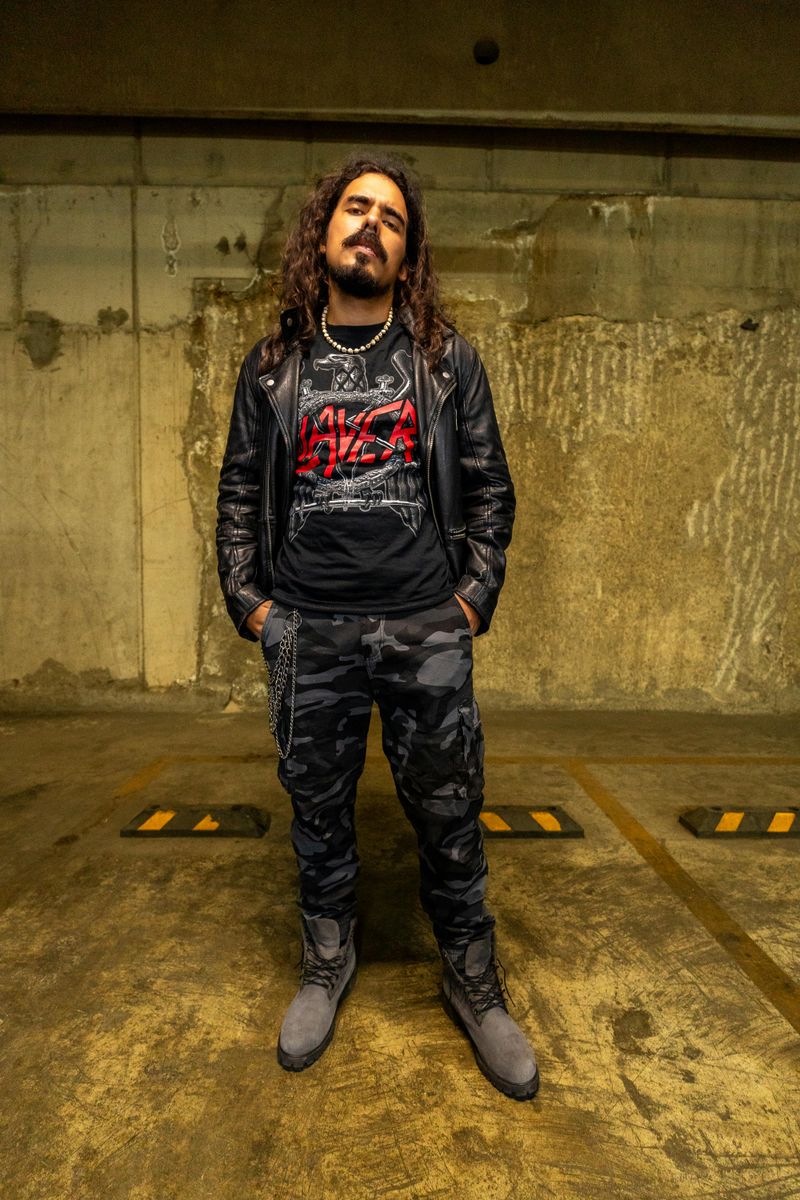
Angry, raw, and completely anti-establishment, punk fashion screamed rebellion through every safety pin and rip.
Kids took scissors to their clothes, added spikes and chains, and wore band t-shirts like armor against mainstream society.
Leather jackets became canvases for personal expression through patches, paint, and deliberate damage.
This trend celebrated DIY culture and rejected expensive designer labels completely.
Combat boots, tartan pants, and deliberately messy hair showed that looking perfect was the opposite of the goal.
Punk proved fashion could be political, personal, and powerful without spending much money or following anyone else’s rules about what looked good.
1970s Worst: Leisure Suits
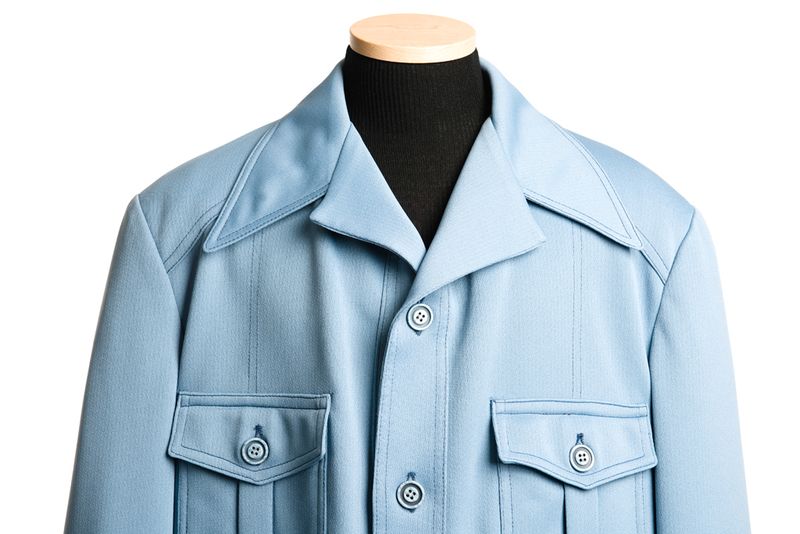
Polyester paradise arrived when designers decided casual and formal should merge into one shiny package.
Leisure suits promised comfort with sophistication, offering matching jackets and pants in colors like avocado green, burnt orange, and beige.
Men wore them everywhere from offices to parties, thinking they looked incredibly suave.
Unfortunately, these suits usually looked cheap and felt even worse.
The synthetic fabric didn’t breathe, wrinkled oddly, and had a distinctive sheen that screamed artificial.
The boxy cuts and wide lapels aged poorly, making leisure suits a prime example of how trends can seem great in the moment but become punchlines decades later.
1970s Worst: Platform Shoes
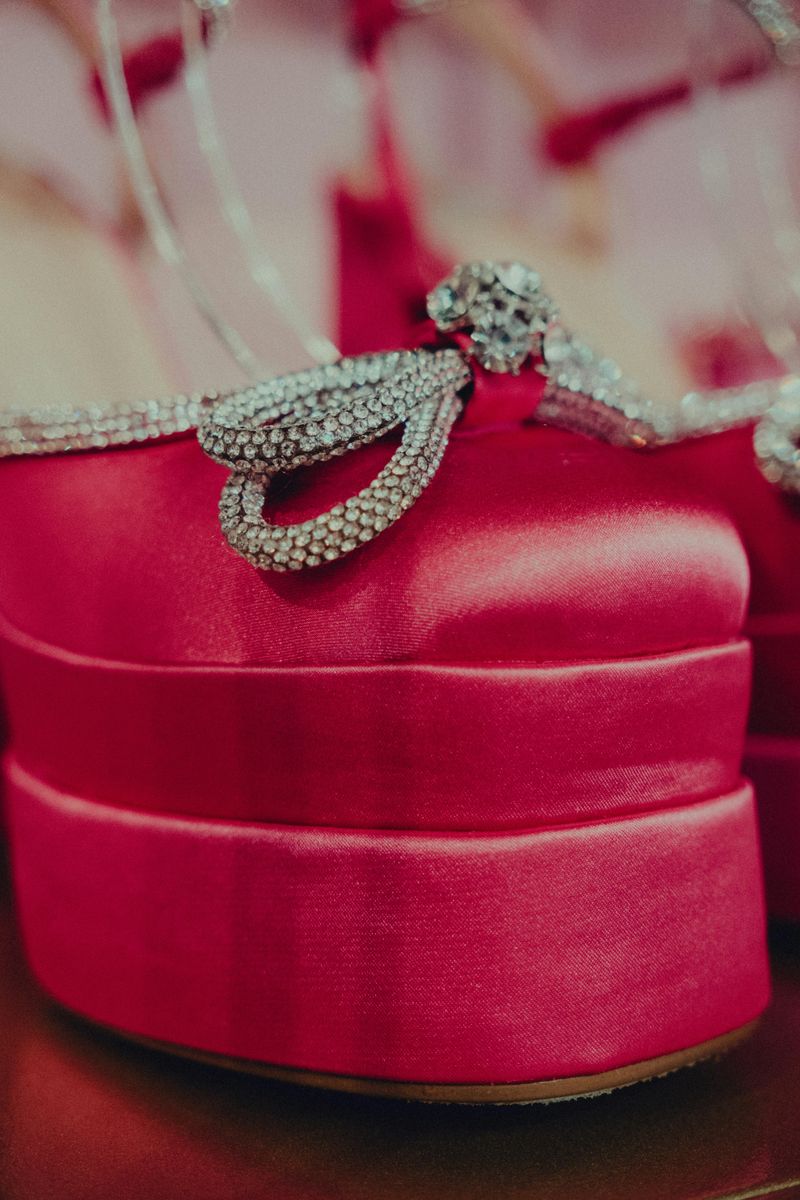
Higher and higher they went, with soles stacked so thick that walking became an extreme sport.
Platform shoes added incredible height and dramatic flair to any outfit, making wearers feel like rock stars strutting down the street.
Both men and women embraced this towering trend with enthusiasm.
Balance became a serious issue, though.
Twisted ankles happened constantly, and stairs turned into dangerous obstacles requiring careful navigation.
Some platforms reached four or five inches, making simple activities genuinely risky.
While they looked fantastic and boosted confidence, these shoes proved that fashion sometimes literally requires suffering for the sake of standing taller than everyone else around you.
1980s Best: Power Dressing
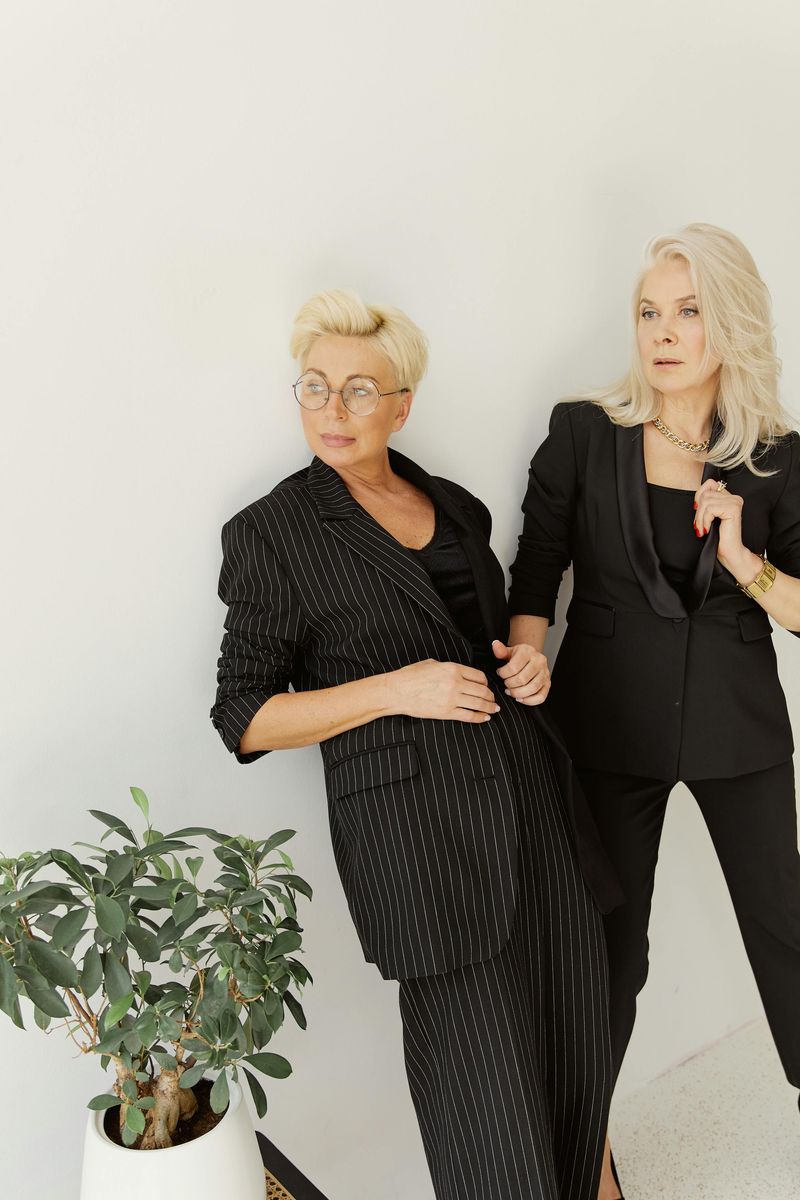
Women entering corporate America needed armor, and power dressing provided exactly that.
Structured blazers with defined shoulders, crisp blouses, and tailored skirts created silhouettes that commanded respect in boardrooms.
This trend wasn’t just fashion—it was strategy for breaking through glass ceilings with style and authority.
Bold colors like red and royal blue made statements, while accessories stayed polished and professional.
The look projected confidence and competence, showing that women belonged in executive positions.
Power dressing helped reshape workplace culture by proving that feminine style could coexist with professional strength, creating a legacy that influences business fashion even today.
1980s Best: Athletic Wear
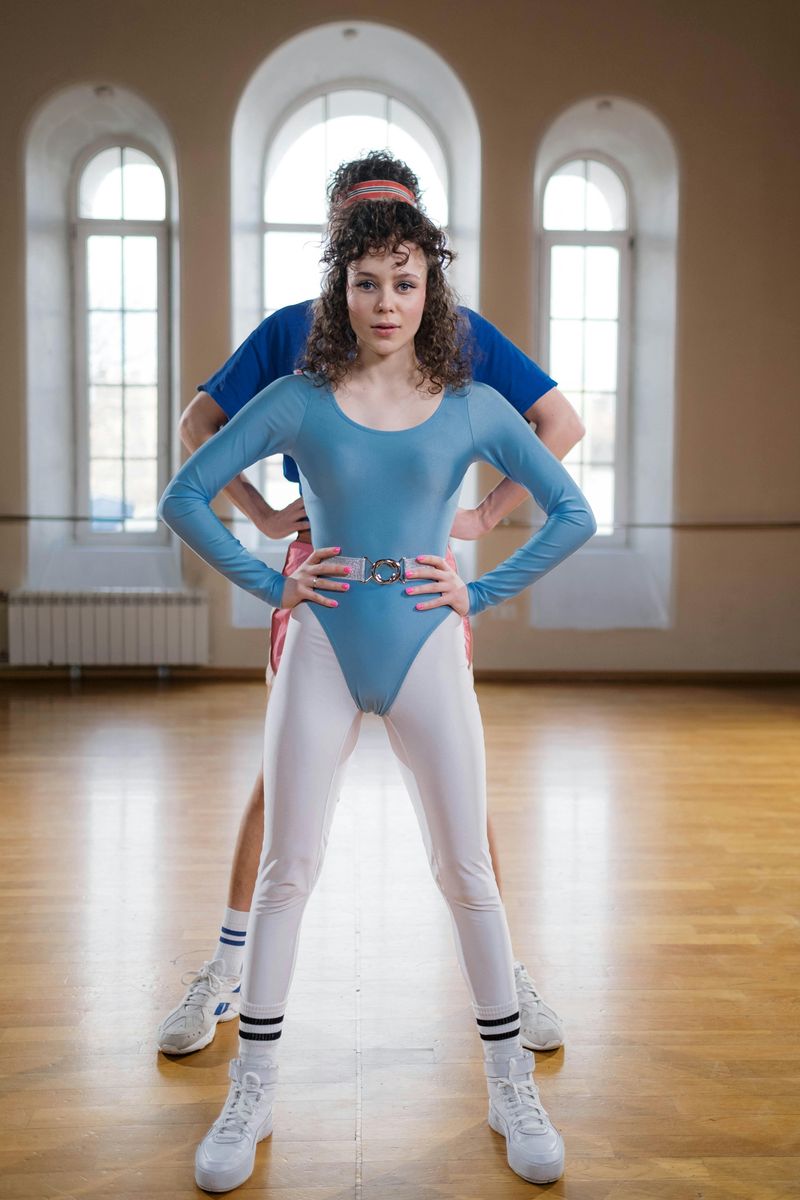
Suddenly everyone looked ready for the gym, whether they were exercising or not.
Bright tracksuits, leg warmers bunched around ankles, and sweatbands became acceptable everyday wear.
Jane Fonda’s workout videos inspired millions to embrace sporty silhouettes that prioritized comfort and movement over formal stuffiness.
Neon colors dominated this trend, with hot pink, electric blue, and lime green appearing on everything from windbreakers to sneakers.
Athletic wear made fitness fashionable and helped casual clothing become socially acceptable in more situations.
This shift toward comfort-focused fashion changed how people dressed permanently, proving that style didn’t always require sacrifice or discomfort.
1980s Worst: Shoulder Pads
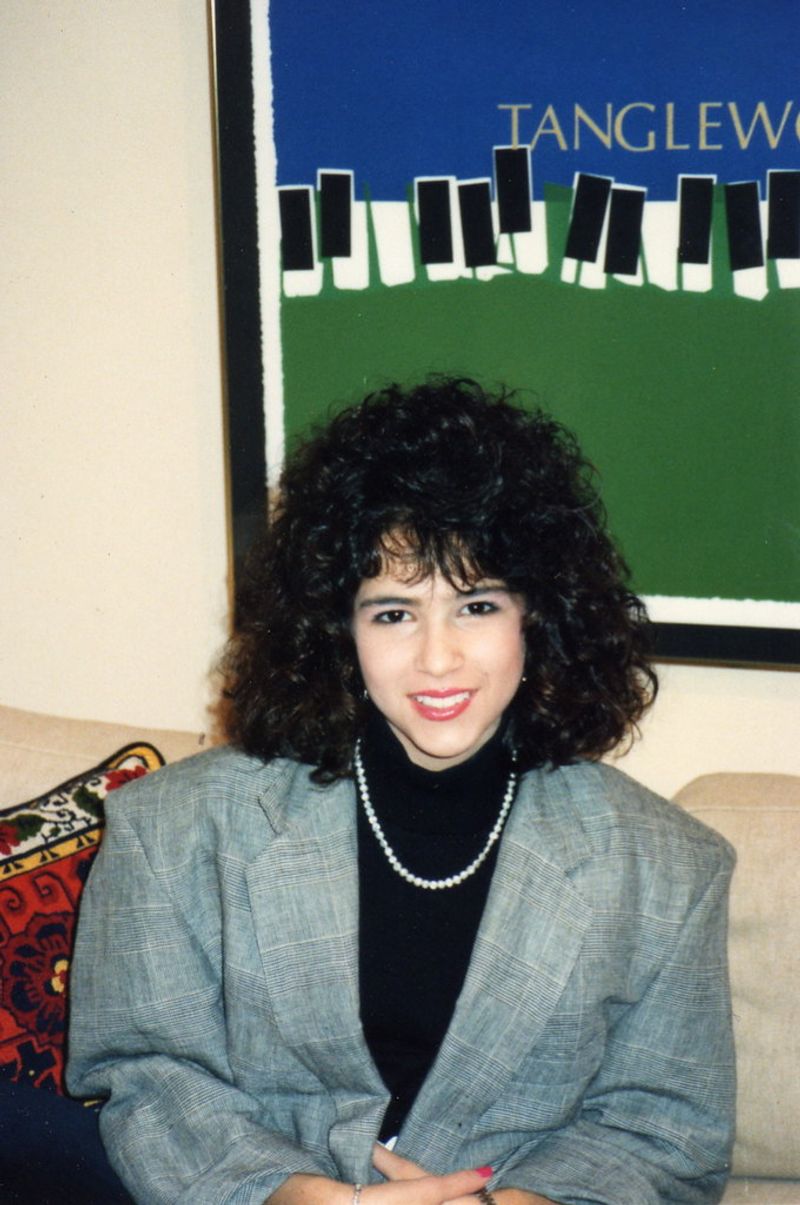
Bigger was definitely better when it came to shoulders during the eighties.
Designers stuffed jackets, dresses, and even t-shirts with padding that created almost linebacker-like proportions.
The goal was projecting strength and presence, making bodies look more powerful and geometric.
Looking back, those exaggerated shoulders seem almost comical.
They made people appear top-heavy and unbalanced, and removing the pads often revealed how poorly garments actually fit underneath.
This trend became the ultimate symbol of eighties excess, showing how fashion can take a reasonable idea—adding structure—and push it way too far into ridiculous territory that nobody misses today.
1980s Worst: Neon Spandex
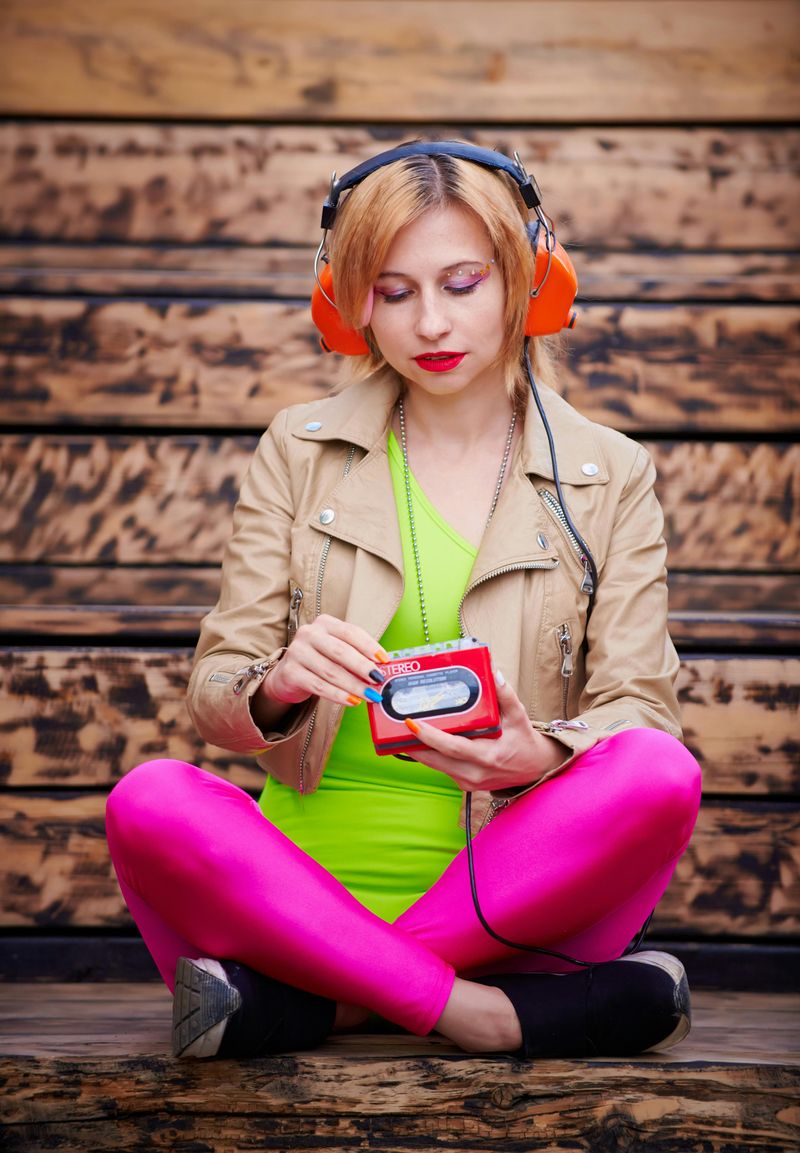
If your outfit didn’t glow under blacklight, were you even trying?
Neon spandex took the decade’s love of bold colors and cranked it to maximum volume.
These skin-tight pieces in shocking pink, electric yellow, and blazing orange left absolutely nothing to the imagination while demanding everyone’s attention.
Aerobics classes were ground zero for this trend, but it quickly escaped the gym and invaded everyday wardrobes.
The problem was that spandex forgives nothing and neon highlights everything, making these outfits incredibly unforgiving.
Most people eventually realized that just because something fits doesn’t mean it should be worn outside specialized athletic contexts or themed parties.
1990s Best: Grunge

Seattle’s music scene accidentally created a fashion revolution by simply not caring about fashion at all.
Grunge embraced thrift store flannel shirts, worn-out jeans with real holes, and layers that looked thrown together without thought.
The whole point was looking like you rolled out of bed and grabbed whatever was on the floor.
This anti-fashion statement resonated with teenagers tired of trying too hard.
Combat boots, oversized sweaters, and unwashed hair became badges of authenticity.
Grunge proved that rebellion didn’t need leather and spikes—sometimes it just needed to look genuinely unbothered by mainstream expectations or expensive designer labels.
1990s Best: Minimalism
After decades of excess, fashion took a deep breath and stripped everything down to basics.
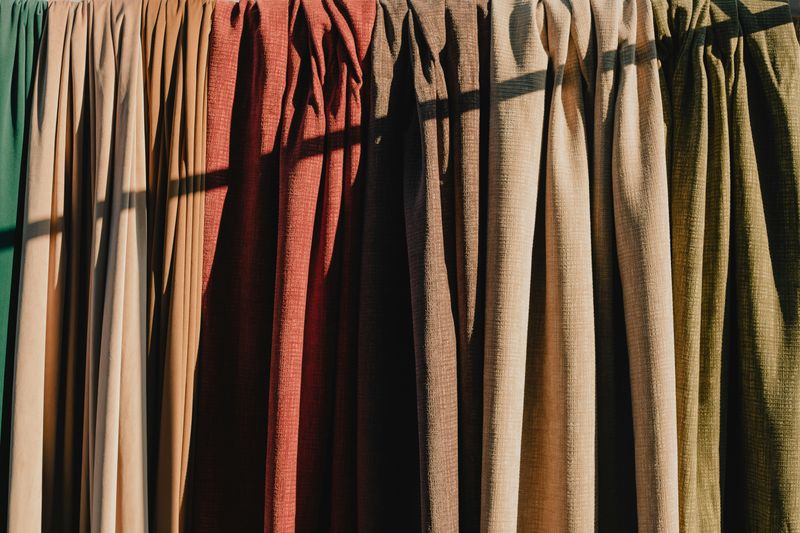
Minimalism celebrated neutral colors like black, white, beige, and gray in simple silhouettes without unnecessary decoration.
Slip dresses, clean-cut blazers, and streamlined pants proved that less could definitely be more.
This trend felt grown-up and sophisticated compared to previous decades’ wild experimentation.
Quality mattered more than quantity, with focus shifting to perfect fits and luxurious fabrics rather than flashy details.
Minimalism influenced not just clothing but entire lifestyles, encouraging people to edit their wardrobes and lives down to only what truly mattered and brought joy.
1990s Worst: Frosted Tips
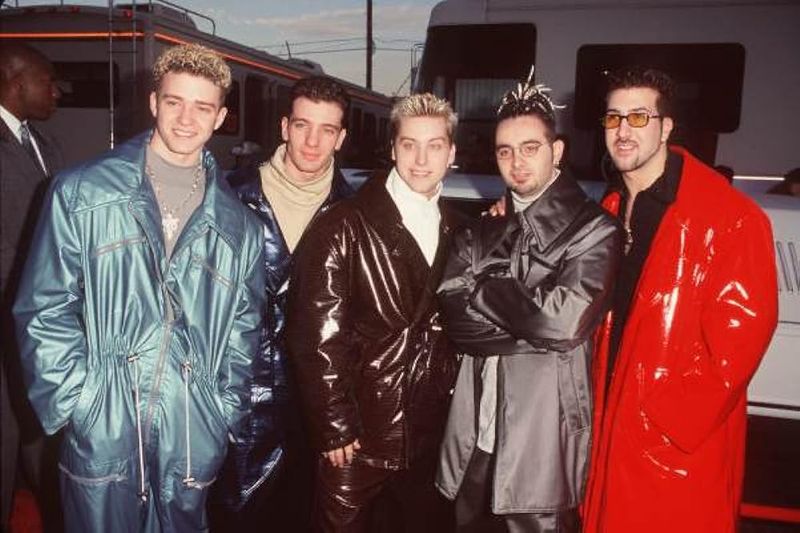
Boy bands and pop stars made bleaching just the tips of your hair seem like the coolest move possible.
Guys everywhere headed to salons requesting that distinctive two-tone look, then added mountains of gel to spike those lightened ends skyward.
The result was unmistakably nineties and seemed incredibly stylish at the time.
Today, frosted tips represent peak cringe for many people who rocked this look.
The harsh contrast between natural roots and bleached ends aged poorly in photos, becoming a source of embarrassment at family gatherings.
This hairstyle proves that what seems cutting-edge during your teenage years might haunt you forever in yearbook pictures and old snapshots.
1990s Worst: Baggy Jeans

Forget fitted—nineties denim went massively oversized, with jeans so baggy they could fit two people inside.
Waistbands sat dangerously low, hems dragged on sidewalks, and the overall effect looked like wearing fabric parachutes.
Hip-hop culture popularized this trend, and teenagers everywhere adopted it regardless of their music preferences.
These jeans sacrificed any sense of shape or proportion for extreme volume.
Walking meant constantly pulling them up, and the dragging hems got dirty and frayed within weeks.
While the relaxed fit felt comfortable, the sloppy appearance hasn’t aged well, making baggy jeans another nineties trend that most people prefer to leave buried in the past.
2000s Best: Y2K Futuristic Aesthetic
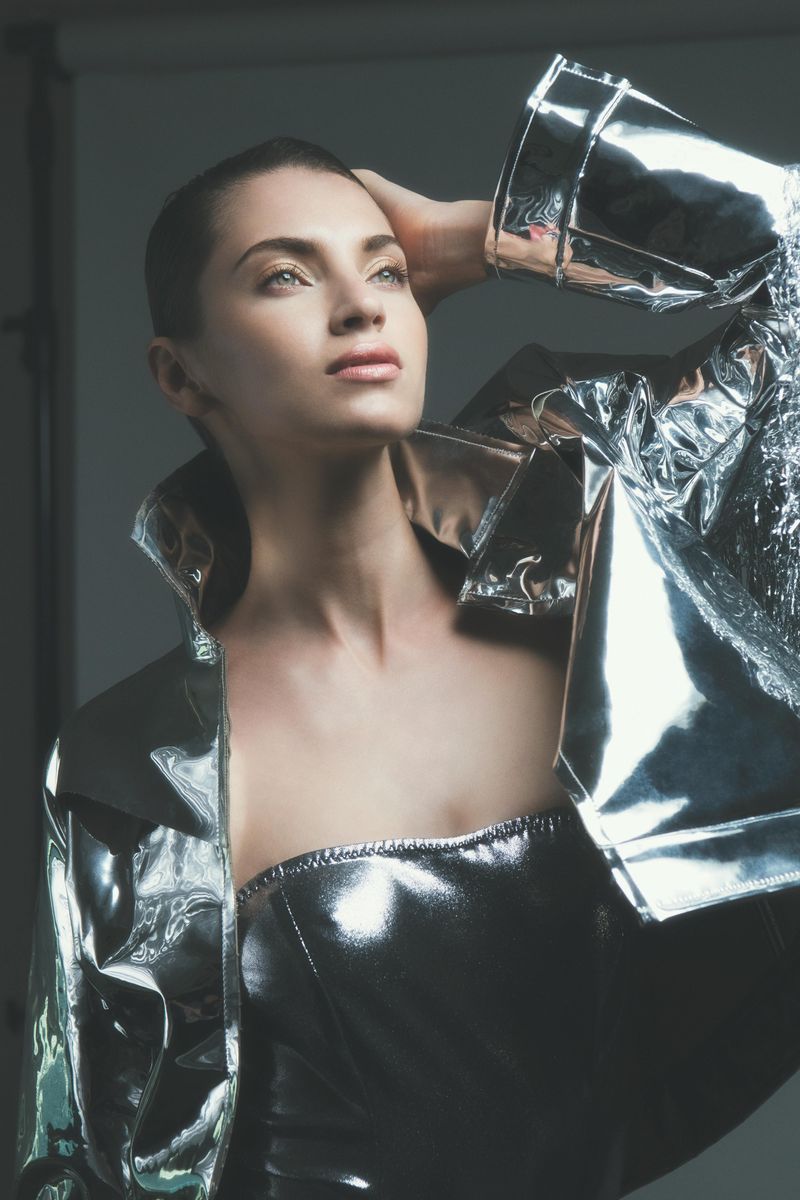
The new millennium demanded fashion that looked forward, and designers delivered with metallic fabrics, glossy finishes, and tech-inspired details.
Tiny handbags barely big enough for lip gloss, shiny materials that caught light, and space-age silhouettes captured optimism about the future.
Everything felt playful and experimental, embracing digital-age possibilities.
This aesthetic mixed high fashion with pop culture in ways that felt fresh and exciting.
Silver and chrome dominated color palettes, while transparent materials and holographic effects added futuristic touches.
Y2K fashion celebrated the turn of the century with genuine enthusiasm, creating a distinctive look that’s actually experiencing renewed appreciation from younger generations discovering it decades later.
2000s Best: Boho-Chic and Casual Layering
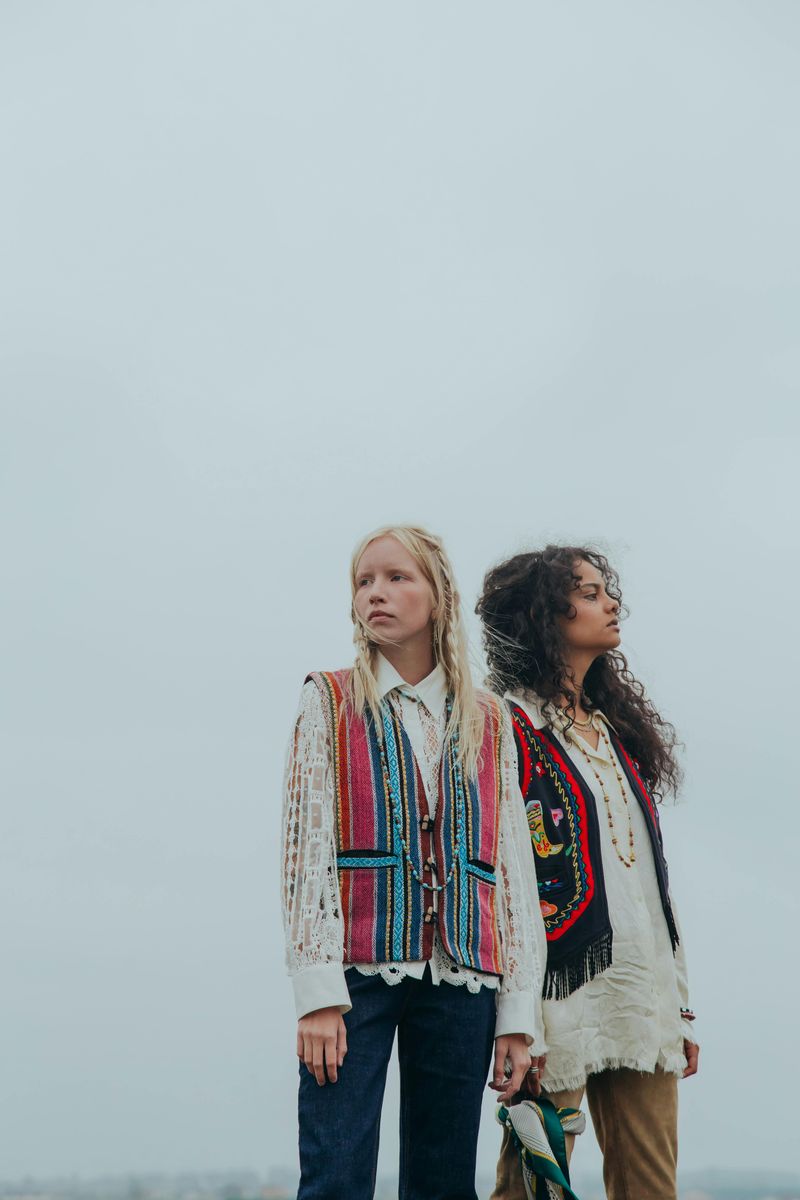
Music festivals and celebrity style icons brought back a relaxed, earthy aesthetic that felt both carefree and carefully curated.
Flowy tops, peasant dresses, and lots of layering created looks that seemed effortlessly bohemian.
Earthy browns, soft creams, and muted greens dominated this trend, which celebrated natural fabrics and relaxed fits.
This wasn’t your parents’ hippie fashion, though—it felt more polished and intentional.
Wide-brimmed hats, oversized sunglasses, and stacks of bracelets completed the vibe.
Boho-chic made casual dressing feel artistic and romantic, proving that comfort and style could coexist beautifully without requiring tight clothes or uncomfortable shoes to look put-together and fashionable.
2000s Worst: Ultra-Low Rise Jeans and Visible Underwear
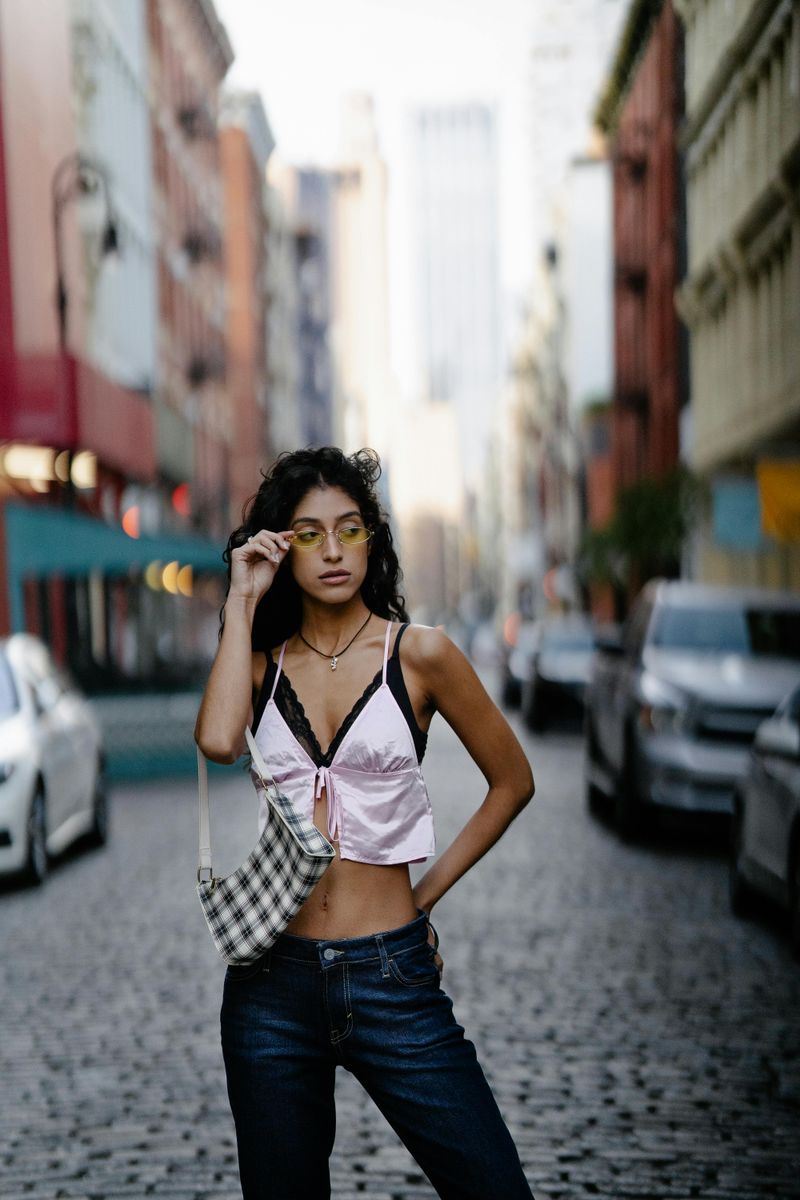
Jeans dropped to absolutely absurd levels, sitting so low that hip bones became the new waistline.
This hyper-revealing trend meant underwear became outerwear, with thong straps intentionally displayed above denim.
Celebrities popularized the look, and suddenly showing your underwear went from fashion disaster to deliberate style choice across middle schools and high schools everywhere.
Comfort took a backseat to this trend in every possible way.
Sitting down meant constant wardrobe malfunctions, and bending over required careful planning.
The whale tail—visible thong straps—became one of the most infamous and regretted fashion moments of the entire decade, representing peak early-2000s questionable judgment that most people wish they could forget.
2000s Worst: Oversized Belts and Excessive Accessories

Bigger belts meant better style, or so everyone thought during the mid-2000s.
Chunky belts with enormous buckles appeared over dresses, shirts, and even jackets, cinching waists that didn’t need cinching.
The accessories didn’t stop there—multiple necklaces, armfuls of bangles, and oversized earrings piled on until outfits groaned under the weight.
This maximalist approach to accessorizing often created visual chaos rather than cohesive style.
The heavy belts looked awkward and added bulk instead of definition, while excessive jewelry competed for attention.
Looking back, less would have definitely been more, making this trend a perfect example of how enthusiasm can overwhelm good judgment when fashion gets carried away with itself.
Comments
Loading…