
 Harper Hall
Good Riddance: 10 Hated Movie Characters Whose Deaths We Cheered
Movie fandom has a special vocabulary for characters we hate, and it usually includes words like smug, cruel, and “how is this person still winning.”
These are the villains and awful humans who push their worlds out of balance, until the story finally snaps back with a consequence that feels earned.
Sometimes the satisfaction comes from justice being served in a tidy, poetic way that mirrors the harm they caused.
Other times it’s the sheer relief of watching an unstoppable menace get stopped at last, even if the moment is messy.
Because movies are built on payoff, the best comeuppances land like a deep exhale you didn’t realize you were holding.
Huge spoiler alert: every entry below reveals a major character death.
If you love that cathartic “finally” feeling when the worst person gets what’s coming, you’re in the right place.
1. Commodus — Gladiator (2000)
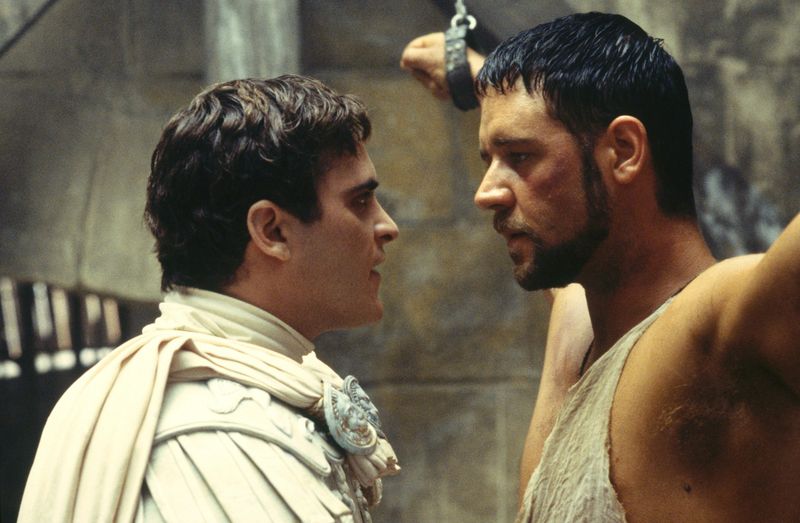
Few movie tyrants manage to be both pitiable and infuriating, but this one turns insecurity into cruelty at every opportunity.
He demands love while ruling through fear, and the more power he grabs, the smaller he seems as a human being.
That combination makes his downfall feel less like a twist and more like destiny catching up in real time.
The film spends so long watching him humiliate others that the final confrontation feels like the world refusing to bend anymore.
What’s especially satisfying is how his entitlement collapses the moment control slips from his hands.
The scene delivers a clear message that violence, vanity, and manipulation can’t protect you forever.
When the dust settles, it’s not triumph that lingers, but the quiet justice of a bully finally being answered.
2. Warden Samuel Norton — The Shawshank Redemption (1994)
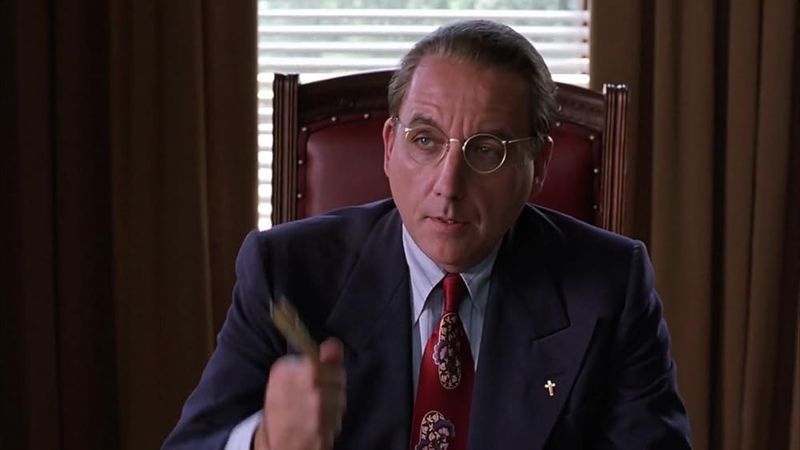
Corruption looks especially ugly when it hides behind Bible verses and a polished public image.
He builds an entire empire on cruelty and exploitation, then treats accountability like something meant for other people.
The story carefully shows how power can turn a prison into a personal kingdom, with everyone else forced to pay the cost.
As the evidence closes in, you can feel his control shrinking, and that tightening trap is its own form of satisfaction.
The payoff works because it isn’t random punishment, but the inevitable end of choices made with total arrogance.
There’s also something cathartic about seeing the “respectable” mask fall away in the final moments.
By the time it’s over, the audience isn’t shocked so much as deeply, calmly vindicated.
3. Mrs. Carmody — The Mist (2007)

Fear becomes a weapon when someone decides they’re the chosen voice of “truth” and everyone else must obey.
She thrives on panic, using sermons and threats to turn ordinary people into a mob that feels righteous while doing awful things.
What makes her so hated is how quickly she escalates, because she doesn’t just mislead others, she hungers for control.
The tension builds as the crowd starts listening, and you realize the real monster might not be outside at all.
When consequences finally arrive, the moment hits like a sudden clearing of smoke from a cramped room.
It’s satisfying not because it’s celebratory, but because it breaks the spell she has over the group.
For a brief second, sanity returns, and that snap back to reality is the payoff.
4. Clarence Boddicker — RoboCop (1987)
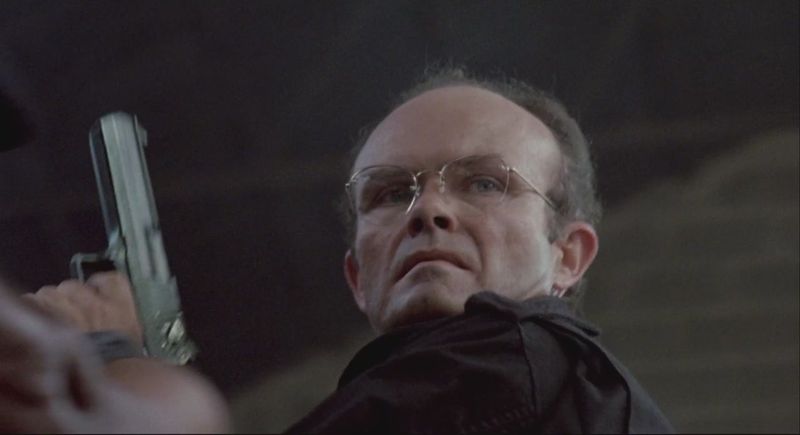
Some villains radiate the kind of casual sadism that makes you want the hero to stop playing by polite rules.
He’s not a mastermind with a tragic backstory, but a grinning, gleeful predator who enjoys the damage he causes.
The movie makes him feel untouchable for long stretches, which turns every one of his appearances into a fresh aggravation.
That’s why the final reckoning lands so hard, because it’s not a debate or a compromise, it’s a hard stop.
The scene is intense, but the satisfaction comes from how decisively his swagger evaporates.
After so much cruelty and chaos, the story finally draws a firm line and refuses to let him cross it again.
You walk away feeling like order has been violently, unmistakably restored.
5. Judge Doom — Who Framed Roger Rabbit (1988)
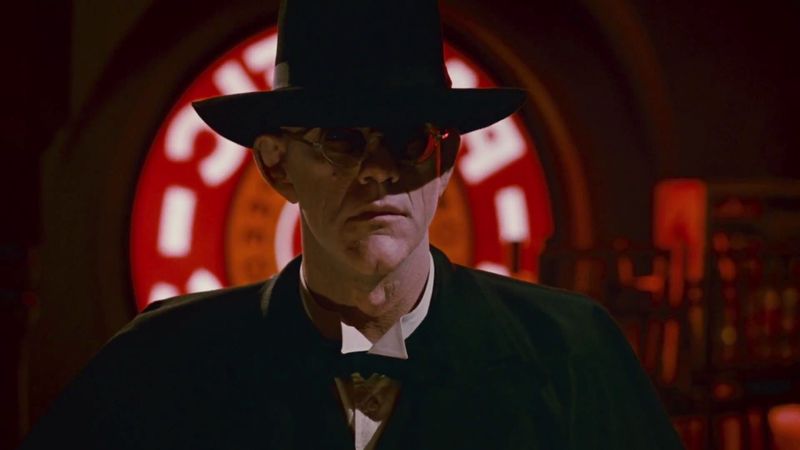
A cartoon-bright world makes his coldness feel even more chilling, because he sticks out like a shadow in a neon sign.
He weaponizes authority, using rules and respectability as camouflage for something far more sinister underneath.
The movie lets suspicion simmer until the truth surfaces, and that reveal turns discomfort into full-body dread.
Once the mask drops, the story pivots into pure payoff, delivering a defeat that feels like a nightmare being switched off.
It’s satisfying because it protects a whimsical universe from someone determined to crush it for profit and power.
Even better, his end carries the same theatrical intensity he tried to control in others.
The result is a cathartic release that feels both shocking and completely deserved.
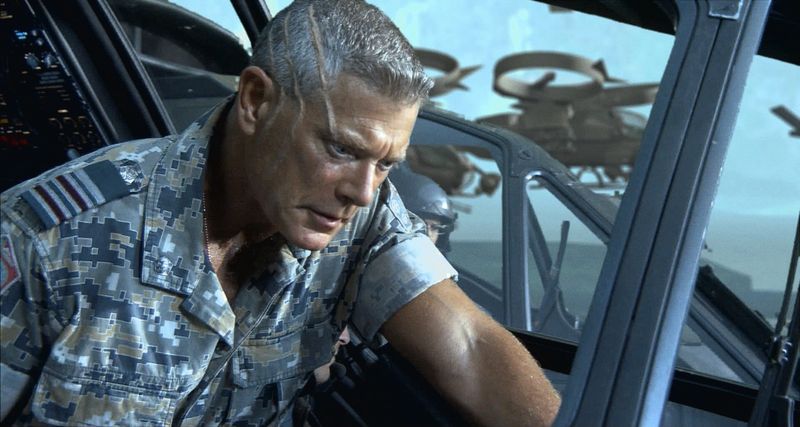
6. Colonel Miles Quaritch — Avatar (2009)
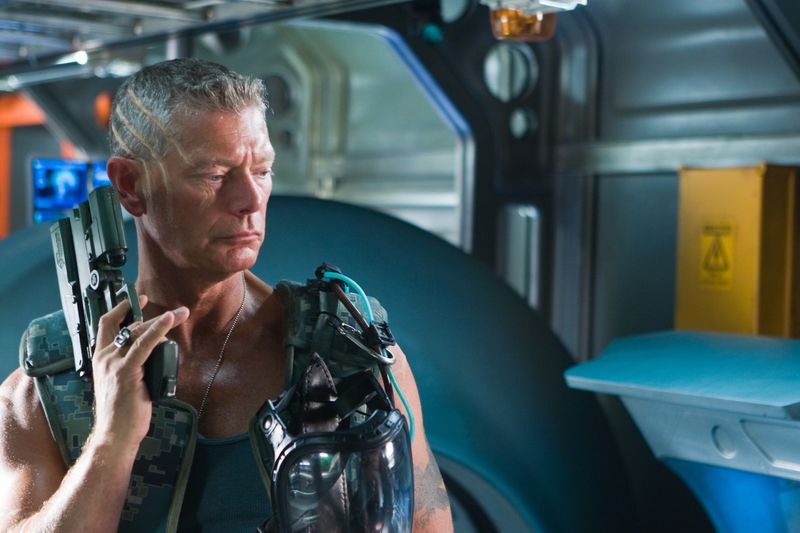
Militarized arrogance is a special kind of villainy, especially when it treats an entire world like a target range.
He frames conquest as common sense, then acts offended when anyone challenges the idea that force equals righteousness.
The film builds him as a relentless engine, which makes every victory against him feel like pushing back a bulldozer.
When the final battle arrives, the audience has already watched him ignore warnings, dismiss humanity, and double down on brutality.
That history turns his downfall into catharsis, because it feels like nature and justice finally aligning.
The moment lands not as a cheap shock, but as the logical end of his refusal to stop.
By the end, the relief comes from knowing the threat won’t keep coming back with bigger guns.
7. Captain Vidal — Pan’s Labyrinth (2006)
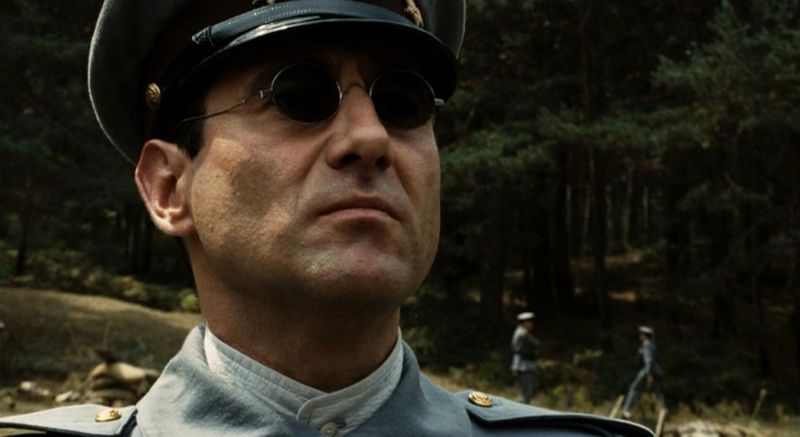
Cruelty is scarier when it’s calm, meticulous, and convinced it deserves obedience.
He clings to authority like a religion, demanding perfection from others while showing no mercy when they fail.
The film contrasts his rigid worldview with innocence and imagination, which makes his brutality feel even more unforgivable.
As the story progresses, you realize he isn’t just violent, but obsessed with legacy, as if cruelty can be inherited like a watch.
That’s why his final moments feel like a moral reset, not a random punishment.
He loses control in the only way someone like him can, by being denied the power to define the narrative.
The satisfaction comes from watching tyranny meet a firm, unyielding boundary.
8. Scar — The Lion King (1994)
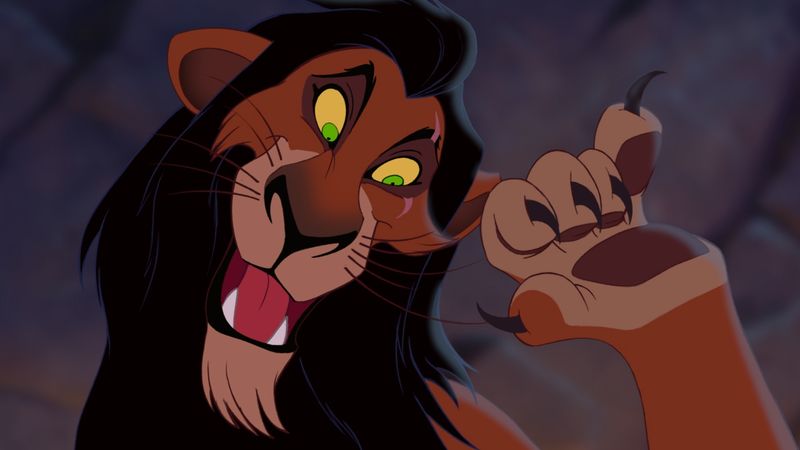
Manipulation hits harder when it comes wrapped in charm, sarcasm, and a voice that always sounds one step ahead.
He lies, schemes, and betrays without hesitation, then plays the victim whenever consequences get close.
What makes the payoff so satisfying is how long he hides behind others, letting blame and danger fall on anyone but himself.
By the time the truth is exposed, the audience has watched the cost of his ambition spread across an entire kingdom.
His downfall feels earned because it’s built from his own choices, not from a random stroke of luck.
There’s also an unmistakable “you did this to yourself” energy that seals the catharsis.
When he finally loses everything, it feels like the story breathing again.
9. The T-1000 — Terminator 2: Judgment Day (1991)
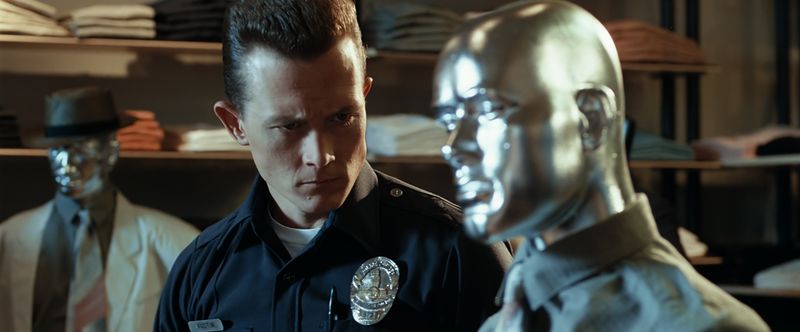
Relentless villains are terrifying because they don’t bargain, don’t tire, and don’t stop coming, no matter what it costs.
This one feels less like a person and more like a force of nature, which makes every escape scene pulse with dread.
The movie repeatedly shows how hard it is to even slow him down, turning survival into a math problem with no good answers.
That’s why the finale is so satisfying, because it delivers closure after two hours of constant pursuit.
The defeat is also visually unforgettable, translating “finally, it’s over” into something you can practically feel.
It lands as a payoff for every narrow escape and every sacrifice that kept the heroes moving forward.
When the threat disappears, the silence afterward feels like victory all by itself.
10. Carter Burke — Aliens (1986)
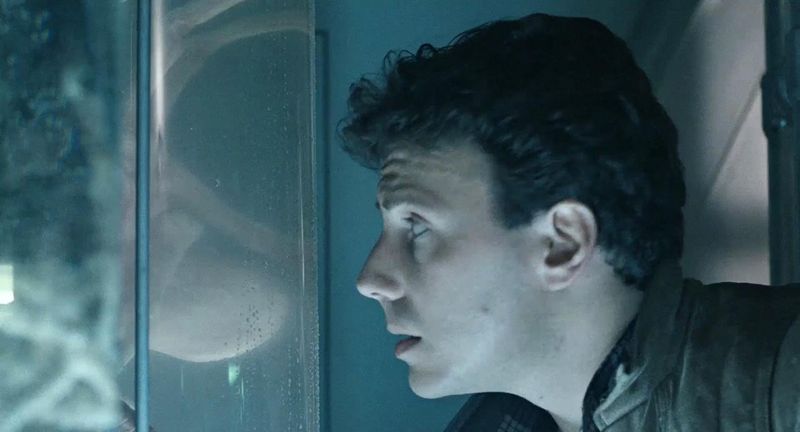
Corporate cowardice is easy to hate because it smiles politely while putting everyone else in danger.
He talks like a team player, but every decision he makes is calculated to protect his own career, not human lives.
The film gives you multiple chances to hope he’ll do the right thing, and he keeps choosing profit and self-preservation instead.
That repeated betrayal creates a slow-burn fury that’s uniquely satisfying when it finally pays off.
His end works because it matches the kind of person he is, someone who always thought he could slip out through a side door.
There’s no heroic glow around the moment, just consequence arriving with blunt finality.
In a movie full of monsters, his comeuppance proves that the slimiest threat can still be human.
Comments
Loading…