
 Jade Reed
Some of the most beloved films in cinema history carry an unexpected burden.
When fans become too passionate, their demands and expectations can actually harm the movies they claim to love.
From forcing unnecessary characters into sequels to creating impossible standards that no filmmaker could meet, overzealous fanbases have left their mark on Hollywood in ways that weren’t always positive.
1. Star Wars: The Rise of Skywalker
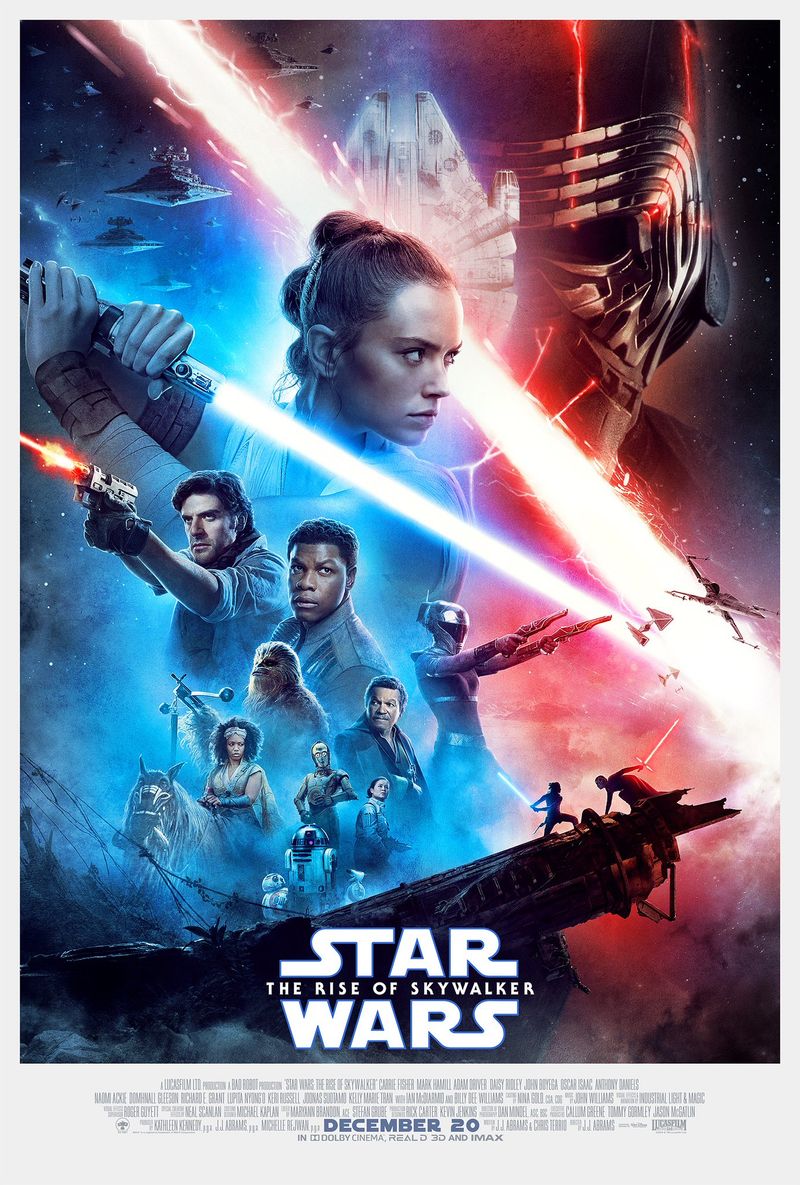
Fans screamed for closure to the Skywalker saga, but their massive expectations created an impossible situation.
Director J.J. Abrams faced pressure from every direction, with longtime supporters demanding callbacks to the original trilogy while newer viewers wanted fresh storytelling.
The sudden resurrection of Emperor Palpatine felt rushed and unexplained.
Many believe this decision came from desperate attempts to please fans who rejected the previous film’s bold choices.
Instead of trusting a new vision, the studio panicked and brought back a familiar villain without proper setup.
What could have been a satisfying conclusion became a messy attempt to satisfy everyone.
The film juggled too many fan service moments, leaving little room for coherent storytelling that would have honored the characters properly.
2. Spider-Man 3
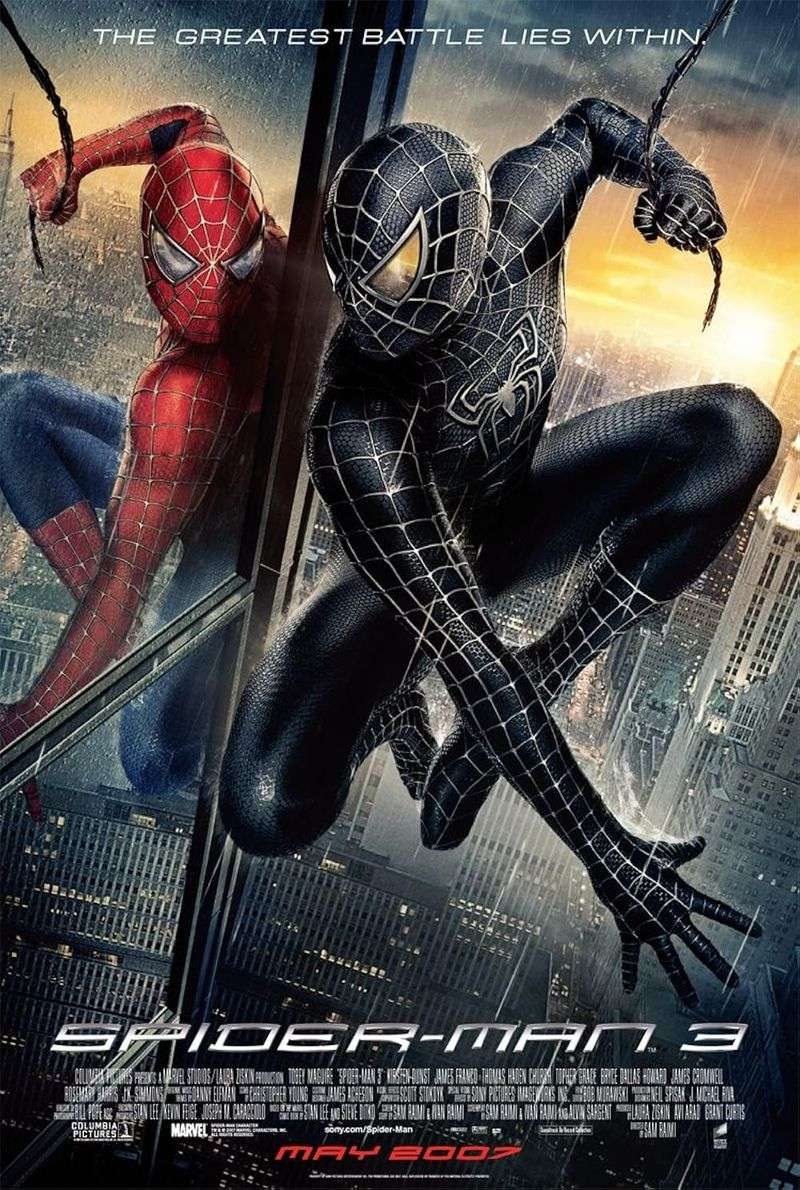
Sam Raimi had a clear vision for his third Spider-Man adventure.
Then Sony executives listened to fan demands for Venom, a character the director never wanted to include.
This studio interference, driven by fanbase pressure, crammed three villains into one movie where two would have been plenty.
The Sandman storyline had emotional depth and connected beautifully to Uncle Ben’s death.
Harry’s transformation into the New Goblin provided natural character progression.
But Venom felt shoehorned in, stealing screen time from more developed plots and creating a bloated, unfocused mess.
Raimi later admitted he didn’t understand or connect with the character.
Fans got what they demanded but lost the tight, emotionally resonant story they deserved from a director at his peak.
3. Batman v Superman: Dawn of Justice
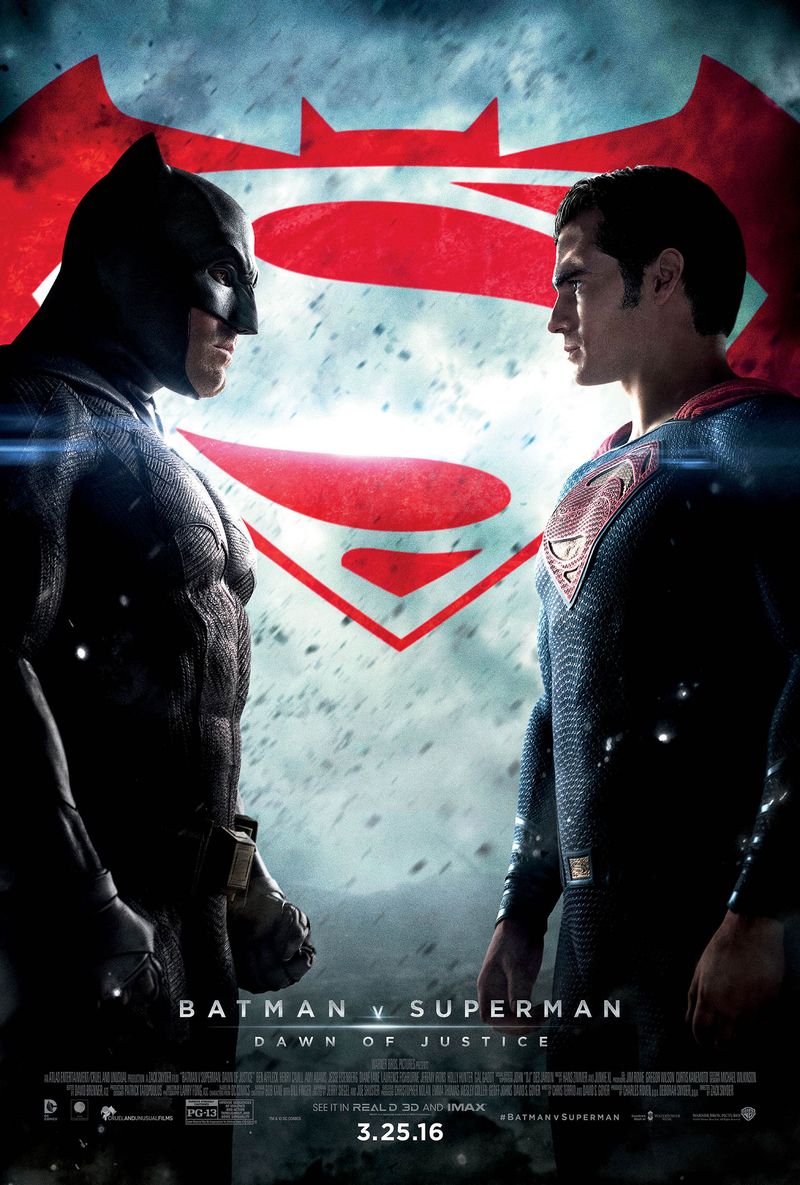
Years of fan debates about who would win in a fight finally got their answer.
Unfortunately, the movie tried too hard to address every online argument and forum discussion about these characters.
Zack Snyder crafted a dark, serious take that divided audiences before it even premiered.
The infamous Martha scene became internet mockery almost instantly.
Batman stops his attack because both heroes’ mothers share the same name, which fans rightfully criticized as shallow and contrived.
This moment was supposed to humanize Superman but instead highlighted how the film prioritized spectacle over genuine emotional connection.
Fan expectations for a gritty, realistic superhero battle overshadowed opportunities for meaningful character development.
The movie delivered stunning visuals but forgot why people actually care about these iconic heroes.
4. The Matrix Reloaded
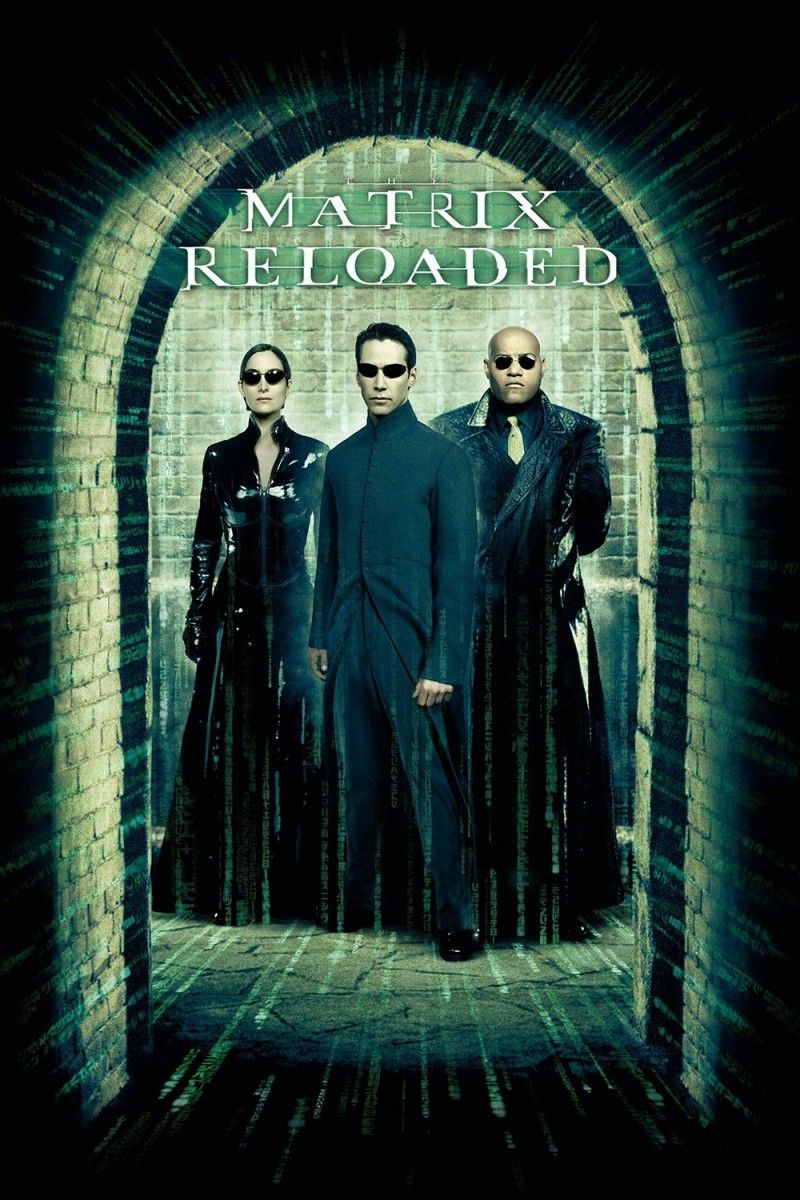
Did you know the original Matrix was never meant to have sequels?
The Wachowskis created a perfect, self-contained story.
But fans and studios demanded more, leading to two back-to-back sequels that struggled under the weight of impossible expectations.
Reloaded introduced complex philosophy and world-building that many viewers found confusing rather than enlightening.
The first film’s simplicity made it accessible; the sequel assumed everyone wanted dense explanations about programs, exile characters, and the nature of choice versus destiny.
Long action sequences like the highway chase impressed technically but lacked the first film’s emotional stakes.
Fans wanted bigger and got it, but lost the intimate hero’s journey that made Neo’s story so compelling originally.
Sometimes more isn’t better.
5. Fantastic Beasts and Where to Find Them
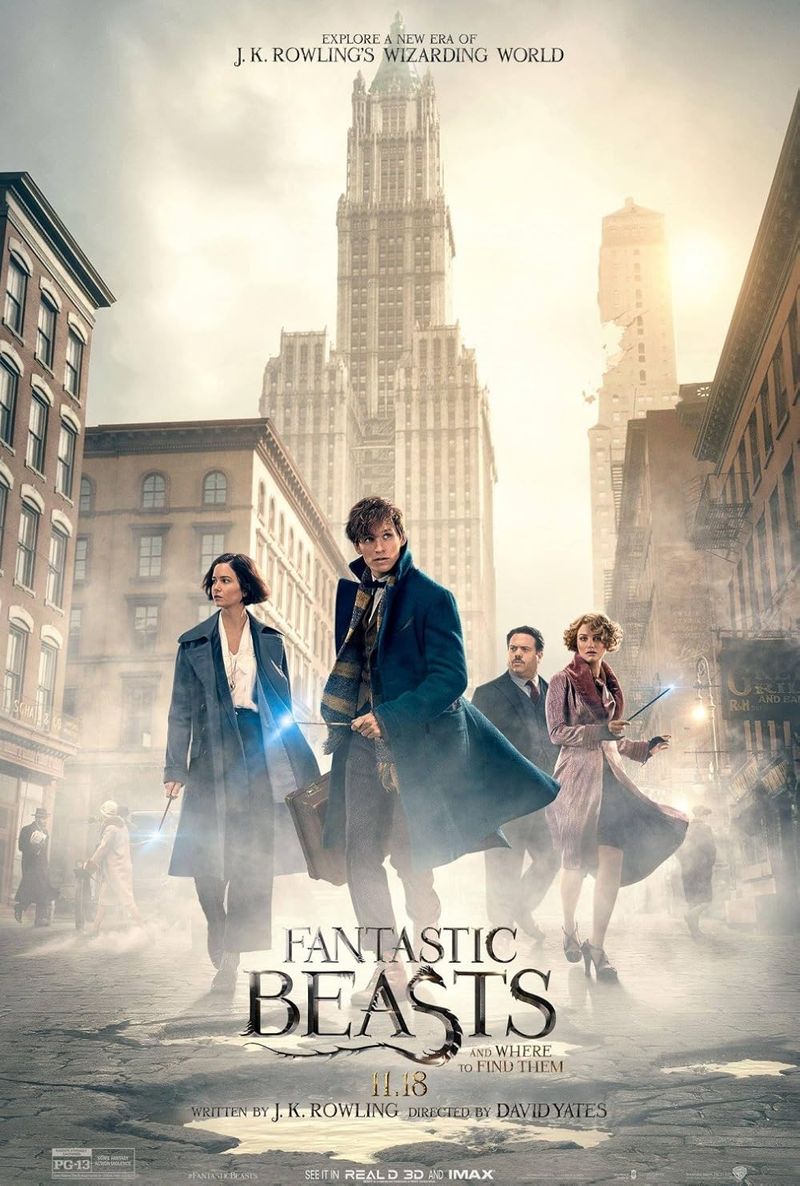
Harry Potter fans craved more magical world content, pushing J.K. Rowling to expand her universe beyond Hogwarts.
The Fantastic Beasts series launched with promise, introducing compelling new characters in 1920s New York.
Colin Farrell’s Percival Graves commanded every scene with mysterious intensity and charisma.
Then came the twist nobody needed.
Graves was actually Grindelwald in disguise, revealed to be Johnny Depp in the final moments.
This decision wasted a fascinating character development and felt like fan service gone wrong, prioritizing a connection to existing lore over fresh storytelling.
Audiences invested in Graves’ complex motivations only to learn he never existed.
The reveal cheapened the entire film and showed how prequel pressure can sabotage potentially great standalone stories.
6. Jurassic Park III
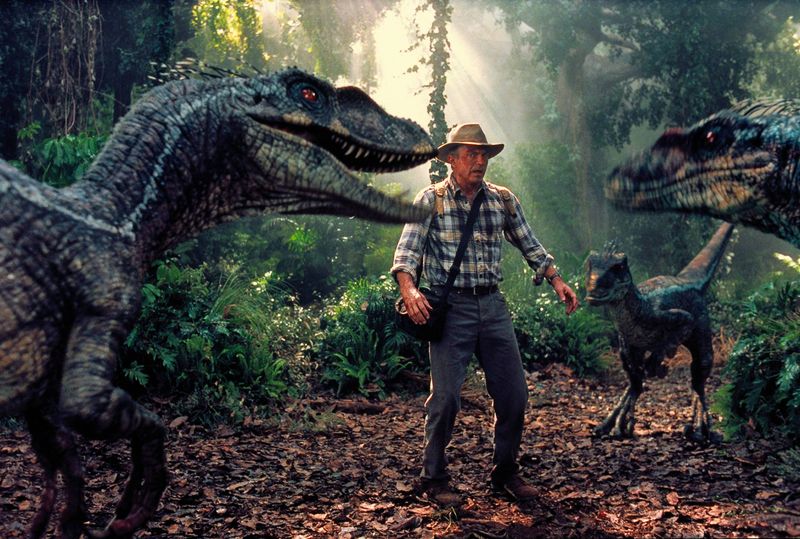
Fans loved the intelligent velociraptors from the first two films.
They became iconic villains, sparking countless discussions about dinosaur intelligence.
The third installment tried pushing this concept further with a dream sequence where a raptor literally speaks Alan Grant’s name.
What was meant to be a nightmare came across as unintentionally hilarious.
The talking raptor moment broke the franchise’s established tone, crossing from thrilling science fiction into absurd territory.
Audiences laughed when they should have felt tension, undermining the entire scene’s purpose.
This misstep showed how fan fascination with certain elements can push filmmakers toward bad creative choices.
The raptors were scary because they were smart animals, not because they could talk.
Sometimes respecting boundaries makes better movies than constantly exceeding them.
7. The Hobbit Trilogy
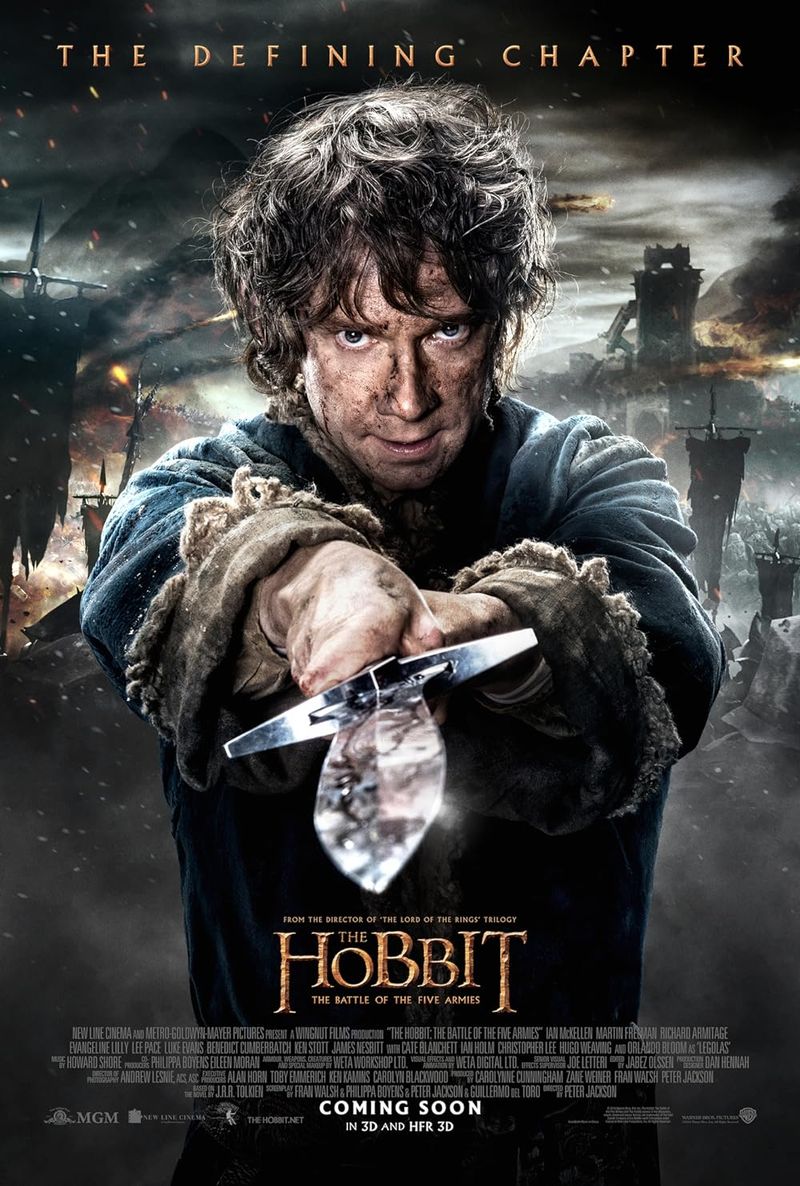
Peter Jackson’s Lord of the Rings trilogy achieved legendary status, creating impossibly high expectations.
When fans learned about a Hobbit adaptation, they demanded the same epic scale for a much simpler children’s book.
Studio pressure transformed one film into three, stretching a short adventure into nearly nine hours.
The original story’s charm came from its intimate, lighthearted tone.
Instead, audiences got bloated battle sequences, unnecessary love triangles, and CGI overload.
Fans wanted more Middle-earth content but received quantity over quality, diluting Tolkien’s delightful tale into exhausting spectacle.
Jackson himself seemed reluctant, taking over late in production.
The result pleased nobody completely, proving that fan demand doesn’t always align with artistic integrity or source material respect.
8. Ghostbusters (2016)
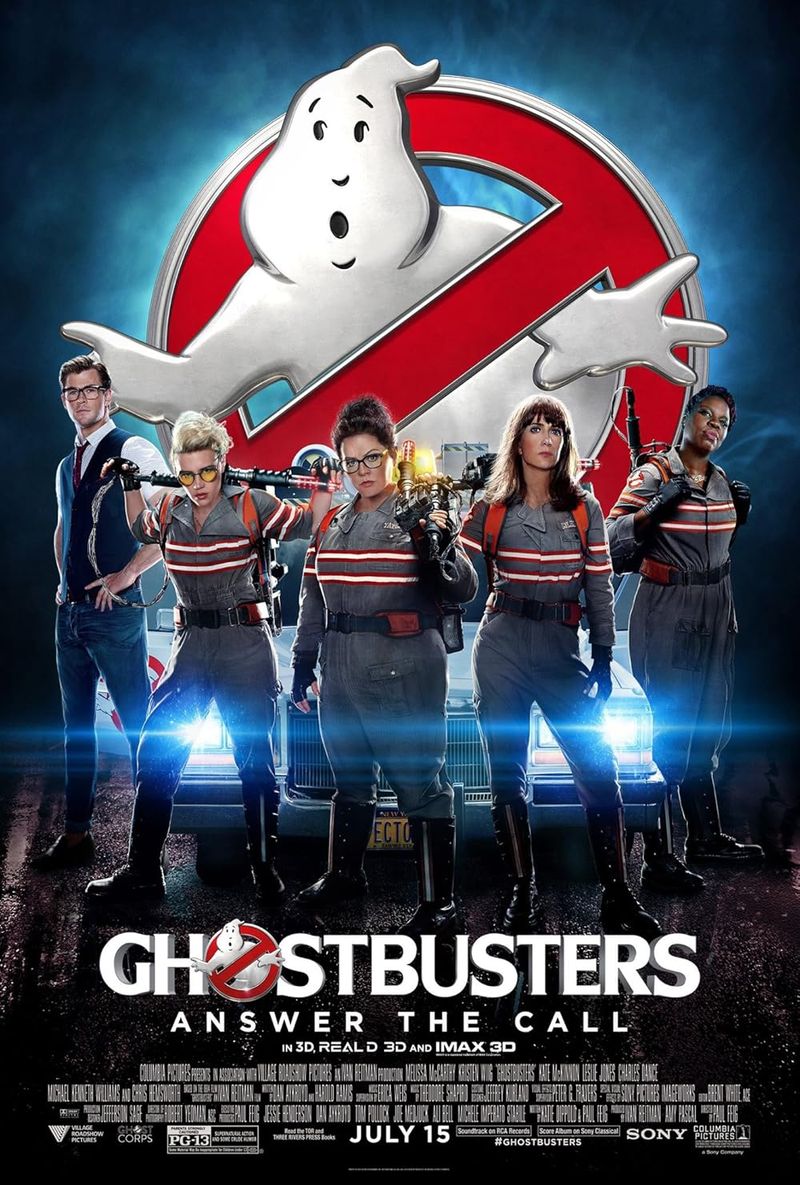
Before this film even started shooting, online fanbase wars erupted.
Original Ghostbusters fans split into camps: some excited for a fresh take, others furiously opposed to an all-female cast.
This toxic environment poisoned the movie’s reception before anyone saw a single frame.
The actual film had genuine problems unrelated to its casting choices.
Weak villain motivations and inconsistent tone hampered the story.
However, constructive criticism became impossible amid the screaming match between defensive supporters and angry purists who refused to give it a chance.
Neither extreme helped the movie succeed on its own merits.
Fan expectations and prejudices created such noise that the film’s real strengths and weaknesses got lost.
Sometimes fanbases damage movies simply by making rational discussion impossible.
9. Star Wars: The Last Jedi
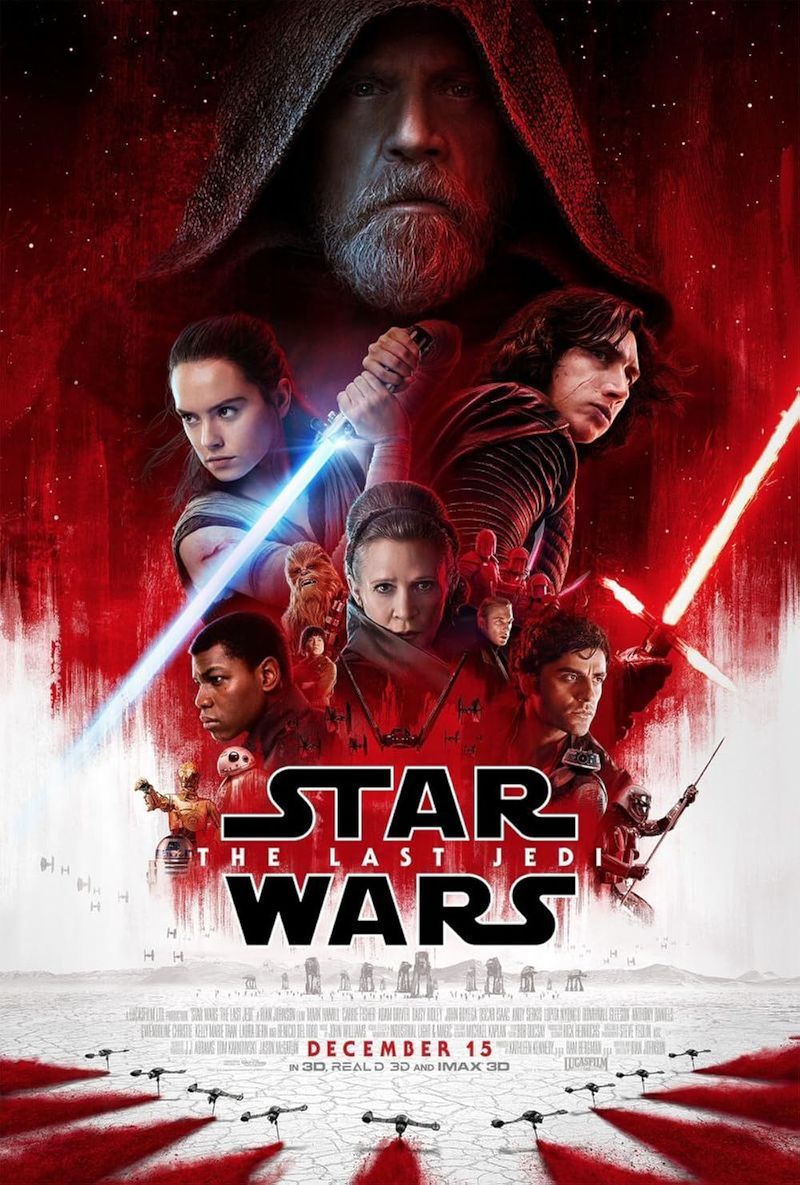
Director Rian Johnson made bold storytelling choices that challenged fan expectations about Luke Skywalker’s character.
Instead of the triumphant hero fans imagined, they met a broken, disillusioned hermit who had given up on the Jedi Order.
This creative risk sparked unprecedented backlash.
The film explored failure, legacy, and letting go of the past in thoughtful ways.
But longtime fans wanted their childhood hero restored to glory, not deconstructed with nuance and complexity.
Online harassment campaigns targeted the cast and crew, creating a toxic environment around legitimate artistic decisions.
Whether you loved or hated Johnson’s vision, the fanbase reaction became more memorable than the movie itself.
This controversy influenced future Star Wars projects, proving how fan pressure can restrict creative freedom and homogenize storytelling.
Comments
Loading…