
 Mary Murphy
The Academy Awards are supposed to honor the best films and performances of the year, but sometimes the voters get it wrong.
Over the decades, there have been shocking upsets where deserving movies and actors lost to less impressive competition.
These controversial wins still spark heated debates among movie fans and critics, making us wonder what the Academy was thinking.
1. Crash Beats Brokeback Mountain (Best Picture, 2006)
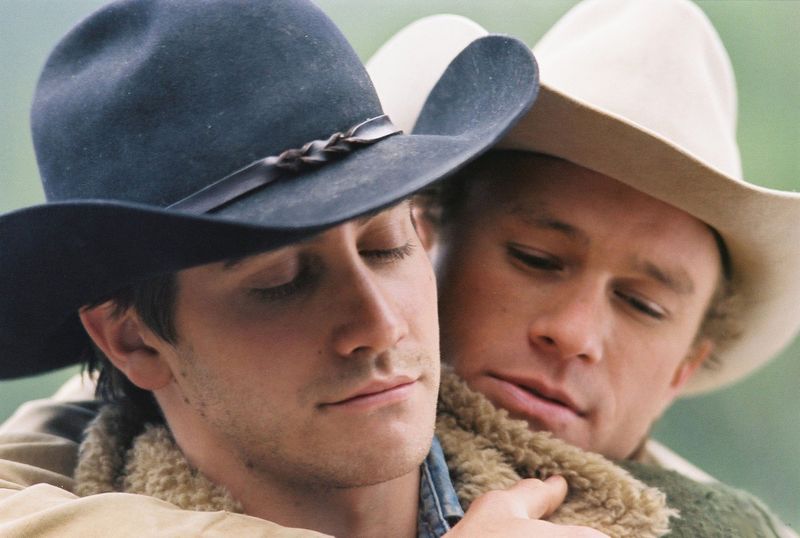
Many critics and audiences were stunned when Crash won Best Picture over Brokeback Mountain in 2006.
The ensemble drama about racial tensions in Los Angeles felt like a safe, predictable choice.
Brokeback Mountain told a groundbreaking love story between two cowboys that challenged Hollywood norms.
Director Ang Lee crafted a beautiful, emotional film that resonated deeply with viewers worldwide.
The movie broke barriers and started important conversations.
Looking back, most film experts agree that Brokeback Mountain deserved the trophy.
Its cultural impact and artistic achievement far surpassed Crash.
The Academy seemed afraid to honor a same-sex love story at that time.
2. Shakespeare in Love Over Saving Private Ryan (Best Picture, 1999)
Steven Spielberg creates one of the most intense war films ever made, complete with that unforgettable beach landing scene.
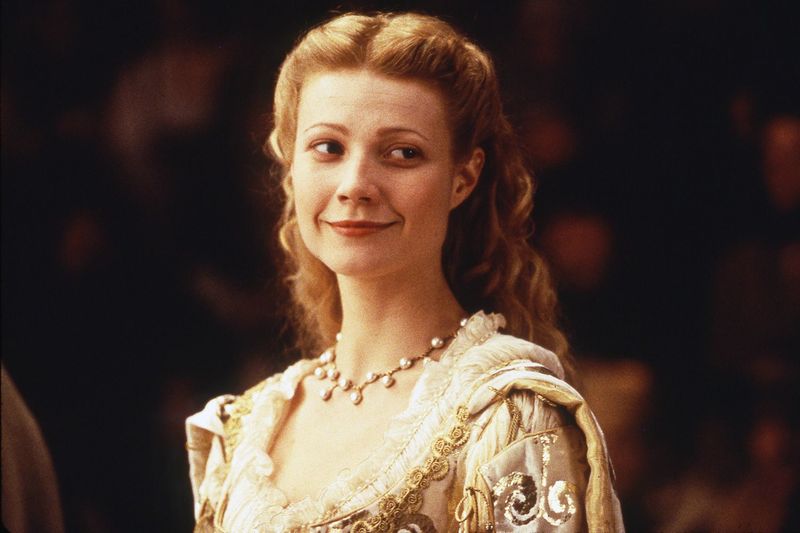
Then a charming romantic comedy about William Shakespeare beats it for the biggest prize in Hollywood.
That’s exactly what happened in 1999 when Shakespeare in Love won Best Picture.
The Weinstein Company ran an aggressive campaign that clearly worked on Academy voters.
Saving Private Ryan changed how war movies were made forever.
The opening battle sequence alone showed more innovation than most entire films.
Spielberg’s masterpiece earned critical acclaim and touched audiences emotionally.
This remains one of the Academy’s most embarrassing decisions ever.
3. Gwyneth Paltrow Beats Cate Blanchett (Best Actress, 1999)
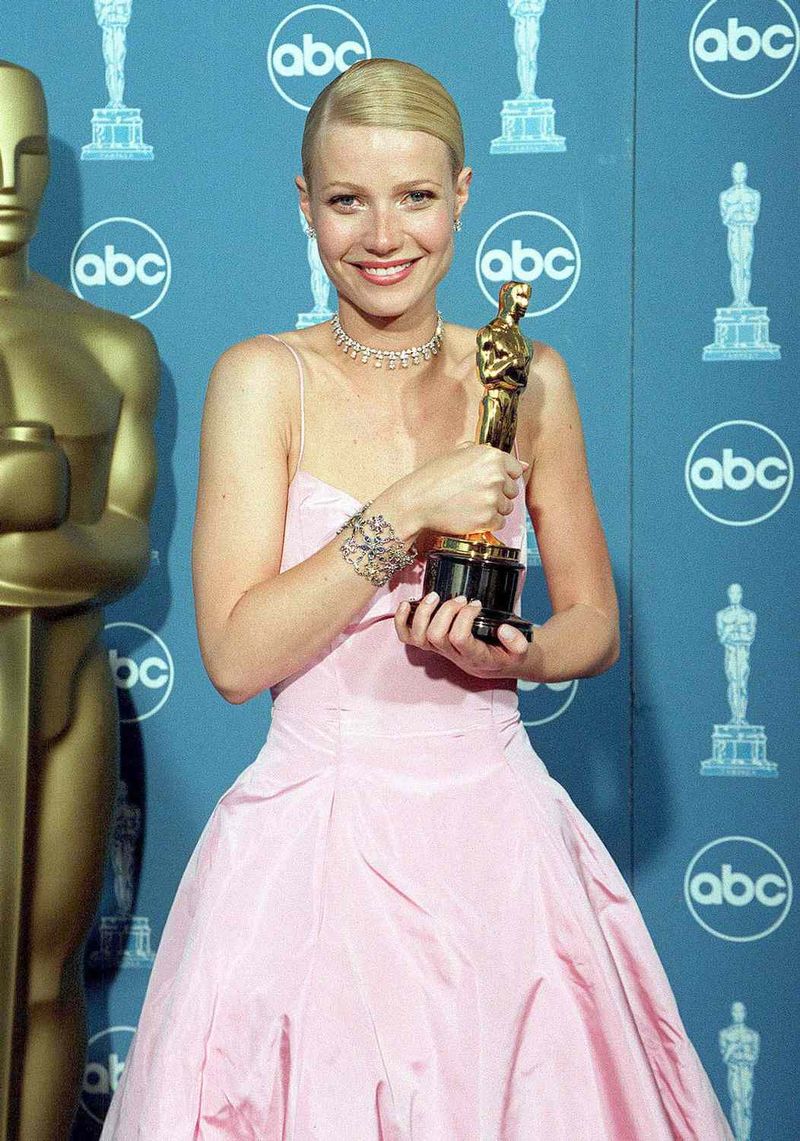
Gwyneth Paltrow gave a sweet performance as Viola in Shakespeare in Love, but was it truly Oscar-worthy?
She cried prettily and delivered her lines well in a lightweight romantic role.
Meanwhile, Cate Blanchett completely transformed into Queen Elizabeth I in Elizabeth.
Her commanding presence and complex portrayal showed real acting chops.
Blanchett brought depth, power, and vulnerability to the famous monarch.
The Australian actress made you forget you were watching a performance at all.
She disappeared into the role completely.
Paltrow’s win felt more like a popularity contest than recognition of superior acting.
Even Paltrow herself has admitted feeling surprised by her victory.
4. Green Book Over Roma (Best Picture, 2019)
Alfonso Cuarón poured his heart into Roma, a stunning black-and-white film shot in his native Mexico.
Every frame looked like a work of art, telling a deeply personal story about his childhood.
The movie earned widespread critical praise and seemed like the obvious winner.
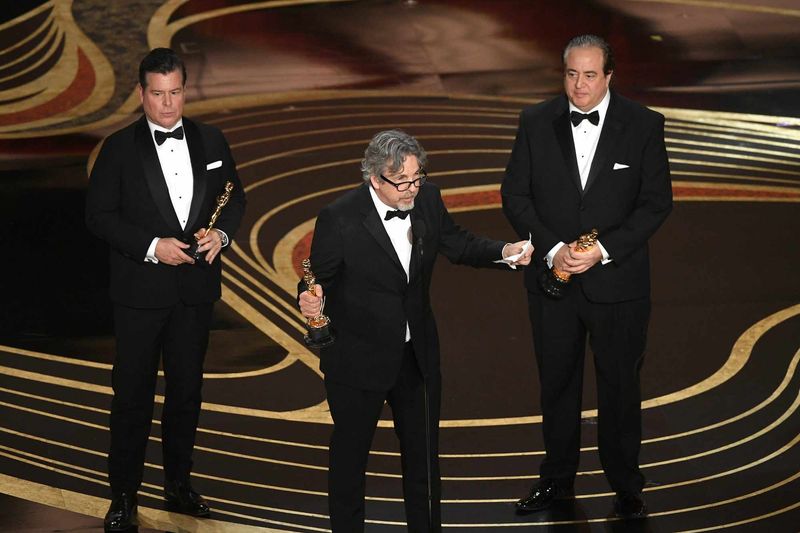
Then Green Book swooped in with its feel-good story about unlikely friendship.
Critics called it a simplistic view of race relations that made white audiences comfortable.
The film followed tired formulas instead of breaking new ground.
Roma represented true artistic vision and technical mastery.
Green Book was just another buddy road trip movie.
The Academy chose safe over groundbreaking once again.
5. Forrest Gump Beats Pulp Fiction and Shawshank (Best Picture, 1995)
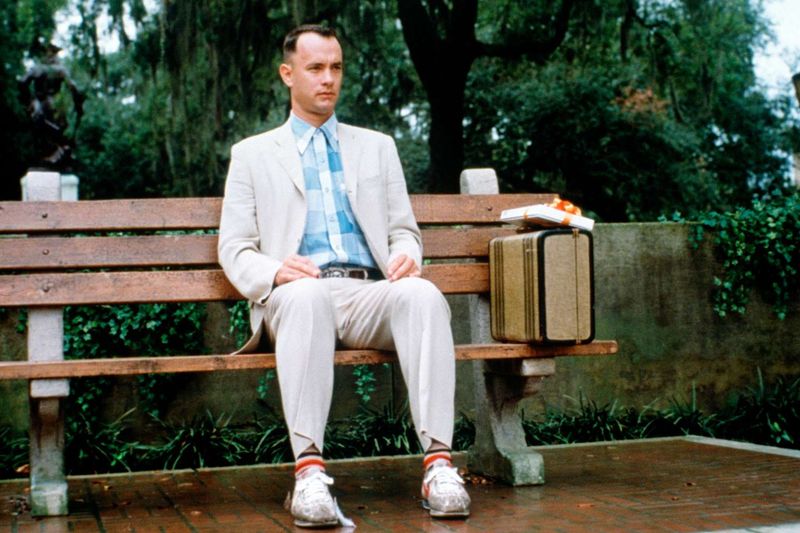
The year 1994 gave us three absolute classics, but the Academy picked the sentimental favorite.
Forrest Gump charmed viewers with its heartwarming story and special effects that inserted Tom Hanks into historical footage.
It made audiences feel good about America.
But Pulp Fiction revolutionized storytelling with its non-linear structure and unforgettable dialogue.
Quentin Tarantino created something genuinely original that influenced countless films afterward.
The Shawshank Redemption offered an equally powerful prison drama.
Both losing films aged better than Forrest Gump’s overly sweet approach.
Today, more people consider them the true classics from that year.
Sometimes the Academy values comfort over innovation.
6. Rami Malek Over Christian Bale (Best Actor, 2019)
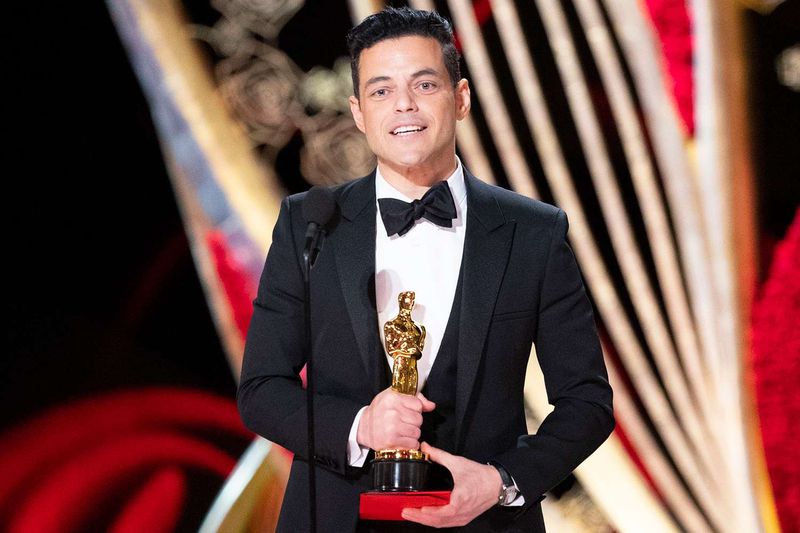
Rami Malek did an impressive job mimicking Freddie Mercury’s stage presence and mannerisms in Bohemian Rhapsody.
He studied the Queen frontman’s movements carefully and delivered the concert scenes with energy.
Viewers enjoyed watching him recreate those iconic performances.
However, Christian Bale literally transformed his body and voice to become Dick Cheney in Vice.
The physical transformation was just the beginning of his incredible work.
Bale captured the former Vice President’s subtle mannerisms and quiet intensity perfectly.
He made you believe you were watching the real Cheney making powerful decisions.
Malek gave a great impersonation while Bale created a fully realized character.
The difference matters when judging true acting excellence.
7. Suicide Squad Wins Best Makeup Over Star Trek Beyond (2017)
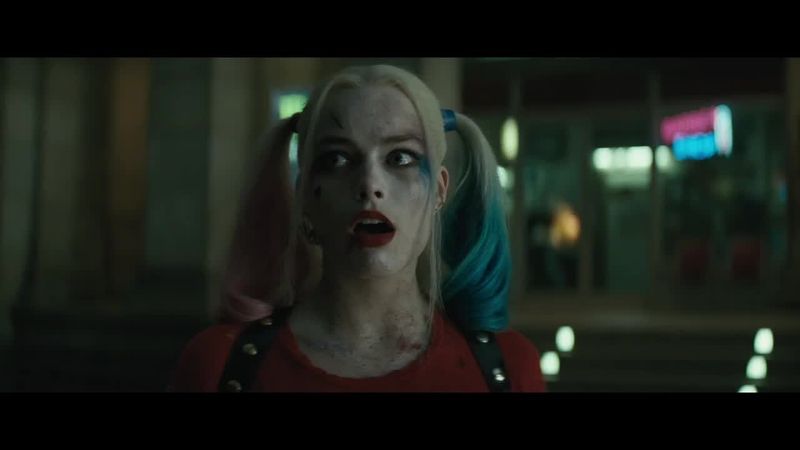
Here’s a shocker: Suicide Squad actually won an Oscar before Martin Scorsese or Alfred Hitchcock ever did.
The superhero movie featuring Jared Leto’s controversial Joker beat out Star Trek Beyond in the makeup category.
Film fans couldn’t believe what they were hearing.
Star Trek Beyond created fifty unique alien species with detailed prosthetics and practical effects.
The artists working on that film showed real creativity and skill.
Their work helped build an entire believable universe.
Suicide Squad just slapped some tattoos on actors and called it a day.
The Joker’s grill looked ridiculous rather than threatening.
This win proved that Academy voters don’t always watch all the nominees carefully.
8. The King’s Speech Beats The Social Network (Best Picture, 2011)
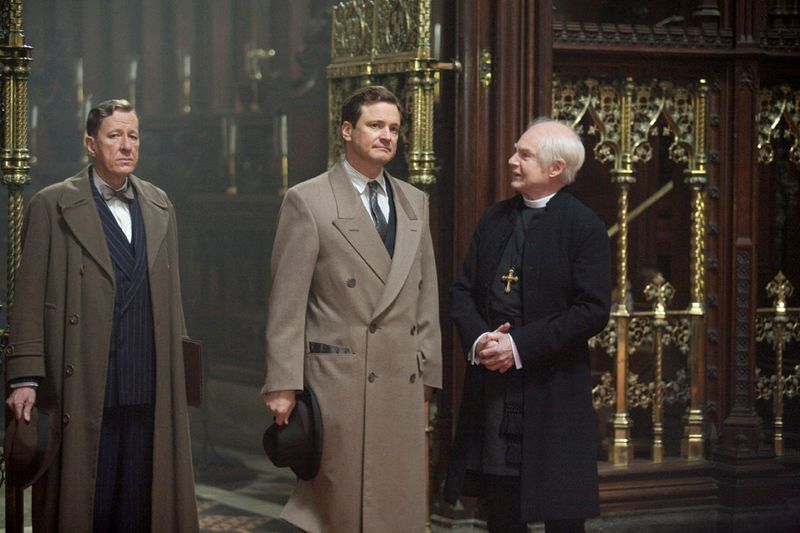
Colin Firth stuttered his way to Oscar glory in The King’s Speech, a traditional period drama about British royalty.
The movie followed every predictable beat of an inspirational biopic.
Audiences loved seeing a king overcome his speech impediment with help from an unconventional teacher.
The Social Network told the story of Facebook’s creation with razor-sharp dialogue and modern relevance.
David Fincher directed a thriller about friendship, betrayal, and the internet age.
Aaron Sorkin’s screenplay crackled with intelligence and wit.
The film captured something essential about how we communicate now.
The King’s Speech felt like homework by comparison.
One movie defined a generation while the other just won awards.
Comments
Loading…