
 Jade Reed
15 ’80s TV Shows That Might Be Best Left in the Past
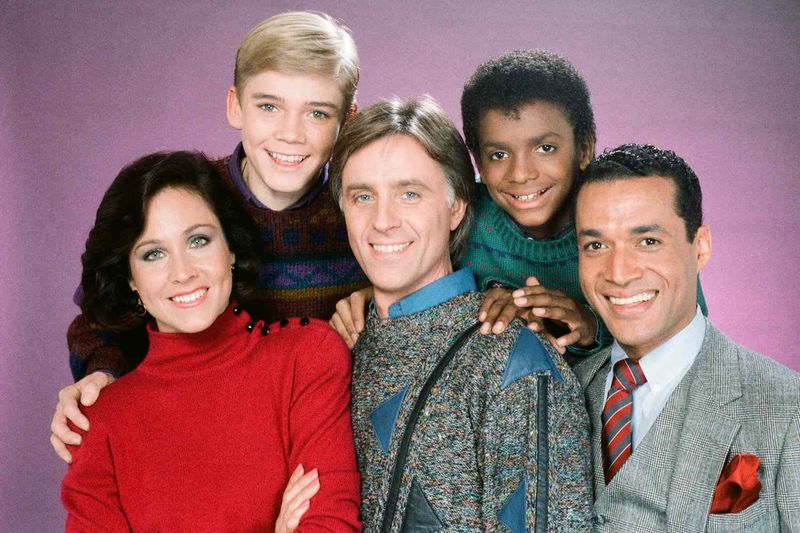
The 1980s gave us countless memorable TV shows, from family sitcoms to action-packed dramas.
While many of these programs hold a special place in our hearts, not all of them have aged gracefully.
Some relied on outdated stereotypes, questionable humor, or concepts that simply don’t work in today’s world.
Here are 15 shows from that colorful decade that probably shouldn’t make a comeback.
1. Small Wonder
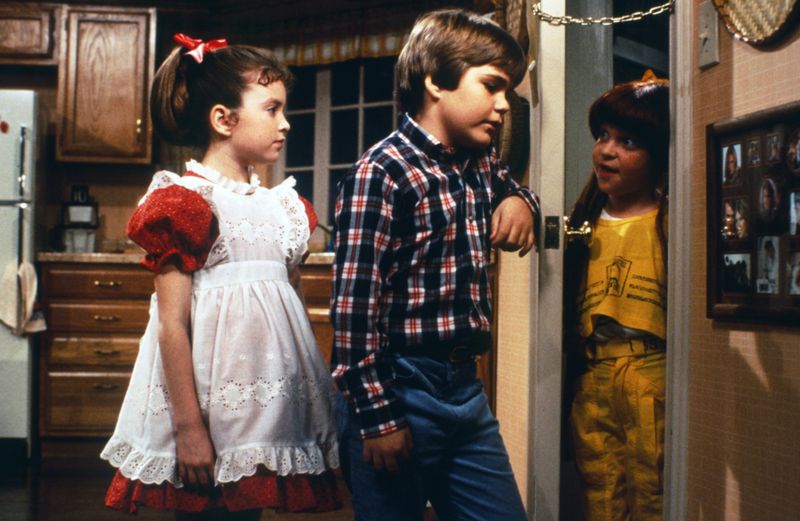
A robot girl living as a normal family member sounds odd today, and it was pretty strange back then too.
The show followed a family with a secret android daughter who could lift cars and freeze time, yet somehow attended regular school.
Beyond the bizarre premise, the relationships felt uncomfortable.
Watching an inventor treat his creation like property while expecting human emotions creates an unsettling dynamic that modern audiences would likely find disturbing rather than entertaining.
2. Manimal
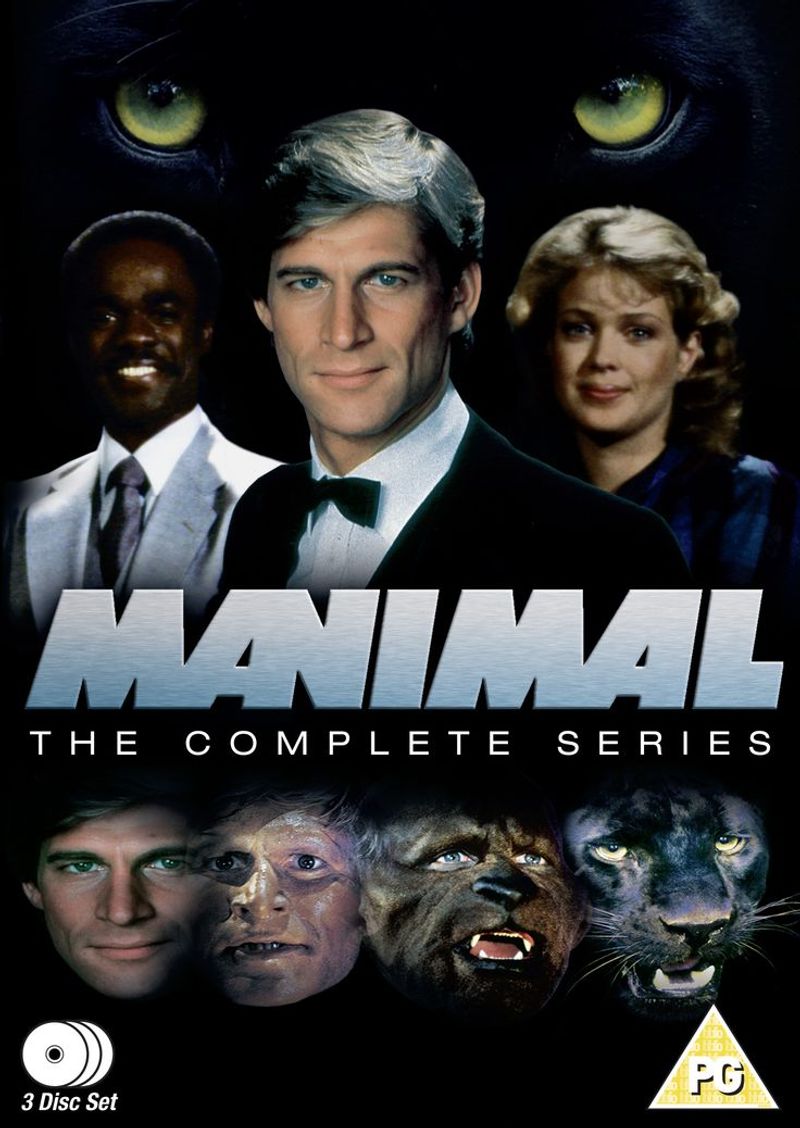
A detective who fights crime by transforming into animals.
That was the entire concept, and it lasted exactly eight episodes before getting cancelled.
The special effects looked cheap even by 1980s standards, showing awkward morphing sequences that were more laughable than impressive.
The stories made little sense, as the hero would turn into a hawk or panther at random moments, regardless of whether it helped solve the case.
Today’s CGI-spoiled audiences would find the rubber masks and slow transformations absolutely hilarious for all the wrong reasons.
3. The Dukes of Hazzard
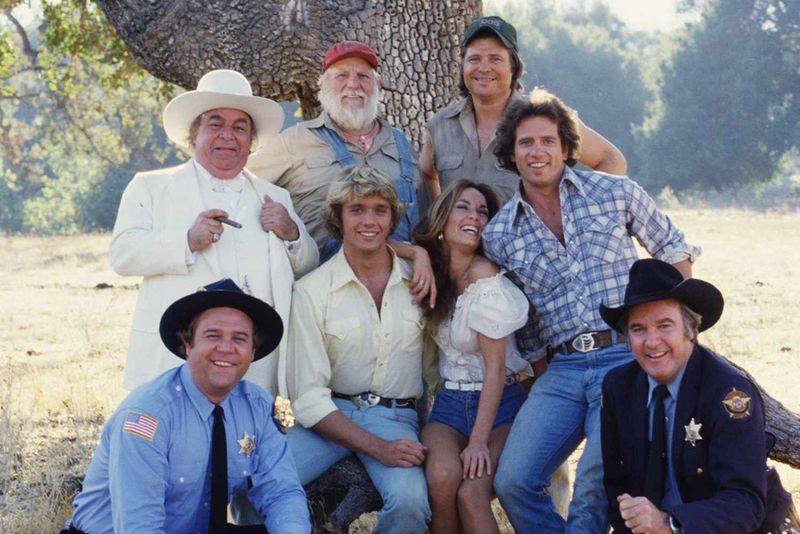
Those good ol’ boys might have been charming back then, but their famous orange car has become a major controversy.
The General Lee’s prominent Confederate flag has made this show impossible to rerun without serious backlash.
Beyond the flag issue, the show portrayed Southern stereotypes that feel outdated and offensive.
The bumbling sheriff, the corrupt boss, and the heroes who constantly broke laws while being treated as good guys created a strange moral compass that doesn’t hold up to modern scrutiny.
4. Automan
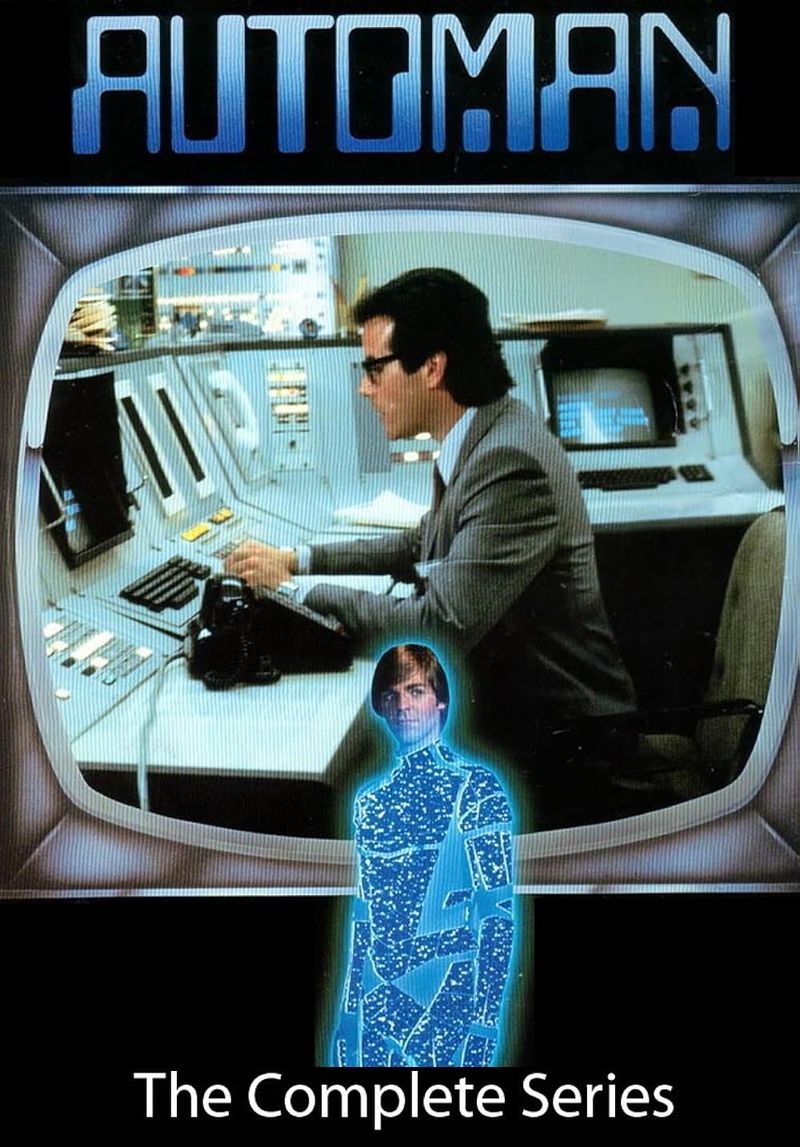
Computer programmer creates a glowing digital superhero who emerges from computers to fight crime.
What seemed cutting-edge in 1983 now looks like a video game from the Stone Age.
The glowing suit and pixelated effects were meant to show futuristic technology but instead showcase how far we’ve come in visual effects.
His companion was a cursor that transformed into vehicles, which sounds cooler than it looked.
The stories relied heavily on computer concepts that even kids today would find laughably outdated, making this show feel ancient rather than retro-cool.
5. My Two Dads
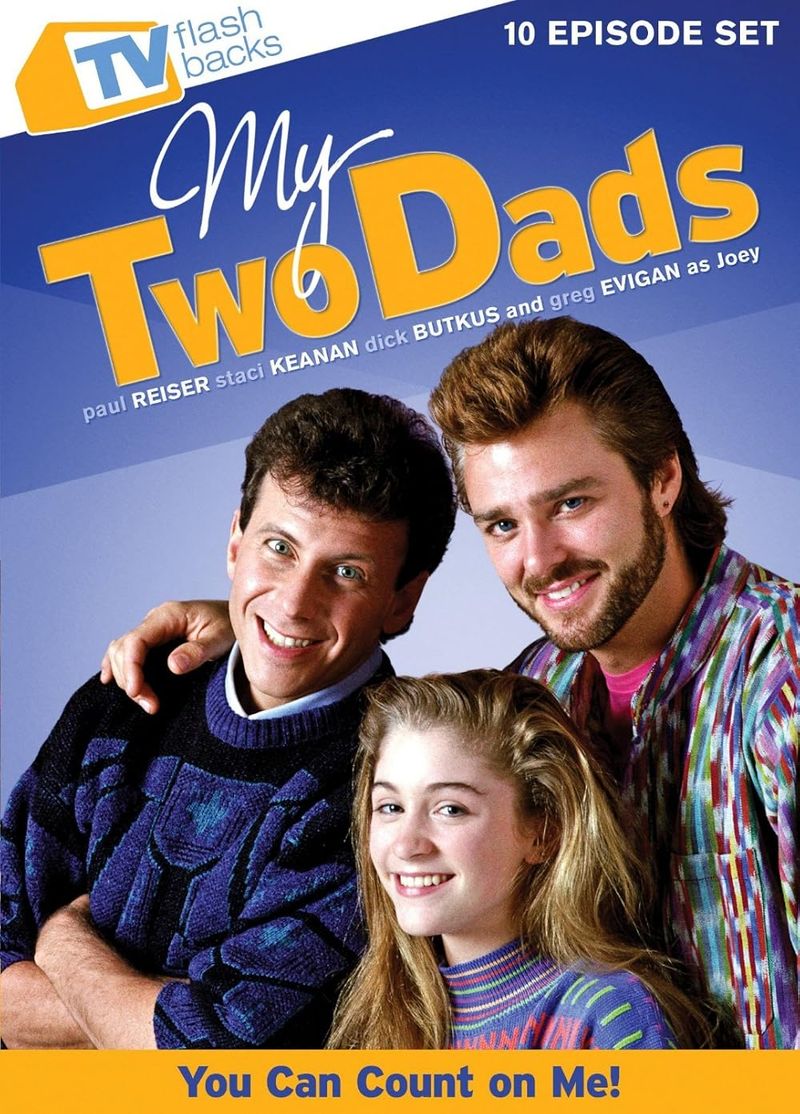
When a woman passes away, her daughter ends up living with two men who might be her father.
Both guys move in together to raise her, which created an unusual living situation that raised eyebrows even back then.
The entire premise hinged on nobody wanting to do a paternity test, which seems ridiculous today.
The show tried playing the awkward custody arrangement for laughs, but modern viewers would probably question why child services weren’t involved.
The jokes about two bachelors learning to raise a teenage girl often crossed lines that wouldn’t fly in current television standards.
6. Charles in Charge
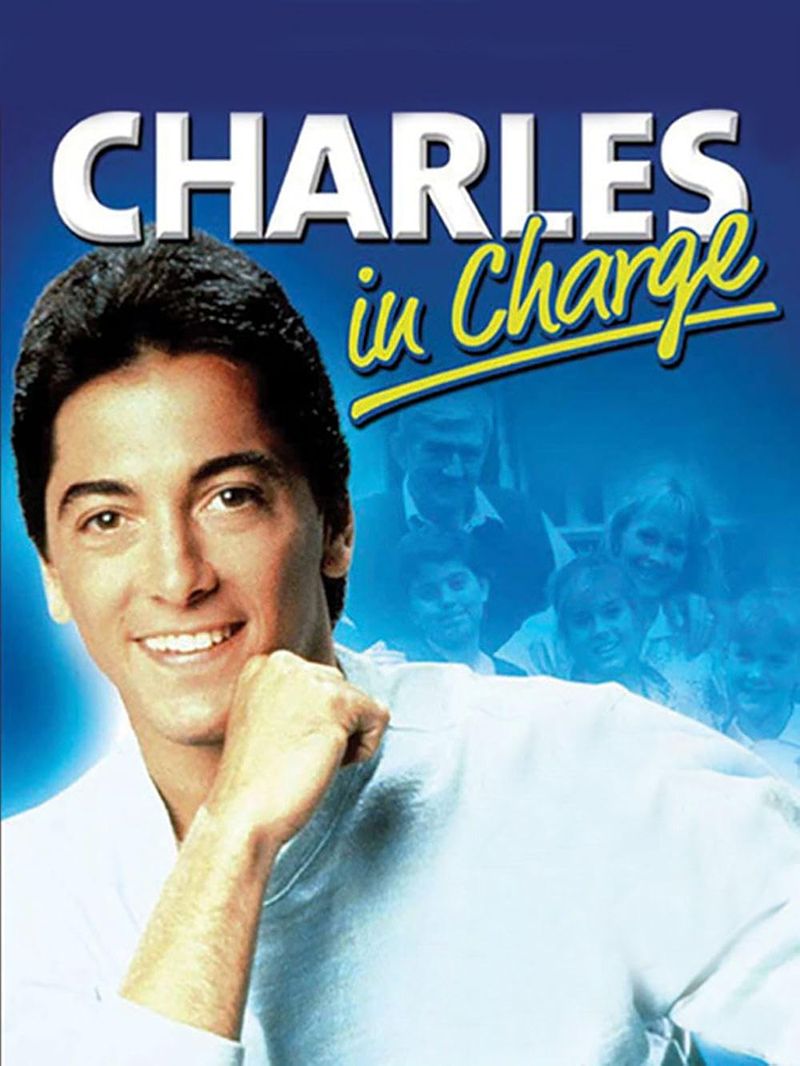
Scott Baio played a college student who moved in with families to babysit their kids.
While live-in nannies are common, having an unrelated young man living with families and watching their children full-time seems questionable through today’s lens.
The show played up Charles as a heartthrob who dated frequently while caring for kids, creating uncomfortable scenarios.
Episodes often featured him in awkward situations with the mothers or teenage daughters, pushing boundaries that would concern parents nowadays.
The whole setup feels like something that would trigger background checks and serious conversations rather than a lighthearted sitcom.
7. Webster
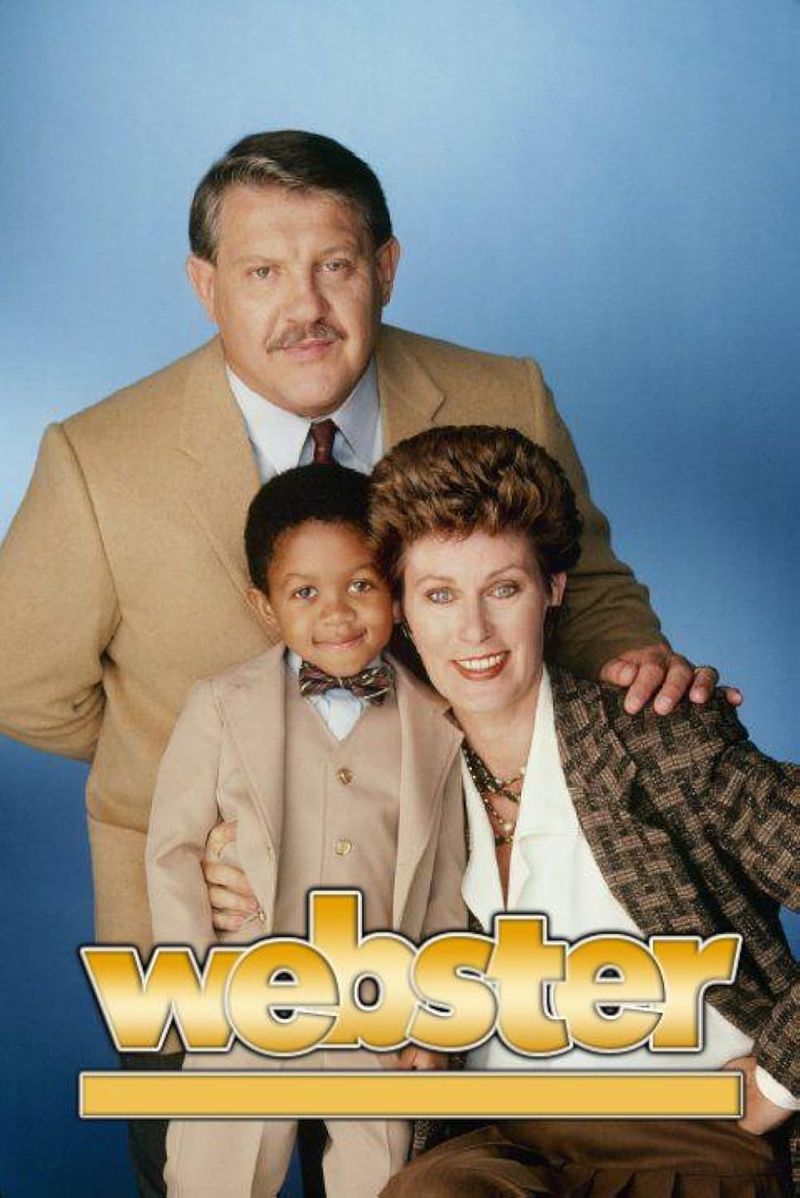
A former NFL player and his wife adopt their deceased friend’s son, which sounds heartwarming until you examine how the show handled it.
Webster became more of a cute prop than a real character, with storylines that often felt exploitative of his situation.
The show’s treatment of adoption and racial dynamics hasn’t aged well at all.
Many episodes featured Webster in situations that played his background for laughs or ignored the complexities of transracial adoption entirely.
The condescending way adults often treated him, combined with storylines that relied on his cuteness rather than substance, makes rewatching pretty uncomfortable.
8. ALF
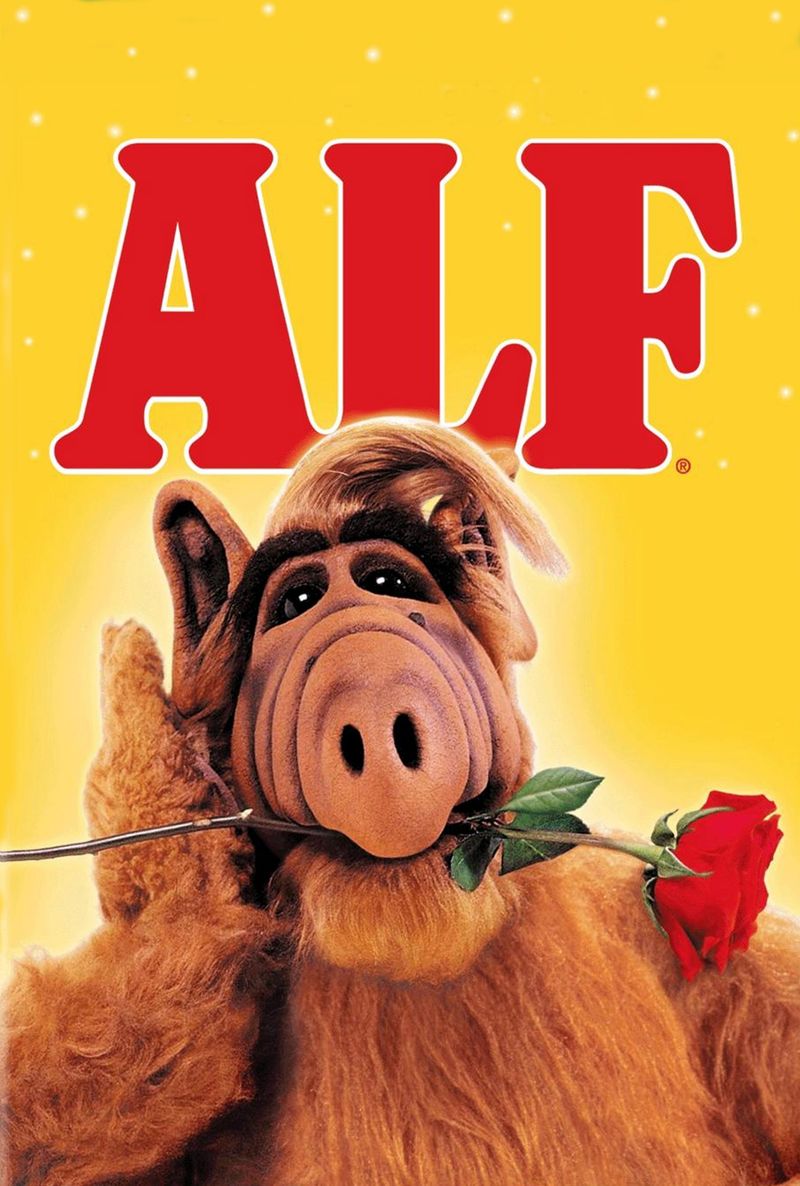
Sure, everyone loved the wise-cracking alien who crashed into the Tanner family’s garage.
But let’s talk about his disturbing obsession with eating their cat, which was supposedly hilarious.
Making constant jokes about killing and consuming the family pet wouldn’t be considered acceptable comedy today, especially in a show aimed at families.
ALF regularly tried to catch and cook Lucky the cat, treating animal cruelty as a running gag.
Beyond the cat-eating humor, the alien made inappropriate comments that often crossed into territory that modern networks would definitely cut from a family show.
9. Perfect Strangers
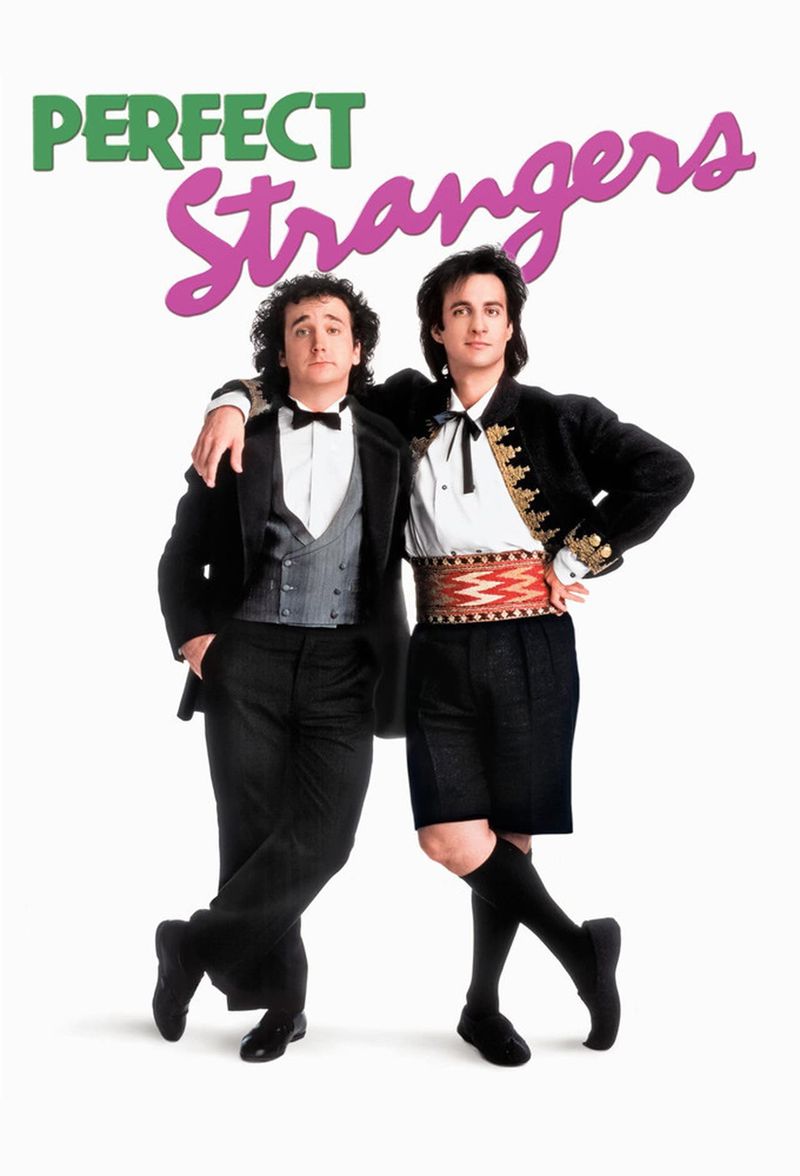
Balki Bartokomous arrived from the fictional Mediterranean island of Mypos, speaking broken English and acting bewildered by American culture.
Every joke relied on making his foreign background seem silly and backward.
The humor came from Balki’s ignorance about basic concepts, reinforcing stereotypes about immigrants being simple or foolish.
His cousin Larry constantly had to explain obvious things to him, creating a dynamic where the American was always superior and knowledgeable.
While the show meant well, its portrayal of cultural differences through constant mockery and exaggerated accents feels offensive rather than endearing by today’s standards.
10. Mr. Belvedere
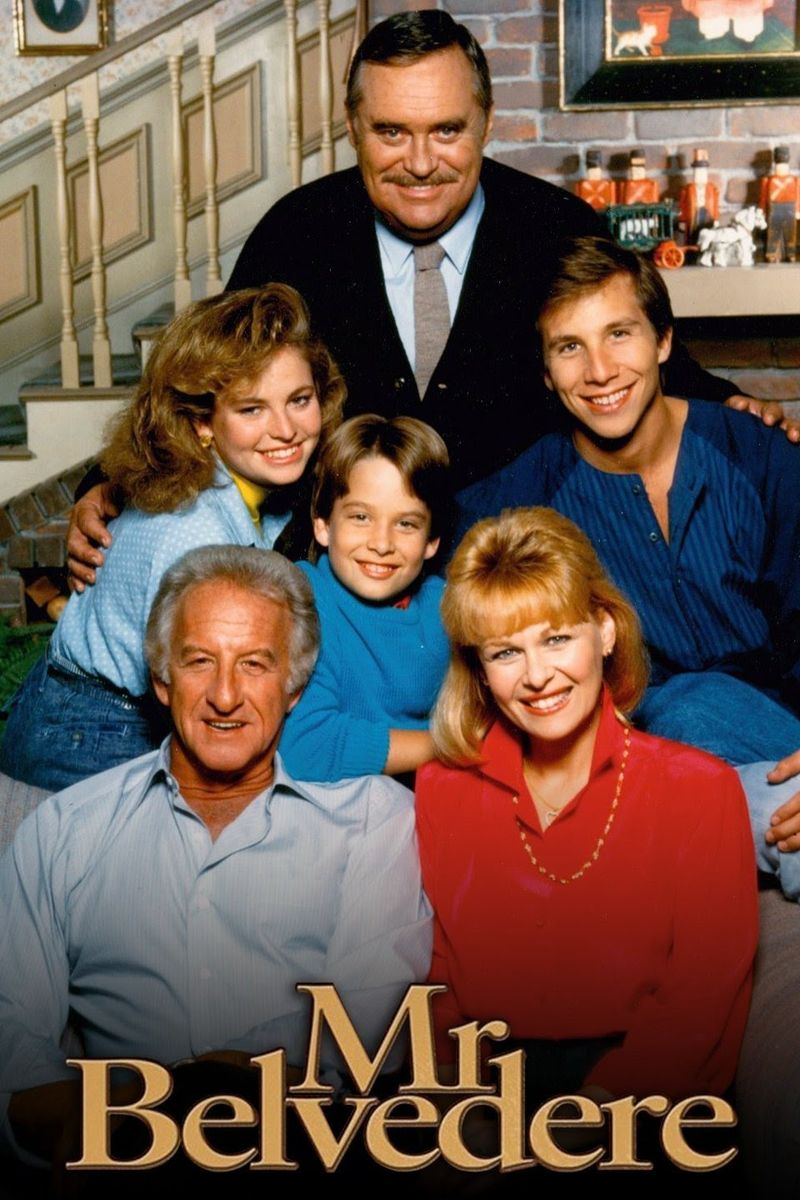
Christopher Hewett played a sophisticated British butler who worked for a middle-class American family, supposedly bringing class and wisdom to their chaotic lives.
The whole concept reinforced weird stereotypes about British people being inherently superior and more refined than Americans.
Episodes frequently mocked the family’s working-class background while elevating Belvedere’s British manners as the gold standard.
His condescending attitude toward the children and parents was played for laughs but came across as genuinely mean-spirited.
The show’s handling of various social issues through Belvedere’s judgmental European perspective hasn’t aged gracefully, often missing the mark on sensitivity.
11. Sledge Hammer!
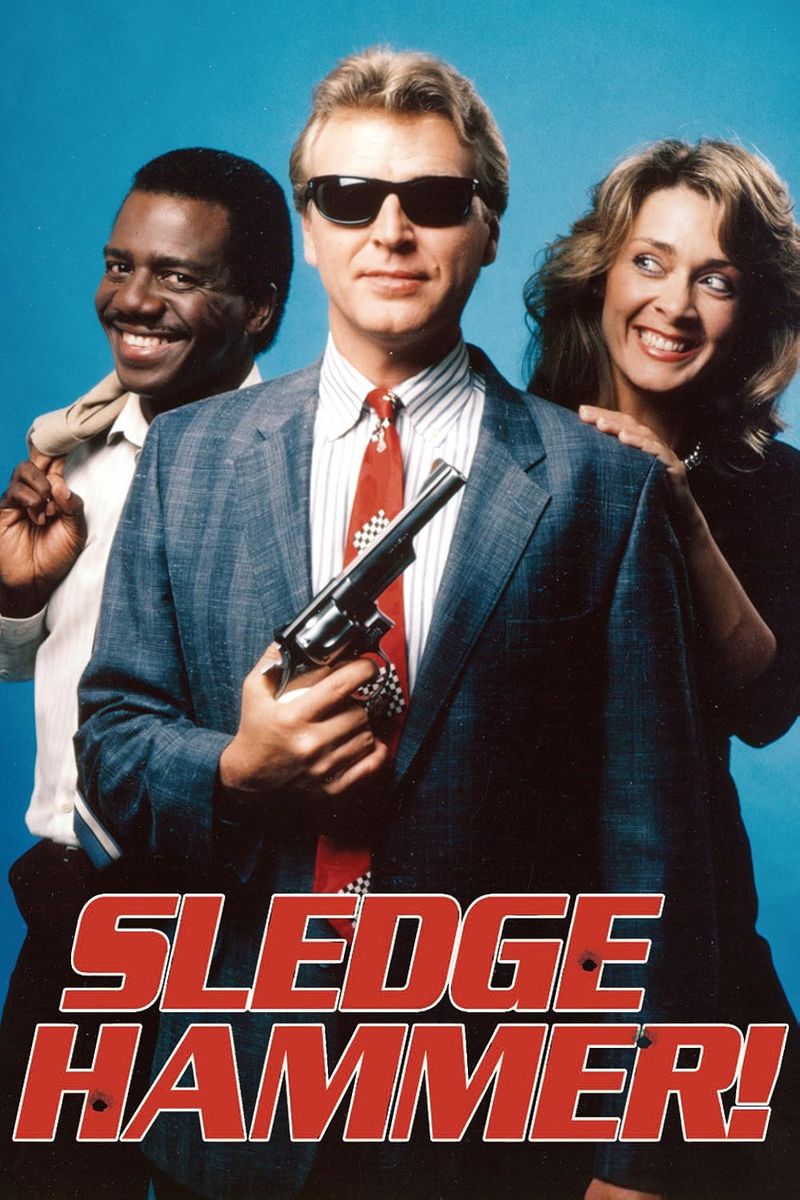
This police comedy starred a detective who loved his gun more than people, literally sleeping with it under his pillow.
The show meant to parody violent cop shows but often became exactly what it was mocking.
Sledge’s casual violence and trigger-happy approach to policing seems especially problematic given today’s conversations about police brutality and excessive force.
He shot first and asked questions never, treating destruction of property and injury as punchlines.
The satire doesn’t land when real-world police violence has become such a serious issue.
What worked as absurdist comedy in the 1980s now feels tone-deaf and uncomfortable to watch.
12. Punky Brewster
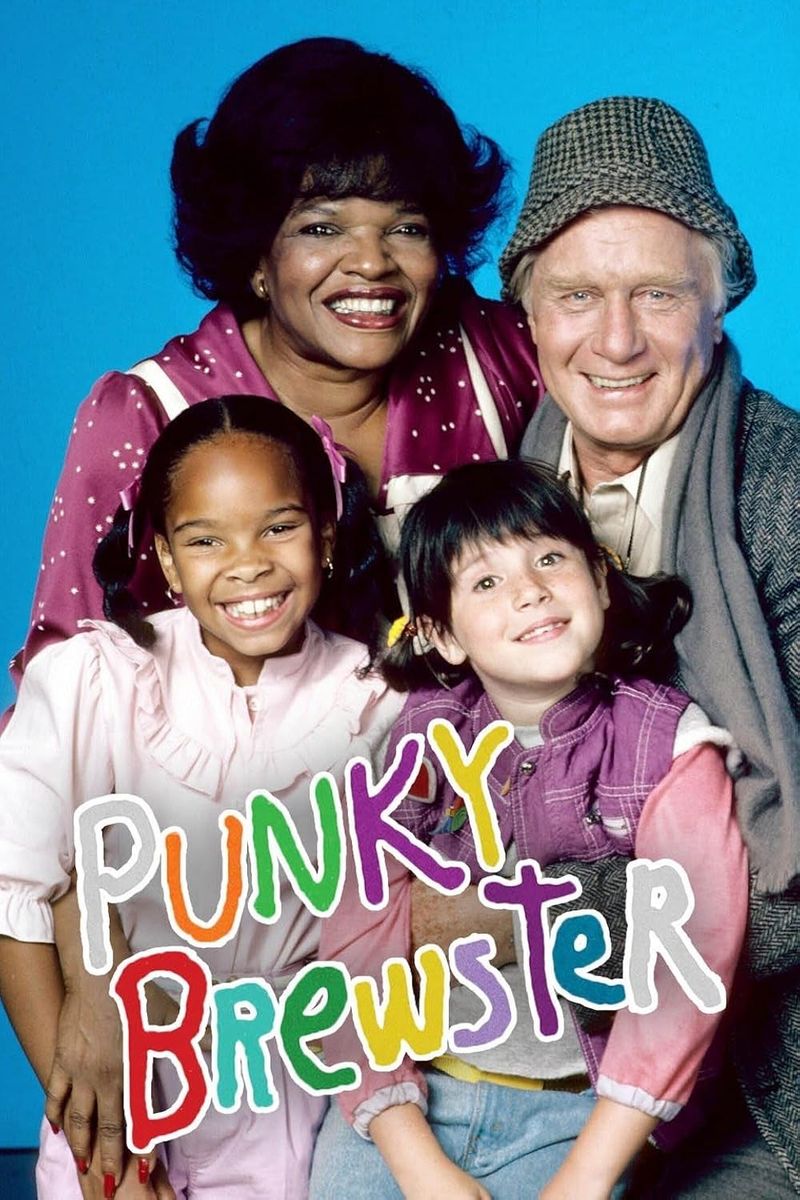
An abandoned child living in a vacant apartment gets discovered and adopted by the building manager.
While Punky’s resilience was admirable, the show treated child abandonment surprisingly lightly for such a serious topic.
Episodes glossed over the trauma and social services implications, turning Punky’s situation into a quirky backstory rather than addressing real consequences.
Her mismatched clothes and wild hairstyle were meant to show her free spirit but also highlighted her neglect.
Modern child welfare awareness makes it hard to watch a show that played homelessness and abandonment for laughs while avoiding the darker realities that actual abandoned children face.
13. Silver Spoons
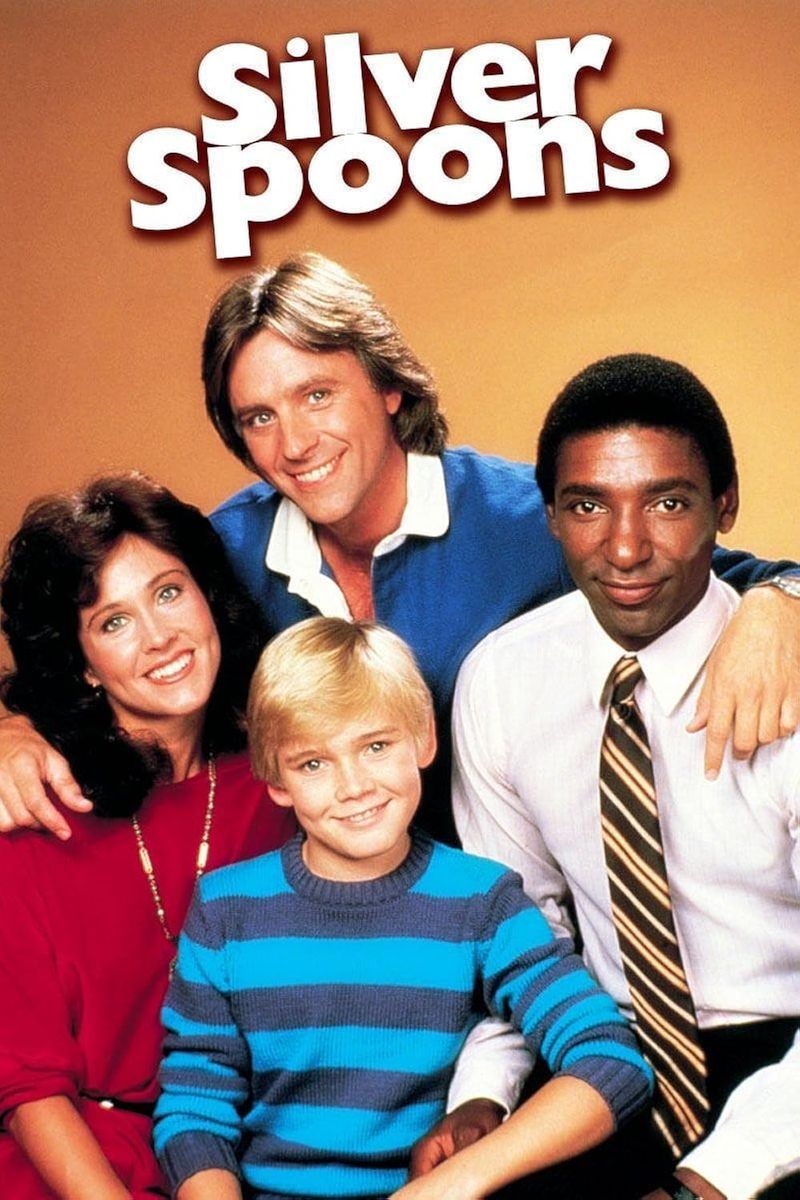
Rich kid Ricky Stratton lived in a mansion with an immature father who never grew up, surrounded by arcade games and go-karts.
The show glorified extreme wealth and privilege without addressing how disconnected this lifestyle was from reality.
Episodes often featured Ricky solving problems by throwing money at them or using his father’s connections, teaching questionable lessons about entitlement.
The father-son relationship was played as fun but actually showed pretty irresponsible parenting.
Today’s audiences, more aware of wealth inequality, would likely find the carefree displays of excessive riches and wasteful spending hard to stomach rather than aspirational.
14. The Fall Guy
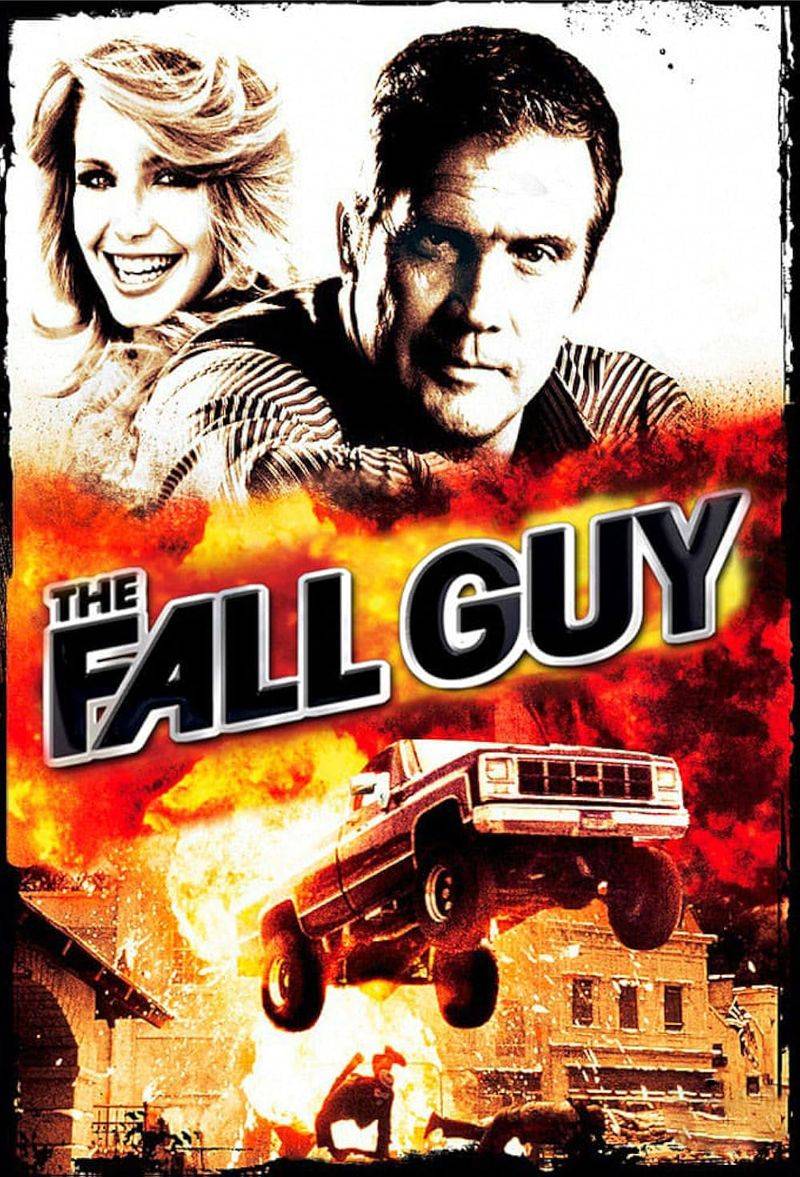
Lee Majors played a Hollywood stuntman who moonlighted as a bounty hunter, performing death-defying stunts weekly.
While the action looked cool, the show constantly normalized incredibly dangerous behavior without showing real consequences.
Colt Seavers jumped from buildings, crashed vehicles, and performed stunts that would hospitalize normal people, then walked away without a scratch.
The show rarely addressed safety equipment, planning, or the years of training real stunt professionals need.
Watching it today sends terrible messages about risk-taking and physical invincibility that could encourage dangerous imitation.
The casual attitude toward serious injuries makes modern safety-conscious viewers cringe rather than cheer.
15. Just the Ten of Us
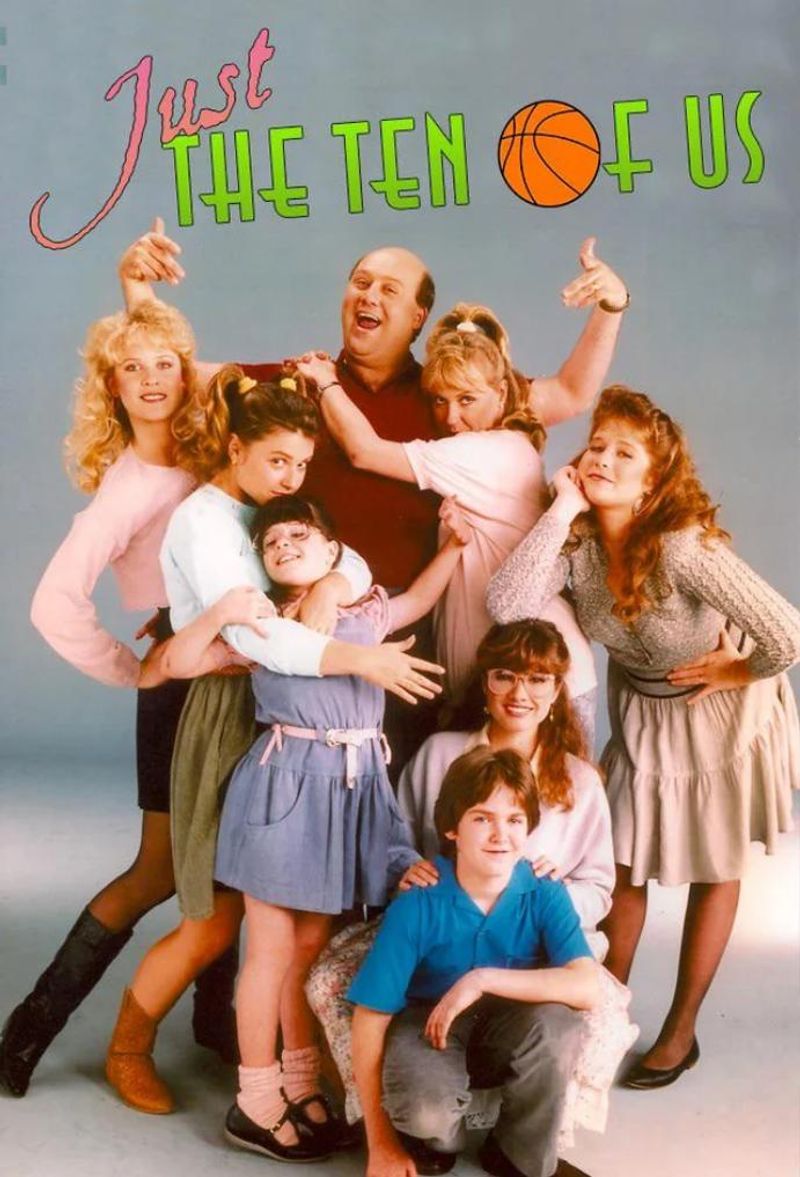
A Catholic family with eight kids moves to California so the father can coach at a boys’ school.
Sounds wholesome, right?
Except the show relied heavily on outdated gender roles and religious stereotypes for its humor.
The mother existed mainly to cook and worry, while dad made all decisions as the unquestioned authority figure.
Storylines about the daughters often reduced them to their looks or dating prospects, while the boys got more substantive plots.
The show’s handling of Catholic teachings sometimes veered into mockery or reinforced negative stereotypes.
Its portrayal of large family dynamics, while occasionally sweet, more often played into tired clichés that feel prehistoric by modern standards.
Comments
Loading…