
 Mila Ross
13 Controversial ’70s TV Shows That Got Away With Almost Anything
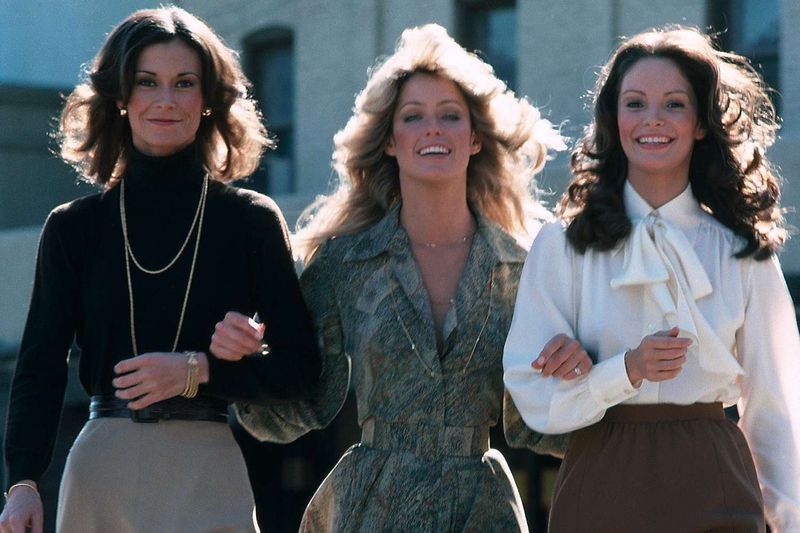
Television in the 1970s was a wild time when networks pushed boundaries like never before.
Shows tackled taboo subjects, used language that would shock modern audiences, and featured storylines that would trigger instant social media outrage today.
Back then, there were fewer rules and looser standards, allowing creators to experiment with content that broke all kinds of social norms and left censors scrambling to keep up.
1. All in the Family
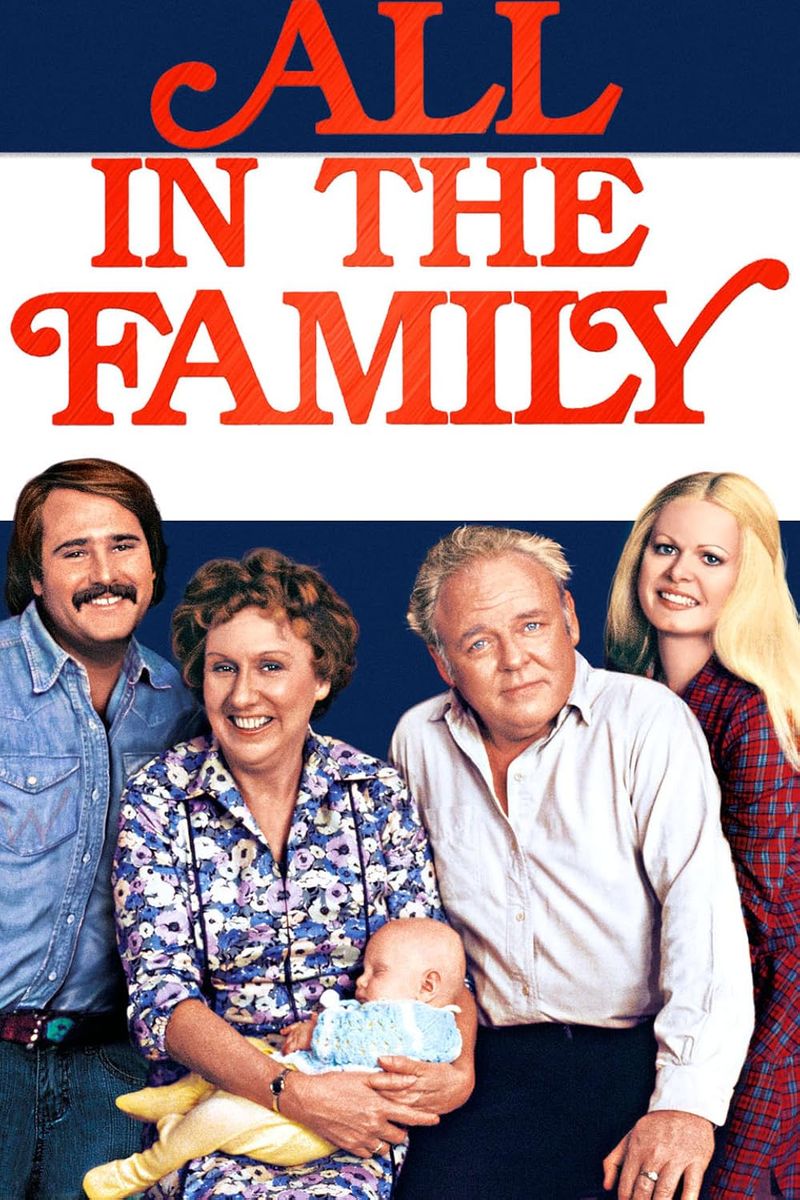
Archie Bunker said things on prime-time television that would get a show cancelled within minutes today.
Creator Norman Lear built an entire series around a bigoted working-class man who spouted racist and sexist opinions every episode.
The show didn’t shy away from controversial topics like homosexuality, rape, or religious differences.
CBS received thousands of complaints, yet the show became the number one rated series for five straight years.
Critics argued whether the show challenged prejudice or promoted it.
Network executives sweated through every taping, wondering if they’d crossed the line.
The family arguments felt so real that people forgot they were watching actors.
Edith’s high-pitched voice correcting Archie became iconic, but the raw discussions about race and politics made history.
2. Soap
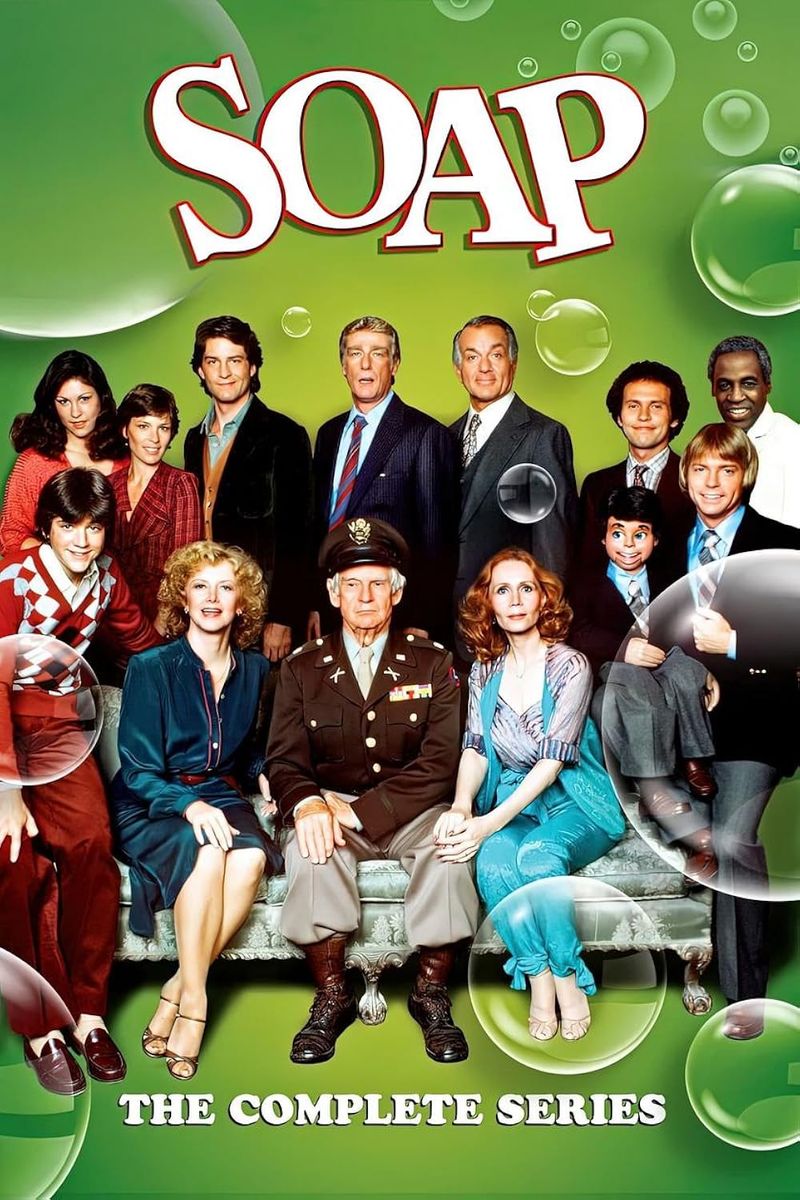
Before modern streaming shows pushed boundaries, Soap scandalized America with storylines about affairs, demonic possession, and alien abductions all mixed together.
Religious groups organized protests before the show even aired its first episode.
ABC affiliates in several cities refused to broadcast it, calling the content too sexually explicit.
The show featured Billy Crystal as one of television’s first openly gay main characters.
Storylines included a mobster’s extramarital affairs, a priest leaving the church for love, and murder plots that changed weekly.
Critics called it offensive and tasteless.
Despite the backlash, or maybe because of it, millions tuned in every week.
The show earned multiple Emmy nominations and proved audiences wanted comedy that didn’t play it safe.
Censors worked overtime trying to tone down scripts.
3. Three’s Company
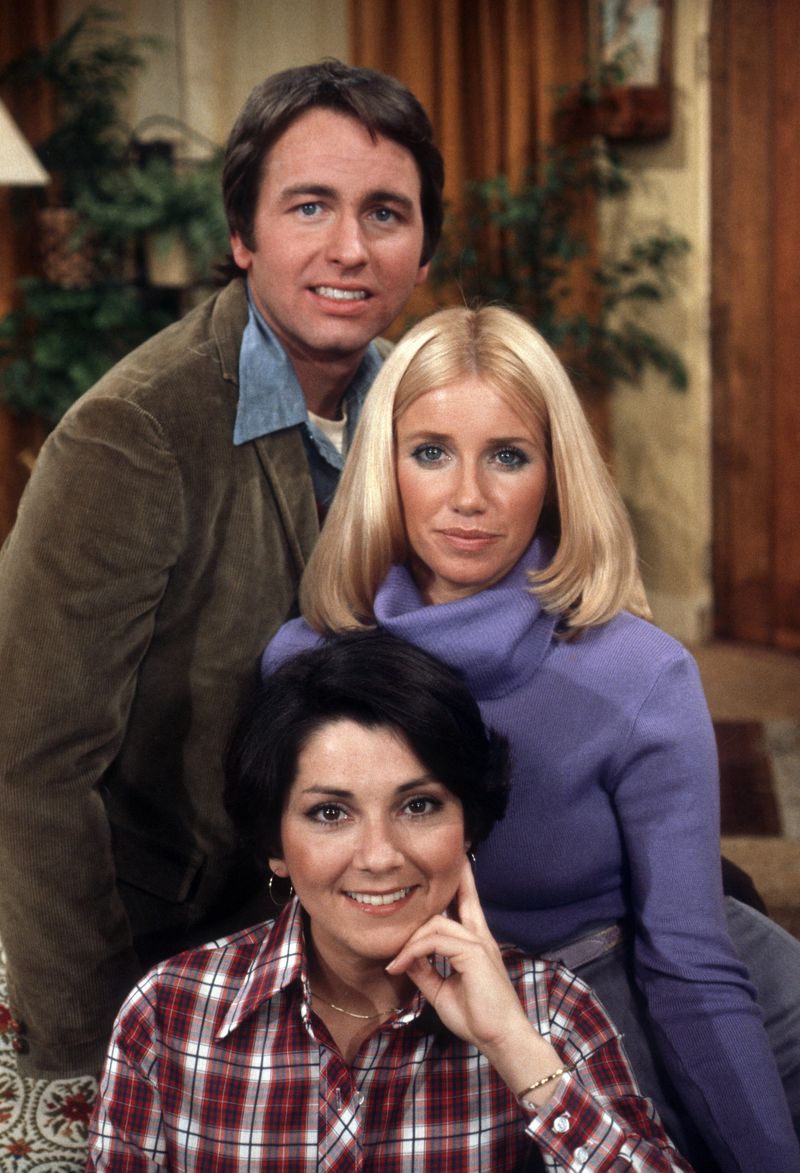
A man pretending to be gay so he could live with two female roommates sounds like a joke today, but in 1977 it sparked serious outrage.
Parents worried the show glorified unmarried people living together.
Religious leaders called it immoral and demanded it be taken off the air.
Every episode dripped with sexual innuendo and misunderstandings about bedroom activities.
Jack Tripper constantly fell into compromising positions, and the landlords made crude jokes about what happened behind closed doors.
The physical comedy often involved characters in towels or underwear.
Network censors tried cutting jokes, but writers always found creative ways around the restrictions.
Don Knotts joined later seasons, bringing his own brand of uncomfortable humor.
The show stayed popular despite constant criticism.
4. Maude
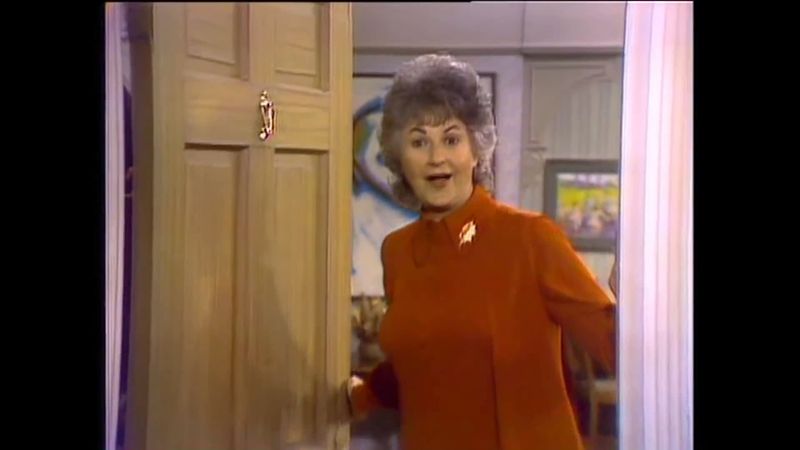
When Maude had an abortion on network television in 1972, over 30 stations refused to air the episodes.
CBS received death threats, and politicians demanded the show be cancelled immediately.
No sitcom had ever addressed the topic so directly or treated it as a personal choice rather than a tragedy.
Bea Arthur’s character challenged every traditional idea about women’s roles.
She spoke loudly about women’s liberation, criticized politicians by name, and argued with everyone.
The show tackled alcoholism, depression, and face-lifts with brutal honesty.
Maude’s fourth marriage to a man younger than her shocked audiences who expected proper behavior from middle-aged women.
Her sharp tongue and liberal politics made her either a hero or a villain depending on who you asked.
5. The Jeffersons
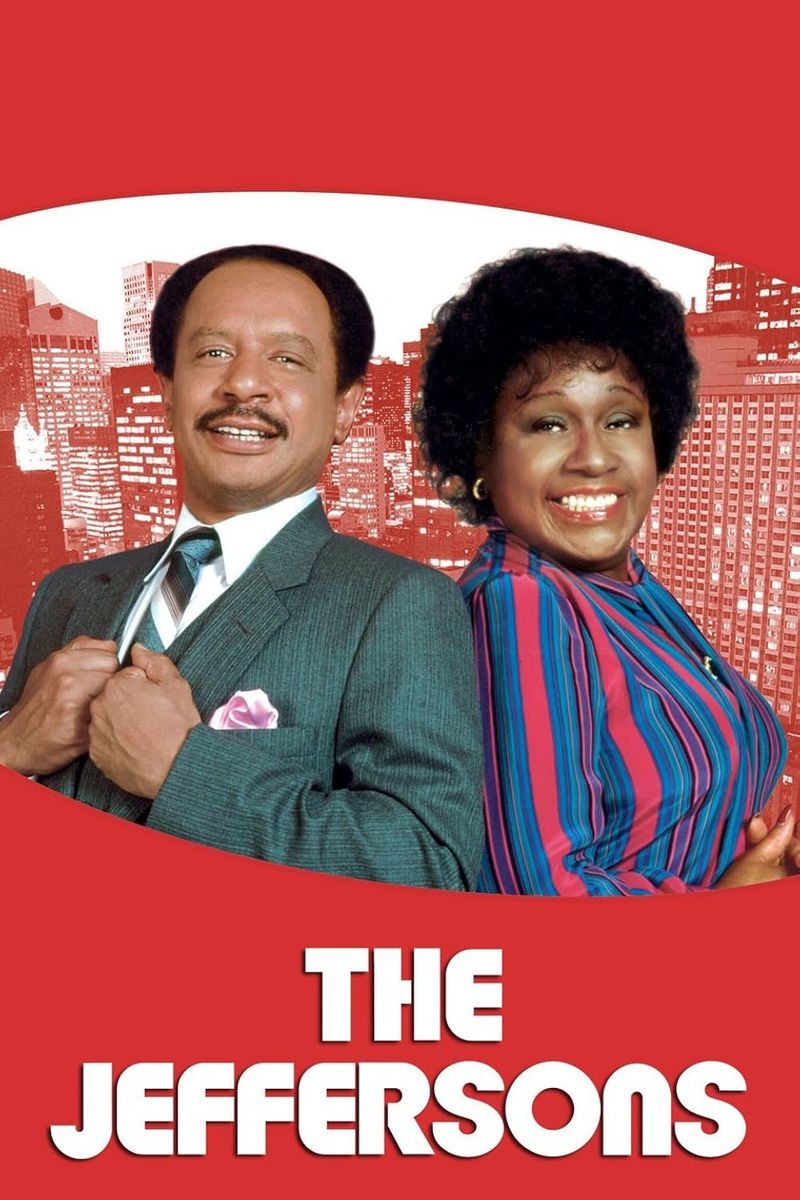
George Jefferson’s insults toward white people made network executives nervous every single week.
The show featured an unapologetically successful Black businessman who refused to watch his words or apologize for his opinions.
He threw around terms that made censors cringe, but the writers argued it showed real attitudes and experiences.
Mixed-race couples appeared regularly on the show when such relationships were still illegal in some states just years earlier.
The Willises lived upstairs, and their relationship sparked both onscreen and real-world debates.
George’s reaction to them reflected actual prejudices that existed within communities.
Theme song lyrics about finally getting a piece of the pie resonated deeply with Black audiences.
The show addressed economic inequality, discrimination, and social climbing without sugarcoating the rough edges.
6. Saturday Night Live
Live television meant anything could happen, and in the 1970s, it often did.
Chevy Chase made jokes about current political scandals without coded language or careful phrasing.
Richard Pryor hosted and said words that had never been heard on network TV.
The show aired at 11:30 PM specifically to avoid stricter content rules.
Drug references filled sketches, and everyone knew the cast partied hard offstage too.
Musicians performed songs with questionable lyrics, and occasionally guests went completely off-script.
Network censors couldn’t review everything because of the live format.
Sketches mocked religion, politics, and social norms with equal opportunity offense.
The original Not Ready for Prime Time Players earned their name by pushing boundaries that daytime shows wouldn’t touch.
7. M*A*S*H
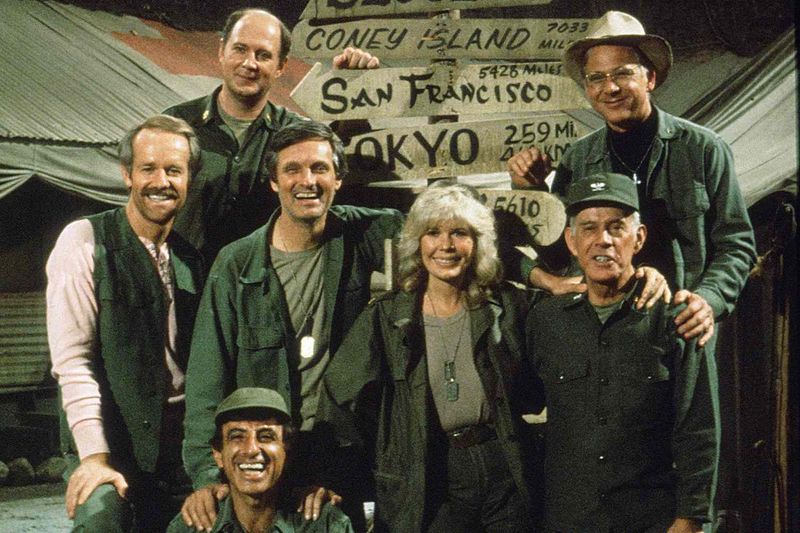
Hawkeye Pierce drank heavily, chased nurses constantly, and made jokes about death while operating on dying soldiers.
The show used the Korean War setting to comment on Vietnam, but everyone understood the real target.
Episodes showed the psychological damage of war without glorifying combat or military authority.
Characters discussed mortality, questioned orders, and showed clear anti-war sentiment during prime time.
Surgeons operated in blood-stained clothes while making dark jokes that offended veterans’ groups.
One episode featured no dialogue for extended periods, just showing the horror of wounded soldiers arriving.
The series finale dealt with mental breakdown and trauma in ways children’s programming never approached.
Cross-dressing characters appeared regularly, and relationships between officers and enlisted personnel violated all military rules.
8. Charlie’s Angels
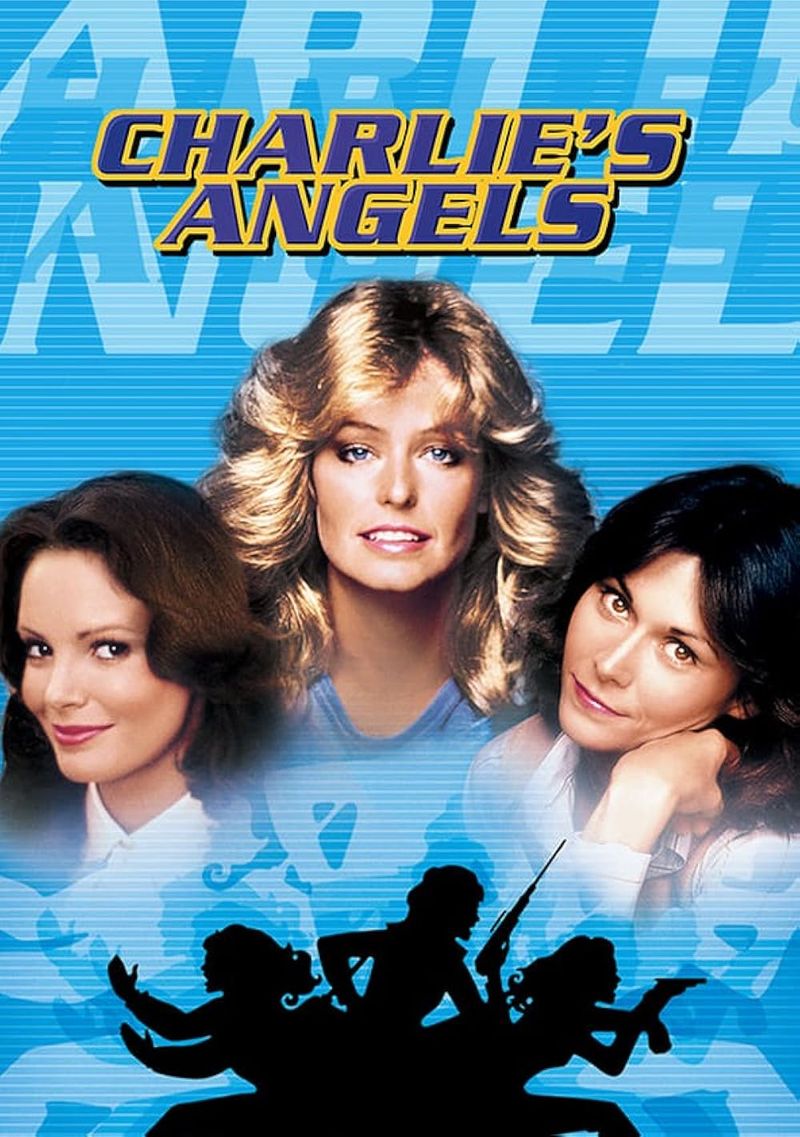
Three beautiful women in tight clothes solving crimes became either feminist empowerment or objectification depending on who you asked.
Feminists argued the show reduced women to eye candy for male viewers.
ABC promoted the series with posters emphasizing the angels in bikinis rather than their detective work.
Camera angles focused on bodies more than faces during action scenes.
The angels went undercover as beauty pageant contestants, massage parlor workers, and dancers requiring revealing costumes.
Critics called it exploitation dressed up as female empowerment.
Yet the show featured women as action heroes when most female TV characters stayed home or worked as secretaries.
The angels carried guns, fought criminals, and never needed men to rescue them, even while wearing high heels.
9. Barney Miller
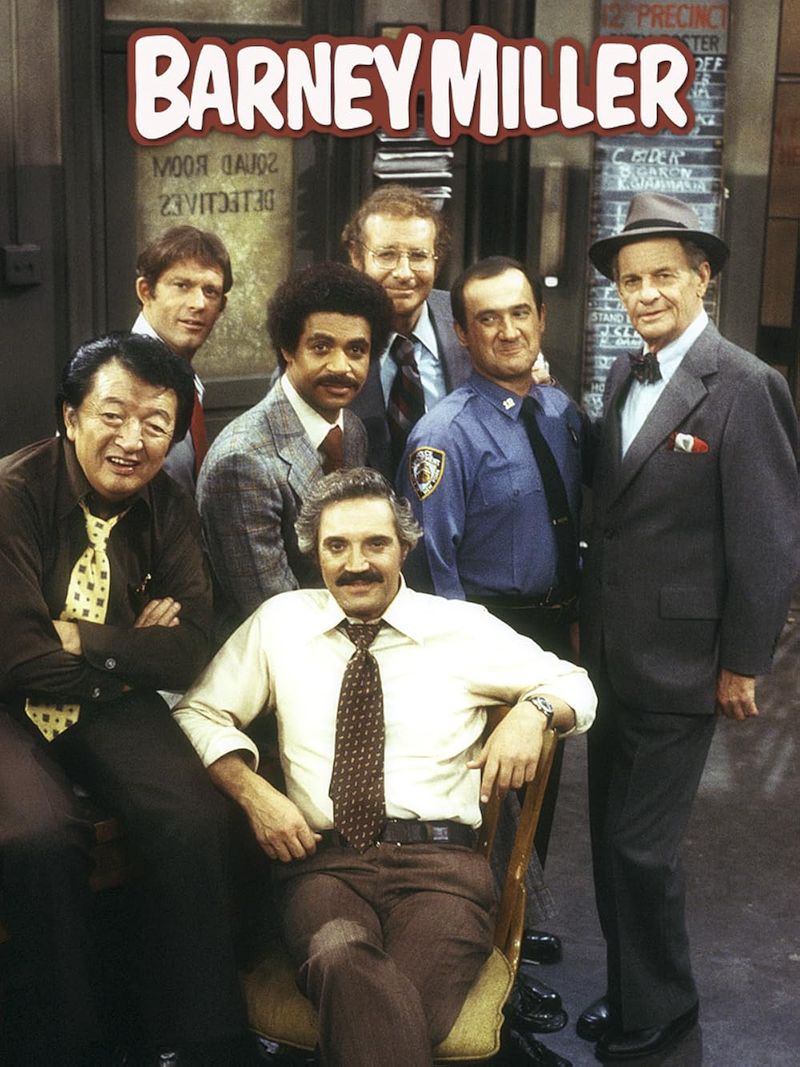
A sitcom set in a police station dealt with prostitutes, drug dealers, and LGBTQ characters when other shows pretended such people didn’t exist.
Detectives discussed graphic crimes over coffee like they were talking about sports scores.
The precinct became a revolving door for society’s outcasts and criminals.
One recurring character was openly gay at a time when homosexuality was barely acknowledged on television.
Episodes featured cross-dressers, marijuana legalization debates, and detailed discussions of sexual crimes.
Writers didn’t sanitize New York City’s gritty reality for comfortable audiences.
Suspects and victims spoke frankly about adult situations while sitting in the detective squad room.
The show won multiple Emmys for addressing social issues without preaching or simplifying complex problems into easy answers.
10. The Dukes of Hazzard
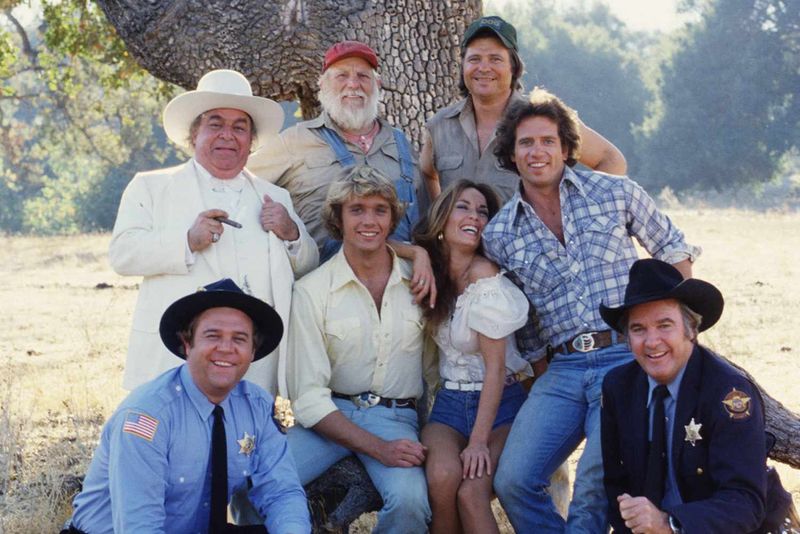
That bright orange car with a Confederate flag painted on the roof became one of television’s most recognizable vehicles and its most controversial symbol.
The General Lee jumped over creeks and crashed through barn doors while carrying imagery that represented racism and slavery to millions.
Networks today wouldn’t even consider such a concept.
Boss Hogg schemed and scammed while law enforcement looked corrupt and incompetent.
The Duke boys constantly broke laws, evaded police, and made moonshine running look fun and harmless.
Short shorts on Daisy Duke sparked debates about appropriate clothing for family television.
The show portrayed rural Southerners through stereotypes while claiming to celebrate them.
Writers treated the Confederate imagery as harmless nostalgia, ignoring painful history for entertainment value.
11. Sanford and Son
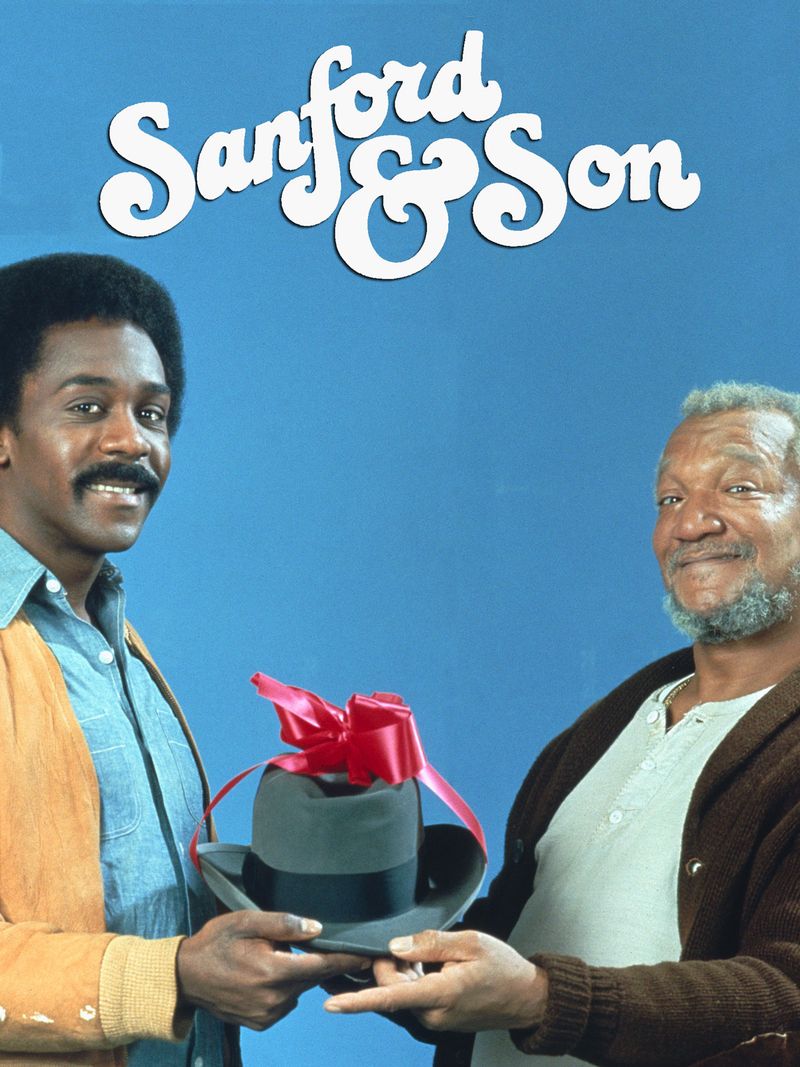
Fred Sanford clutched his chest and yelled about joining his deceased wife Elizabeth whenever his son disagreed with him.
The show built humor around racial stereotypes, generational conflicts, and life in a junkyard.
Fred used language and attitudes that made censors uncomfortable but reflected real conversations in many Black households.
Redd Foxx brought his nightclub comedy style to network television, though writers toned down his actual material significantly.
Episodes addressed poverty, discrimination, and family struggles through comedy that sometimes felt too close to painful realities.
Fred’s complaints about his son’s choices sparked genuine debates about ambition and duty.
The relationship between the stubborn father and frustrated son resonated across racial lines.
Arguments escalated into shouting matches that felt authentic rather than rehearsed.
12. The Love Boat
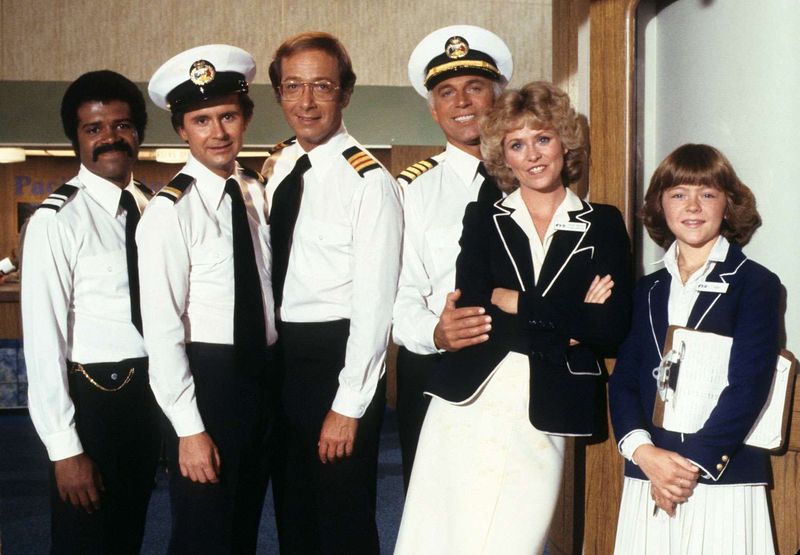
Romance, affairs, and casual hookups sailed the Pacific Ocean every Saturday night on ABC.
Guest stars embarked on the ship looking for love and usually found it by the time they reached port.
The show normalized casual relationships and one-week romances as fun vacation adventures rather than moral failures.
Married people contemplated affairs, singles jumped into bed with strangers they just met, and the crew encouraged all of it with knowing smiles.
Captain Stubing and his team acted as matchmakers for relationships that clearly wouldn’t last past the closing credits.
Writers treated commitment and fidelity as old-fashioned concepts.
Some episodes featured love triangles, May-December romances, and workplace relationships that would create human resources nightmares.
The cheerful theme song promised love and excitement without mentioning consequences or complications.
13. Welcome Back, Kotter
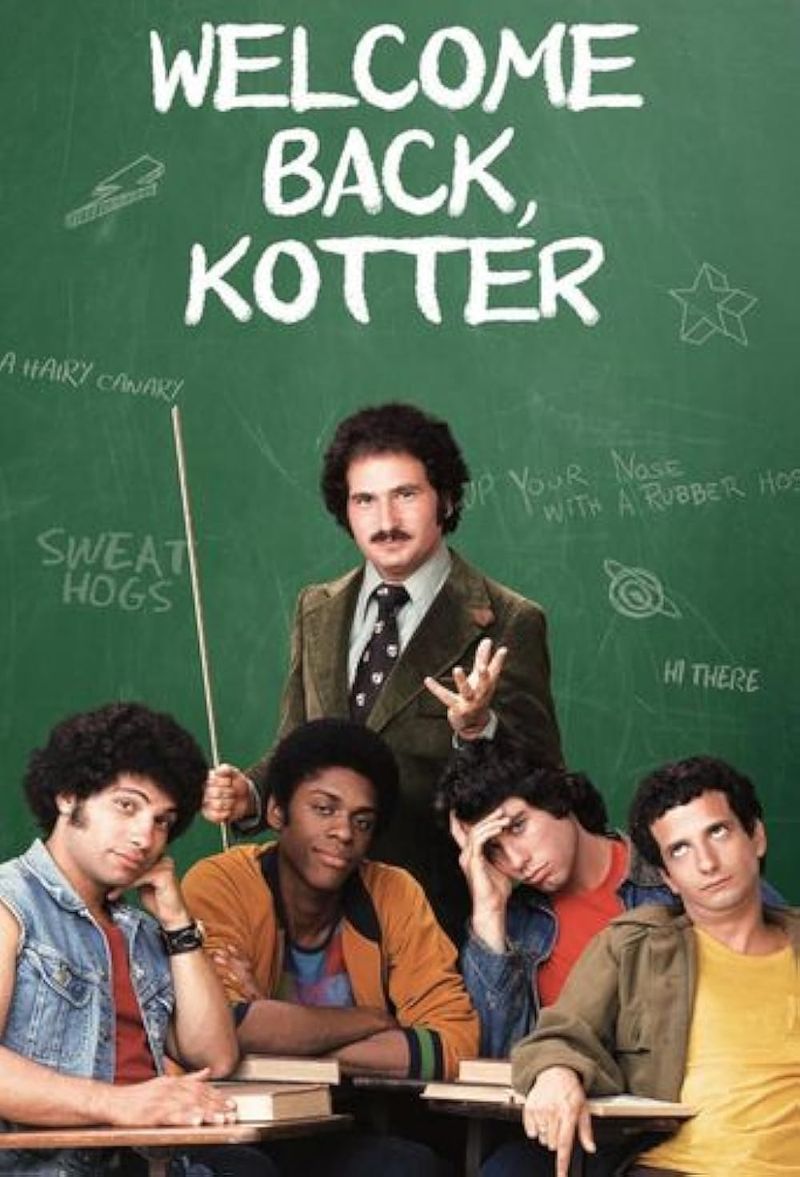
Gabe Kotter returned to teach at his old high school in Brooklyn, where the Sweathogs represented every ethnic stereotype imaginable.
Vinnie Barbarino was the dim Italian, Juan Epstein the Puerto Rican troublemaker with creative excuses, and Freddie Washington delivered jive-talking Black stereotypes.
Networks today wouldn’t touch these characterizations.
The show played up cultural differences for laughs while claiming to celebrate diversity.
Students regularly insulted each other using ethnic references and stereotypes as terms of endearment.
Juan’s forged notes from his mother became running gags about Latino families.
Classroom scenes showed students disrupting lessons, disrespecting authority, and barely learning anything.
The remedial class represented urban education failures as comedy material.
Still, the Sweathogs’ friendship transcended their differences, showing bonds that stereotypes couldn’t break.
Comments
Loading…