
 Chloe Peterson
12 TV Shows People Either Love or Hate—No Middle Ground
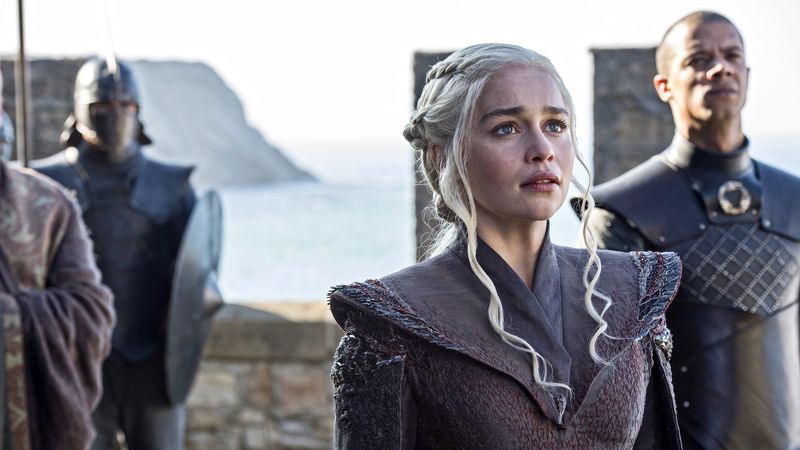
Some TV shows spark friendly debates, and others start full-blown arguments at the dinner table.
Whether it’s a beloved sitcom, a zombie epic, or a glossy Netflix series, certain shows have a way of pulling people to opposite extremes.
You either can’t stop watching or can’t understand why anyone would bother.
Here are 12 shows that prove there’s no such thing as a lukewarm opinion in television.
1. The Big Bang Theory (2007–2019)
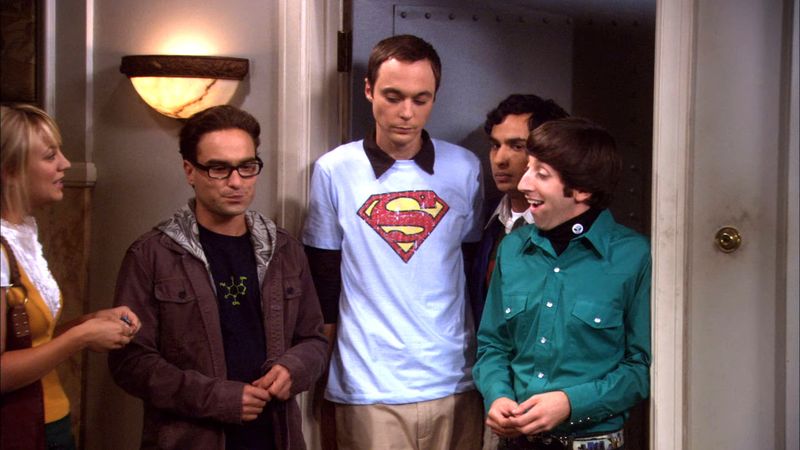
Ask someone about this sitcom and brace yourself—there’s rarely a calm response.
Devoted fans adore its nerdy humor, quotable lines, and the warm chemistry between the core group of friends.
For many viewers, it was a weekly comfort watch for over a decade.
Critics, however, argue that the jokes leaned too hard on stereotypes and that the humor repeated itself season after season.
The laugh track didn’t help win over those who found the comedy forced.
Its record-breaking ratings only seem to deepen the divide.
Loving it or loathing it has practically become a personality trait for TV fans everywhere.
2. The Walking Dead (2010–2022)
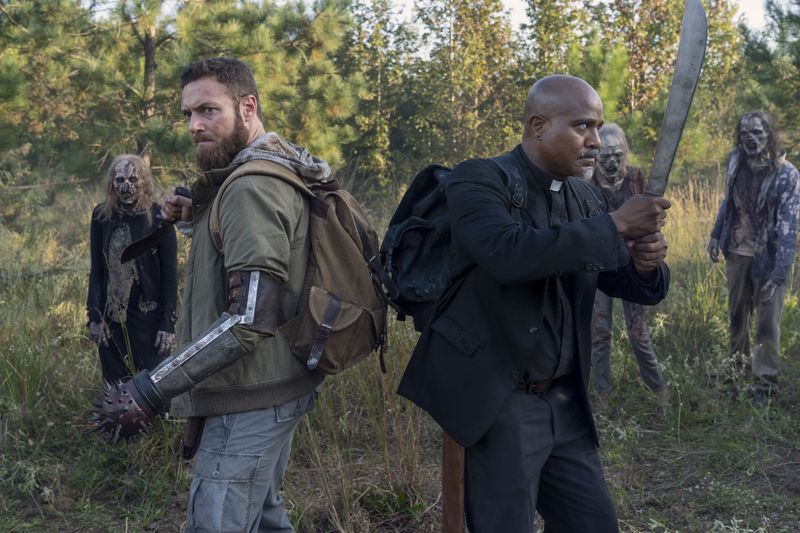
When it premiered, this zombie drama felt like nothing else on television.
The raw survival tension, emotional character arcs, and brutal storytelling built one of the most dedicated fanbases in TV history.
People genuinely cared about who would make it to the next episode.
Over time, though, patience wore thin.
Slow-burn seasons tested loyalty, and frequent cast shakeups left some viewers feeling disconnected from the story.
Certain plot lines seemed to stretch on well past their welcome.
Loyal fans stuck around until the very end, while others checked out years earlier.
Both sides have strong arguments, and neither is entirely wrong.
3. Lost (2004–2010)

Rarely does a show make you feel like a detective just by watching it.
From its very first episode, this series pulled viewers into a web of mysteries, hidden connections, and unanswered questions that sparked endless online theories.
The premise alone was impossible to ignore.
Hardcore fans loved every cryptic detail and spent hours piecing together clues between episodes.
But as seasons passed, frustration grew among those who felt the writers were making things up as they went.
That divisive finale is still being argued about today.
Some call it poetic.
Others call it a betrayal.
Very few land anywhere in between.
4. Game of Thrones (2011–2019)
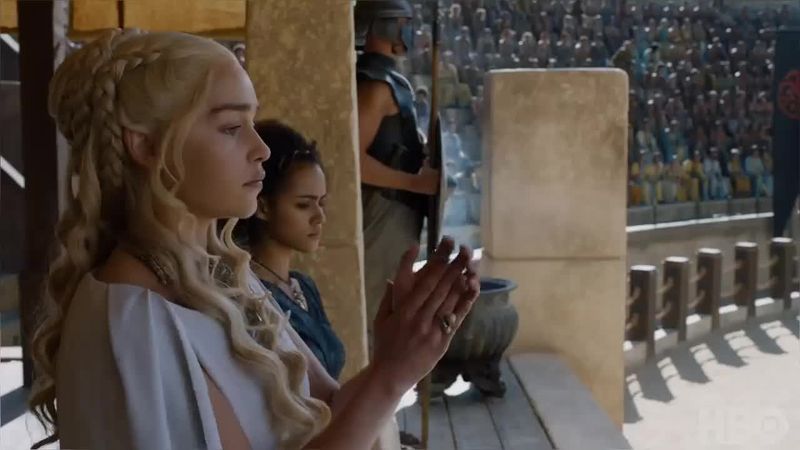
Few shows in television history have triggered as much passion—and fury—as this fantasy giant.
Fans were hooked by its enormous world-building, jaw-dropping twists, and movie-quality visuals.
The willingness to kill off beloved characters kept everyone guessing.
But as the final seasons rolled out, the cracks started showing.
Critics felt the storytelling rushed through plotlines that deserved more care.
Characters who had grown over years suddenly made choices that felt completely out of place.
Whether you consider it the greatest show ever made or a brilliant series that lost its way, one thing is clear—nobody watched it casually.
5. Friends (1994–2004)
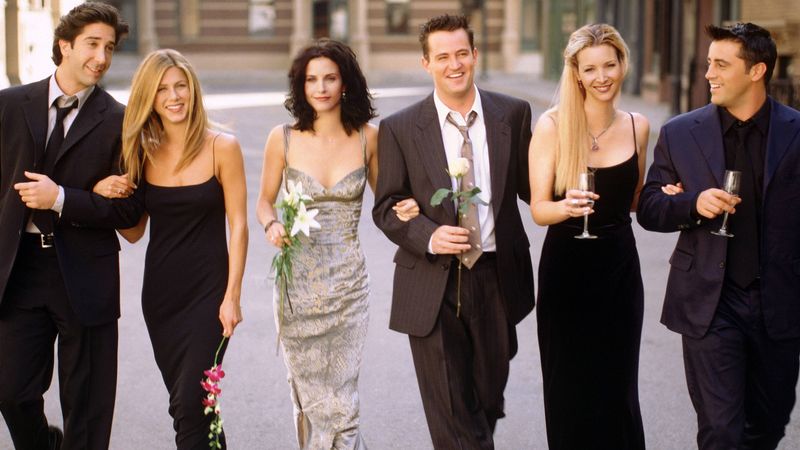
For millions of viewers, this show is basically a hug in television form.
The characters feel like old friends, the jokes are endlessly quotable, and the Central Perk couch has become one of TV’s most iconic settings.
Its reruns still rack up massive viewership worldwide.
Still, a growing number of critics argue it hasn’t aged particularly well.
Some humor that felt harmless in the 90s now comes across as dated or insensitive by today’s standards.
That tension between nostalgia and modern scrutiny keeps it firmly in debate territory.
Fans defend it fiercely, critics push back just as hard, and the conversation never really ends.
6. The Office (U.S.) (2005–2013)
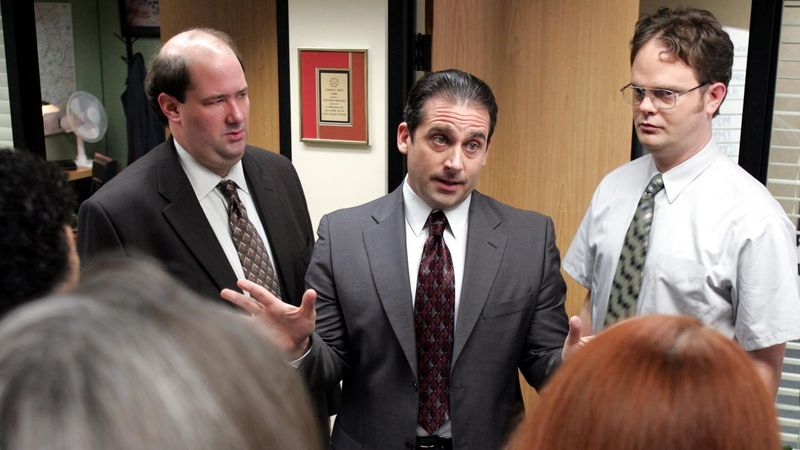
Comfort TV for some, cringe overload for others—this workplace mockumentary has earned both labels with pride.
The early seasons built a devoted following thanks to sharp writing, deeply awkward humor, and characters who felt surprisingly real despite being totally ridiculous.
Not everyone appreciates that style of comedy, though.
Watching someone embarrass themselves repeatedly isn’t everyone’s idea of fun, and the humor can feel exhausting rather than entertaining to certain viewers.
Once a key cast member departed, later seasons split the audience even further.
Some fans kept watching out of loyalty, while others felt the magic had completely disappeared.
Both camps make totally fair points.
7. Grey’s Anatomy (2005–present)
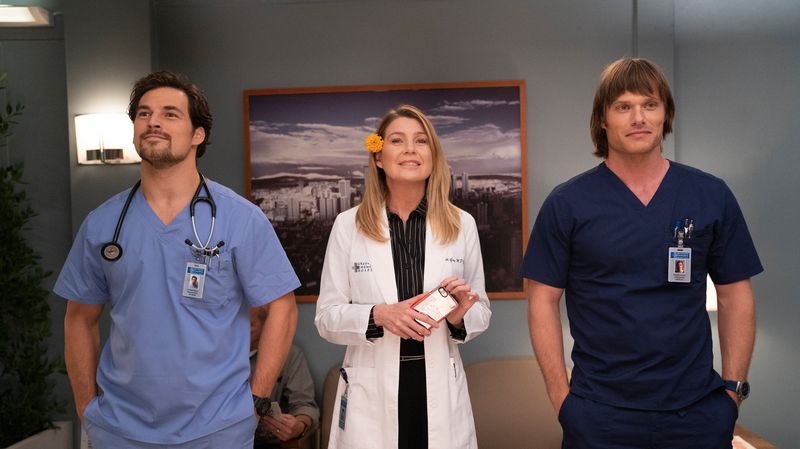
Running for nearly two decades, this medical drama has outlasted almost every show in its genre—and somehow kept people arguing the entire time.
Its early seasons drew viewers in with emotional depth, romantic tension, and storylines that genuinely hit hard.
Over the years, critics began pointing out how repetitive the formula had become.
New interns, fresh tragedies, and rotating cast members started to feel like a cycle rather than a story moving forward.
Loyal fans argue it still delivers emotional punches that few shows can match.
Detractors say it should have wrapped up years ago.
Remarkably, both groups continue watching—just for very different reasons.
8. Breaking Bad (2008–2013)
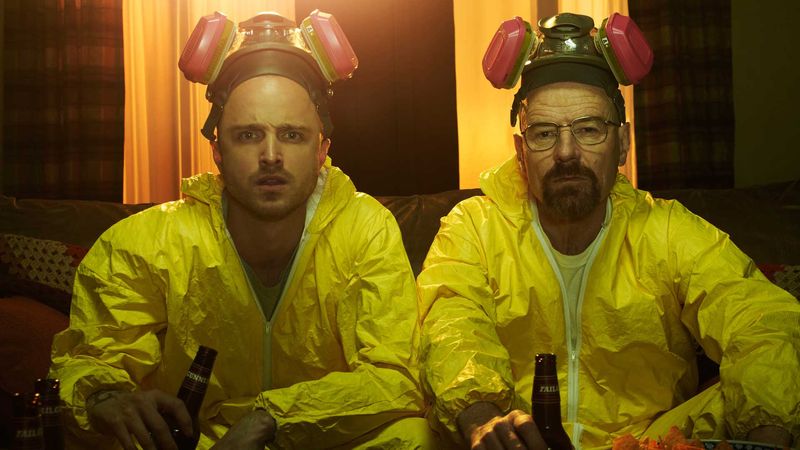
Critics and awards panels practically lined up to praise this crime drama—yet a surprisingly vocal group of viewers never connected with it at all.
The transformation of a mild-mannered chemistry teacher into a ruthless drug kingpin is widely considered one of TV’s greatest character journeys.
For some audiences, though, the slow burn pacing and relentlessly dark atmosphere made it genuinely difficult to enjoy.
Not every viewer wants to spend hours watching morally broken people make terrible choices, no matter how well-written it is.
Its reputation as a masterpiece is nearly untouchable at this point.
But “nearly” is doing a lot of heavy lifting in that sentence.
9. How I Met Your Mother (2005–2014)
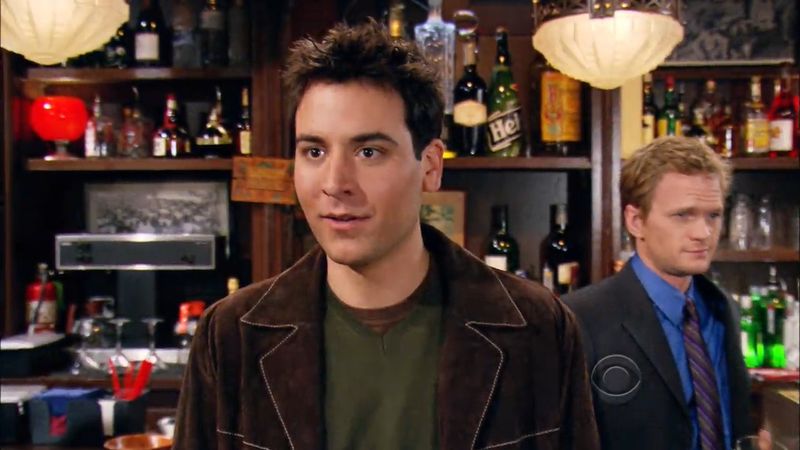
Nine seasons of clever storytelling, heartfelt moments, and genuinely funny comedy built a fanbase that felt real and invested.
The show’s narrative structure—telling the whole story in flashback—was creative in a way that kept viewers curious for years on end.
Then the finale happened.
Without giving too much away, it made choices that felt like a slap in the face to everyone who had followed along faithfully.
Online forums erupted almost immediately after the credits rolled.
Some fans have made peace with it, arguing the journey mattered more than the destination.
Others still bring it up as one of television’s greatest disappointments.
The wounds run deep.
10. Glee (2009–2015)
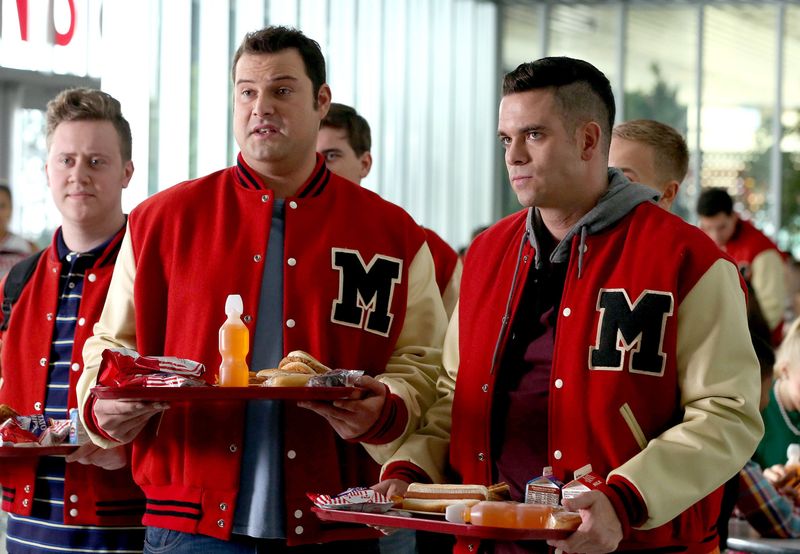
Bursting onto screens with show-stopping musical numbers and an unapologetically bold attitude, this series earned genuine affection from fans who loved its heart and its message.
The performances were electric, and the cast brought real energy to every episode.
Behind all that enthusiasm, though, critics noticed some serious inconsistencies.
The tone swung wildly between silly comedy and heavy drama, sometimes within the same episode.
Writing quality varied enormously from season to season.
Some viewers adore it for exactly those chaotic qualities—it was never boring.
Others found the messiness exhausting.
Either way, it left a mark on pop culture that’s hard to argue with, love it or not.
11. Riverdale (2017–2023)
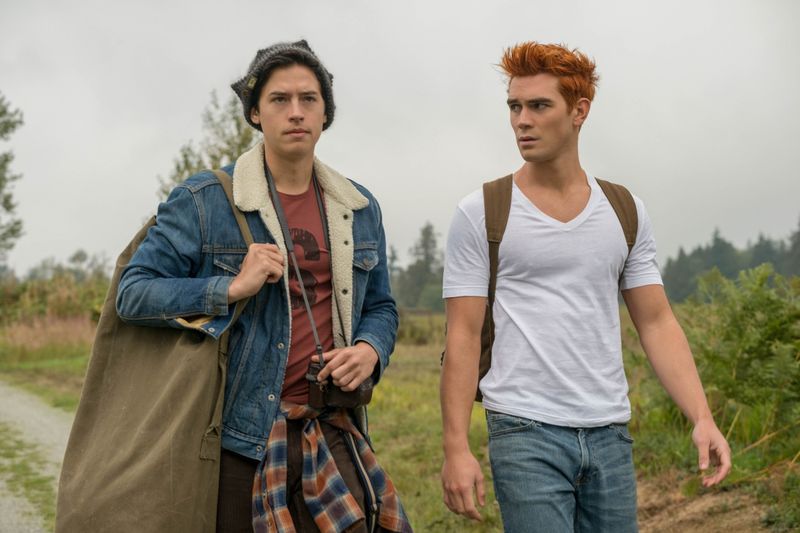
What started as a stylish, dark reimagining of classic Archie Comics characters quickly became something far stranger—and that’s putting it mildly.
Fans who embraced the show’s campy chaos found themselves genuinely entertained by its increasingly wild plot twists and fearless weirdness.
Critics, on the other hand, struggled to keep up with storylines that seemed to abandon logic entirely.
Gargoyle kings, time jumps, and spontaneous musical episodes tested even the most forgiving viewers.
Somehow, that unpredictability became its whole identity.
Fans loved it because anything could happen.
Haters checked out for the exact same reason.
Rarely does a show so perfectly split its audience right down the middle.
12. Emily in Paris (2020–present)
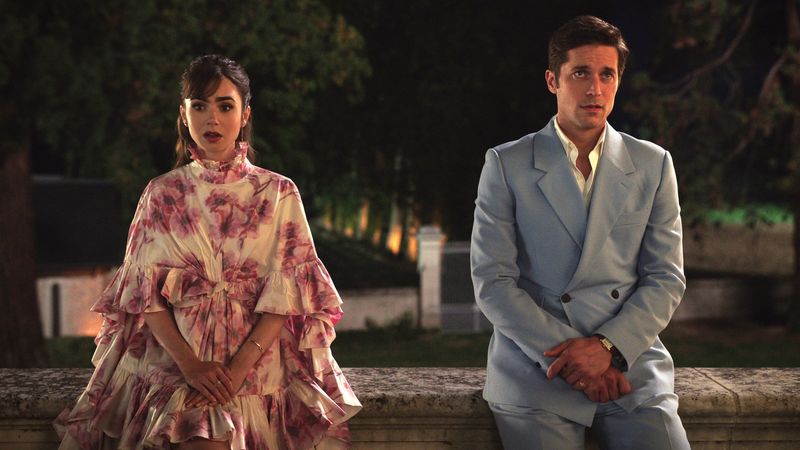
Glossy, fashionable, and unapologetically feel-good, this Netflix series became a streaming phenomenon almost overnight.
Fans flocked to it for the dreamy Paris settings, the cute romance, and the kind of breezy escapism that requires absolutely zero mental energy to enjoy.
Critics lined up just as quickly to point out its paper-thin characters, clichéd portrayal of French culture, and storylines that rarely challenged the viewer in any meaningful way.
Some called it shallow.
Others called it fun.
Here’s the thing—both descriptions are probably accurate.
Whether that makes it worth watching depends entirely on what you’re looking for.
For pure, uncomplicated entertainment, it delivers.
For substance, you might want to look elsewhere.
Comments
Loading…