
 Chloe Peterson
12 Iconic ’90s Movies That Defined an Entire Generation
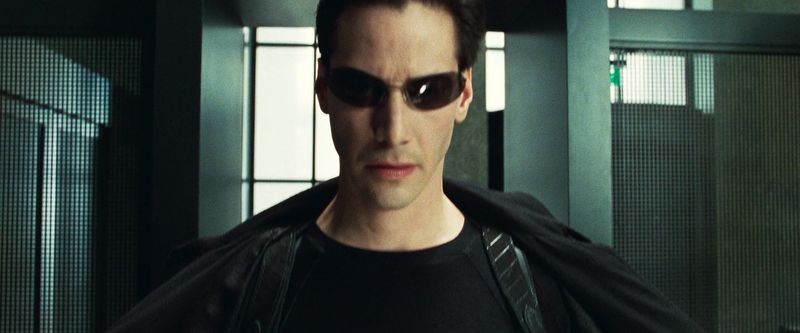
The 1990s were a golden era for cinema, producing films that still spark conversations decades later.
From groundbreaking special effects to unforgettable characters, these movies shaped how an entire generation saw the world.
Whether you grew up watching them in theaters or discovered them on VHS, these stories left a mark that time simply cannot erase.
Here are 12 films that truly defined the decade.
1. Jurassic Park (1993)
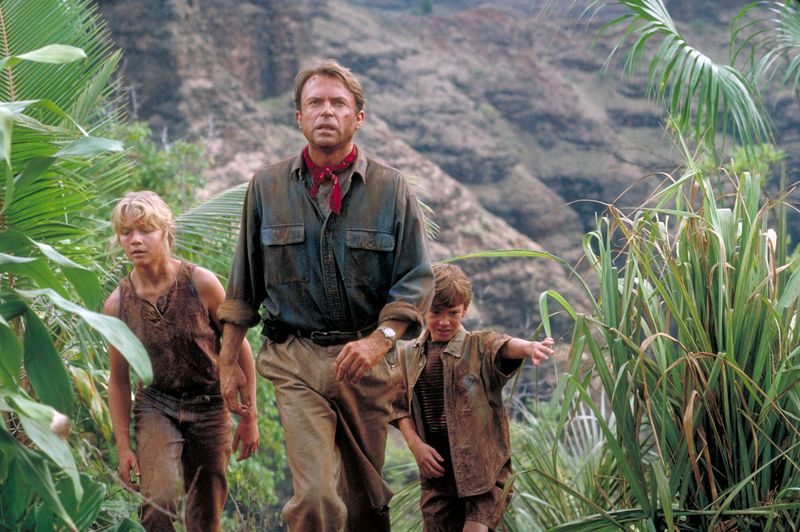
Before Jurassic Park, movie dinosaurs looked rubbery and fake.
Steven Spielberg changed everything in 1993 by blending cutting-edge CGI with incredibly detailed animatronic creatures, making audiences genuinely believe they were watching living, breathing animals.
It was a turning point in Hollywood history.
The film follows scientists and visitors trapped on an island theme park after the dinosaurs escape their enclosures.
Every scene crackles with tension, wonder, and pure excitement.
John Williams’ soaring musical score only adds to the magic.
Its influence on modern blockbusters is enormous.
Filmmakers still study Jurassic Park to understand how to balance spectacle with storytelling effectively.
2. Pulp Fiction (1994)
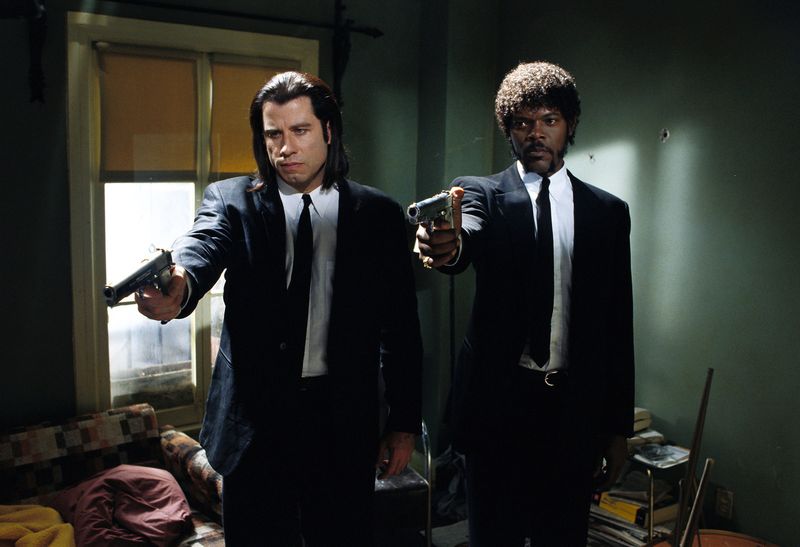
Quentin Tarantino walked into Hollywood with a briefcase full of bold ideas, and Pulp Fiction was the explosion that followed.
Released in 1994, this crime anthology shattered conventional storytelling by jumping between timelines and weaving together wildly different characters in unexpected ways.
The dialogue crackles with wit, pop culture references, and dark humor that feels unlike anything audiences had seen before.
Characters like Jules and Vincent became instantly iconic, quoted endlessly in school hallways and living rooms everywhere.
Pulp Fiction proved that independent cinema could be just as thrilling as any big-budget blockbuster, inspiring a whole generation of risk-taking filmmakers.
3. The Matrix (1999)
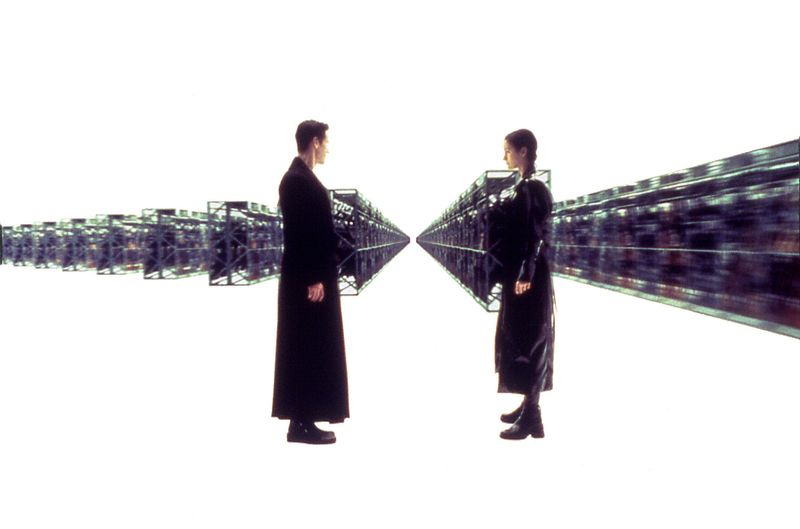
Imagine discovering that everything you see, hear, and touch is a lie.
That mind-bending premise launched The Matrix into pop culture legend when it hit theaters in 1999.
The Wachowskis crafted a film that blended philosophy, martial arts, and jaw-dropping visuals into one unforgettable experience.
The bullet-time effect alone rewrote the rules of action filmmaking.
Suddenly, slowing down a scene to an impossible crawl felt like pure art rather than a cheap trick.
Fashion, video games, and music videos all borrowed heavily from its sleek cyberpunk style.
Audiences left theaters genuinely questioning reality, and that kind of impact is incredibly rare.
4. Titanic (1997)
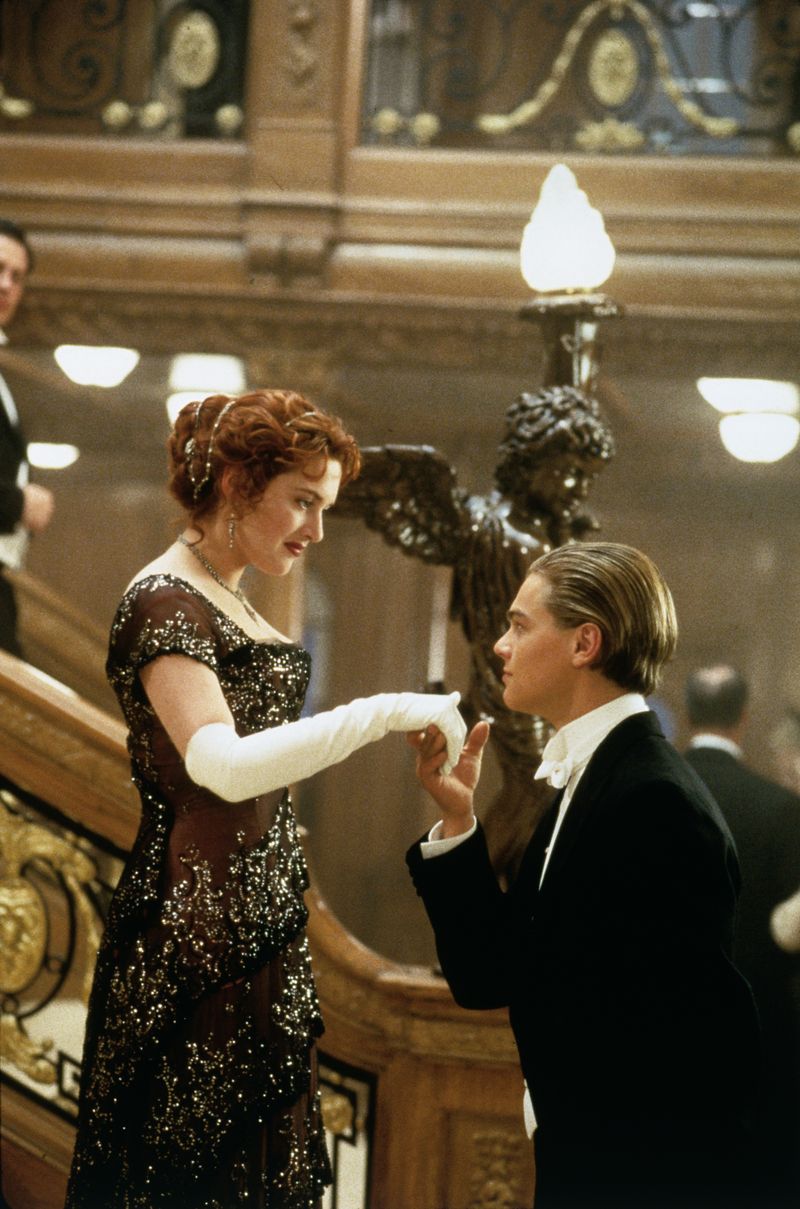
Few films have ever captured the world’s attention quite like Titanic did in December 1997.
James Cameron spent years and hundreds of millions of dollars building a story that combined real-world tragedy with a sweeping, heartfelt romance.
The gamble paid off spectacularly.
Leonardo DiCaprio and Kate Winslet brought Jack and Rose to life in a way that made millions of viewers genuinely grieve for fictional characters.
The ship’s sinking remains one of cinema’s most harrowing sequences, both technically and emotionally.
Titanic won eleven Academy Awards and became the highest-grossing film of its time, cementing Cameron’s reputation as Hollywood’s most ambitious director.
5. The Shawshank Redemption (1994)
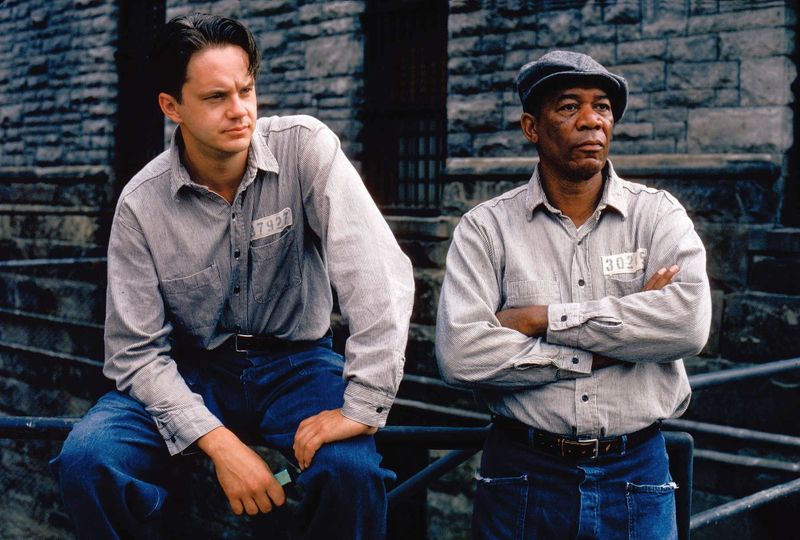
Here is a remarkable fact: The Shawshank Redemption was considered a box office disappointment when it first released in 1994.
Audiences stayed away, critics were lukewarm, and it quietly left theaters.
Then something extraordinary happened.
Word of mouth, cable television, and video rentals slowly introduced the film to millions of new viewers who were deeply moved by its story of hope inside brutal prison walls.
Morgan Freeman and Tim Robbins delivered performances so genuine and warm that the friendship between their characters felt completely real.
Today it consistently ranks as one of the greatest films ever made, a true testament to storytelling’s lasting power.
6. Forrest Gump (1994)
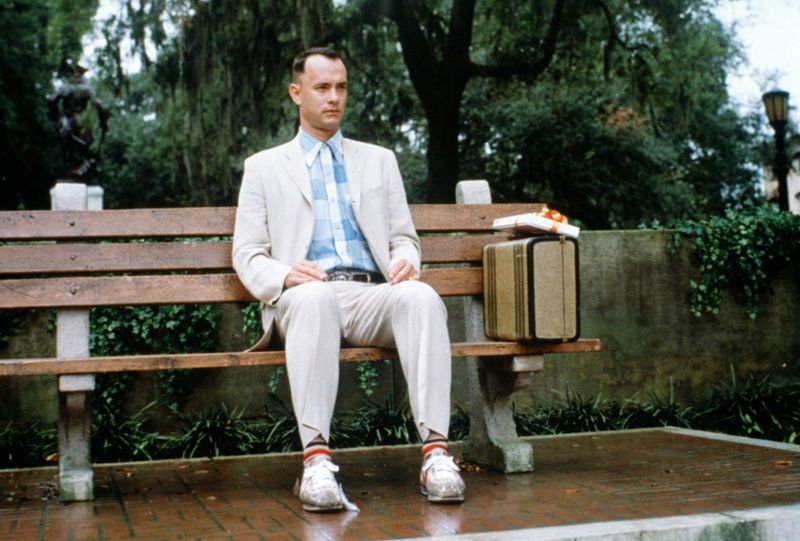
Life is like a box of chocolates.
That single line somehow perfectly captures the spirit of Forrest Gump, a film that managed to retell American history through the eyes of the most earnest, kindhearted character ever put on screen.
Tom Hanks absolutely disappeared into the role.
The movie takes Forrest from Alabama football fields to the Vietnam War, from the White House to a cross-country run, all without ever feeling rushed or unbelievable.
Every historical cameo lands with a clever wink that rewards attentive viewers.
Emotionally, the film hits hard in ways that sneak up on you, leaving audiences laughing and crying sometimes within the same minute.
7. The Lion King (1994)
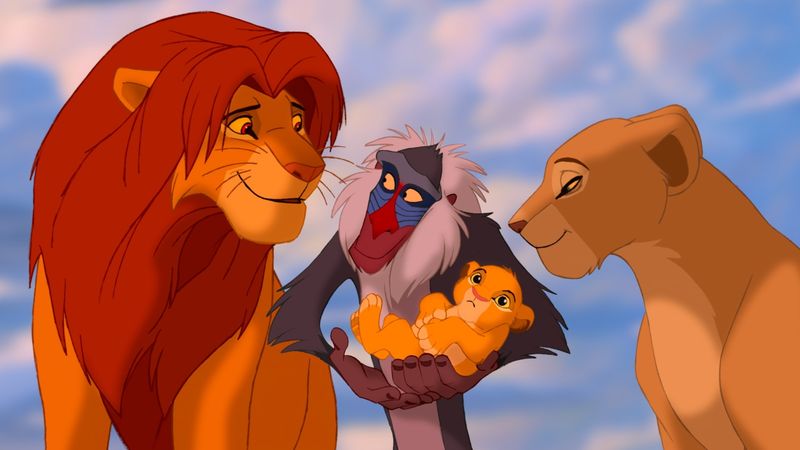
Pride Rock.
Just those two words send a wave of nostalgia crashing over anyone who grew up in the 1990s.
Disney’s The Lion King arrived in 1994 as one of the studio’s most ambitious animated projects, drawing inspiration from Shakespeare’s Hamlet and setting it against the breathtaking backdrop of the African savanna.
Hans Zimmer’s score and Elton John’s songs like Circle of Life created an emotional atmosphere that felt genuinely epic for an animated feature.
Young Simba’s journey from grief to courage resonated with kids and adults alike.
Decades later, those songs still get stuck in your head after just one listen.
8. Toy Story (1995)
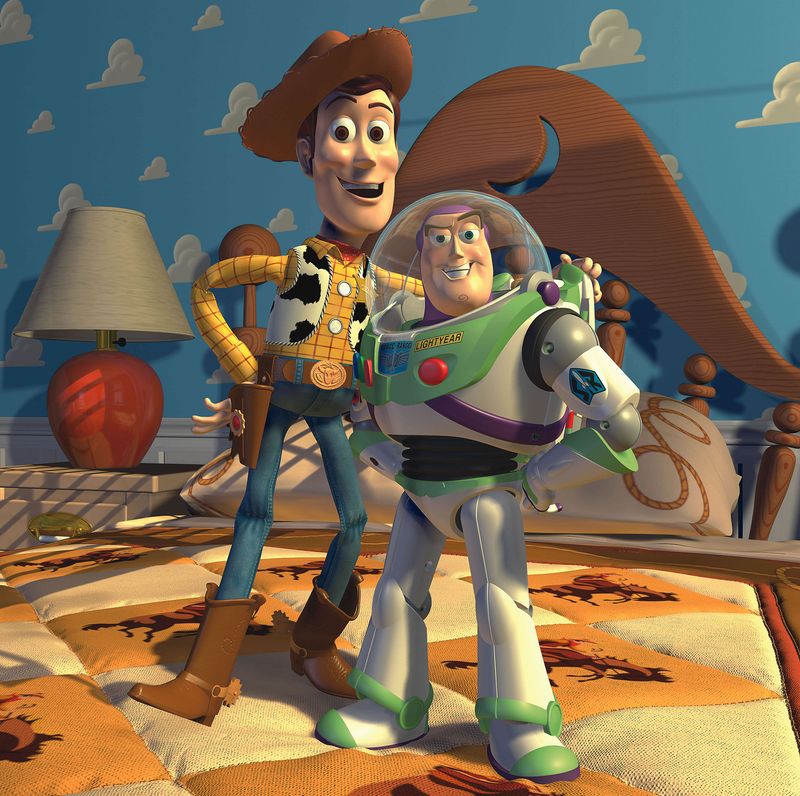
Nobody truly knew what to expect when Pixar released the world’s first fully computer-animated feature film in 1995.
Toy Story could have easily felt cold or mechanical, but instead it delivered something unexpectedly warm, funny, and emotionally rich that worked for every age group.
Woody and Buzz’s rivalry-turned-friendship gave the story real stakes, while the idea that toys come alive when humans aren’t watching tapped into every child’s secret belief.
The animation was groundbreaking, yet the heart of the film was always the characters.
Toy Story didn’t just launch Pixar into global fame; it permanently changed the animation industry’s direction.
9. Saving Private Ryan (1998)
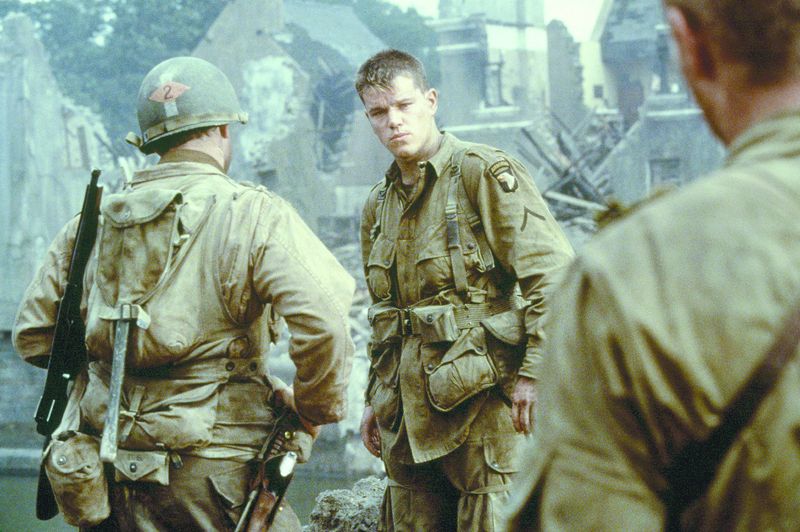
The opening twenty-five minutes of Saving Private Ryan are widely considered the most intense war sequence ever filmed.
Steven Spielberg deliberately avoided the glamorized, heroic version of combat that Hollywood had favored for decades, instead placing cameras right in the chaos of the D-Day invasion at Normandy.
Veterans who watched the film reportedly broke down in tears, saying it was the first movie that honestly reflected what battle actually felt like.
Tom Hanks led an outstanding ensemble cast through a story about sacrifice, duty, and the human cost of war.
Its raw, documentary-style approach permanently raised the bar for how war stories get told on screen.
10. Scream (1996)
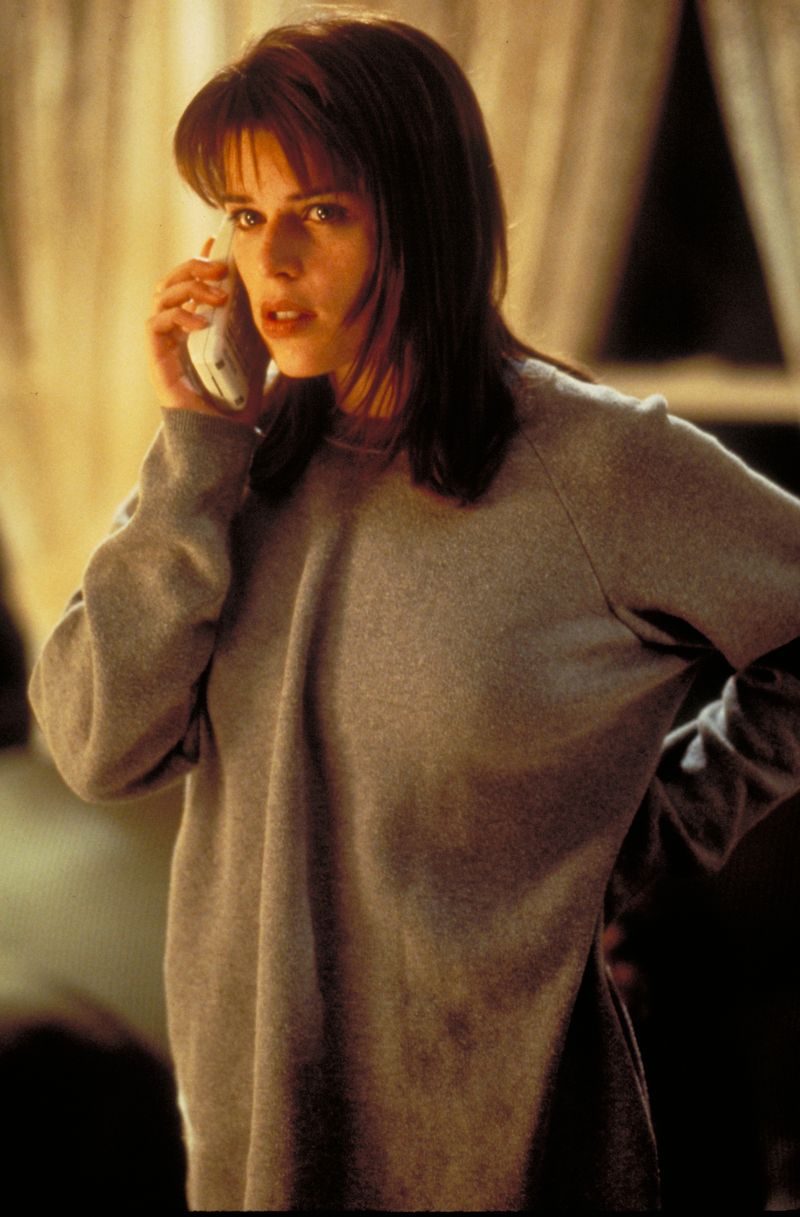
By the mid-1990s, horror movies had become predictable, formulaic, and frankly a little tired.
Then Wes Craven and screenwriter Kevin Williamson pulled off something genuinely clever: they made a slasher film that knew it was a slasher film.
Scream arrived in 1996 fully aware of every horror cliché it was playing with.
The opening scene alone became one of cinema’s most talked-about sequences, instantly putting audiences on edge.
Ghostface became an iconic villain, and the Scream mask showed up at Halloween parties everywhere for years afterward.
The film’s self-aware wit breathed fresh life into a genre that desperately needed reinvention.
11. Fight Club (1999)
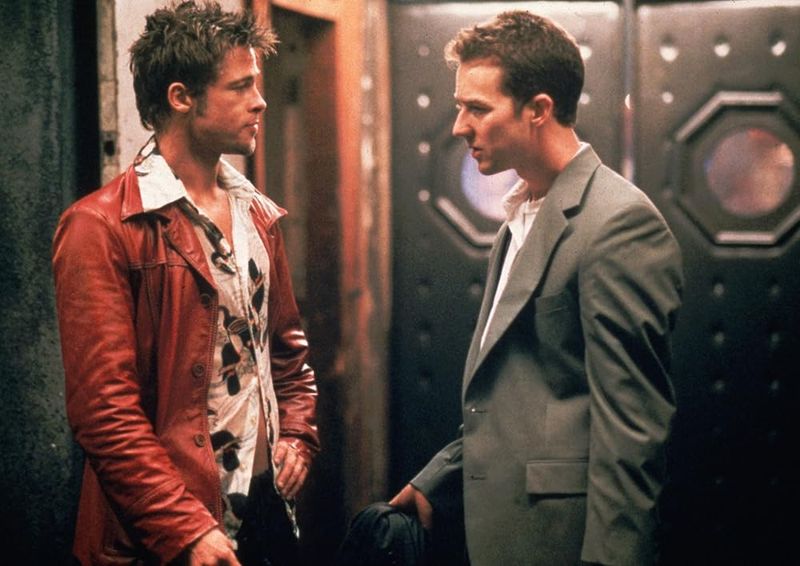
When Fight Club hit theaters in 1999, audiences and critics were divided.
Some found it too dark, too violent, and too strange.
Others recognized immediately that David Fincher had crafted something provocative and uncomfortably honest about modern life’s emptiness and the desperate search for meaning.
Edward Norton and Brad Pitt delivered electrifying performances that kept viewers guessing right up until the film’s shocking final twist.
The story’s critique of consumerism and masculinity felt sharp and relevant in ways that only grew stronger over time.
What started as a box office disappointment gradually became one of the most quoted and referenced cult classics of its generation.
12. Clueless (1995)
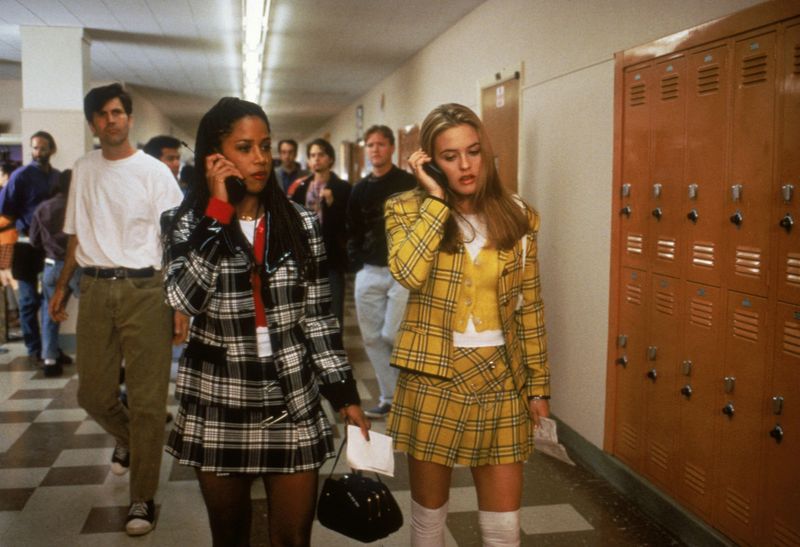
As if!
Clueless arrived in 1995 and immediately rewrote the rulebook on teen comedies.
Writer-director Amy Heckerling adapted Jane Austen’s classic novel Emma and transplanted it into the sun-drenched hallways of a Beverly Hills high school, creating something that felt both timeless and delightfully fresh.
Alicia Silverstone’s Cher Horowitz became a style icon almost overnight.
Her wardrobe, her slang, and her cheerful confidence influenced fashion and youth culture throughout the entire decade and well beyond.
Underneath all the glamour and witty one-liners, Clueless actually had a surprisingly big heart.
It reminded everyone that growing up means learning to care about more than just yourself.
Comments
Loading…