
 Hailey Watson
10 TV Shows That Became Victims of Their Own Massive Success
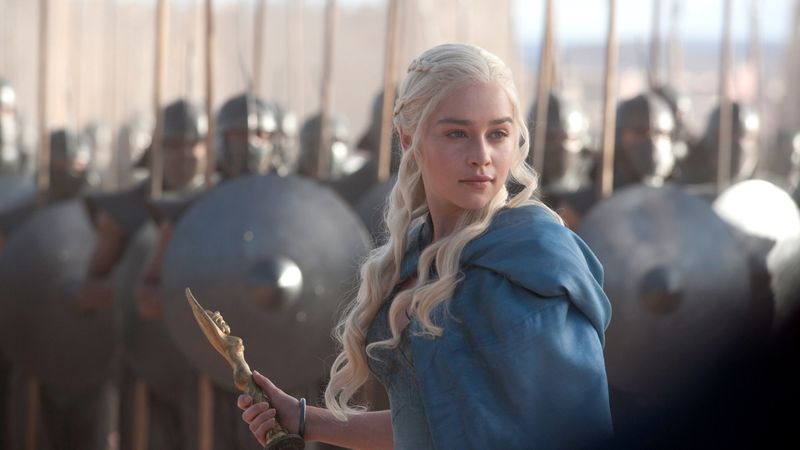
Sometimes a TV show gets so popular that its success becomes its biggest problem.
What starts as a tight, clever story can slowly turn into something bloated and unrecognizable as networks push for more seasons, bigger budgets, and wider audiences.
The pressure to keep delivering can stretch even the best ideas past their breaking point.
Here are 10 shows that started strong but struggled under the weight of their own fame.
1. Stranger Things (2016-2025)

Few shows launched with as much heart and mystery as Stranger Things.
Set in a small Indiana town, its first season felt like a love letter to 1980s adventure films, with just the right amount of scares and soul.
Fans were hooked instantly.
But as the show exploded into a global phenomenon, production timelines stretched to years between seasons.
The storylines grew bigger, louder, and more complicated.
Characters who once felt like real kids started to feel like action heroes in a blockbuster movie.
The charm that made it special slowly got buried under spectacle, fan service, and oversized set pieces.
2. Squid Game (2021-2025)
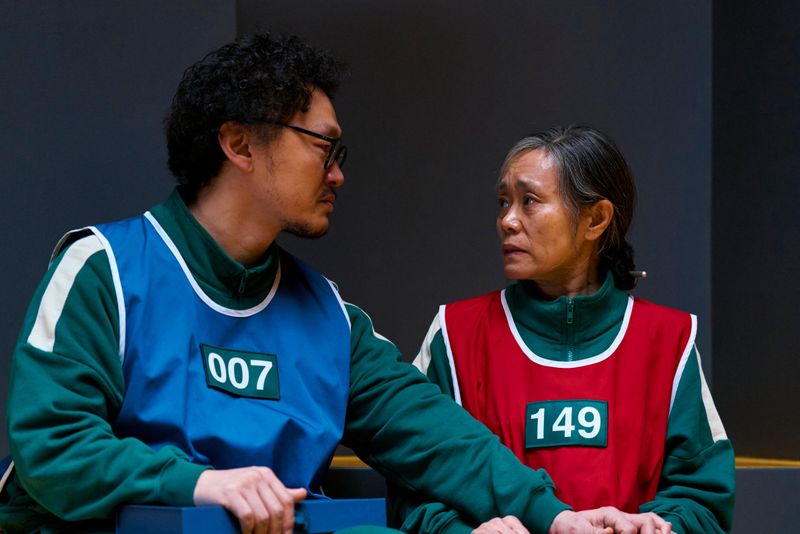
When Squid Game dropped in 2021, nobody expected a Korean-language thriller to become the most-watched show in Netflix history.
Its sharp critique of debt, inequality, and desperation hit audiences worldwide like a punch to the gut.
The storytelling was focused, brutal, and brilliant.
The problem?
It was always meant to be one complete story.
Its explosive success changed that.
Netflix pushed for more, and suddenly a self-contained masterpiece became a franchise with mounting expectations.
Replicating that kind of lightning-in-a-bottle impact is nearly impossible.
The more the story expands, the greater the risk of softening the very message that made it unforgettable.
3. The Witcher (2019-)
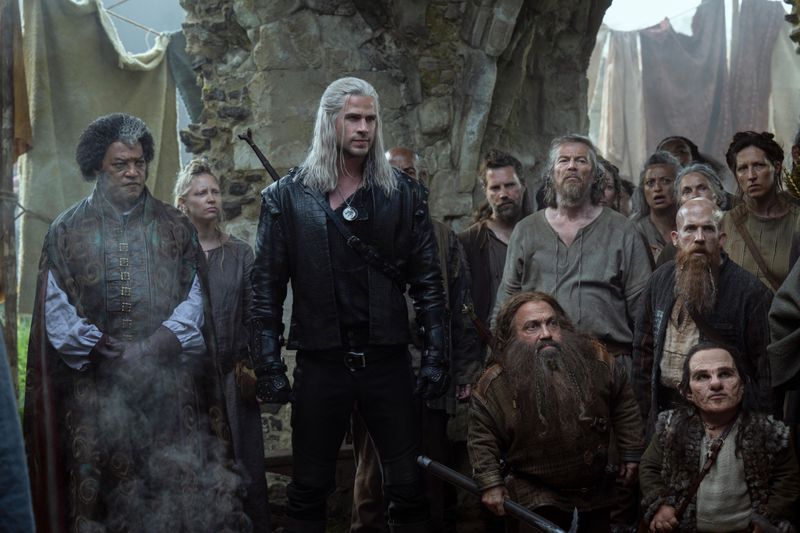
Built on a beloved book series and a wildly popular video game franchise, The Witcher arrived with a massive built-in fanbase and sky-high expectations.
Its first season delivered monster hunting, moral ambiguity, and a magnetic lead performance that won over millions.
Popularity quickly led to rapid expansion, including spin-offs, prequels, and shifting storylines that drifted further from the source material.
Behind-the-scenes changes, including a major cast swap, shook viewer confidence.
What began as a passionate adaptation started feeling like a product manufactured to feed demand rather than a story told with care.
Success, it turns out, can complicate creative vision in a big way.
4. 13 Reasons Why (2017-2020)

Based on Jay Asher’s novel, 13 Reasons Why sparked intense conversation with its unflinching look at teen mental health, bullying, and suicide.
The first season was controversial but undeniably powerful, drawing massive viewership and serious cultural debate.
It clearly struck a nerve.
Originally planned as a limited series, its popularity convinced Netflix to keep it going.
Each new season moved further from the emotional core of the story, piling on new tragedies and plotlines that felt increasingly forced.
Critics and mental health advocates grew louder in their concerns.
A story that once demanded to be heard slowly turned into something that had simply overstayed its welcome.
5. Money Heist (La Casa de Papel) (2017-2021)
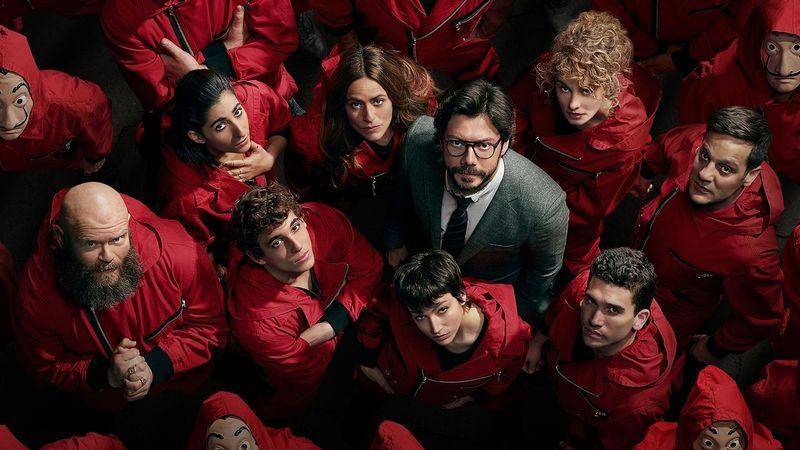
Money Heist began as a scrappy Spanish crime thriller that almost nobody outside Spain had heard of.
Then Netflix picked it up, and suddenly the red jumpsuits and Dali masks became iconic symbols recognized around the world.
It was a genuine underdog success story.
That global attention came with a cost.
The show was extended well beyond its original two-part structure, adding longer seasons packed with increasingly outrageous twists.
Characters who had satisfying arcs were brought back, and emotional moments started to feel manufactured rather than earned.
Still entertaining?
Absolutely.
But the later seasons never quite matched the scrappy, unpredictable energy of those early episodes.
6. Euphoria (2019-)
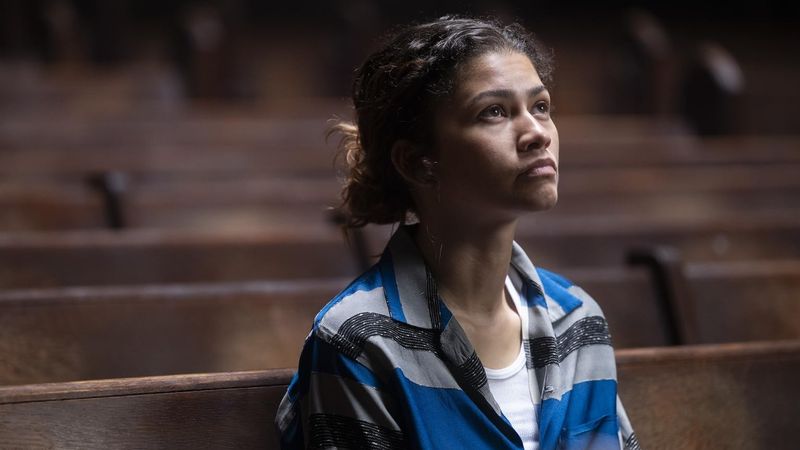
Euphoria arrived like nothing else on television.
Its visual style was bold and hypnotic, its performances raw and unsettling, and its portrayal of teen addiction and trauma cut deeper than most shows dared.
Season one felt like a genuine artistic statement.
Then came the fame.
Euphoria became a cultural obsession, a meme factory, and a fashion inspiration all at once.
The pressure of that attention stretched production timelines and raised expectations to an almost impossible height.
Season two divided audiences, with some finding it even more intense and others feeling the storytelling had lost its footing.
When a show becomes a phenomenon, the art can get tangled up in the hype.
7. The Walking Dead (2010-2022)
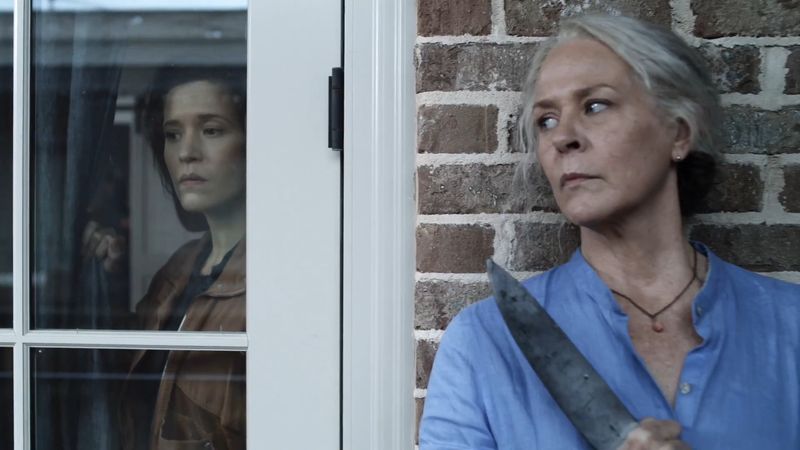
Back in 2010, The Walking Dead felt revolutionary.
A serious, character-driven zombie drama on cable TV?
Nobody had really done it like that before.
The early seasons were tense, emotional, and genuinely hard to predict.
Audiences were completely invested.
Its massive ratings kept AMC running it for twelve seasons, long after many fans had quietly moved on.
Repetitive survival cycles, drawn-out pacing, and the departure of beloved characters drained much of the emotional energy from the story.
Rather than end on a high note, the show kept expanding, spawning multiple spin-offs.
Longevity became its identity, even as the storytelling quality struggled to keep pace with its own legacy.
8. Game of Thrones (2011-2019)
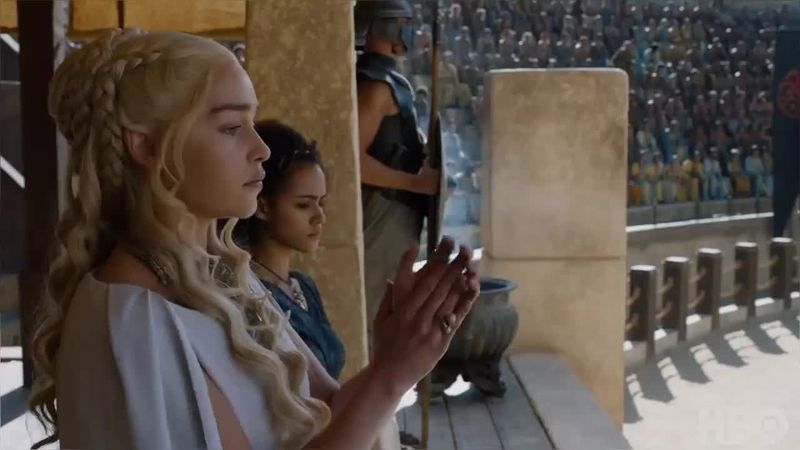
For most of its run, Game of Thrones was untouchable.
Complex politics, shocking deaths, and an enormous world made it the kind of TV event that people gathered around like a campfire.
At its peak, it was arguably the most talked-about show on the planet.
Then it outpaced the books.
With no finished source material to guide them, the final two seasons rushed through storylines that deserved far more time and care.
Character decisions felt inconsistent, and major payoffs landed with a thud instead of a roar.
The finale became one of the most debated endings in TV history, a cautionary tale about what happens when ambition outgrows its own foundation.
9. Grey’s Anatomy (2005-)
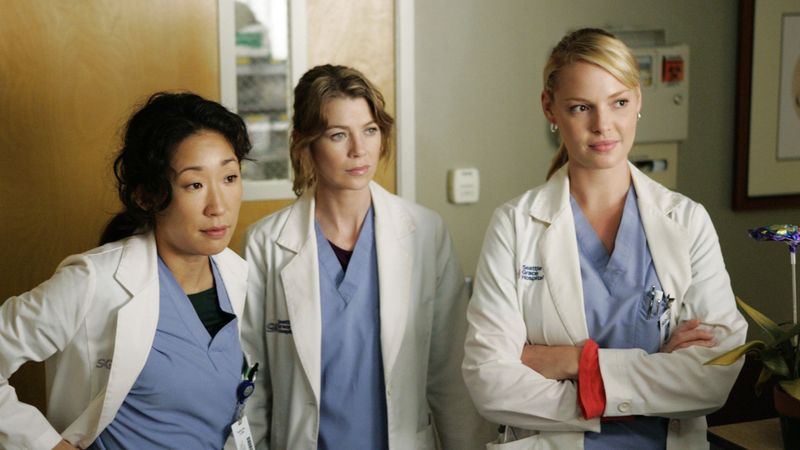
Twenty seasons in and still going, Grey’s Anatomy holds a record few shows can touch.
When it premiered in 2005, it was fresh, funny, heartbreaking, and full of characters you genuinely rooted for.
Meredith Grey felt like someone you actually knew.
Decades of popularity have kept it on air, but the cost has been steep.
Nearly every original cast member has left, and the show has cycled through so many tragedies, romances, and hospital disasters that newer storylines often feel like echoes of earlier, better ones.
Loyal viewers keep watching out of habit and affection.
But even the most devoted fans quietly wonder whether the show should have taken a bow several seasons ago.
10. House of Cards (2013-2018)
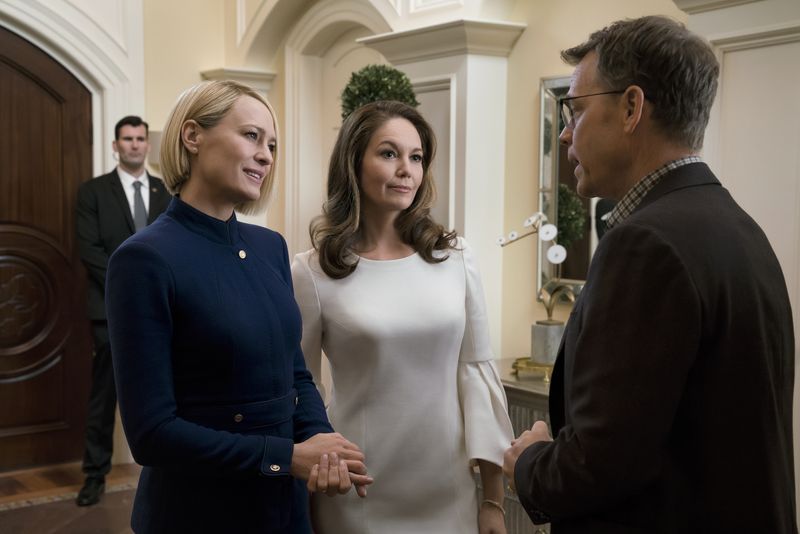
House of Cards did not just succeed, it changed the game.
As one of Netflix’s first major original dramas, it proved that streaming could produce prestige television that rivaled anything on traditional networks.
Kevin Spacey’s Francis Underwood was chillingly magnetic from the very first episode.
Early seasons were sharp, calculated, and wickedly fun to watch.
But extended seasons began to stretch the story thin, and the political scheming started to feel circular rather than clever.
Then real-world controversy surrounding the lead actor forced a rushed and unsatisfying conclusion.
What started as a landmark achievement ended as a cautionary story about how outside pressures and prolonged success can quietly hollow out even the most acclaimed television.
Comments
Loading…