
 Jade Reed
10 Modern Movies That Are Masterpieces Only Because Today’s Standards Are So Low
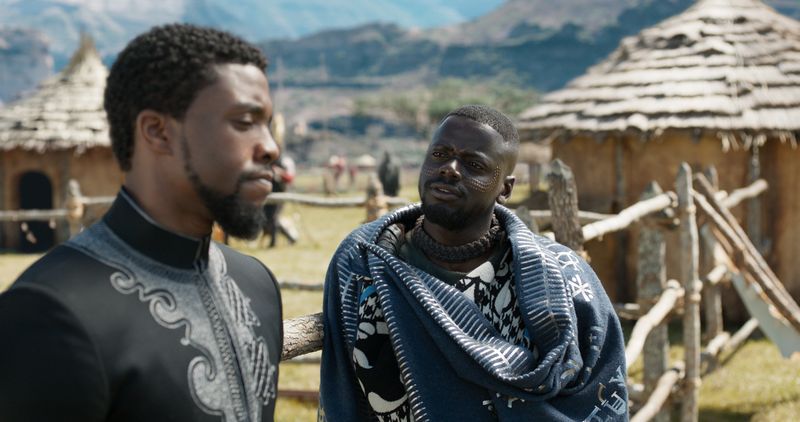
Film critics and audiences today seem ready to crown almost any decent movie as a masterpiece.
What happened to the days when truly groundbreaking cinema set the bar impossibly high?
Some recent films get praised to the heavens simply because they’re slightly better than the forgettable blockbusters surrounding them.
These ten movies prove that our standards have dropped dramatically when it comes to what we consider great filmmaking.
1. La La Land (2016)
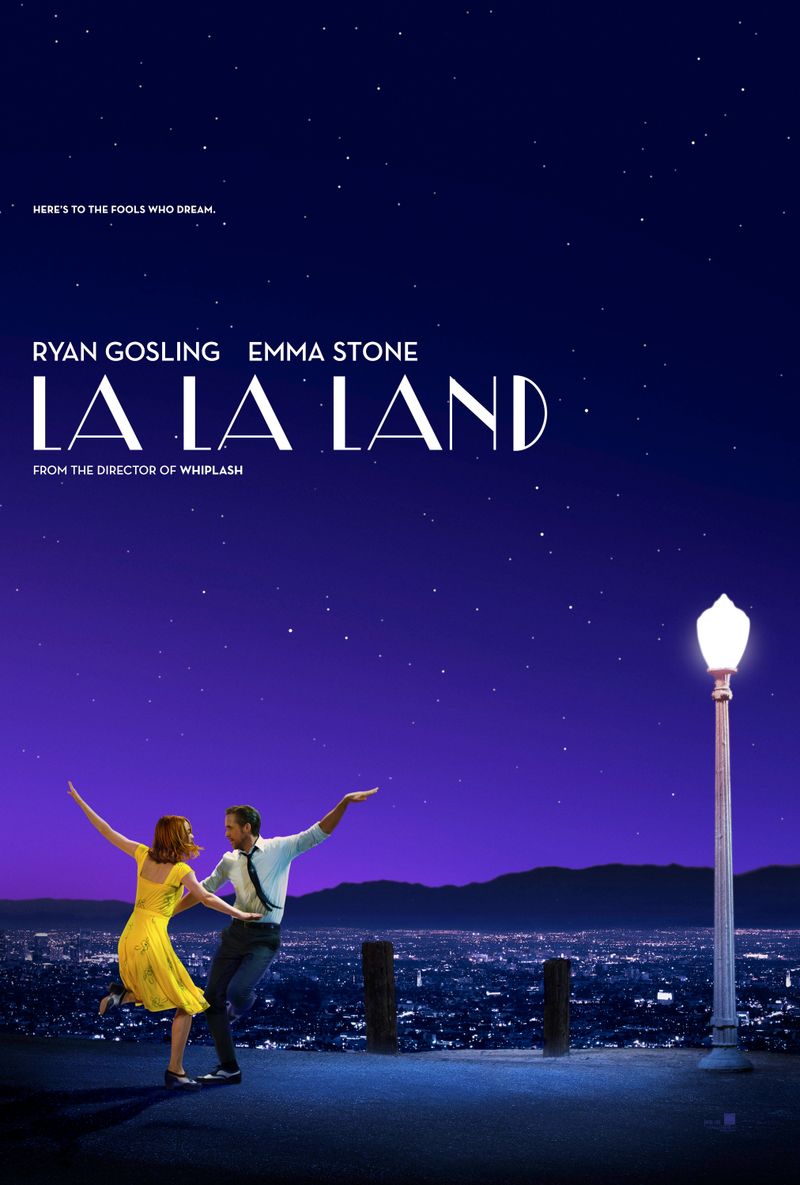
A musical where the leads can’t really sing or dance that well got nominated for fourteen Oscars.
Think about that for a second.
Imagine showing this to audiences who grew up with Gene Kelly and Judy Garland.
The nostalgic cinematography is pretty, no question there.
But pretty colors don’t make up for a story that can’t decide if it wants to be romantic or cynical.
The ending tries so hard to be bittersweet that it just feels unsatisfying.
Previous generations had Singin’ in the Rain and West Side Story.
We apparently think a nice-looking movie with mediocre musical numbers deserves the same praise.
2. Joker (2019)
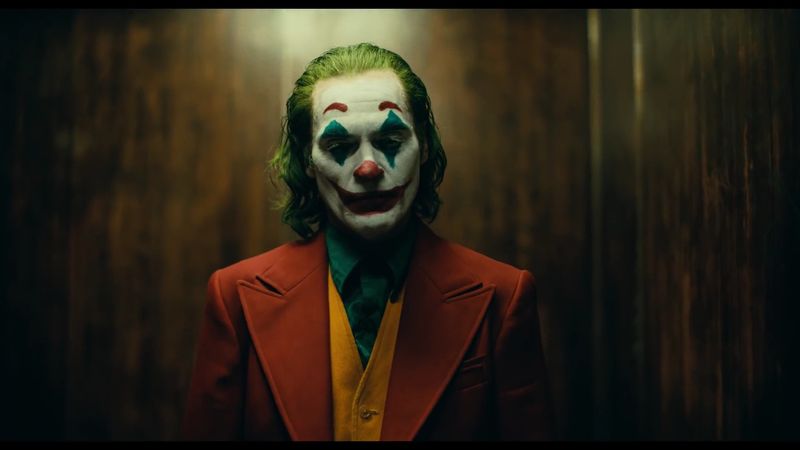
Take Taxi Driver and The King of Comedy, remove the subtlety, add comic book references, and apparently you’ve created a masterpiece.
Film students praised this like Martin Scorsese had never made a movie before.
Joaquin Phoenix gives a committed performance, absolutely.
But the film mistakes grimness for depth and mental illness for character development.
It borrows heavily from better movies while pretending to say something profound about society.
The fact that audiences called this groundbreaking proves they haven’t watched much 1970s cinema.
It’s a decent thriller wearing the costume of something much deeper and more meaningful than it actually is.
3. Get Out (2017)
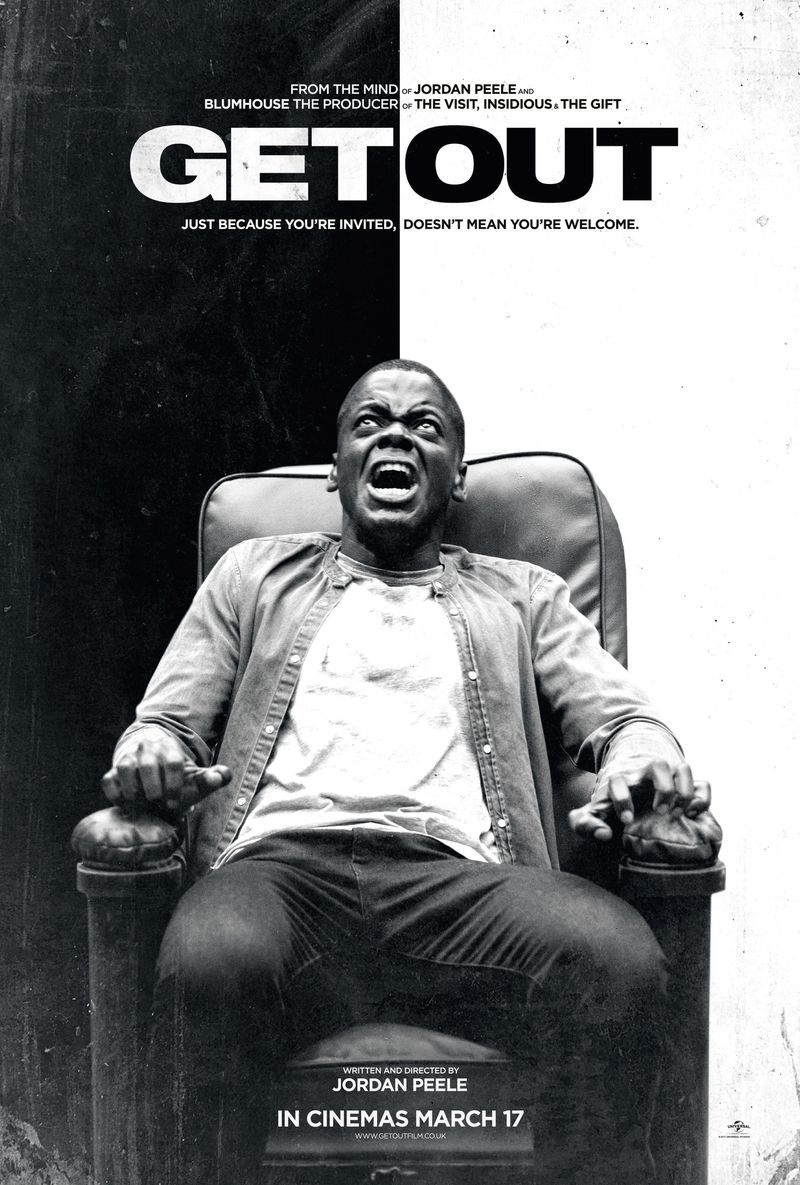
Jordan Peele created a smart horror film with social commentary, which is genuinely praiseworthy.
But people acted like horror had never tackled race before, completely ignoring decades of similar work by Black filmmakers.
The Sunken Place is a cool visual metaphor.
The rest of the movie telegraphs its twists so obviously that calling it mind-blowing seems like a stretch.
Any viewer paying attention figures out the conspiracy within thirty minutes.
Horror classics like The Shining and Rosemary’s Baby were actually subtle.
This one spells everything out in capital letters, yet somehow that’s considered brilliant in today’s landscape of even more obvious blockbusters.
4. Black Panther (2018)
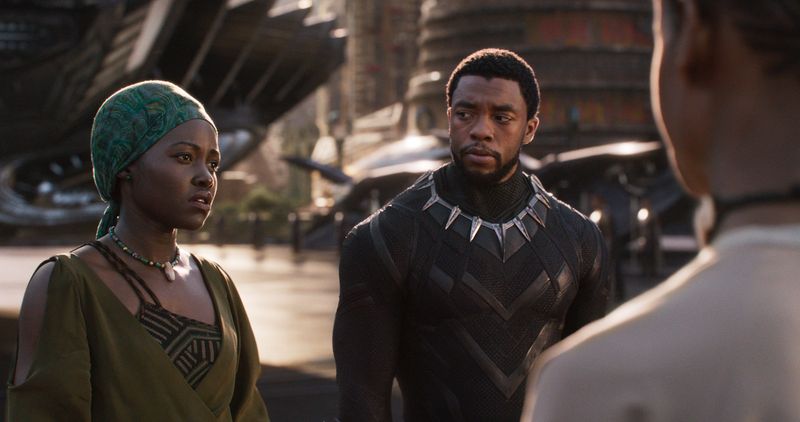
Sure, representation matters and this Marvel entry broke important ground.
But calling it a cinematic masterpiece?
The CGI looks like a PlayStation 2 game during the final battle, and the plot follows the same tired superhero formula we’ve seen a hundred times.
Strip away the cultural significance and you’re left with another origin story that hits every predictable beat.
The villain actually has more interesting motivations than the hero, which isn’t exactly groundbreaking storytelling.
In the 1970s, a movie needed revolutionary filmmaking to earn masterpiece status.
Now we just need decent representation and passable special effects to get standing ovations.
5. Birdman (2014)
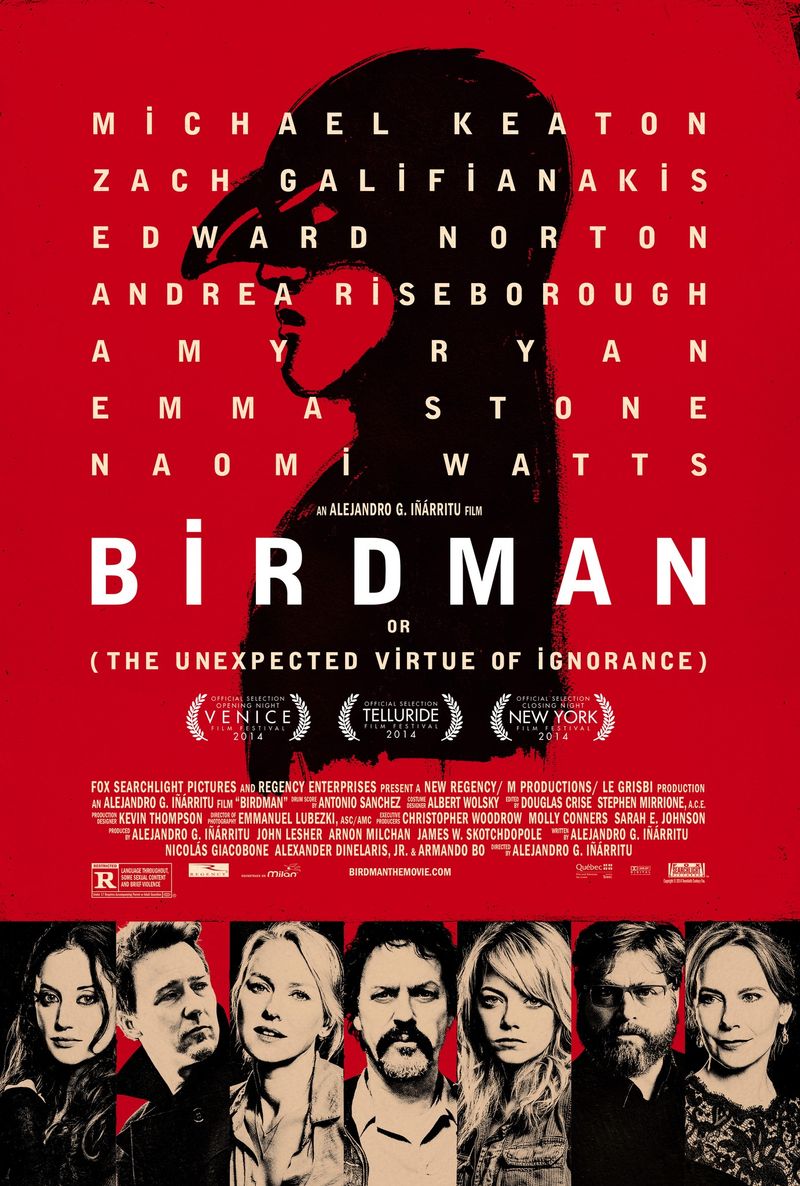
A gimmicky long-take technique does not equal profound filmmaking.
Yes, the cinematography creates the illusion of one continuous shot.
But this trick distracts from a pretty standard story about an aging actor’s ego and insecurity.
The film mistakes self-importance for self-awareness.
It wants to critique superhero culture while desperately seeking the same mainstream approval.
The ending is deliberately ambiguous because the filmmakers couldn’t commit to an actual statement.
Decades ago, directors like Orson Welles used innovative techniques to serve powerful stories.
Now we praise technical showmanship even when the substance underneath feels hollow and pretentious.
6. Hereditary (2018)
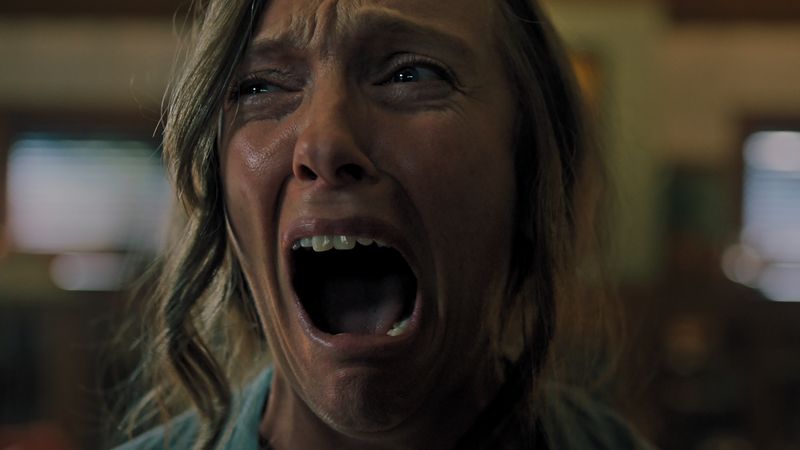
Horror fans desperately wanted an elevated genre film, so they convinced themselves this was it.
Toni Collette delivers an incredible performance that the movie doesn’t quite deserve.
The first half builds genuine dread through family trauma.
Then it abandons psychological horror for a generic demon cult storyline we’ve seen in countless B-movies.
That jarring tonal shift gets excused as subversion.
Classic horror like The Exorcist and Don’t Look Now maintained consistent vision throughout.
This one starts strong but collapses into the same supernatural clichés it initially seemed to transcend, yet critics called it revolutionary anyway.
7. The Shape of Water (2017)
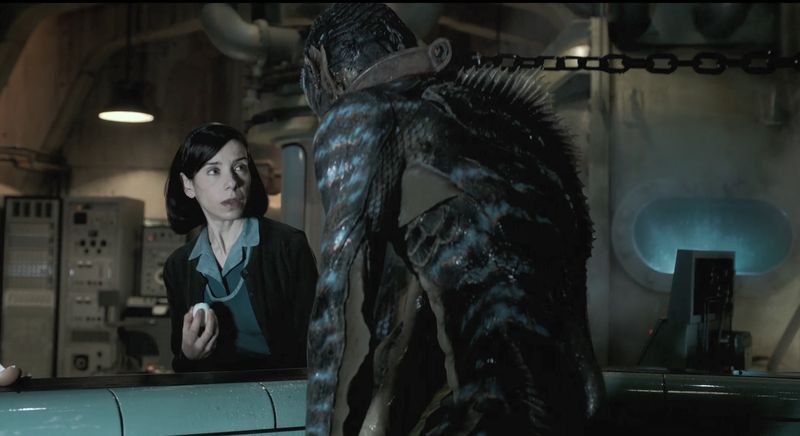
Guillermo del Toro made a beautiful-looking movie about a woman who falls in love with a fish man.
The Academy gave it Best Picture, apparently forgetting that visual style should enhance story, not replace it.
Strip away the gorgeous production design and you’ve got a thin romance with underdeveloped characters.
The villain is cartoonishly evil with no real motivation.
The love story relies entirely on viewers finding the concept charming rather than earning emotional investment.
Previous Best Picture winners like The Godfather had stunning visuals AND complex narratives.
Now we apparently just need pretty colors and a quirky premise to achieve masterpiece status.
8. Dunkirk (2017)
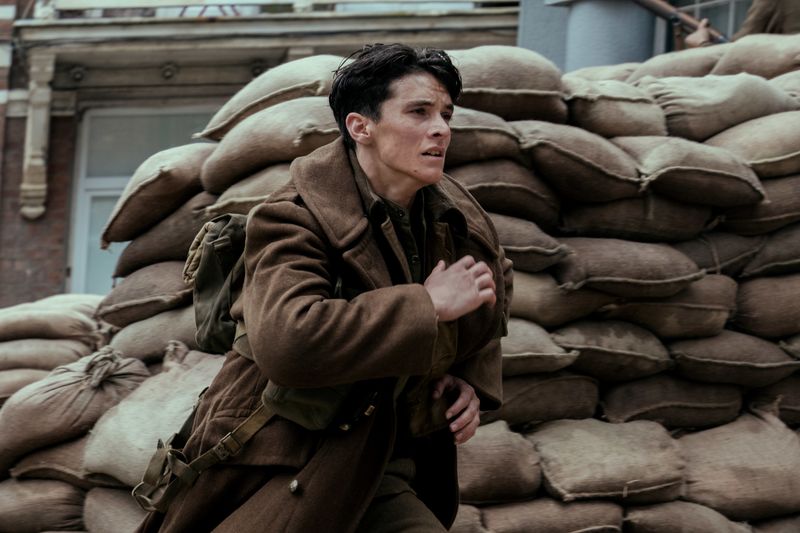
Christopher Nolan created a technically impressive war film with minimal dialogue and maximum spectacle.
Critics praised its immersive experience while ignoring that it has virtually no character development or emotional depth.
You can’t remember a single soldier’s name five minutes after the credits roll.
The nonlinear timeline adds confusion without adding meaning.
It’s essentially a very expensive, very loud demonstration of filmmaking technique.
War classics like Apocalypse Now and Saving Private Ryan balanced visceral action with human stories.
This one prioritizes the IMAX experience over making audiences actually care about anyone onscreen.
9. Moonlight (2016)
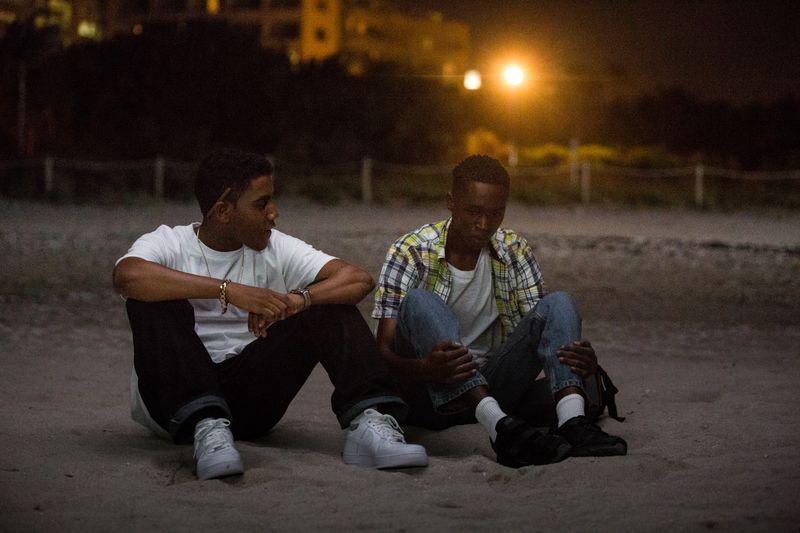
A well-crafted film about identity and sexuality that won Best Picture partly because the Academy wanted to correct previous diversity mistakes.
It’s good, genuinely good, but masterpiece?
That’s pushing it.
The three-act structure showing different life stages works effectively.
But the middle section drags, and the ending feels unresolved in a way that seems more uncertain than intentional.
Beautiful cinematography can’t quite hide the thin narrative.
Compare this to actual masterpieces about identity like Do the Right Thing.
Those films took bigger risks and made bolder statements.
We’ve lowered the bar so much that competent filmmaking now gets treated like revolutionary art.
10. 1917 (2019)
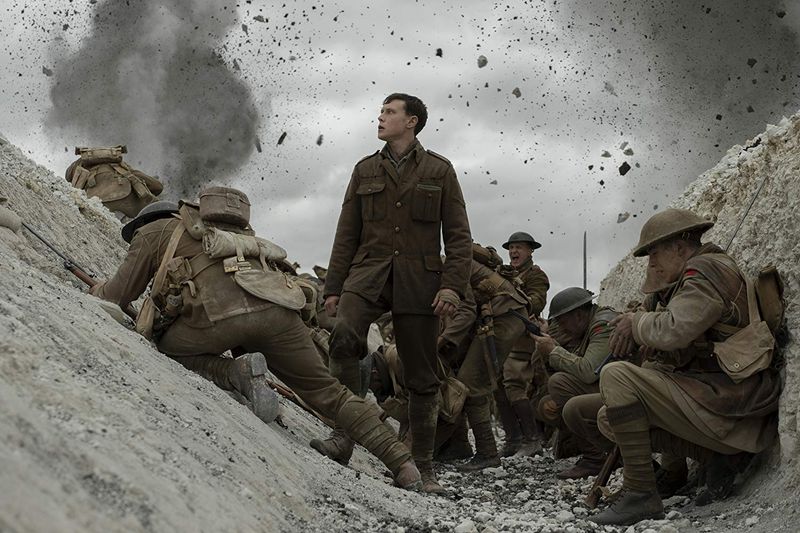
Another one-shot gimmick movie that prioritizes technical achievement over storytelling.
Yes, the cinematography is impressive.
But the plot is basically a video game mission: go from point A to point B while avoiding obstacles.
The characters exist solely to move the camera through impressive set pieces.
There’s no real development, just a series of increasingly dangerous situations.
It’s a theme park ride disguised as a war drama.
Films like Paths of Glory used long takes to serve powerful anti-war messages.
This one uses them to show off, creating a hollow spectacle that audiences mistake for substance simply because it looks different from typical blockbusters.
Comments
Loading…