
 Chloe Peterson
10 Legendary Actors Who Would Never Make It in Today’s Hollywood
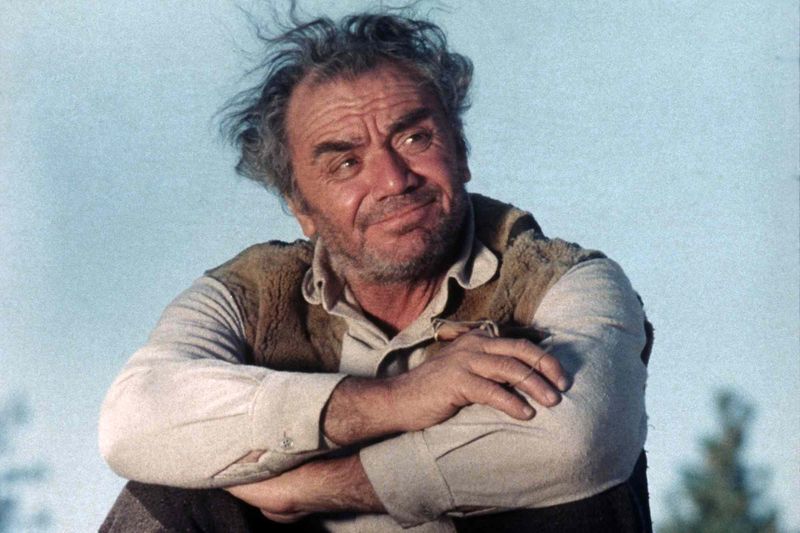
Hollywood has changed dramatically over the decades.
The stars who once captivated audiences with their unique talents and unconventional looks might struggle to break through in today’s entertainment landscape.
From shifting beauty standards to the rise of social media scrutiny, the industry now demands different qualities from its leading performers than it did in the golden age of cinema.
1. Humphrey Bogart
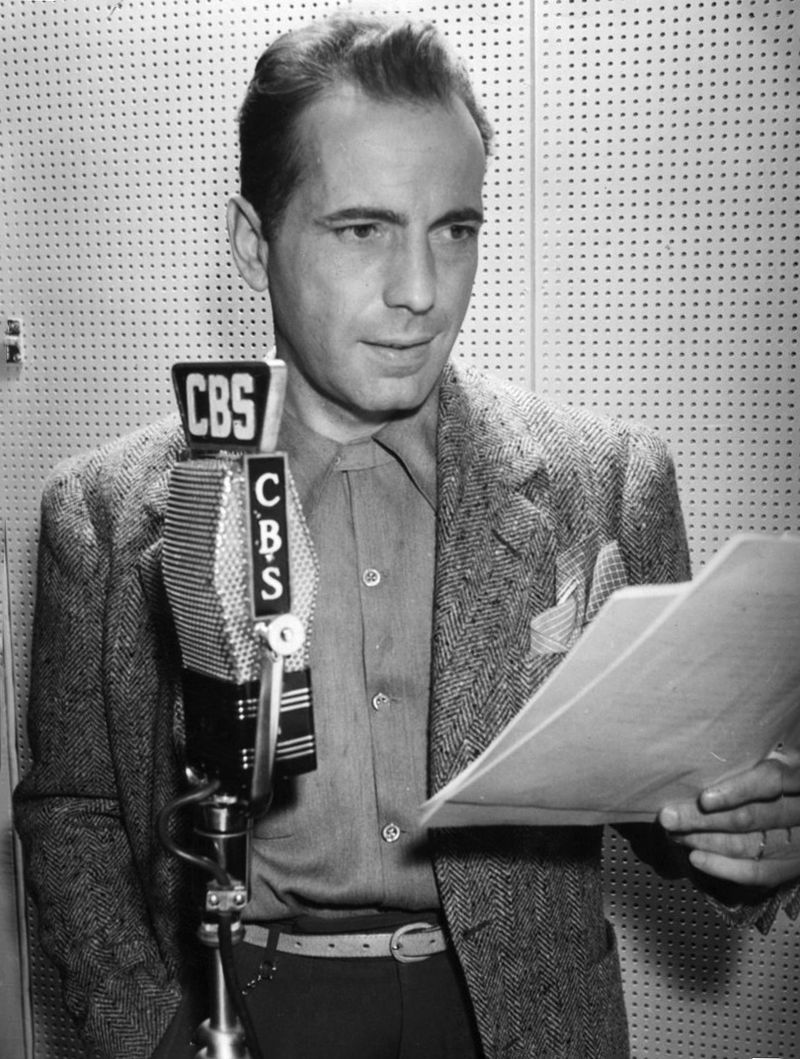
Bogart’s rugged face and world-weary demeanor made him an icon of 1940s cinema.
His weathered features and cynical charm defined characters like Rick Blaine in Casablanca.
Today’s casting directors often seek younger, more conventionally attractive leading men with perfect smiles and chiseled jawlines.
His distinctive lisp and understated acting style would likely be considered unmarketable in an era obsessed with social media presence.
Modern studios prefer actors who can promote films across multiple platforms with polished, camera-ready appearances.
Bogart’s anti-hero persona wouldn’t fit the superhero-dominated landscape that requires actors to sign multi-picture deals and maintain specific physical standards.
The smoking that defined so many of his roles would be completely unacceptable today.
His tough-guy image came from authenticity rather than gym-sculpted muscles, making him a relic of a different Hollywood era.
2. Peter Lorre
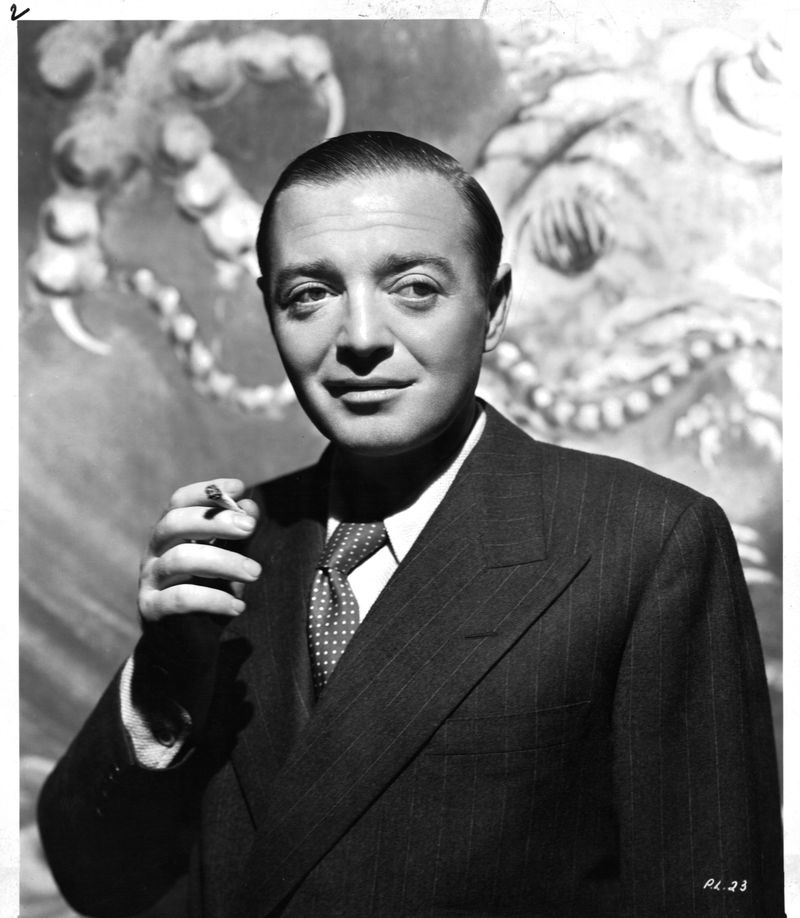
With his bulging eyes and unsettling voice, Lorre became Hollywood’s go-to villain in the 1940s and 50s.
His unconventional appearance was his greatest asset, allowing him to portray memorable creeps and criminals.
Modern casting has become more restrictive, favoring actors who can transition between hero and villain roles based on marketability rather than distinctive physical characteristics.
Lorre’s thick Hungarian accent added to his menacing screen presence but would likely limit his opportunities today.
The industry now expects actors to master neutral American accents or play specifically ethnic roles.
His slight build and unusual features wouldn’t match current preferences for physically imposing antagonists.
The typecasting that made Lorre successful would now be considered a career limitation.
Studios want versatile performers who can headline franchises, not character actors with memorable quirks.
3. Charles Laughton
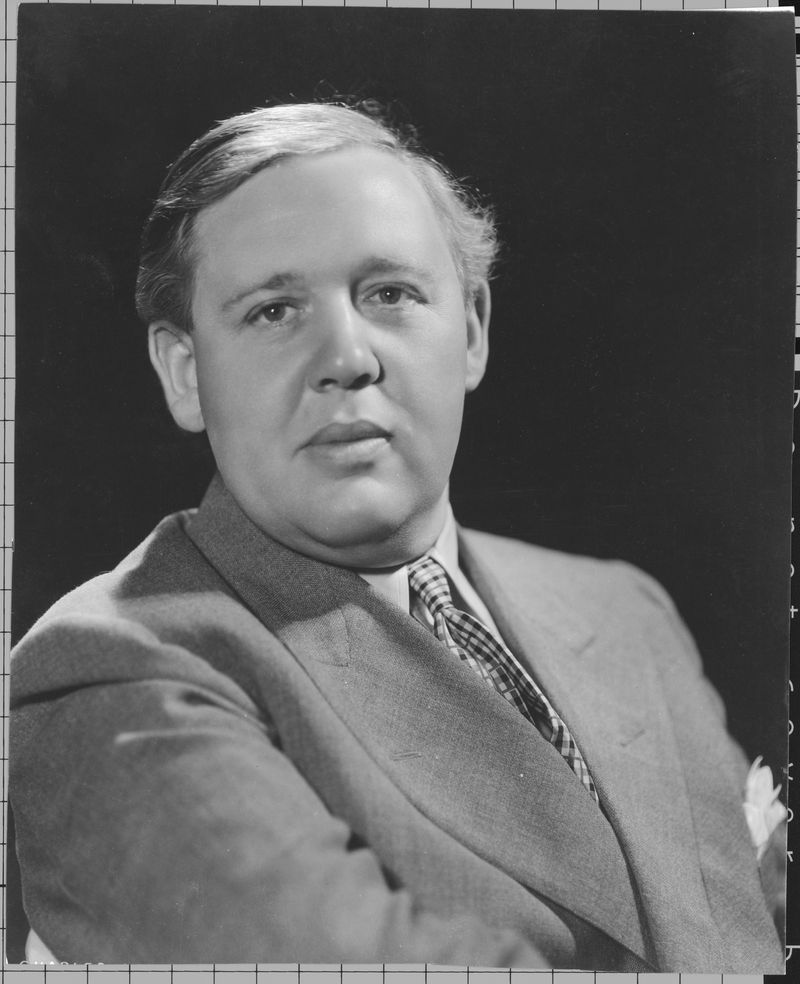
Laughton’s theatrical training and commanding presence made him perfect for playing kings, hunchbacks, and larger-than-life characters.
His heavyset frame and jowly face were never obstacles to leading roles in classics like The Hunchback of Notre Dame.
Today’s emphasis on physical fitness and conventional attractiveness would sideline an actor of his appearance before he could demonstrate his considerable talent.
His intensely dramatic acting style suited the grand productions of his era but might seem overwrought in today’s naturalistic film landscape.
Modern audiences and critics prefer understated performances that feel authentic rather than theatrical.
Laughton’s dedication to transformative roles required audiences to accept him as the character rather than a movie star.
The industry’s current obsession with bankable faces over transformative talent would work against him.
His genius lay in disappearing into roles, not building a recognizable brand.
4. Edward G. Robinson
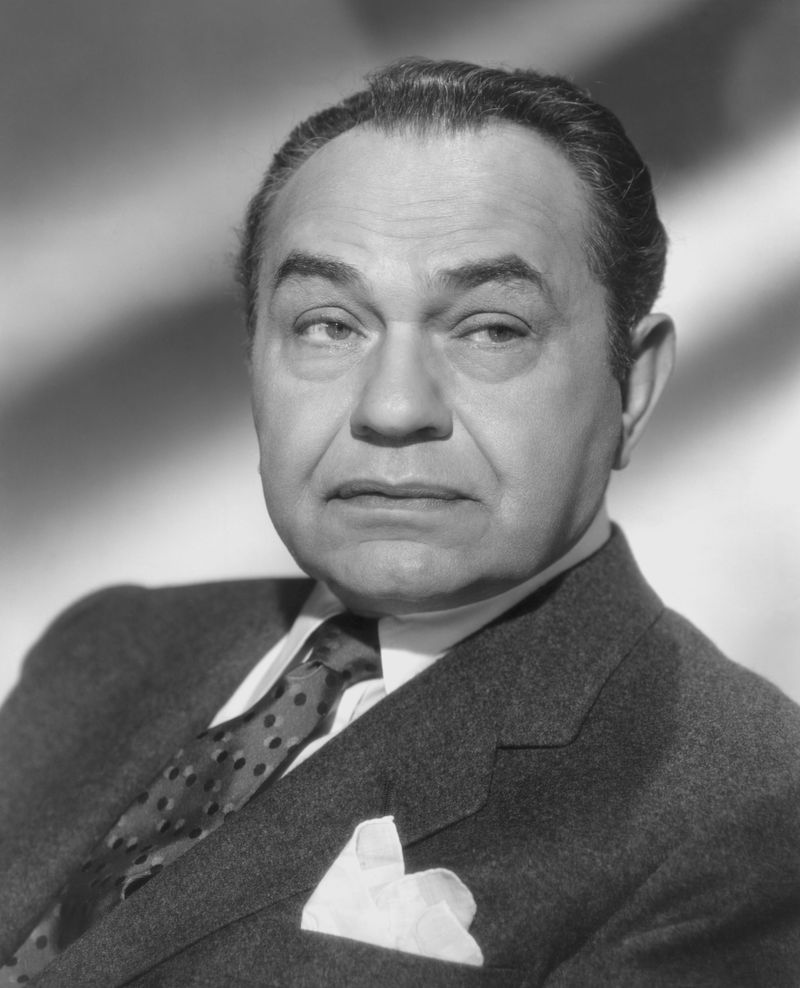
Robinson’s tough-guy persona and rapid-fire delivery made him the definitive gangster of early Hollywood.
Standing just 5’5″ with a stocky build and distinctly ethnic features, he commanded the screen through sheer force of personality.
Modern Hollywood rarely casts actors under 5’10” in leading roles, preferring tall, imposing figures who photograph well in action sequences.
His Romanian-Jewish background was never hidden, and his features were distinctly non-Anglo, which added authenticity to his roles.
Today’s industry claims to value diversity but often expects actors to fit narrow beauty standards regardless of ethnicity.
Robinson’s success came from his talent and intensity, not from conforming to leading-man conventions.
The character-driven dramas that showcased his abilities have largely been replaced by CGI spectacles.
His intellectual depth and art collection would seem odd for today’s action-oriented male stars.
5. Ernest Borgnine
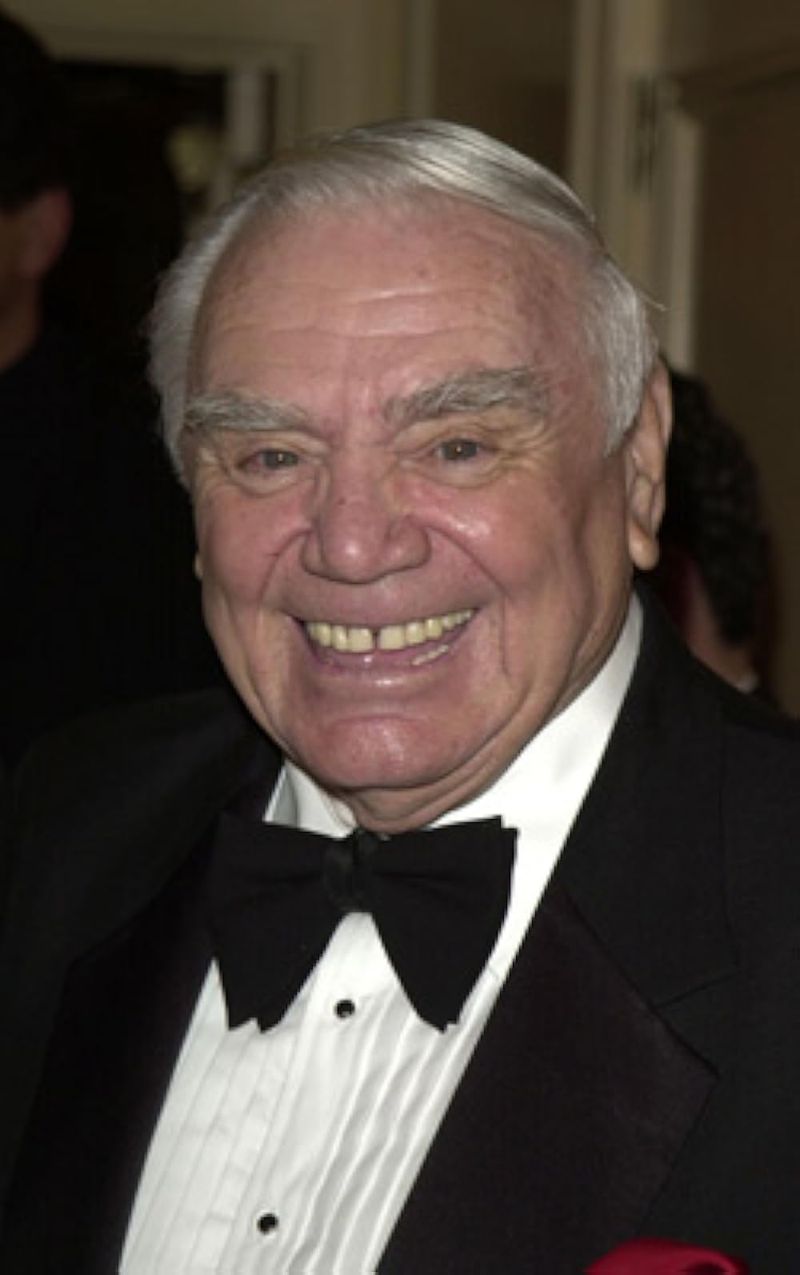
Borgnine won an Oscar for Marty playing an ordinary-looking butcher searching for love, a role that celebrated his everyman appearance.
His gap-toothed grin and rough-hewn features made him relatable rather than aspirational.
Contemporary Hollywood has moved away from celebrating ordinary appearances, instead promoting an idealized version of attractiveness even in supposedly “average” characters.
He built a six-decade career playing tough guys, military men, and blue-collar workers with authenticity.
His face told stories of hard work and real life, something increasingly rare on modern screens dominated by actors who’ve never looked anything but camera-ready.
The working-class authenticity he embodied has been replaced by actors playing down to such roles.
Borgnine’s late-career success in his thirties would be impossible today when Hollywood prioritizes discovering stars in their early twenties.
His unconventional path wouldn’t fit current industry timelines.
6. Wallace Shawn
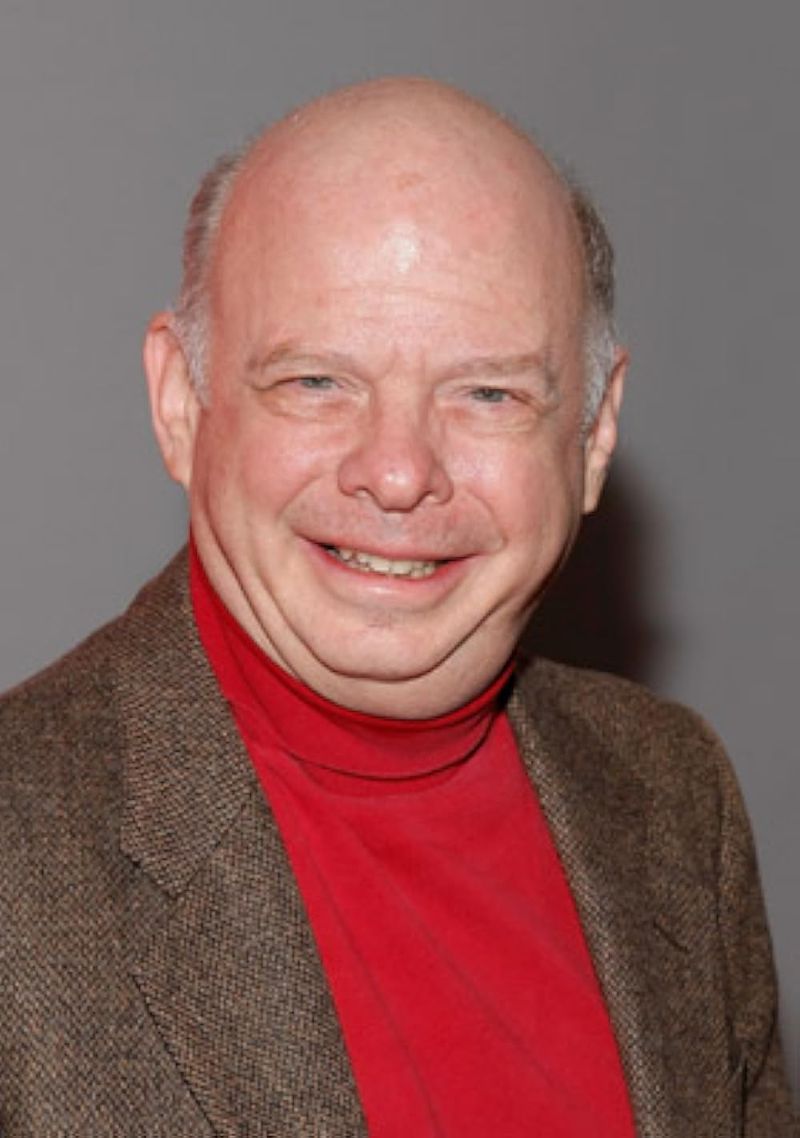
Shawn’s diminutive stature, bald head, and distinctive voice made him an unlikely leading man, yet he created memorable roles through intelligence and wit.
His work in My Dinner with Andre showcased how talent and interesting conversation could carry an entire film.
Today’s market demands visual spectacle over intellectual engagement, making such projects nearly impossible to finance.
His theatrical background and playwright credentials brought depth to every performance, no matter how small.
Modern casting often overlooks classically trained actors who don’t fit the physical mold, preferring social media influencers with large followings.
Shawn’s cerebral approach to acting stands in stark contrast to the athletic physicality expected of contemporary performers.
The character roles that sustained his career have been diminished in importance.
Today’s films focus on a few bankable stars rather than ensembles of interesting character actors who bring texture to stories.
7. Rod Steiger
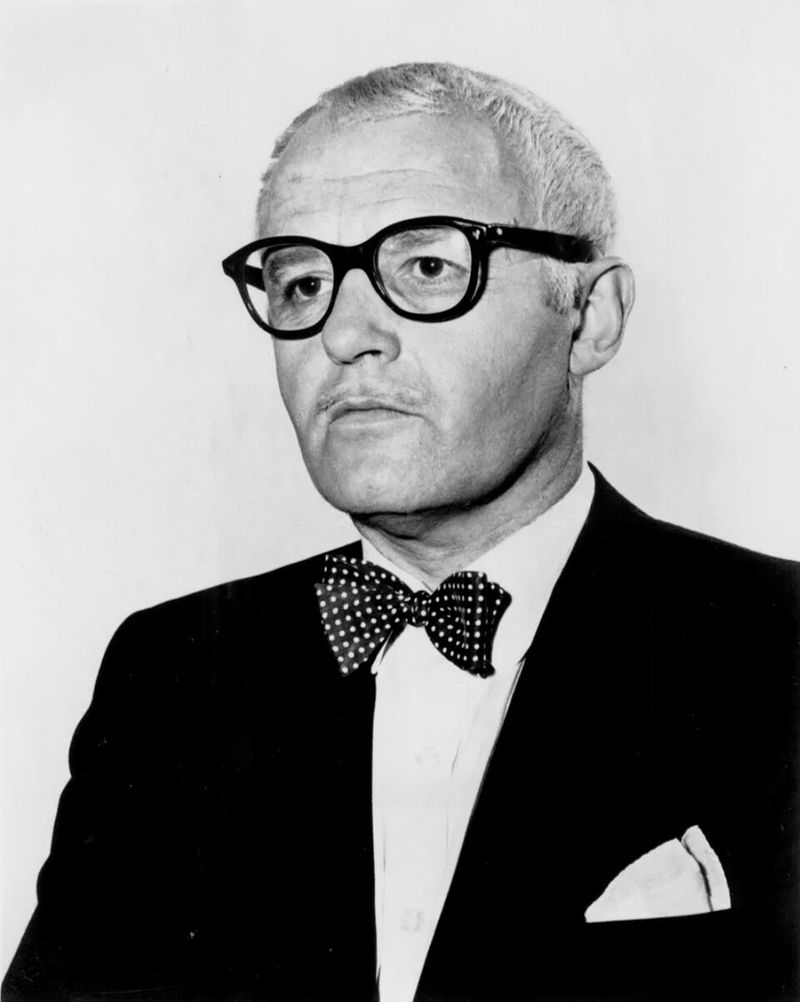
Steiger’s method acting intensity and willingness to physically transform for roles made him one of cinema’s most powerful performers.
He gained significant weight for various characters and never worried about maintaining movie-star looks.
Today’s actors face pressure to stay camera-ready year-round for potential franchise opportunities, making such transformations career risks rather than artistic choices.
His emotional vulnerability and willingness to appear weak or unlikeable challenged masculine stereotypes of his era.
Modern superhero-dominated cinema rarely allows male stars to display such range, preferring stoic heroism over complex emotional landscapes.
Steiger’s raw, sometimes uncomfortable performances wouldn’t fit the family-friendly tone studios now require from their biggest investments.
The mid-budget dramas that showcased his talent have largely disappeared from theatrical release.
His commitment to character over celebrity would seem unmarketable in an age of personal branding.
8. Don Knotts
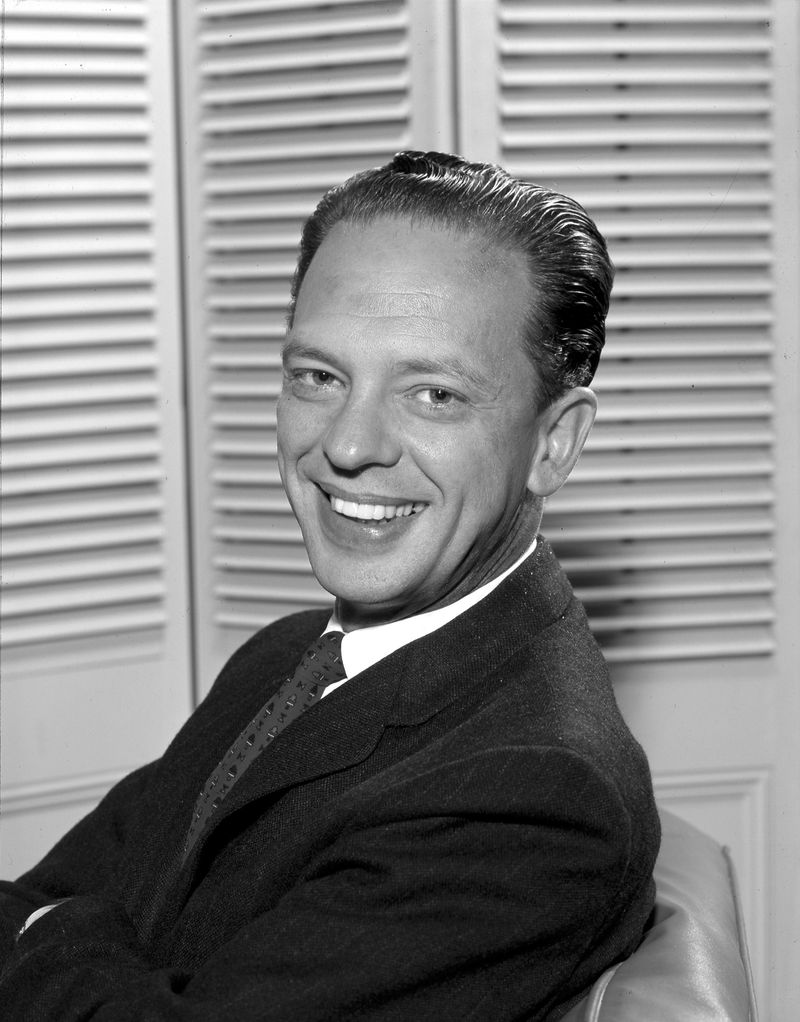
Knotts built his career on playing nervous, twitchy characters who were lovably incompetent.
His thin frame, prominent Adam’s apple, and bug-eyed expressions became comedy gold on The Andy Griffith Show.
Modern comedy has shifted toward snark and meanness, leaving little room for the gentle, self-deprecating humor that made Knotts a star.
His physical comedy relied on exaggerated reactions and timing rather than crude jokes or shock value.
Today’s comedians often need to maintain an edgy social media presence and controversial persona to stay relevant.
Knotts’ wholesome image and family-friendly material would be considered too safe for contemporary audiences raised on darker humor.
The variety shows and sitcoms that launched his career no longer serve as star-making vehicles.
His specialized talent for playing cowardly sidekicks wouldn’t translate to leading roles in today’s comedy landscape focused on confident, often narcissistic protagonists.
9. Marty Feldman
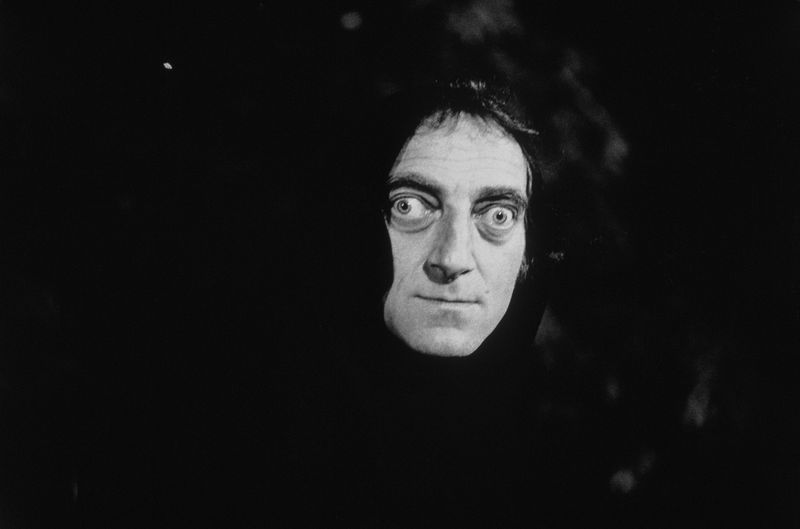
Feldman’s thyroid condition gave him wildly protruding eyes that became his comedic trademark in films like Young Frankenstein.
He turned a medical condition into an asset, creating a unique screen presence impossible to forget.
Today’s Hollywood would likely see his appearance as a liability rather than an opportunity, steering him toward voice work rather than on-camera roles.
His absurdist humor and willingness to look ridiculous made him perfect for Mel Brooks comedies.
Modern studios focus-group their comedies to death, eliminating the weird, wonderful oddities that made 1970s films so memorable.
Feldman’s unconventional looks and British sensibility would struggle to find a place in today’s homogenized comedy landscape.
The character comedy that was his specialty has been largely replaced by improv-heavy productions featuring conventionally attractive performers.
His distinctive appearance would be considered too distracting for audiences accustomed to polished, predictable casting choices.
10. Jack Elam
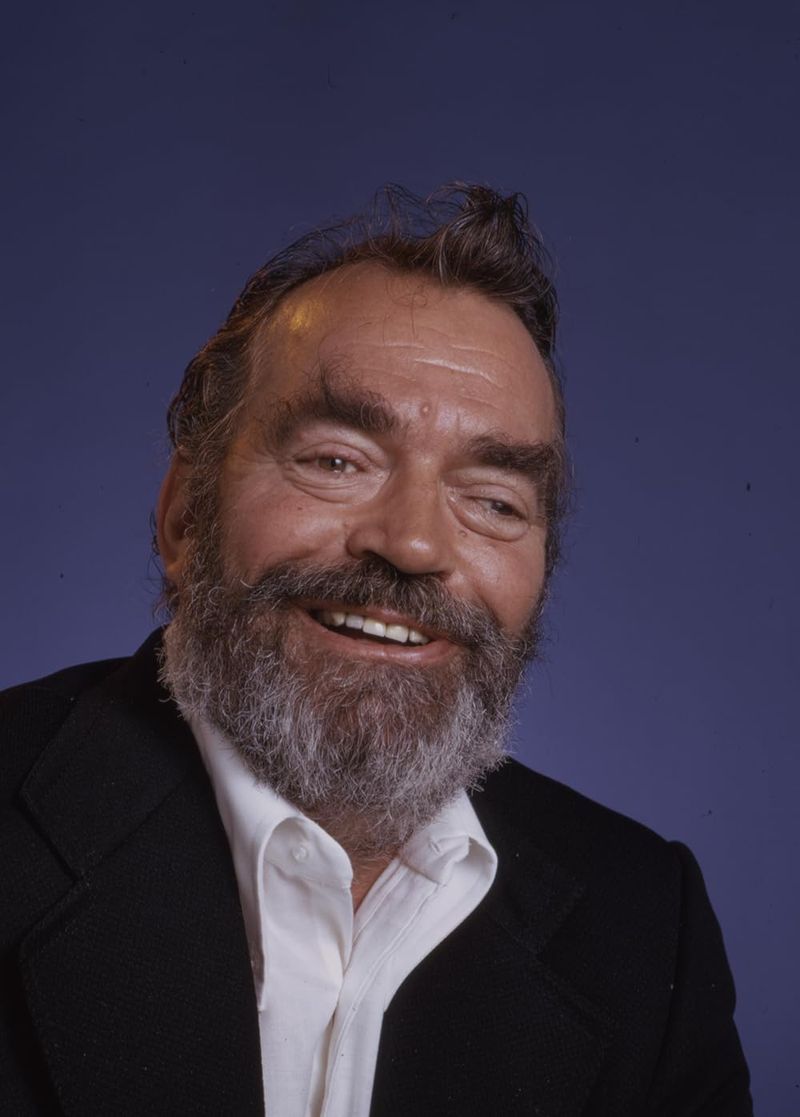
Elam’s wandering eye, the result of a childhood accident, made him one of Hollywood’s most memorable western villains.
His crooked grin and off-center gaze created an unsettling presence perfect for outlaws and gunslingers.
Today’s industry would require CGI correction or contact lenses rather than embracing such a distinctive feature as a character asset.
He appeared in over 100 films, building a career on his unique look and talent for playing unpredictable characters.
Modern casting directors use computer programs to find actors who match specific physical parameters, leaving no room for the happy accidents that created stars like Elam.
His success came from directors who saw his difference as an advantage.
The B-westerns and character-driven genre films that sustained his career have vanished from theaters.
Today’s western revivals cast conventionally handsome actors playing gritty, not genuinely weathered performers who embody frontier toughness.
Comments
Loading…